Why a Fiber-Rich Diet Matters in Singapore Today
Ever felt that sluggish energy dip after lunch? Or struggled with irregular bowel movements? Rising rates of diabetes and colorectal cancer here in Singapore might just have a common thread—our dietary fibre intake. Embracing a fiber diet, focusing on plant-based dietary fiber in your daily meals, can be a game-changer for digestion, energy levels, and long-term health.
Dietary fiber is a unique carbohydrate found exclusively in plant foods that your body can’t fully digest. Unlike sugars and starches, fiber mostly passes through your small intestine intact. Some types, especially fermented fiber, get broken down by gut bacteria in the large intestine, producing short-chain fatty acids that protect your colon, stabilize metabolism, and even influence your mood.
In this article, we’ll explore how dietary fiber works, why it’s essential for digestion and blood sugar control, and practical ways to boost your fiber intake with familiar local foods—from brown rice cai png and thunder tea rice to chap chye and yong tau foo.
Understanding Dietary Fiber: Types and Why Both Matter
Dietary fiber is your gut’s best friend, found only in plant foods—whole grains, legumes, fruits, vegetables, nuts, and seeds. It’s not digested by your enzymes but travels through your digestive system performing vital roles: slowing nutrient absorption, nourishing beneficial bacteria, and keeping waste moving smoothly.
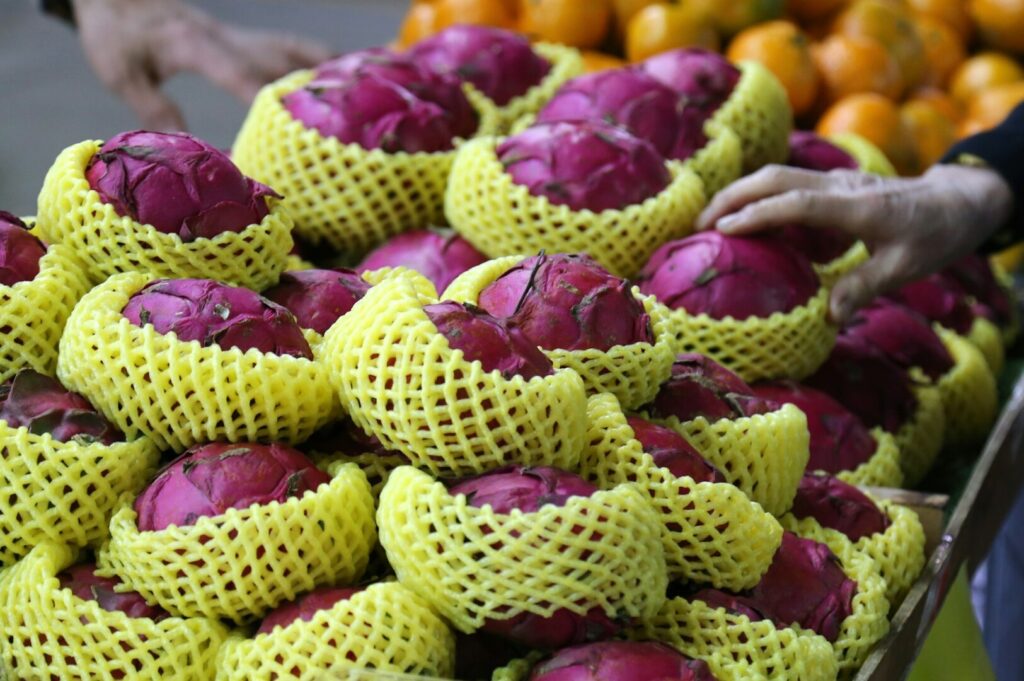
There are two key types: soluble and insoluble fibers. They work differently but complement each other perfectly. Many common Singaporean foods—papaya, dragon fruit, lotus root, long beans—contain both soluble and insoluble fiber, exactly what your gut needs.
Soluble Fiber: Regulating Blood Sugar, Cholesterol Levels, and Fullness
Soluble fiber dissolves in water, forming a gel in your stomach and small intestine. This gel slows gastric emptying, leading to steadier blood sugar levels after meals and prolonged fullness that helps curb snacking.
Think oatmeal, barley soup (yes, the grains, not just the liquid), dhal, tofu, tempeh, and seaweed—all great local sources. Soluble fiber also binds bile salts in the intestine, prompting the liver to pull cholesterol from your blood to make new bile, lowering LDL cholesterol over time.
For those with prediabetes or type 2 diabetes, including soluble fiber-rich foods as part of a balanced diet can aid glycemic control.
Insoluble Fiber: The Digestive Tract’s Natural Broom
Insoluble fiber doesn’t dissolve in water but absorbs water and adds bulk, speeding waste through your large intestine. Think of it as a broom sweeping your colon, preventing constipation and diverticular disease.
Boost insoluble fiber by swapping white rice for brown rice or sweet potatoes, choosing wholemeal bread or whole wheat flour products, adding kailan, chye sim, nai bai, cabbage to your stir-fries, and eating fruits with edible skins like guava, pears, and apples. Wheat bran and oat bran cereals are also concentrated sources.
This fiber is especially crucial for office workers and older adults who sit for long hours and face sluggish bowels. But beware—sudden large increases without enough fluids can cause bloating or discomfort.
How a Fiber Diet Improves Digestive Health and Comfort
Many Singaporeans suffer from irregular bowel movements, hard stools, and straining due to diets heavy in white rice, noodles, and processed snacks with low fiber content.
Adequate fiber and water intake soften and bulk stool, making bowel movements predictable and easy. This prevents constipation-related issues like hemorrhoids, diverticular disease, and may reduce colorectal cancer risk.
Fermented fiber is especially protective: gut bacteria break it down into short-chain fatty acids like butyrate, which fuel colon cells, reduce inflammation, and strengthen the gut barrier.
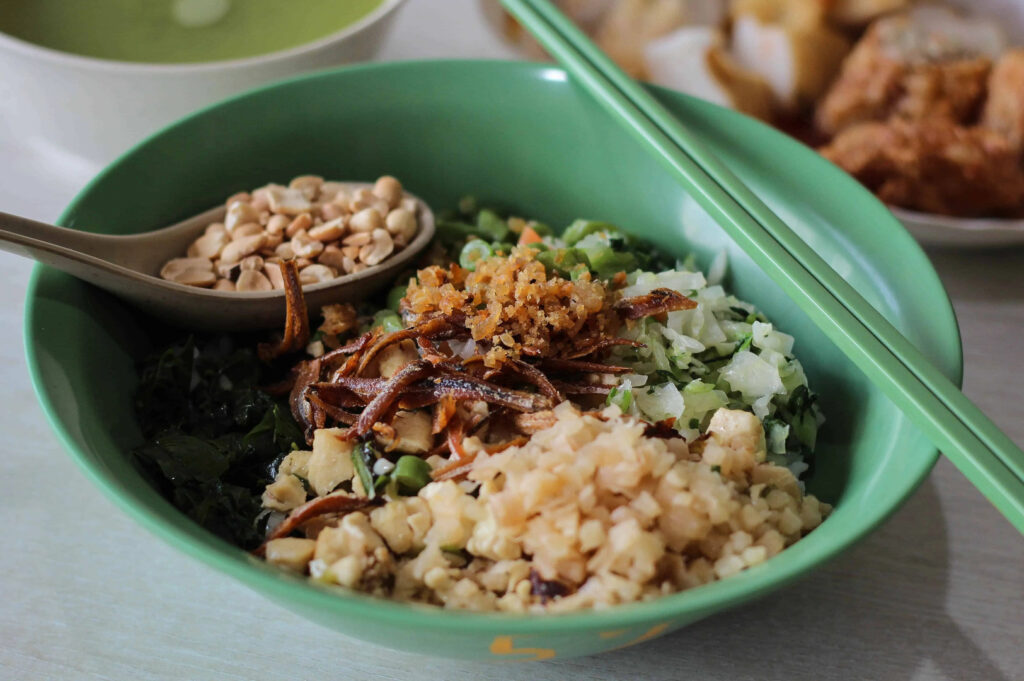
At hawker centres, opt for yong tau foo with extra vegetables and tofu puffs in light soup, thunder tea rice with brown rice and vegetables, or chap chye with cabbage, mushrooms, and glass noodles.
People with gut conditions such as irritable bowel syndrome or ulcerative colitis should follow medical advice on fiber intake and may benefit from fiber supplements tailored to their needs.
Fiber, Blood Sugar, Energy, and Metabolic Health
Singapore’s high diabetes rates are closely linked to refined starchy foods—white rice, noodles, sugary drinks—that cause rapid blood sugar spikes and energy crashes.
Soluble fiber slows carbohydrate digestion and absorption in the small intestine, leading to gradual blood sugar and insulin rises after meals. The result? Fewer post-lunch slumps and steadier afternoon energy. Over time, higher fiber intake improves insulin sensitivity and reduces type 2 diabetes risk.
Viscous fibers from oats, barley, and beans also lower LDL cholesterol, reducing heart disease risk—a major concern for Singapore’s aging population. Fiber works best alongside portion control, regular exercise, and limiting added sugar.
Fiber and Weight Management: Feeling Full on Local Foods
High fiber foods fill you up with fewer calories. They require more chewing, digest slowly, and physically fill your stomach, signaling fullness to your brain—unlike calorie-dense processed foods eaten quickly without satisfaction.
A fiber-rich plate—about one-quarter whole grains, half vegetables, and one-quarter protein—can reduce mindless snacking and late-night hunger without calorie counting.
Local examples: add taugeh and greens to char kway teow, replace half white rice with brown rice at cai png with chap chye, or choose thunder tea rice and yong tau foo with clear soup and vegetables.
Over time, fiber moderates appetite and reduces cravings for ultra-processed foods, making weight management sustainable and less restrictive.
How Much Fiber Do Singapore Adults Need?
Singapore’s Health Promotion Board recommends 20 grams per day for women and 26 grams for men. Yet many consume only 12–15 grams due to reliance on refined grains and limited vegetables.
What does 20–26 grams look like?
Breakfast: Oat porridge with banana and chia seeds (~8 grams of fiber)
Lunch: Brown rice with two vegetable dishes and tofu (~9 grams of fiber)
Dinner: Wholemeal bread sandwich with salad and fresh fruit (~8 grams of fiber)
Total: ~25 grams—right on target.
Use the “plate method”: half vegetables (kailan, chye sim, long beans), quarter whole grains (brown rice, red rice, wholemeal bread), quarter protein (tofu, tempeh, fish, lean meat, eggs, other legumes).
Fiber needs vary by life stage. Children build toward adult targets gradually. Older adults need fiber plus fluids and activity to avoid constipation. Pregnant women often benefit from more fiber but should consult healthcare providers.
Local High-Fiber Foods and Dishes
Singapore’s multicultural food scene offers abundant fiber-rich options at NTUC, Sheng Siong, and wet markets.
Fruits: Guava (with skin), dragon fruit, papaya, banana, jackfruit, pomelo, apples, pears. Whole fruits are better than fruit juice for fiber. Dried fruit has fiber but is calorie-dense.
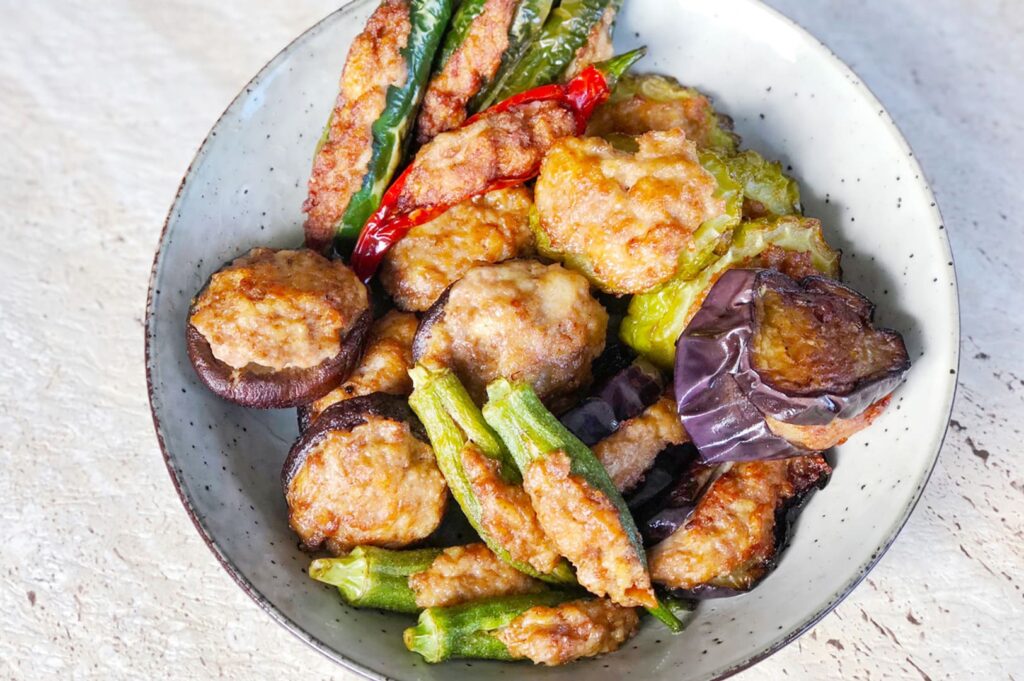
Vegetables: Kailan, chye sim, nai bai, kangkong, long beans, okra, bitter gourd, cabbage, eggplant, mushrooms. Variety and minimal overcooking preserve fiber and nutrients.
Grains and Staples: Brown rice, red rice, mixed-grain rice, wholemeal bread, wholegrain wraps, multigrain noodles, oats, barley, oat bran, millet, whole wheat flour.
Legumes and Soy: Lentils, split peas, chickpeas, kidney beans, black beans, tau kwa, tau pok, tempeh, unsweetened soy milk.
Hawker Dishes: Thunder tea rice (brown rice), brown rice economic rice with vegetables, yong tau foo with vegetables and tofu puffs, nasi padang with sayur lodeh and long beans, vegetarian Indian thali with dhal and vegetables.
Practical Strategies: Increasing Fiber Without Discomfort
Your gut needs time to adjust to more fiber. Sudden increases—eating lots of beans, whole grains, and vegetables—can cause gas, bloating, and cramps.
Increase fiber gradually by about 5 grams every few days and drink 6–8 glasses of water daily (unless medically restricted). Water helps fiber absorb water and move smoothly; without it, fiber can worsen constipation.
Fiber doesn’t mean only Western salads; stir-fried and soupy vegetable dishes count, often allowing larger portions. High fiber isn’t restrictive—you’re adding whole grains, fruits, vegetables, beans, and seeds.
Listen to your body. If bloating or irritable bowel syndrome symptoms persist, reduce fermentable fibers temporarily and consult a dietitian.
Fiber Needs Across Life Stages and Conditions
Children and Teens: Build habits early with fruit in lunchboxes, wholegrain noodles or bread, and vegetable sides. Increase fiber gradually.
Older Adults: Higher constipation risk from less activity and medications. Fiber plus fluids and movement help. Softer options like stewed vegetables, papaya, oats, or congee with vegetables aid chewing.
Specific Conditions: Type 2 diabetes benefits from soluble fiber (oats, barley, legumes). High cholesterol benefits from viscous fibers that bind bile salts. Irritable bowel syndrome or ulcerative colitis require individualized fiber plans, sometimes low-FODMAP approaches.
Those recovering from surgery or with bowel obstructions need medically supervised low-fiber periods. Always follow healthcare advice.
Putting a Fiber Diet into Daily Singapore Life
A fiber-rich diet is sustainable and supports health over decades—improving digestion, energy, metabolism, and reducing risks of heart disease, diabetes, and colorectal cancer.
Small changes—upgrading grains, adding vegetables, choosing whole fruits over sugary desserts—compound into big health gains.
Try new high-fiber items at hawker centres, wet markets, or supermarkets: brown rice at cai png, extra vegetable dishes, or unsweetened barley water. Check food labels for fiber content using resources like the USDA National Nutrient Database. Use resources like healthyfoodguide.com.sg to discover local fiber-friendly meals.
Your gut—and your future self—will thank you for it.