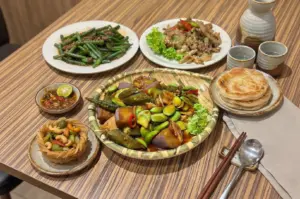
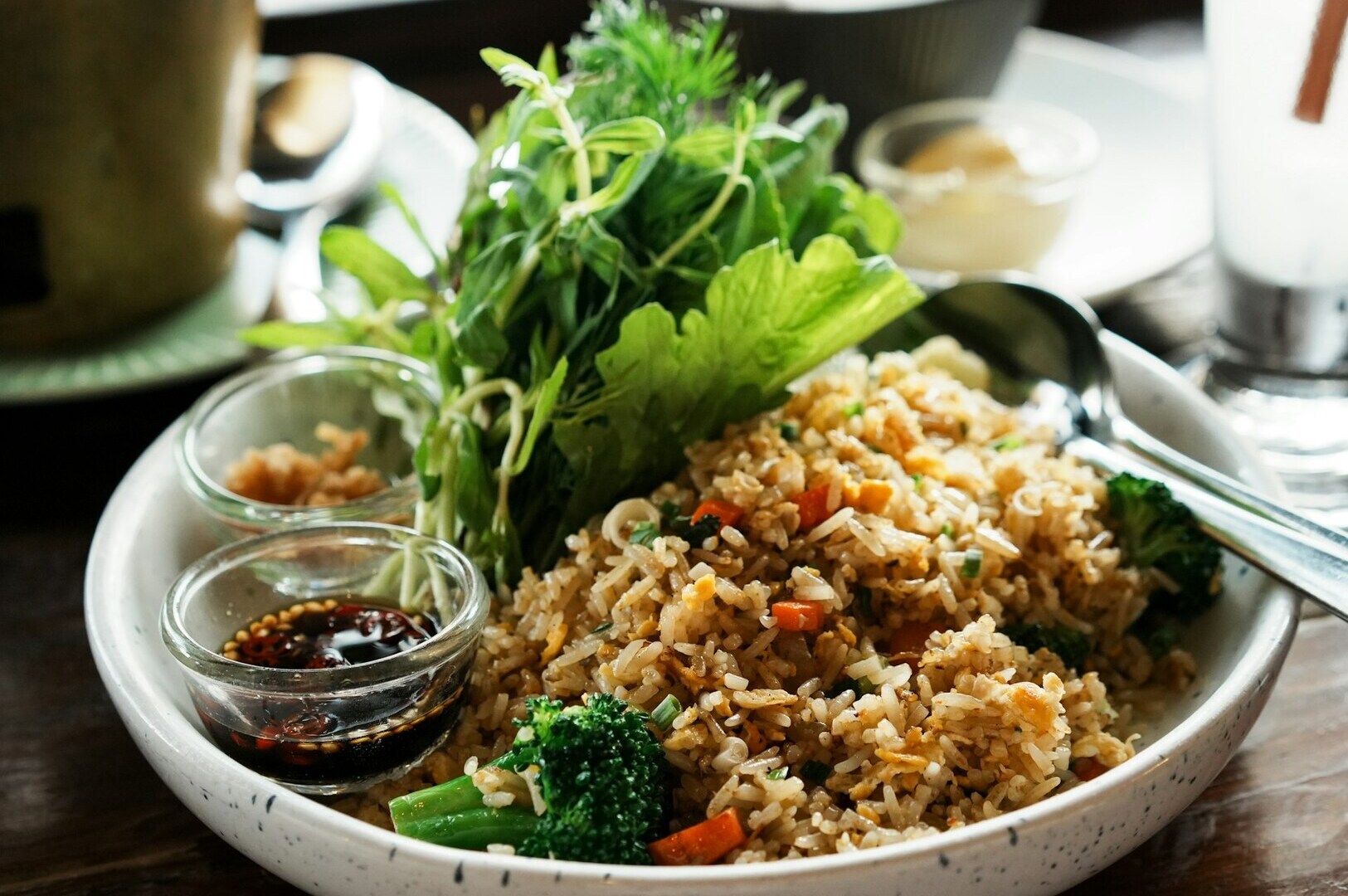
It’s 3:00 PM on a Tuesday. You’re at your desk in the CBD, feeling the post-lunch slump. Your chicken rice lunch was delicious, but now you’re sluggish, maybe a bit bloated, and craving something sweet to lift your energy. In Singapore’s relentless pace, these energy crashes and digestive discomforts have become the norm. But what if the solution isn’t another cup of coffee or a quick nap, but simply making sure you get enough fibre every day?
Dietary fibre, a carbohydrate found mainly in plant foods like fruits, vegetables, whole grains, legumes, and nuts, plays a crucial role in digestion, preventing constipation, and lowering the risk of chronic diseases. Yet, most adults fall short of the recommended dietary fibre intake, making it essential to include enough fibre from a variety of high fiber diet foods. While protein and carbs often steal the spotlight, high fiber diet foods quietly power sustained energy, gut health, and long-term vitality. Prioritizing fibre intake unleashes a cascade of health benefits that influence your entire day—from your morning commute to your evening workout. Let’s dive into how fueling your body with fiber rich foods can transform your health.
The Singapore Fiber Gap - Why It Matters for Your Daily Diet
Singapore’s food culture is vibrant, from laksa to kaya toast. But modern eating habits have shifted away from traditional diets rich in plant foods such as vegetables, legumes, and unpolished grains, toward convenience foods often refined and stripped of fibre. This creates a “fiber gap”: many consume enough calories but fall short on how much fibre is recommended—20g daily for women, 26g for men.
This gap hits busy professionals and parents hard. High fiber diet foods regulate your body’s systems. Learning to read food labels to spot fiber content and added fiber ingredients like chicory root or pectin can help you bridge this gap. The Australian Dietary Guidelines suggest that half your daily bread and cereals be wholegrain or wholemeal to boost fiber. Without enough dietary fibre intake, refined carbs like white rice and white bread digest rapidly, causing spikes and crashes in blood sugar levels, sapping your energy and focus.
What High Fiber Diet Foods Actually Do Inside Your Body
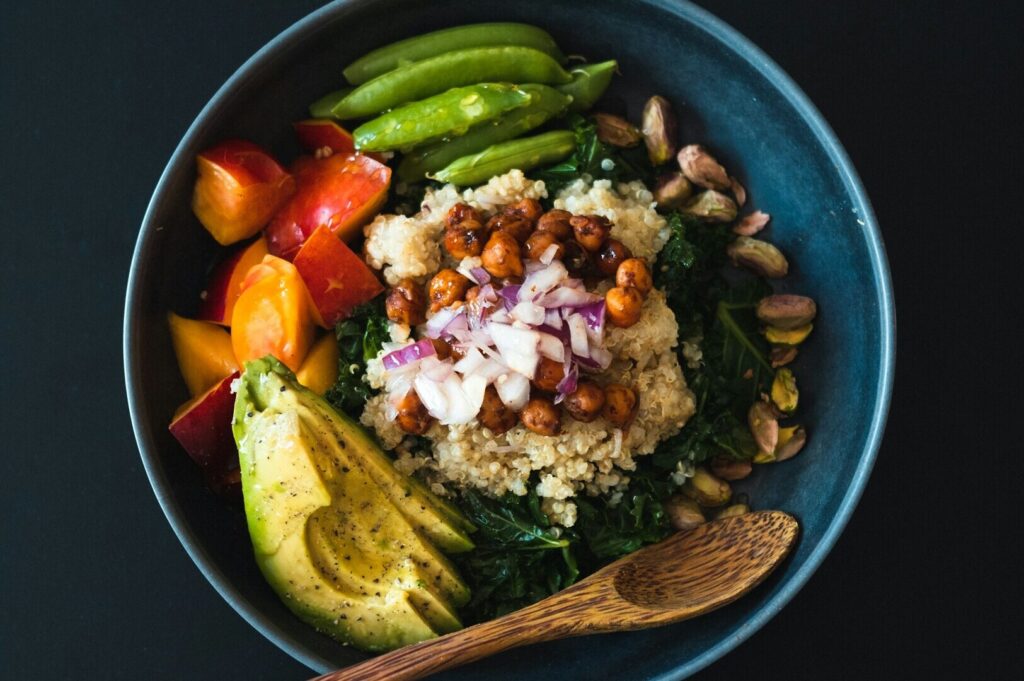
Eating a meal rich in high fiber diet foods—imagine a bowl of brown rice with stir-fried greens and tempeh—triggers a fascinating process. Unlike other nutrients absorbed in the stomach or small intestine, fiber passes mostly intact to the large intestine.
Here, fiber works its magic. There are two main types: soluble and insoluble fibre (or fiber). Soluble fibre absorbs water, forming a gel that softens stool and slows digestion. It helps regulate blood sugar and lower cholesterol, benefiting heart health and diabetes management. You’ll find it in fruits like oranges and apples, root vegetables such as carrots and sweet potatoes, legumes like peas, kidney beans, and split peas, as well as oats and barley. Insoluble fibre adds bulk to stool, aiding bowel movements and digestive efficiency. It’s abundant in brown rice, wholegrain bread, fruit skins, nuts, seeds, and cereals like wheat bran and oat bran. Fiber works best when it absorbs water, softening stool and easing its passage. That’s why fiber-rich meals keep you full longer, unlike low-fiber ones that leave you reaching for snacks soon after.
Insoluble fibre also nourishes your gut microbiome. Fermentation of fiber and resistant starch by gut bacteria produces beneficial fatty acids like butyrate, promoting bowel health and a digestive system healthy environment.
Determining How Much Fibre You Really Need
Most adults benefit from 25 to 38 grams of fiber daily, adjusted for activity, body size, pregnancy, or breastfeeding. It’s best to increase your intake gradually by 2-3 grams per day to avoid discomfort like bloating or gas, giving your digestive system time to adapt. Consuming too much fibre too quickly can worsen symptoms, especially for those with irritable bowel syndrome.
The Energy Connection - Fiber's Impact on Your Daily Performance and Blood Sugar
In a city that never sleeps, managing energy is crucial. Energy dips often stem from blood sugar swings, not just caffeine shortages. High fiber foods slow sugar absorption, preventing spikes and crashes.
Take Sarah, for example. She opts for meals with quinoa, chickpeas, and vegetables. Her digestion slows; glucose enters her bloodstream steadily over hours, avoiding spikes and crashes. High-fiber foods also keep her feeling full longer, helping manage energy and reduce cravings. At 3:00 PM, Sarah is as sharp as at 10:00 AM.
Fibre and Heart Health: Protecting Your Cardiovascular System
Dietary fibre is a guardian of heart health. Soluble fibre in oat bran, barley, and fruits binds cholesterol in the digestive tract, helping remove it from the body. This lowers LDL or “bad” cholesterol and reduces cholesterol levels and heart disease risk—a vital benefit in Singapore’s high-stress environment.
Insoluble fibre from brown rice, wholegrain breads, and vegetables supports regular elimination and reduces inflammation, nurturing cardiovascular harmony. Combining both fiber types from grains, fruits, and vegetables promotes overall heart health.
Beyond Digestion - Unexpected Health Benefits of High Fiber Diet Foods
Beyond digestion, fiber helps lower total cholesterol by aiding bile acid excretion and reducing systemic inflammation—a root cause of many chronic diseases. In Singapore, where heart disease is prevalent, fiber’s protective effects are vital.
If you’re low on fiber, increase intake gradually over weeks to avoid gas, bloating, or cramps. Introducing fiber slowly lets your digestive system adjust comfortably.
High Fibre Diet and Weight Management
For mindful weight management and maintaining a healthy weight, a high fiber diet is invaluable. Whole grain cereals, ripe fruits, and seasonal vegetables provide satisfying fullness, reducing cravings for less nourishing foods. Fiber’s steadying effect on digestion and blood sugar helps prevent overeating and supports weight control, reducing weight gain risk.
Making It Work in Singapore's Food Landscape - Incorporating More High Fibre Foods
Singapore’s diverse food scene offers many fiber-rich options. You don’t have to give up your favorites—just make smarter choices.
At hawker centers, try Thunder Tea Rice (Lei Cha), packed with chopped vegetables, peanuts, and tofu. Opt for Yong Tau Foo loaded with leafy greens and mushrooms, skipping fried items. Indian meals offer dhal and chickpea curries paired with wholegrain bread or chapati made from whole wheat flour instead of prata.
Look for whole grain cereals and oat bran. Incorporate kidney beans, split peas, and other legumes. Snack on fresh fruits like guava or dragon fruit instead of packaged foods with added sugar or fruit juice. When eating out or traveling, add a side of stir-fried more vegetables or start meals with salads.
While fibre supplements exist, whole foods provide other nutrients and benefits supplements lack.
Overcoming Challenges to Increasing Fibre in a Busy Singapore Lifestyle
Start with manageable changes: swap brown rice for white, choose wholegrain bread, and add an extra serving of fruits or vegetables daily. Keep a food journal to track fiber intake and plan meals with high-fiber staples like lentil soup or vegetable stir-fry.
For quick snacks, dried fruit, nuts, seeds, and grain crackers offer fiber without preparation. Gradually increasing fiber helps your body adapt, making fiber-rich eating a sustainable habit even in a busy life.
The Long Game - High Fiber Diet Foods and Preventive Health
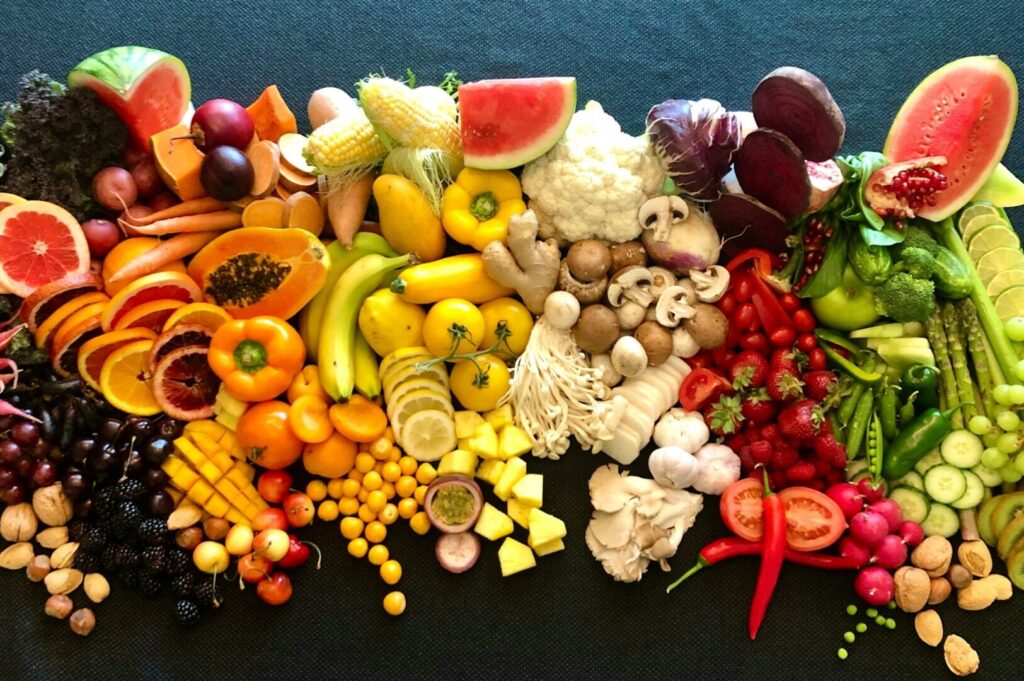
With Singapore’s aging population and rising chronic diseases like type 2 diabetes, high fiber diet foods are key to prevention. Fiber promotes bowel health, regularity, and reduces risks of hemorrhoids, diverticulitis, and bowel cancer.
Studies show higher dietary fibre intake lowers type 2 diabetes risk—a national health priority. Fiber-rich foods include legumes, fruits, vegetables, whole grains, nuts, and seeds.
Fiber also protects against bowel cancer by keeping the digestive system healthy and reducing carcinogen contact time with the gut lining.
Conclusion
Fiber isn’t just for digestion—it’s foundational to a high-performance life. Prioritizing fibre in diet transforms energy, digestion, and weight management naturally.
Incorporate high fiber diet foods with small, intentional choices: an apple with skin, a serving of brown rice, or a handful of nuts. These add up, building a resilient, energetic, and truly good health promoting body.