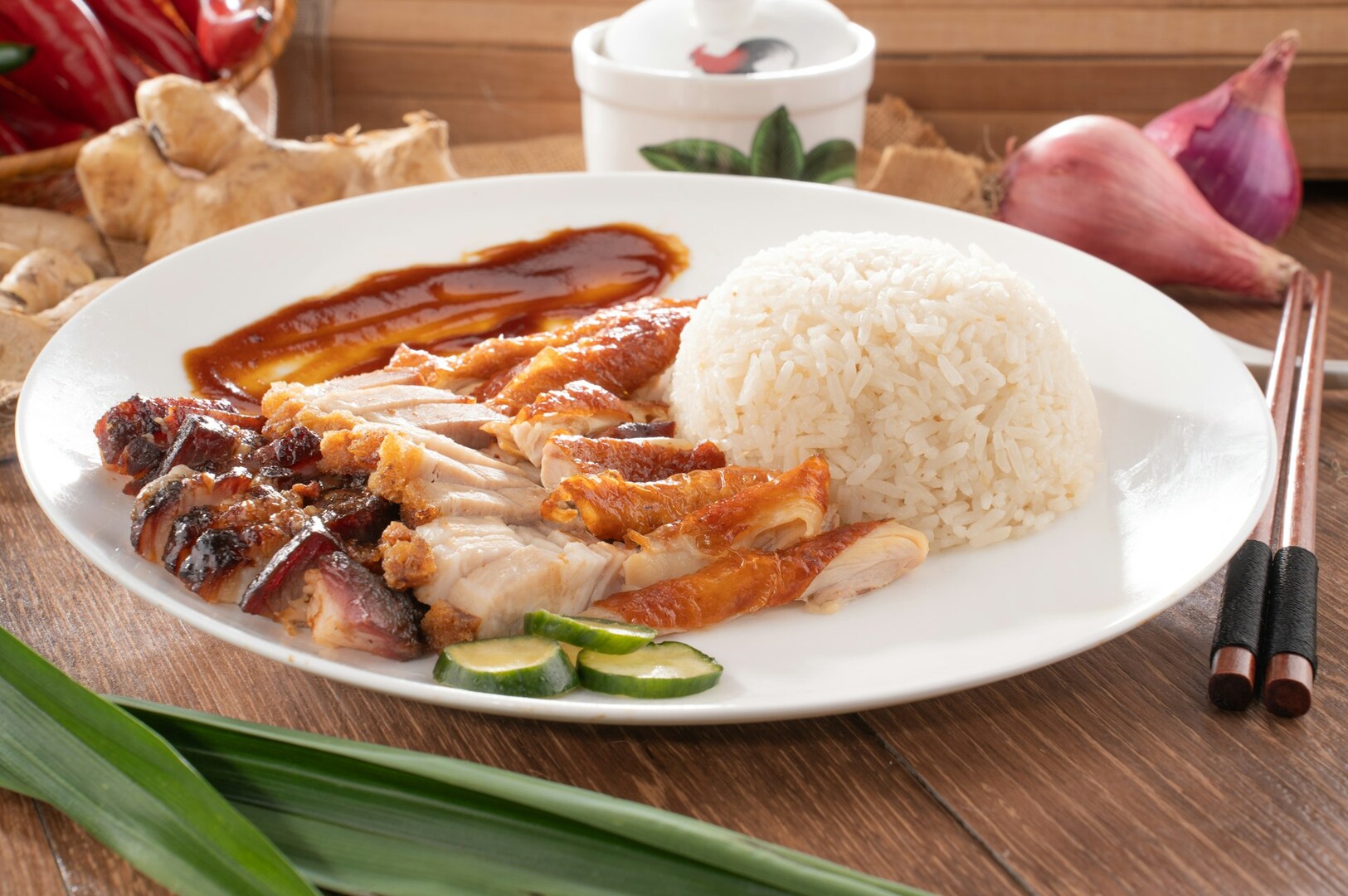
In Singapore’s food scene, few dishes hold the same legendary status as chicken rice singapore. It’s the kind of comfort food that wraps you up in nostalgia—whether you grew up here or are visiting for the first time. But with health trends sweeping the island, a pressing question emerges: Can you still enjoy this iconic plate without wrecking your diet?
Good news: loving hainanese chicken rice and staying healthy aren’t mutually exclusive anymore. The old days of relegating this classic to “cheat meal” status are fading fast. Thanks to some clever culinary tweaks and savvy ordering hacks, you can now find versions that respect tradition while cutting back on the fat and salt.
This article dives into how chicken rice singapore has evolved into a clean-eating favorite. We’ll break down how the traditional hainanese chicken rice recipe can be adapted for modern health goals, spotlight spots serving leaner options around the island, and share tips to nail the flavors in your own kitchen. Because eating clean doesn’t have to mean sacrificing authenticity—just a smarter way to savor your favorite rice dish.
Understanding Traditional Chicken Rice
Before we get into the healthy tweaks, let’s unpack what makes up a classic plate of chicken rice singapore. It looks simple—poached or steamed chicken, aromatic rice, and three dipping sauces: ginger sauce, chilli sauce, and dark soy sauce. But don’t let that fool you; the traditional cooking process packs a calorie punch.
Take the rice in hainan chicken rice. It starts as jasmine rice or sometimes basmati rice, sautéed in rendered fat and chicken fat with minced garlic and ginger, then cooked in rich chicken stock or clear chicken broth. Traditionally, you cook rice in the chicken’s poaching liquid, and the poaching liquid can be reduced to concentrate the flavor before using it for the rice. Aromatic ingredients such as ginger, garlic, and spring onions are used in both the poaching liquid and the rice to enhance flavor. This infuses the rice with incredible flavor but also adds a hefty dose of fat compared to plain steamed rice.
Then there’s the hainanese chicken. After prepping and patting it dry with a paper towel, the whole bird is poached breast side up in boiling chicken broth. To achieve authentic steamed chicken, the chicken is typically poached at sub-boiling temperatures to keep it tender and moist—after bringing to a boil, reduce heat to maintain a gentle simmer. Then, it is plunged into an ice bath in a large bowl. This step stops the cooking process and improves the texture of the skin. The chicken is often served at room temperature, which is traditional. Using a whole chicken is common, but chicken portions can also be used for convenience without sacrificing flavor. This technique locks in that signature gelatinous chicken skin and tender meat. But keep in mind—the skin is a saturated fat hotspot. Plus, the finishing drizzle of sweet soy sauce, thick soy sauce, sesame oil, and dark soy sauce over the chopped chicken, along with the practice to rub sesame oil on the skin after chilling, adds more sodium and fat. And let’s not forget the dish is served with a variety of sauces, including a ginger-garlic sauce, a chili sauce, and a sweet dark soy sauce. The chilli sauce and ginger sauce, often oil-based, also bump up the calorie count.
Origins of Hainanese Chicken Rice
Picture this: you’re wandering through the bustling streets of a Singapore hawker center, and suddenly you catch a whiff of something extraordinary—that’s hainanese chicken rice calling to you like an old friend. This isn’t just any chicken and rice; it’s a love letter written in flavors, a culinary journey that began centuries ago on the tropical shores of Hainan Island. When those brave Hainanese souls packed their dreams and sailed to Singapore and Malaysia in the 1800s, they carried something precious in their hearts—the memory of Wenchang chicken from home. What happened next was pure magic: these immigrants didn’t just recreate their beloved dish, they reimagined it, letting local ingredients dance with traditional techniques until something entirely new and irresistible was born.
Now, here’s where the real artistry begins, and trust me, watching this unfold in a proper kitchen is like witnessing a master painter at work. The whole chicken takes a luxurious spa day in a gently bubbling bath of water, ginger, garlic, and those aromatic pandan leaves that smell like paradise. The broth becomes liquid gold—rich, fragrant, and so deeply satisfying it could make you weep. Then comes the dramatic finale: that perfectly cooked bird gets plunged into an ice bath faster than you can blink, shocking the meat into that legendary silky texture that’ll have you questioning every other chicken you’ve ever tasted.
But wait—and this is crucial—the rice isn’t just some innocent bystander in this symphony. Oh no, my friend, this rice has ambitions. First, it gets a proper introduction to chicken fat, garlic, and ginger in a sizzling dance that fills your kitchen with the most incredible aromas. Then it bathes in that precious chicken broth we talked about, soaking up every drop of flavor like it’s been waiting its whole life for this moment. A whisper of sesame oil, a splash of soy sauce, and suddenly you’ve got grains that are so fragrant and flavorful, they could steal the show from the chicken itself.
Here’s where things get wonderfully interactive—because no self-respecting plate of hainanese chicken rice would dare show up naked. The holy trinity of condiments arrives like a flavor cavalry: that fiery chili sauce that’ll wake up every taste bud, the punchy ginger sauce that cuts through richness like a knife, and that sweet, dark soy sauce that ties everything together in perfect harmony. Add some crisp cucumber slices and tender chicken pieces, and you’ve got yourself a plate that’s not just food—it’s an experience, a conversation between textures and temperatures that keeps you coming back for more.
Exploring Roasted Chicken as a Flavorful Alternative
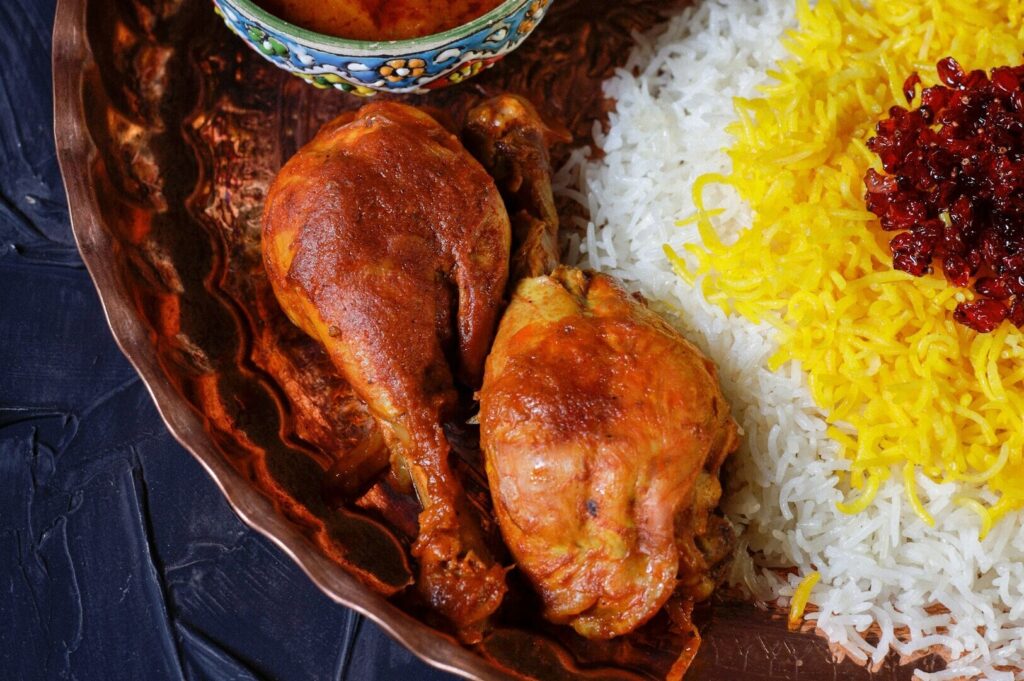
While poached chicken is the OG of hainanese chicken rice, many eateries in Singapore also serve roasted chicken versions. Roasting brings a smoky aroma and crispy chicken skin that ups the more flavour factor and texture contrast. But beware—it usually means more fat.
For those balancing taste and health, skinless roasted chicken or watching portion sizes lets you enjoy this twist without going overboard. Some chefs have gotten creative, roasting with minimal oil and seasoning with herbs and spices to keep things flavorful but lean. It’s a great option for diners craving more flavour without compromising health goals.
What Makes Chicken Rice "Healthy"
Going for a healthy chicken rice isn’t about stripping away the soul of the dish. It’s about tweaking ratios and techniques to keep the essence of chicken rice singapore—juicy meat, fragrant aromatics—while boosting nutrition.
The protein swap is usually the biggest move. Lean hainanese chicken means skinless chicken breast or thigh meat. Ditching the chicken skin slashes saturated fat without sacrificing the high-quality protein that chicken delivers. The poaching method itself is health-friendly—no added oils needed. When done right, poached chicken breast stays tender and juicy, proving that clean eating singapore style doesn’t have to be dry or dull.
For the rice, many health-conscious versions replace rendered fat and chicken fat with small amounts of heart-healthy oils like canola or olive oil—or skip the oil altogether—leaning on robust chicken stock, pandan leaves, garlic, and ginger for flavor. Some spots even offer brown rice or mixed grains to boost fiber and lower the glycemic index.
Sauces get a makeover too. A low-fat chicken rice might feature a chilli sauce made from fresh chilies, vinegar, and lime juice instead of oil, and a ginger sauce blended with water or stock. More veggies like bok choy or sliced cucumber help fill you up and add nutrients.
Ingredients and Condiments
The magic of Hainanese chicken rice comes from carefully chosen ingredients and classic condiments, each playing a role in the flavor symphony.
Jasmine rice is king here, prized for its fragrant aroma and fluffy texture. Basmati can be a lighter alternative, lending subtle nuttiness.
No plate is complete without the signature sauces: light and dark soy sauces drizzled over the chicken or served on the side bring umami depth and sweetness. Sweet soy sauce adds a caramelized touch.
Fresh cucumber slices provide a crisp, refreshing counterpoint, while chopped scallions or pickled veggies add color and texture. A sprinkle of salt and white pepper seasons both chicken and rice to perfection.
Where to Find Healthy Chicken Rice in Singapore
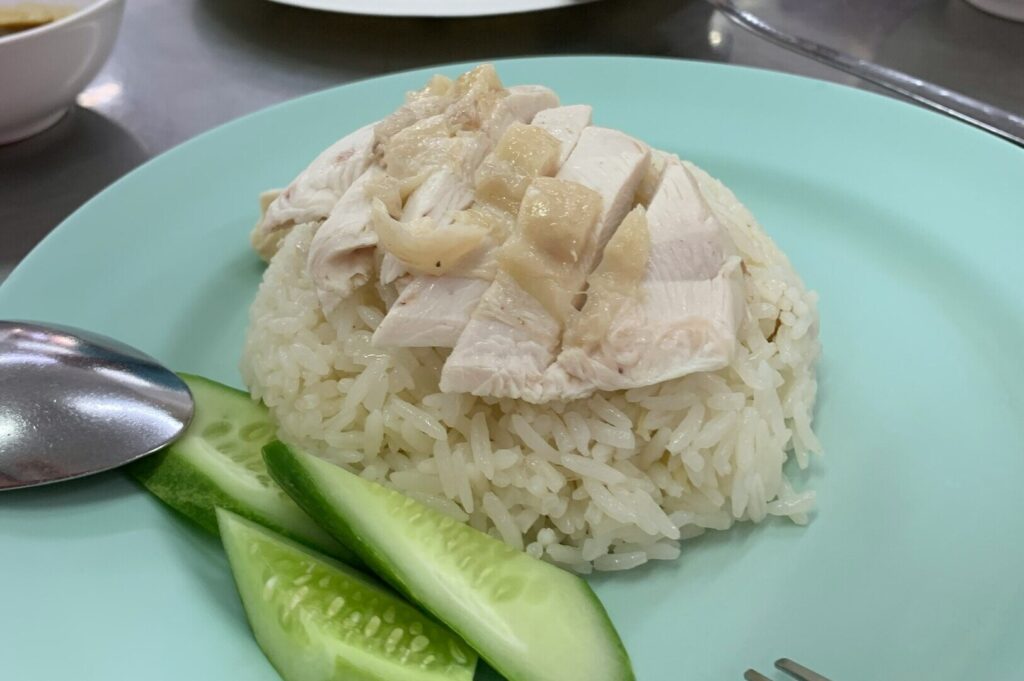
Looking for chicken rice singapore that fits your diet? It’s easier than ever.
The Modern Health Café
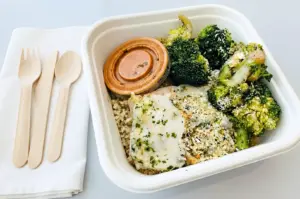
Health-conscious eateries and salad bars have embraced hainanese chicken as a protein bowl star. Expect sous-vide chicken breast served over quinoa, brown rice, or cauliflower rice—often with macros calculated for fitness buffs.
The Traditional Hawker Centre
Believe it or not, you can get a healthier plate at most hawker stalls if you know how to order:
Ask for “chicken breast, no skin” to cut calories and fat.
Request “less oil” or swap the oily rice for “white rice” or a smaller portion of the fragrant rice.
Get sauces on the side in a small bowl so you control the salt.
Load up on extra cucumbers or blanched veggies if available.
Food writers often recommend spots like Maxwell Food Centre for authentic hainanese chicken rice and nasi ayam, both beloved popular street food.
Meal Prep Services
For convenience, many clean eating singapore meal prep services now offer lean chicken rice options with precise macros, low-sodium sauces, and wholegrain bases.
DIY Healthy Chicken Rice Tips
Cooking chicken rice singapore at home puts you in the driver’s seat. Here’s how to nail the flavors while keeping it clean:
1. The Chicken: Go for boneless, skinless chicken breasts. To keep it juicy, poach gently: bring your chicken stock flavored with ginger, scallions, and minced garlic to a boil in a large stockpot, then reduce heat to a simmer. Add chicken, turn off heat, cover, and let sit 15-20 minutes. This residual heat cooks the meat perfectly.
2. The “Rice”: Skip sautéing in chicken fat. Rinse your jasmine rice (or brown rice for fiber) and cook rice in a rice cooker or instant pot. Sauté bruised ginger, smashed garlic, and pandan leaves in a large skillet first to release aroma, then add to the rice. Use unsalted chicken broth or chicken soup instead of water for a fragrant, grease-free base. For low-carb, try sautéing cauliflower rice with minced ginger and garlic in a small saucepan over medium heat.
3. The Sauces: Blend fresh red chilies, garlic, ginger, lime juice, and vinegar in a food processor or mortar and pestle for a fresh, low-calorie chilli sauce. Add salt to taste. For soy drizzle, mix low-sodium light soy sauce with a drop of sesame oil and some chicken broth to balance saltiness while keeping flavor.
4. Aromatics Are Key: With less fat, you’ll want more flavor boosters. For consistent flavor, use the same amount of ginger and garlic when prepping your aromatics. Fresh cilantro, spring onions, and sliced cucumber add crunch, freshness, and color to your nutritious hainanese chicken.
After all that, the effort you put in pays off with a satisfying and impressive homemade chicken rice experience.
Nutritional Comparison
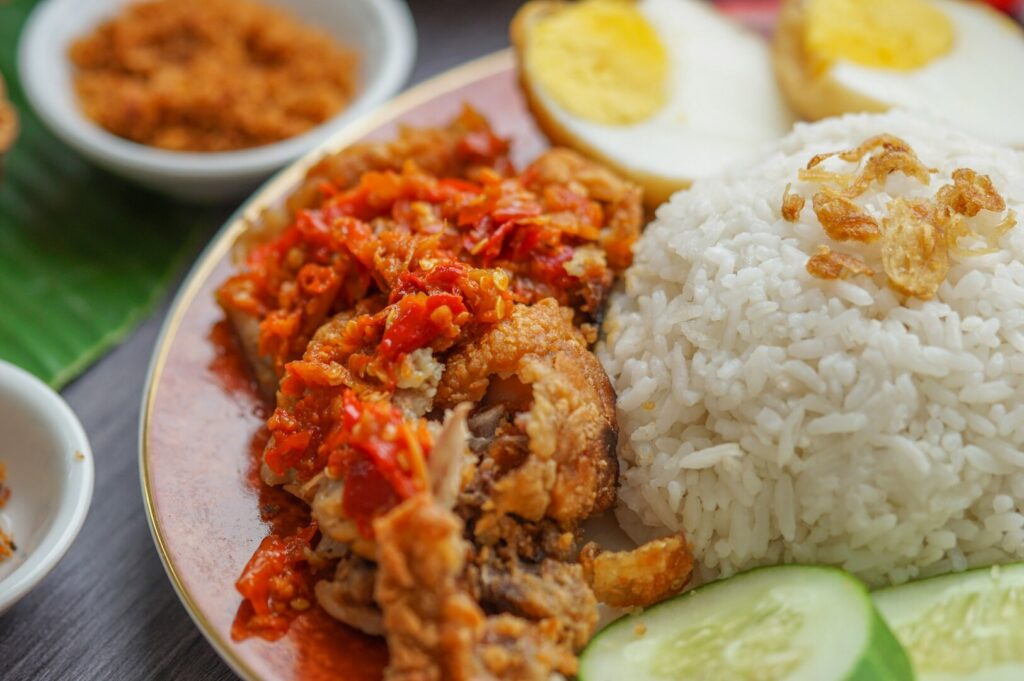
Put a traditional hawker plate of chicken rice singapore next to a healthy version, and the numbers tell the story.
A standard serving of classic hainanese chicken rice with skin and oily rice can top 600-700 calories, over 20g fat, and loads of sodium. The rice is a big calorie culprit due to absorbed fat.
A healthy chicken rice with skinless poached breast and steamed brown or low-oil white rice can drop to 400-450 calories and under 10g fat. It’s a high-protein, satisfying meal perfect for post-workout fuel.
Conclusion
The story of chicken rice singapore is one of adaptability. You don’t have to give up heritage to eat healthy. Whether at a hawker stall or your own kitchen, mindful choices let you enjoy the juicy, fragrant joys of hainanese chicken as a nutritious regular.
So next time you crave that iconic plate, remember: with a few smart tweaks, it’s not just delicious—it’s good for you too.