Embracing Antioxidants for Health in Singapore’s Urban Jungle
In the heart of Singapore’s bustling cityscape, the invisible battle against oxidative stress is a daily reality. This stress arises when free radicals—unstable molecules generated by pollution, stress, and modern lifestyle factors—accumulate faster than our body’s defenses can neutralize them. Oxidative stress can damage DNA, contributing to accelerating aging and the development of chronic diseases. As Singapore faces rising rates of diabetes and cardiovascular disease, understanding the role of antioxidant nutrition has never been more crucial for maintaining human health in 2025.
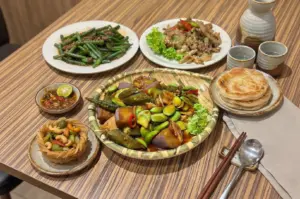
Singapore’s rich culinary tapestry offers a natural ally in this fight. Traditional dishes, when prepared with care, provide a bounty of antioxidants essential for combating oxidative damage. A cai png plate brimming with wok-fried kailan and sweet potatoes, or a comforting bowl of yong tau foo featuring bitter gourd and cruciferous vegetables in a clear broth, exemplify how local flavors can nourish and protect. Complemented by fresh tropical fruits like papaya, dragon fruit, and citrus fruits, these meals deliver potent antioxidant benefits that support optimal health. These foods are rich in natural compounds such as antioxidants, polyphenols, and carotenoids, which contribute to their health-promoting properties. They help neutralize free radicals, thereby reducing oxidative stress and supporting overall health.
Incorporating foods such as fresh berries, dark leafy greens, quality nuts like sunflower seeds, green tea, and dark chocolate into everyday meals further enhances the body’s ability to counteract oxidative stress. These foods, rich in natural antioxidants, play a vital role in maintaining cellular balance and vitality amidst the challenges of urban living.
The Science Behind Antioxidants: Protecting Cells in a Modern World
At the cellular level, oxidation resembles the rusting of steel—free radicals steal electrons from vital molecules, triggering oxidative stress linked to accelerated aging and chronic disease development. Oxidative stress can damage DNA, contributing to accelerating aging and the onset of chronic diseases. Antioxidants serve as defenders in this process, donating electrons to stabilize free radicals without becoming unstable themselves. This action safeguards essential components like cell membranes and DNA, preserving healthy cell function and skin integrity.
Free radicals are a natural byproduct of energy production within the body but are exacerbated by external factors prevalent in urban environments, such as pollution, processed foods, tobacco smoke, and ultraviolet radiation. Antioxidants can neutralize free radicals, which are produced during normal metabolic processes and can damage DNA. While the body produces its own antioxidant enzymes and compounds, including glutathione peroxidase, superoxide dismutase, catalase, alpha-lipoic acid, and coenzyme Q10, these internal defenses can be overwhelmed. This is where dietary antioxidants from plant-based foods become indispensable, providing critical support to neutralize excess free radicals.
Without sufficient antioxidant intake, oxidative stress can lead to damage in arteries, mutations in DNA, and hastened aging. Each meal thus presents an opportunity to restore balance and fortify the body’s defenses.
Diverse Antioxidants and Their Unique Contributions to Health
Antioxidants are a diverse group of compounds, each with distinct properties and roles within the body. Vitamin C, a powerful antioxidant and water-soluble nutrient, neutralizes free radicals in watery environments and supports collagen synthesis and immune function. It also helps regenerate vitamin E, another crucial antioxidant. Oranges are high in vitamin C, a powerful antioxidant, and other rich sources include guava, papaya, kailan, and fresh chili peppers.
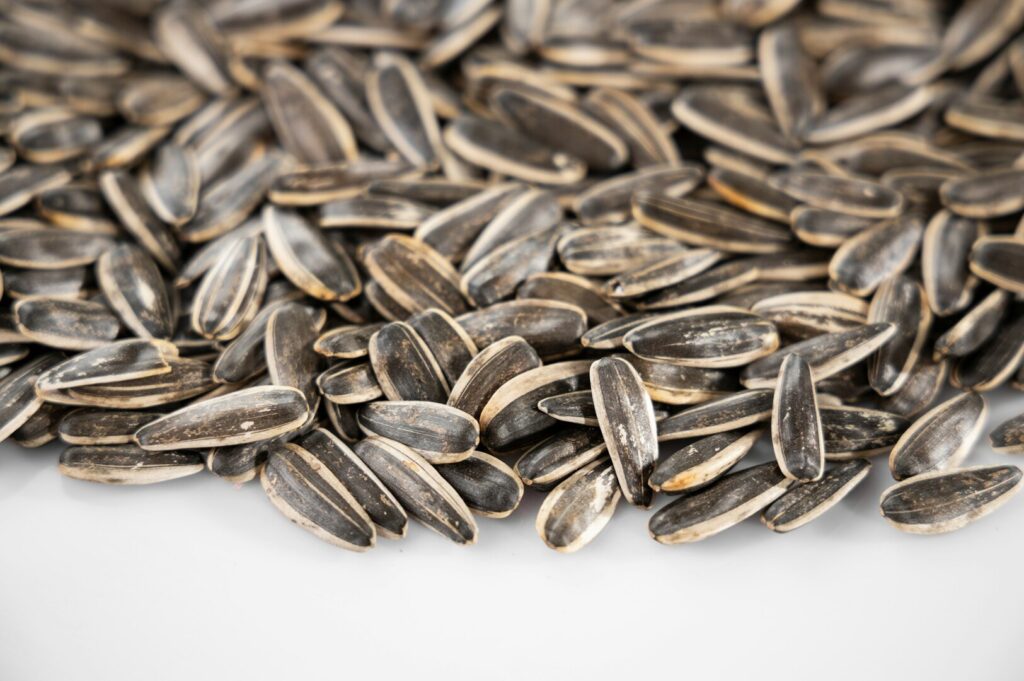
Vitamin E, encompassing tocopherols and tocotrienols, is fat-soluble and protects cell membranes from lipid peroxidation, playing a significant role in skin health and cardiovascular disease prevention. It is abundant in almonds, hazelnuts, sunflower seeds, and vegetable oils such as canola, sunflower, and peanut oil.
Carotenoids, including beta carotene and antioxidant lycopene, serve as precursors to vitamin A and protect skin and eyes. Antioxidant lycopene, a powerful antioxidant found in cooked tomatoes, is especially noted for its benefits in cancer prevention and heart health. Tomatoes are high in lycopene, which is better absorbed when cooked with fat. Carotenoids are also found in carrots, pumpkin, sweet potatoes, mangoes, spinach, and cruciferous vegetables like kailan.
Additionally, flavonoids and phenolic acids constitute a large family of antioxidant phytochemicals with anti-inflammatory properties that influence vascular function and gene expression. Green tea catechins, coffee polyphenols, dark chocolate flavanols, berry anthocyanins, red wine resveratrol, and phenolic compounds in whole grains and herbs enrich the diet with these beneficial compounds.
Singapore’s Culinary Palette: A Treasure Trove of Antioxidant Rich Foods
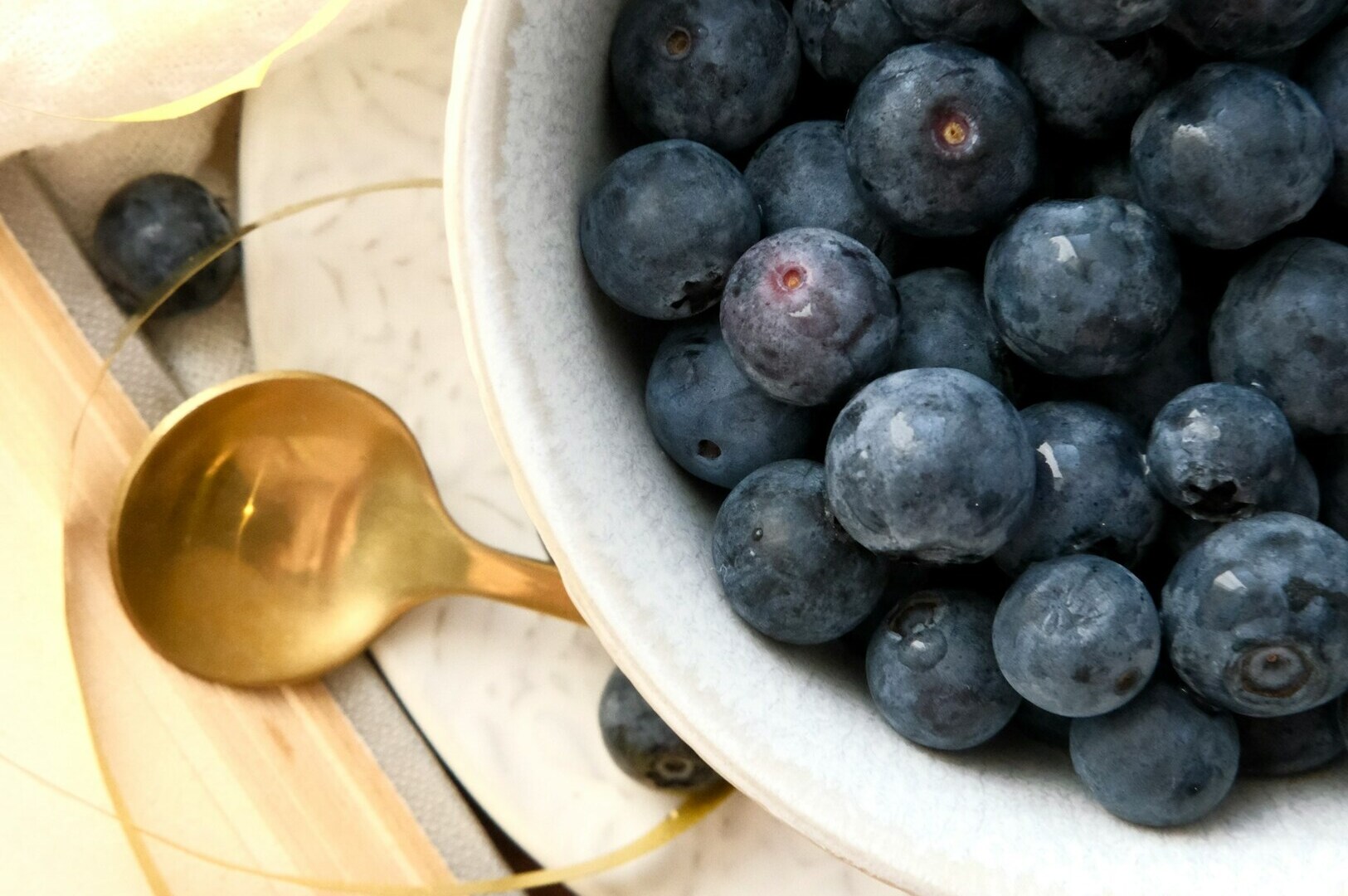
Singapore’s culinary landscape is a vibrant mosaic of antioxidant-rich foods. Berries such as blueberries, strawberries, raspberries, and blackberries boast high antioxidant capacity due to anthocyanins, compounds linked to enhanced brain function and heart disease prevention. Frozen berries offer an affordable and nutrient-dense option year-round.
Tropical fruits including papaya, dragon fruit, guava, mango, and pineapple bring a colorful array of antioxidants like vitamin C, beta carotene, and bromelain. Concentrated sources such as pomegranate juice add to the antioxidant repertoire. Fruit juices are also a source of antioxidants, though their content varies widely among different types.
Dark leafy greens and cruciferous vegetables—kang kong, chye sim, kailan, and spinach—are abundant in vitamins C, E, beta carotene, and phenolic compounds. Cooking methods such as light stir-frying or blanching preserve and even enhance their antioxidant activity.
Nuts and seeds, including almonds, walnuts, sunflower and pumpkin seeds, chia, and flaxseeds, provide vitamin E, polyphenols, and healthy fats that support cardiovascular and skin health. Nuts are a rich source of antioxidants, particularly walnuts and pecans.
Best Antioxidant Foods for Singaporeans
Building an antioxidant-rich foundation in your kitchen represents the intersection of culinary craft and nutritional wisdom, particularly essential in Singapore’s demanding urban environment. Through thoughtful ingredient selection and proper technique, home cooks can transform everyday meals into protective nutrition, methodically reducing chronic disease risk while maintaining the satisfaction that quality cooking delivers.
Nuts and seeds—almonds and sunflower seeds particularly—represent concentrated nutrition that demands proper storage and handling. Their vitamin E and healthy fat content oxidizes rapidly when exposed to heat and light, making airtight, cool storage non-negotiable. The daily incorporation technique matters: a measured handful provides optimal antioxidant benefits without overwhelming other flavors in your meal composition. Toast lightly in a dry pan to enhance their natural oils and deepen flavor complexity while maintaining their cell membrane-supporting properties and cardiovascular benefits.
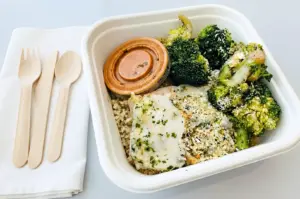
Fatty fish selection and preparation exemplify the marriage of technique and nutrition. Quality salmon, rich in omega-3 fatty acids, requires minimal intervention—gentle cooking methods that preserve its anti-inflammatory compounds while developing appealing texture and flavor. Pair this with sweet potatoes, whose vibrant orange flesh signals abundant beta carotene content. Roasting these tubers intensifies their natural sweetness while concentrating their eye health and immune-supporting antioxidants through controlled caramelization.
Navigating Singapore’s Food Scene with Antioxidant Awareness
Antioxidant-rich nutrition is accessible throughout Singapore’s diverse dining venues. At hawker centres, dishes like thunder tea rice—an assembly of rice topped with vegetables, nuts, and green tea soup—yong tau foo with leafy greens in a clear broth, and cai png featuring multiple vegetable dishes offer flavorful ways to boost antioxidant intake.
Beverage choices matter: swapping sugary drinks for green tea, traditional Chinese teas, or kopi-o kosong (black coffee without sugar) enhances antioxidant consumption, especially when paired with a slice of lemon for added vitamin C.
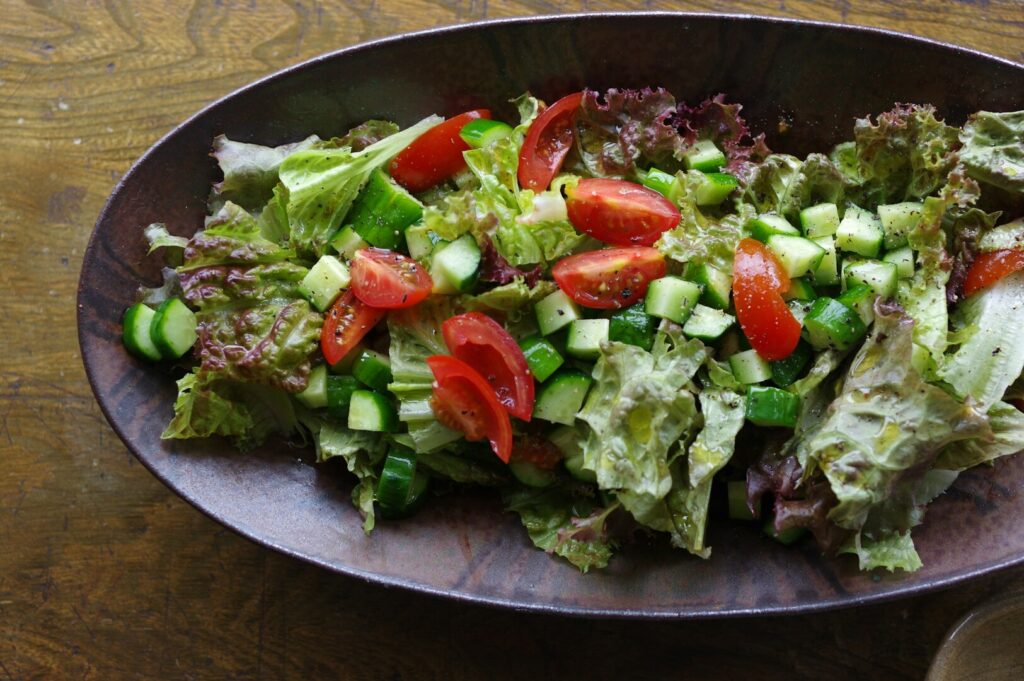
In restaurants and cafés, vibrant salads, grilled fish accompanied by tomato or herb sauces, vegetable appetizers, and desserts featuring fruits or dark chocolate provide delicious and healthful options.
At home, keeping frozen berries, pre-washed salad mixes, cherry tomatoes, mixed nuts, and tropical fruits ready enables easy incorporation of antioxidants into daily meals. Choosing convenience foods wisely—opting for nuts instead of chips, dark chocolate over candy bars, and fresh fruit or unsweetened yogurt in place of sugary desserts—can make a meaningful difference.
The Impact of Cooking on Antioxidant Preservation and Bioavailability
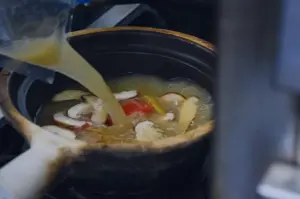
Cooking methods influence the antioxidant content and activity of foods. Water-soluble antioxidants like vitamin C are prone to loss during boiling, whereas steaming and blanching better preserve these nutrients. Consuming soups with their broth retains valuable antioxidants.
Fat-soluble antioxidants such as carotenoids and vitamin E become more bioavailable when cooked with vegetable oils like olive, canola, peanut, or sesame oil. Singapore’s culinary tradition of quick stir-frying not only preserves antioxidants but also enhances their absorption through healthy fats. Steaming is another excellent method to retain nutrients, while deep-frying should be avoided due to its detrimental effects on antioxidant content and the formation of harmful compounds.
The Truth About Antioxidant Supplements Versus Whole Foods
While antioxidant supplements are popular, evidence shows they often fail to provide the benefits associated with whole foods and can even be harmful in high doses. Large clinical trials have found no cancer prevention benefits from supplements, with some, like vitamin E, linked to increased prostate cancer risk.
Whole foods offer complex mixtures of antioxidants, fiber, and other nutrients that work synergistically to promote health. Supplements may be necessary only for diagnosed deficiencies or under medical supervision.
Research consistently suggests that antioxidants derived from whole foods have superior physiological effects compared to isolated dietary supplements. Emphasizing a colorful, varied diet rich in whole foods is the most effective strategy for sustained antioxidant intake and optimal health.
Designing a Day Rich in Antioxidants for Singaporeans
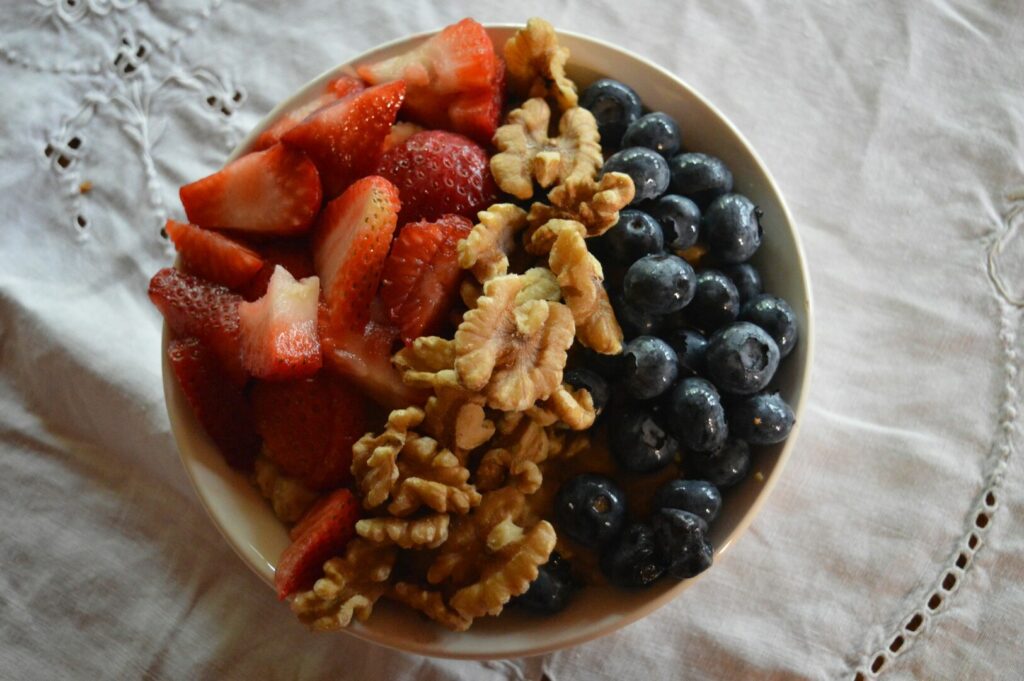
Though no official antioxidant intake guidelines exist, focusing on variety and color is essential. Breakfast might include whole grain toast with avocado and tomatoes, oatmeal topped with frozen berries, soft-boiled eggs paired with papaya, and unsweetened kopi-o or goji berries in porridge. Including leafy greens such as spinach, kale, and broccoli at breakfast or lunch provides vitamins A, C, K, lutein, and indoles—key natural compounds that contribute to the health benefits of antioxidant food.
Flexibility and enjoyment are key; small, consistent choices throughout the day accumulate to meaningful antioxidant intake, supporting better health and vitality. Regular intake of antioxidants is associated with lower risks of cardiovascular issues and certain cancers. Longitudinal data show that greater dietary antioxidant intake is associated with reduced cardiovascular and cancer risk.
The average antioxidant content of foods can vary widely due to factors like growing conditions, processing, and storage. To measure antioxidant capacity, methods such as the ferric reducing ability (FRAP) assay are used, which assess the reduction potential of antioxidants in foods.