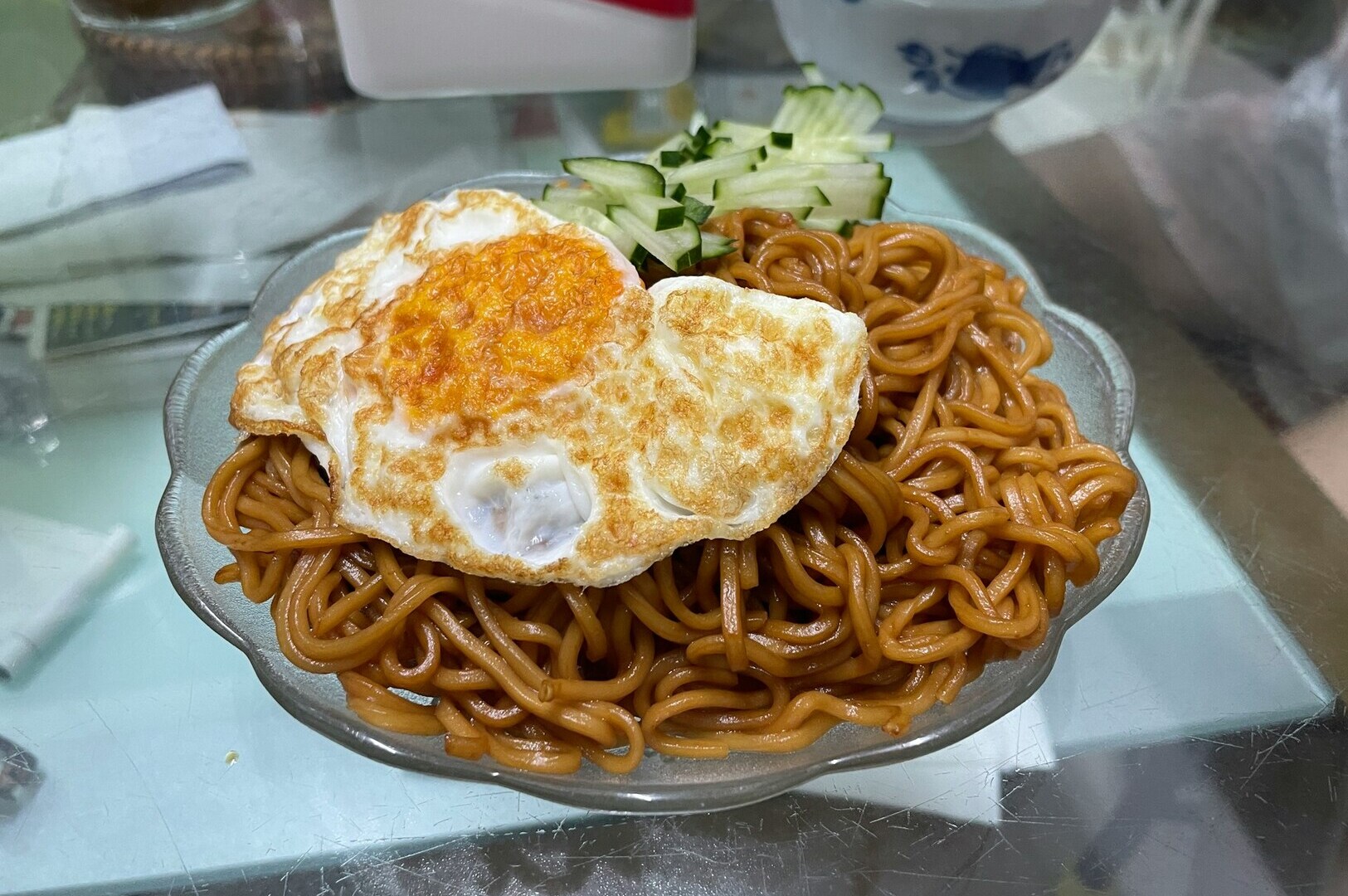
In the bustling heart of Amoy Street Food Centre, a quiet revolution is underway. The Noodle Alchemist, a humble hawker stall, is transforming one of Singapore’s most cherished dishes into a beacon of health-conscious dining without sacrificing the rich flavors that define hawker centre food.
For decades, Singapore’s hawker centres—iconic communal dining spaces also known as market food centres—have been celebrated as open air food courts where food stalls and street food vendors gather to serve a dazzling array of local foods. From the must-try Hainanese chicken rice at Maxwell Food Centre (home to the Michelin-starred Tian Tian Hainanese Chicken Rice stall) to the vibrant satay street outside Lau Pa Sat, these hawker centers pulse with the energy of Singapore’s hawker culture. Here, you’ll find everything from spicy bowls of laksa made with rice vermicelli, to crispy white carrot cake, savory char kway teow with flat rice noodles, shrimp, chinese sausage, and vegetables, as well as classic dishes like beef rendang, braised beef, duck rice, fried oysters (Orh Jian), steamed fish, and pork ribs.
Exploring Iconic Hawker Food and Flavors in Singapore
Many noodle and rice dishes are enhanced with fresh bean sprouts for crunch and flavor, and hard boiled egg is a common topping. Satay—especially chicken satay—is a popular dish consisting of skewered and grilled meat, traditionally served with peanut sauce and chilli sauce. Other favorites include roti prata (a South Indian flatbread served with curry), popiah (fresh spring roll filled with jicama and sweet sauce), chilli crab (a famous seafood dish), bak kut teh (pork rib soup), mee rebus (noodles in spicy potato-based gravy), and nasi lemak (rice cooked in coconut milk with various accompaniments). Each particular dish reflects a blend of Chinese, Malay, Indian, and Peranakan influences, and showcases the unique preparation methods and signature ingredients of Singapore’s hawker cuisine.
Traditionally, many hawker dishes are knowntheir bold flavors, for often accompanied by rich sauces like dark soy sauce and sambal chilli, fried fish, and roasted meats including bbq pork and chicken chop. Char kway teow, for example, reflects resourcefulness and culinary skill, originating as an affordable meal for working-class communities. The use of preserved vegetables in dishes like congee or popiah, and the inclusion of rice cake with its natural sweetness as a comfort food, further highlight the diversity of ingredients. Spicy bowl noodle soups, such as laksa or prawn noodles with rice vermicelli, are beloved for their warmth and depth of flavor.
But with rising awareness of wellness and nutrition, The Noodle Alchemist is pioneering a fresh take on hawker food, proving that authentic flavors from Singapore’s food stalls can be both soul-satisfying and nourishing.
The Noodle Alchemist’s Healthy Twist on a Hawker Classic
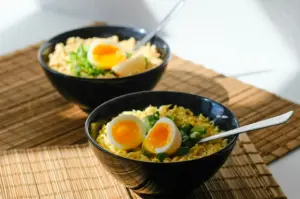
At the core of their innovation is a fresh take on bak chor mee, a Singaporean comfort food characterized by springy egg noodles and minced pork, available at all hours. The Noodle Alchemist reimagines this classic by replacing traditional yellow noodles with options like wholegrain mee pok and hand-made spinach rice noodles, significantly boosting fiber content and lowering the glycemic index. Their broth is a slow-brewed chicken and soybean concoction, simmered for hours without MSG, delivering a clean yet deeply umami-rich flavor that refreshes rather than weighs you down.
Signature dishes like the “Lean Bak Chor Mee Dry” showcase the stall’s commitment to health without compromise. Lean minced chicken replaces pork, blanched to tender perfection and tossed in a zesty, vinegar-forward sauce with reduced oil and a hint of black vinegar. Instead of the customary fried lard, the dish gains its satisfying crunch from toasted almonds and crispy baked ikan bilis, adding texture and flavor in a wholesome way. Fresh sambal chilli and a side of delicate fish cake complete this masterful balance of taste and nutrition.
Food Adventures at Singapore’s Hawker Centres
Singapore’s hawker centres like Newton Food Centre (famous for BBQ seafood and featured in Crazy Rich Asians), Tiong Bahru Food Centre (a historic and well-organized market food centre in one of Singapore’s oldest neighborhoods), and Maxwell Food Centre (one of the most famous hawker centres, located in Chinatown) are known for their many food stalls serving dishes such as hokkien mee, chicken curry, and braised pork belly. The vibrant wet markets and food courts within these centres offer everything from roti prata and Indian food at Tekka Centre to the famous chilli crab and bbq seafood at Old Airport Road Food Centre. Each food stall tells a story, from the fragrant kaya toast breakfasts to hearty bowls of mutton soup and fish head bee hoon. Chinatown Complex Food Centre, Singapore’s largest hawker centre with over 260 stalls, is home to the world’s cheapest Michelin-starred meal at Liao Fan Hong Kong Soya Sauce Chicken Rice & Noodle. Amoy Street Food Centre is popular among office workers and features several Michelin-level street food stalls, while Hong Lim Market & Food Centre boasts the most Michelin-level food stalls in one location. Lau Pa Sat is renowned for its colonial-era architecture and bustling satay street, and Tiong Bahru Market & Food Centre is a local favorite for its variety and ambiance.
Maxwell Food Centre: A Culinary Icon in Singapore's Hawker Scene
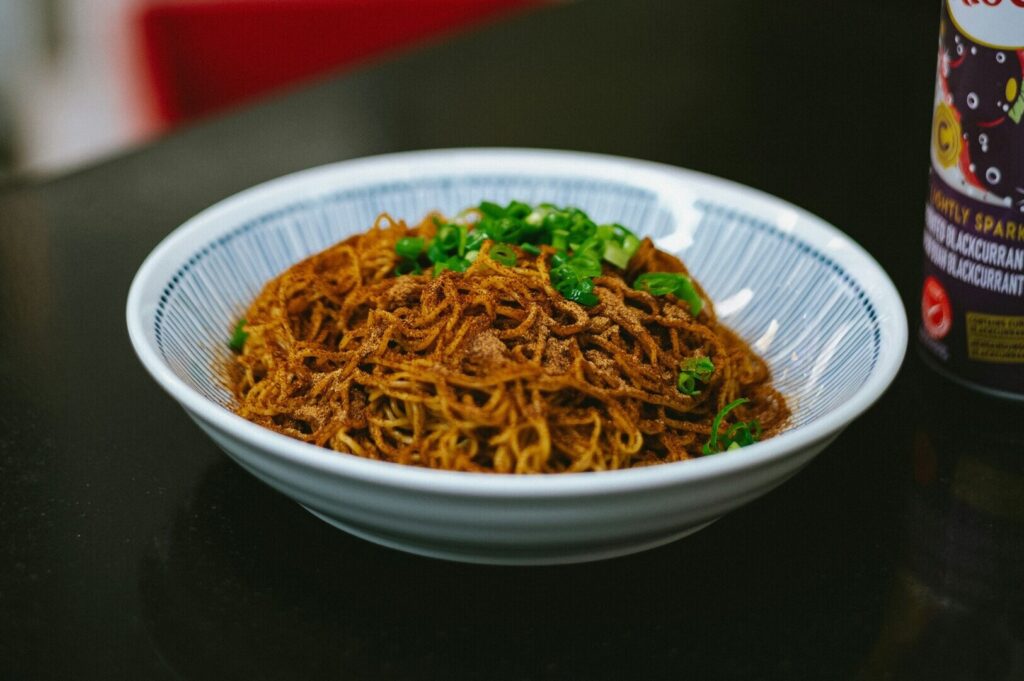
In 2024, The Noodle Alchemist is not just serving food—it is shaping the future of Singapore’s hawker culture, one healthy, delicious bowl at a time.
Maxwell Food Centre, located in the vibrant Chinatown district, is one of Singapore’s most famous and beloved hawker centres. Established decades ago, it has grown into a culinary landmark that draws both locals and tourists eager to savor authentic Singaporean flavors. With over 100 food stalls, Maxwell offers a diverse range of dishes that showcase the rich multicultural heritage of the city.
Maxwell Food Centre is also known for its lively atmosphere and communal dining experience, where patrons share tables and stories over plates of delicious hawker food. Operating from early morning until late evening, it remains a bustling hub of culinary activity, making it a must-visit destination for anyone wanting to experience the heart of Singapore’s hawker culture.Influence of Hawker Food on Pop Culture
Conclusion: Embrace the Vibrant World of Hawker Centre Food in Singapore
Singapore’s hawker centre food scene is more than just a culinary delight; it is a vibrant tapestry woven from the rich cultural heritage and dynamic food adventures of the city. From iconic dishes like Hainanese chicken rice at Maxwell Food Centre to the bustling satay street at Lau Pa Sat, every bite tells a story of tradition, innovation, and community. Whether you are savoring the savory flavors of Teochew fish porridge or indulging in the sweet and spicy notes of roti prata, the diversity and authenticity found in many hawker stalls make Singapore’s hawker centres a must-visit destination for food lovers.
In 2024 and beyond, Singapore’s hawker centres continue to evolve while preserving the soul of hawker culture, inviting both locals and visitors to partake in communal dining that celebrates the city’s multicultural identity. So dive into the rich flavors, embrace the lively atmosphere, and make your own food adventures at Singapore’s many hawker centres, where every meal is a celebration of heritage and taste.