
We have all been there. You wake up feeling stiff, maybe a little foggy, and looking in the mirror, your skin just doesn’t have that usual glow. We often brush these signals off as aging, stress, or just “one of those days.” But what if I told you these are actually whispers from your body, a gentle (or sometimes loud) SOS signaling a fire burning beneath the surface? That fire is inflammation.
For years, I treated food purely as fuel—calories in, energy out. I didn’t realize that every forkful was actually a biochemical message instructing my cells how to behave. When I finally cracked the code on anti inflammatory foods and embraced an anti inflammatory diet, it wasn’t just a diet change; it was like someone turned the lights on in a dim room. The joint aches vanished, my energy stabilized, and my mood lifted.
In the following sections, you’ll find a contents inflammation overview: we’ll explore what causes inflammation, how it impacts your health, and how your dietary choices can help manage it.
Understanding Chronic Inflammation: The Fire Within
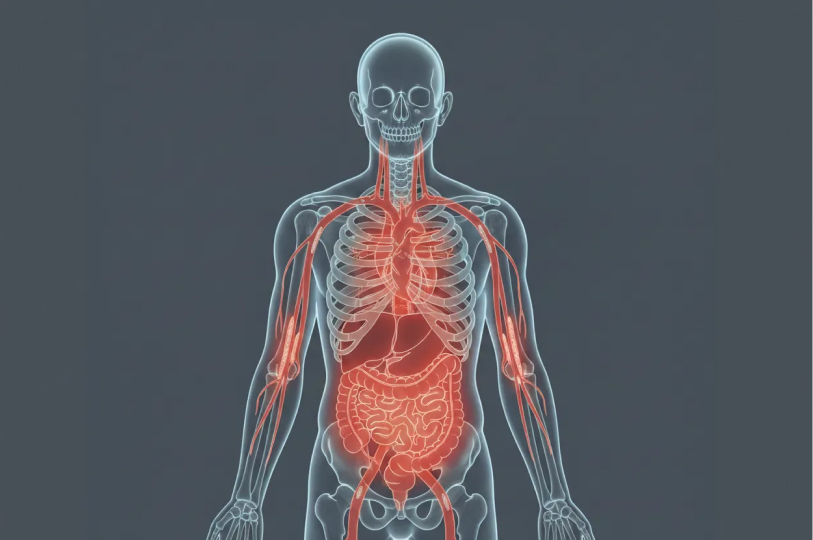
The villain in our story is chronic inflammation. This happens when the immune system gets confused and stays in “attack mode” indefinitely. When inflammation persists, it can lead to ongoing tissue damage and is associated with a range of diseases. Instead of healing a cut, it starts attacking healthy tissues, arteries, and organs. Chronic inflammation can damage the body and contribute to plaque buildup in the arteries. It is a slow, silent burn linked to almost every modern chronic disease, from heart disease and diabetes to arthritis and even Alzheimer’s disease.
The Food Connection: How Inflammatory Foods Trigger Inflammation
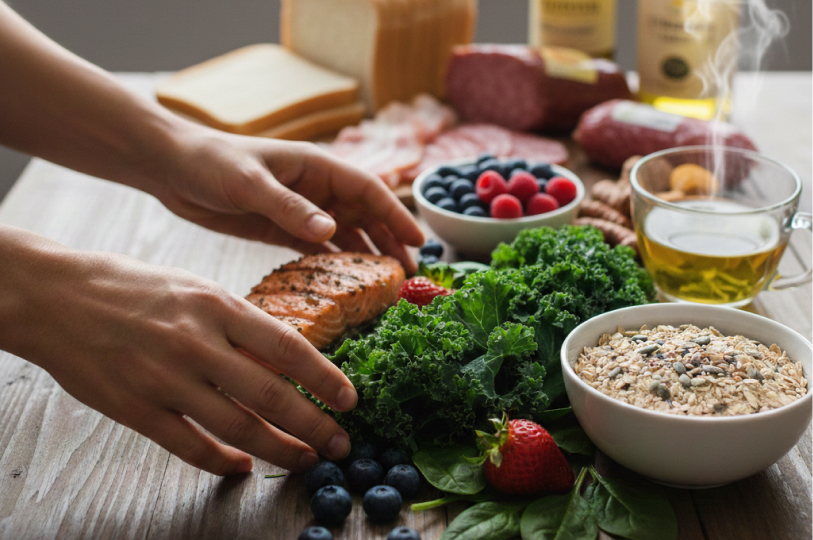
Here is the fascinating part: what you eat directly controls the “on” and “off” switches for this process. Certain compounds in processed foods, such as trans fats, refined carbohydrates, added sugar, and unhealthy fats found in fried foods and processed meats like hot dogs and deli meats, trigger inflammation by activating inflammatory proteins and raising inflammation markers like C reactive protein (CRP).
Regularly consuming these foods is associated with an increased risk of developing chronic diseases such as type 2 diabetes, heart disease, and cancer. Conversely, specific anti inflammatory nutrients in whole foods release anti inflammatory compounds that help combat inflammation and soothe the immune system.
The Villains: Inflammatory Foods to Avoid

To extinguish a fire, the first step is to stop throwing gasoline on it. We live in a food environment that is inherently inflammatory, but with a little savvy, we can navigate around the troublemakers.
The Sugar Trap
Sugar is the arch-nemesis of an anti inflammatory diet. When you consume high amounts of refined sugar or high-fructose corn syrup, your insulin spikes, triggering an immediate inflammatory cascade and raising blood pressure.
The Swap: I used to be addicted to flavored lattes. Swapping that sugary syrup for a sprinkle of cinnamon (which actually helps stabilize blood sugar!) was a game-changer. Cinnamon adds warmth and flavor without the inflammatory aftermath.
Refined Carbohydrates and White Bread
White bread, pastries, and white pasta have been stripped of their fiber. Without fiber to slow down digestion, they hit your bloodstream just like sugar, contributing to weight gain and excess inflammation.
The Reality Check: You don’t have to give up carbs forever, but upgrading to whole grains like brown rice or alternative flours is crucial for a healthy diet.
Industrial Seed Oils and Unhealthy Fats
This is the sneaky one. Vegetable oils like soybean, corn, and cottonseed oil are incredibly high in Omega-6 fatty acids. While we need some Omega-6s, the modern diet provides way too much, throwing off the delicate balance with anti-inflammatory Omega-3s and increasing the risk of heart disease.
Kitchen Audit: Check your pantry. If you are cooking with generic “vegetable oil,” toss it. It is likely highly processed and oxidized, containing unhealthy fats that trigger inflammation.
Processed Meats and Red Meat
Hot dogs, sausages, and deli meats are often preserved with nitrates and high levels of sodium, both of which are linked to inflammation. Excess consumption of red meat also raises inflammatory markers.
Better Choice: If you crave savory meat, opt for fresh, grass-fed cuts or roast your own turkey breast for sandwiches.
The Heroes: Anti Inflammatory Foods That Reduce Inflammation

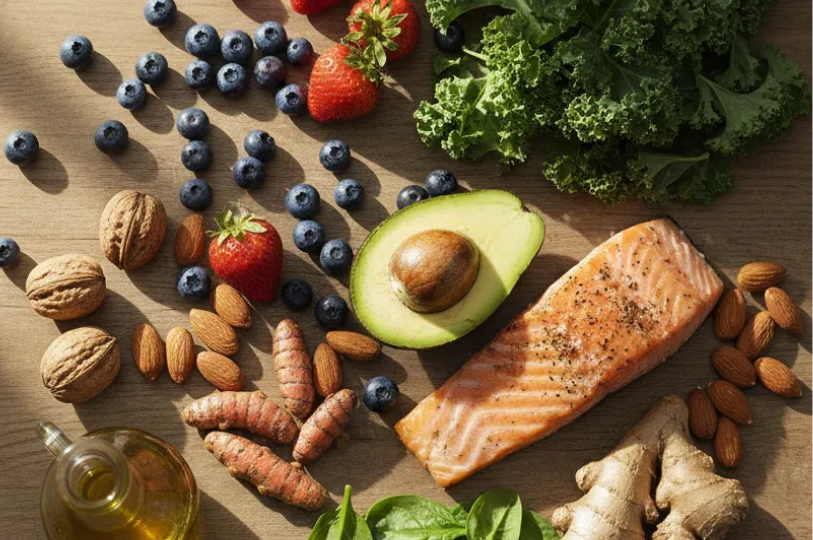
Now for the exciting part! Filling your plate with anti inflammatory foods is an adventure in color, texture, and flavor. These ingredients are packed with antioxidants, polyphenols, and healthy fats that actively calm your immune system.
Fatty Fish: The Omega-3 Powerhouse
If there were a king of anti inflammatory foods, it would be fatty fish. Salmon, mackerel, sardines, and anchovies are loaded with EPA and docosahexaenoic acid, two potent Omega-3 fatty acids. These compounds have powerful anti inflammatory effects by stopping the production of substances that cause inflammation.
Pro Tip: I aim for “smash” fish (Salmon, Mackerel, Anchovies, Sardines, Herring) twice a week. Canned wild-caught salmon is an affordable, pantry-friendly way to get this superfood into your lunch salad.
Berries: Tiny but Mighty
Blueberries, strawberries, raspberries, and blackberries get their vibrant colors from anthocyanins, a powerful anti inflammatory compound. These antioxidants scavenge free radicals and reduce inflammation. Cherries are also rich in antioxidants, such as anthocyanins, which can reduce inflammation.
Snack Attack: Instead of reaching for a cookie, have a bowl of mixed berries. They are nature’s candy, bursting with sweetness and healing properties. Tart cherry juice has been shown in studies to lower inflammatory markers like CRP and may be beneficial for recovery after exercise or in chronic conditions.
Leafy Greens and Cruciferous Vegetables: The Daily Detox
Spinach, kale, collard greens, Swiss chard, broccoli, Brussels sprouts, and other cruciferous vegetables are packed with vitamin C, vitamin E, and antioxidants like sulforaphane that protect the body from inflammatory proteins and help maintain healthy endothelial cells lining the arteries.
Make it Taste Good: Let’s be honest, plain raw kale can be tough. Massaging it with extra virgin olive oil and lemon juice breaks down the fibers and makes it tender and delicious.
Turmeric and Ginger: The Dynamic Duo
These spices have been used in Ayurvedic medicine for centuries, and modern science backs them up. Turmeric’s anti-inflammatory and antioxidant properties may help prevent or reduce the risk of various health conditions, such as diabetes and arthritis. Curcumin, the active compound in turmeric, is a powerful anti inflammatory compound. Specific compounds like curcumin in turmeric block enzymes that activate inflammation genes. Ginger helps reduce inflammation in the gut.
Golden Milk: My favorite evening ritual is a cup of “golden milk”—warm almond milk whisked with turmeric, ginger, black pepper (essential for absorption!), and a touch of honey. It is soothing and healing all at once.
Extra Virgin Olive Oil: Liquid Gold
The foundation of the Mediterranean diet, extra virgin olive oil contains oleocanthal, an antioxidant with anti inflammatory properties comparable to ibuprofen. Extra virgin olive oil is also rich in monounsaturated fats, which can help lower inflammation markers.
Cold is Gold: Use high-quality olive oil for drizzling over salads or veggies after cooking to preserve its delicate compounds and anti inflammatory effects.
Green Tea: More Than Just a Beverage
Green tea is rich in epigallocatechin gallate (EGCG), a compound with anti inflammatory effects that helps fight inflammation and supports overall health.
Daily Ritual: Enjoy two cups daily to help reduce inflammation markers and protect against chronic conditions like heart disease and Alzheimer’s disease.
Dark Chocolate: The Sweet Anti-Inflammatory Treat
Dark chocolate, especially varieties with 70% or higher cocoa content, contains flavonoids that have powerful anti inflammatory effects. These antioxidants help protect endothelial cells and reduce inflammation markers.
Moderation is Key: Enjoy a small piece as a treat to reap the anti inflammatory benefits without excess added sugar.
The Gut-Brain Axis: Beneficial Bacteria and Immune Health
We cannot talk about anti inflammatory eating without mentioning the gut. Your microbiome—the trillions of beneficial bacteria in your digestive tract—plays a massive role in regulating your immune system.
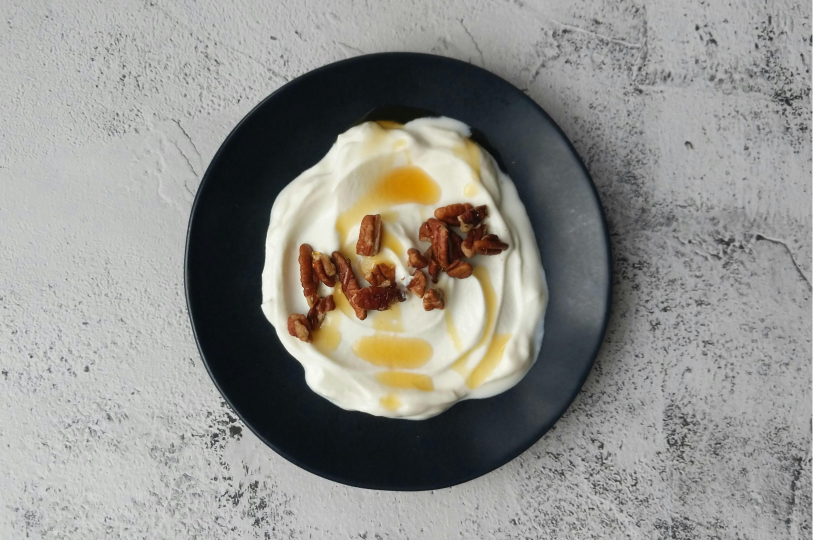
Eating highly processed foods feeds “bad” bacteria, leading to dysbiosis and a leaky gut, which allows toxins into the bloodstream, causing systemic inflammation. Fermented foods like kimchi, sauerkraut, yogurt, and kefir introduce probiotics that produce short-chain fatty acids to heal the gut lining and reduce inflammation.
Real Life Scenario: I used to suffer from afternoon bloating. Incorporating just one spoonful of sauerkraut into my lunch acted like a reset button. Over a few weeks, my digestion calmed, and my skin cleared up too.
Overcoming Challenges and Setbacks on Your Anti-Inflammatory Journey
Embarking on an anti-inflammatory eating adventure feels like discovering a hidden culinary treasure map—one that promises to unlock vibrant health, though the journey isn’t always as smooth as a perfectly aged olive oil. Even the most passionate food explorers and wellness wanderers find themselves navigating unexpected detours. Picture this: you’re at a family feast where the aroma of deep-fried temptations fills the air, or you’re caught in the whirlwind of a demanding week where convenience beckons louder than conscience. These moments of stumbling? They’re as natural as the rhythm of seasons changing, woven into every authentic food journey I’ve witnessed across continents.
The most formidable opponent on this path is dancing around those inflammatory culprits that can spark internal fires and elevate your risk of unwelcome guests like heart disease and arthritis. I’ve watched countless food lovers succumb to the siren call of golden fried delights, pillowy white bread, or those seductive snacks swimming in trans fats and sweet surrender—especially when life’s tempo accelerates beyond comfort. Here’s what I’ve discovered works like magic:
Lifestyle Synergy: It's Not Just Food

While diet is the biggest lever we can pull, chronic stress and lack of sleep are major pro-inflammatory triggers. You could eat all the kale in the world, but if you are sleeping four hours a night and living in a state of high anxiety, your body will still be on fire.
Think of anti inflammatory eating as the foundation. On top of that, build a house of good sleep hygiene, moderate exercise (which reduces inflammation!), and stress management techniques like deep breathing or meditation. It is a holistic ecosystem.
Conclusion: Reclaiming Your Vitality
The journey to an anti inflammatory lifestyle is one of the most rewarding things you can do for yourself. It is not about perfection. It is about progress. It is about choosing the apple over the chips 80% of the time. It is about listening to your body when it whispers, so you don’t have to deal with it when it screams.
For more insights on healthy educational food, explore our healthyfoodguide.com.sg
Every time you choose a piece of salmon, a handful of spinach, or a sprinkle of turmeric, you are casting a vote for the kind of body you want to live in. You are telling your cells that they are safe, nourished, and supported.