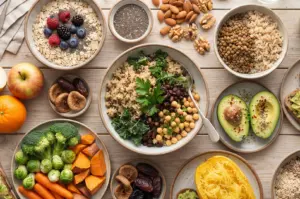
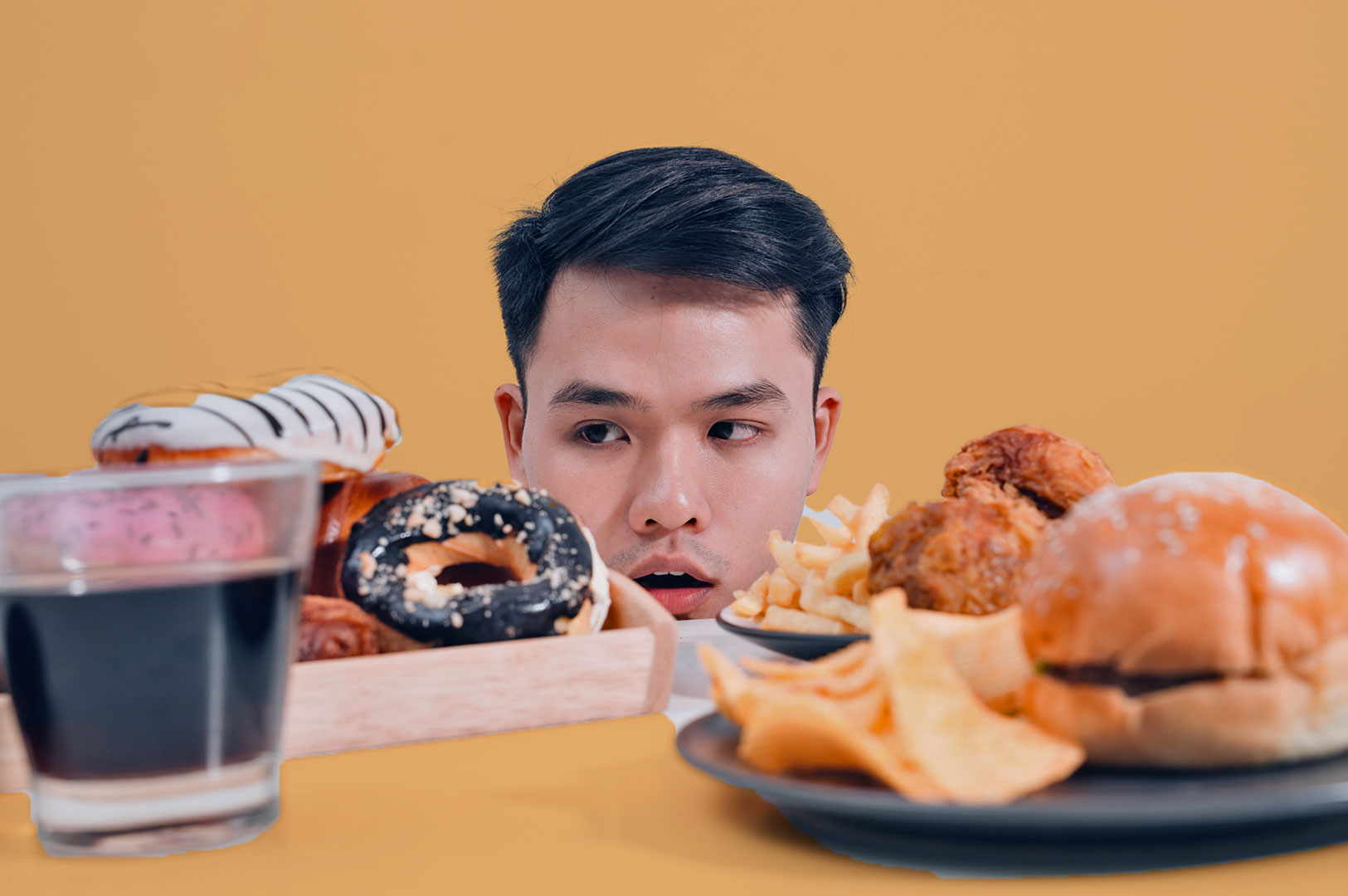
It is 3:00 PM on a rainy Tuesday afternoon in Singapore. I’ve had a sensible lunch of Yong Tau Foo, maybe choosing the clear soup and extra vegetables because I’m feeling motivated about my health. But as the afternoon slump hits and the grey clouds gather outside my office window, a thought sneaks in. It starts as a whisper and quickly grows into a shout. I need bubble tea. Specifically, I crave that cold, milky sweetness with the chewy pearls. Or perhaps my mind drifts to the curry puff stall near the MRT station, the flaky pastry calling my name.
I know I’m not alone. We all experience food cravings as an intense desire for a particular food, a universal human experience. For years, I believed these cravings were a sign of weakness or a lack of willpower. I’d grit my teeth, drink a glass of water, and try to ignore the siren song of the pantry. But what if I told you that these cravings aren’t a character flaw? What if they’re actually sophisticated messages from my biology, a complex interplay of neurons, hormones, and evolutionary survival mechanisms influenced by biological and cultural influences?
Understanding the science behind why my food cravings emerge is the first step to reclaiming control. It’s not about fighting my body; it’s about learning its language so I can respond with nourishment rather than restriction.
The Neurology of Food Cravings: Food Craving Activation and Reward Related Brain Areas
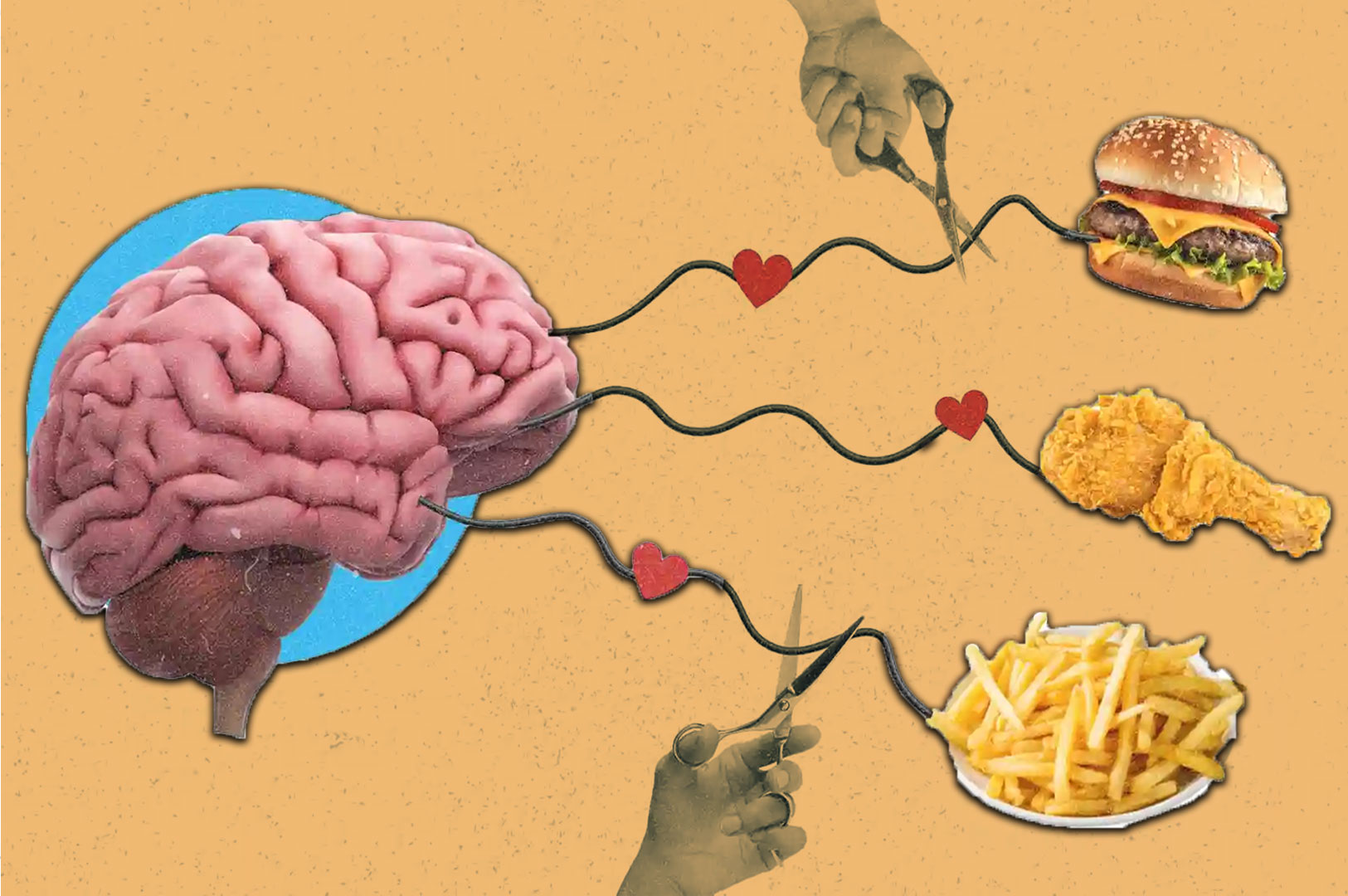
To understand cravings, we must look at the brain’s reward system. When we eat energy dense foods high in sugar, fat, or salt, our brains release dopamine. This is the “feel-good” neurotransmitter associated with pleasure and food reward. In our ancestral past, high-calorie foods were rare and essential for survival. Your brain evolved to reward you for finding them, creating a powerful memory that says, “That was great! Do it again.” This food craving activation motivates food seeking and eating behaviors. Food cravings are often linked to the consumption of energy-dense foods, such as chocolate, which is the most frequently craved food.
This ancient survival mechanism, however, is mismatched with our modern food environment in Singapore and beyond, where hyperpalatable foods engineered to hit that “bliss point” abound. When you are stressed or tired, your brain seeks a quick dopamine hit to make you feel better. That urge for chocolate versions or salty foods like potato chips is your brain trying to self-soothe using the most effective tool it knows: food.
Hormonal Changes: The Hormone Hustle Behind Food Cravings
Beyond the brain, two key hormones run the show: ghrelin and leptin. Ghrelin is the “hunger hormone” released by your stomach when it is empty, signaling your brain to eat. Leptin is the “satiety hormone” released by fat cells to tell your brain you have had enough energy.
In a perfectly balanced system, these hormones work in harmony. But factors like chronic stress, inadequate sleep, and highly processed diets can disrupt this communication, making hormonal mechanisms involved in cravings more complex. Resistance to leptin, for example, means your brain doesn’t receive the “I’m full” signal, leaving you feeling hungry even after a meal. This hormonal confusion often manifests as a relentless craving for high calorie foods, junk foods, or other addictive substances.
My Personal Experience:
I remember a time when I was juggling a demanding work schedule and struggling with sleep deprivation. Despite eating regular meals, I found myself constantly craving sugary snacks and salty foods late at night. It wasn’t just hunger, it felt like my body was signaling for something more, a quick fix to combat fatigue and stress.
Learning about the roles of ghrelin and leptin helped me understand why these cravings were so persistent. By improving my sleep habits and managing stress better, I gradually noticed these cravings diminish, proving how powerful hormonal balance can be in managing food cravings.
Food Deprivation and Emotional Eating: Triggers of Unhealthy Food Cravings

One common misconception is that food deprivation helps reduce cravings. However, selective food deprivation often leads to more food cravings, especially for the avoided unhealthy food or specific foods like chocolate, potato chips, or fast food. This can trigger binge eating episodes and unhealthy eating habits.
Emotional eating is another powerful trigger. When people eat to cope with feelings like boredom, stress, or loneliness, cravings for comfort foods and savory foods increase. This cycle can contribute to weight gain and disrupt healthy eating patterns.
Blood Sugar, Energy Deficit, and Hormonal Fluctuations: Why You Crave What You Crave
In Singapore and many other cultures, dietary monotony based on refined carbohydrates like white rice and noodles can cause blood sugar rollercoasters. When blood sugar crashes, the brain signals an energy deficit, leading to cravings for quick energy sources such as sugary snacks or savory foods. The desire to eat high-calorie foods increases throughout the day, while craving for fruits decreases—a pattern often described as “fruits decreases” in the context of daily food cravings.
Hormonal fluctuations, especially in women during the menstrual cycle, can cause strong cravings, including perimenstrual chocolate craving. Women crave unusual or typically craved foods during these times, influenced by both biological and cultural influences. It’s important to note that cravings are temporary and tend to peak and then fade within minutes if not acted upon.
Health Consequences of Food Cravings: The Impact on Body and Mind

Imagine walking past a bakery and being drawn in by the warm, buttery aroma, disrupting your healthy lunch plans. These moments, when cravings take over, can reshape our relationship with food and lead to weight gain, unhealthy eating habits, and sometimes binge eating. Foods like chocolate, potato chips, and fast food light up our brain’s pleasure centers, creating memories that drive repeated food intake.
Cravings also reflect cultural influences, what comforts an American differs from what appeals to a Spaniard, and even sushi cravings reveal cultural backgrounds. Sometimes, cravings signal biological needs; for example, iron deficiency may cause strong cravings for red meat. Embracing meals rich in protein and fiber helps regulate appetite, reducing food cravings and promoting better weight management.
My Tip: When I feel a craving creeping up, I try to pause and take a few deep breaths, then distract myself with a quick walk or a glass of water. This simple pause often helps the craving pass without giving in, making it easier to stick to my healthy eating goals.
Reduce Cravings: Natural Strategies for Managing Cravings and Weight Management

The goal of managing cravings isn’t to never eat a cookie again but to reduce cravings and suppress appetite healthily. In my experience, embracing this balanced approach has made all the difference. Instead of battling cravings with strict denial, I’ve learned to listen to my body’s signals and respond with nourishing choices that satisfy without overindulging. This mindset shift not only reduces the power cravings hold over me but also fosters a healthier, more sustainable relationship with food.
Prioritize Nutritionally Balanced Meals with Protein and Fiber
To put this into practice, plan your meals ahead by incorporating a portion of lean protein such as chicken, tofu, or fish, alongside fiber-rich vegetables or whole grains. This combination will help keep you fuller for longer and curb sudden cravings throughout the day.
The Power of the Pause: Mindful Eating to Combat Cravings
When a craving strikes, try the “15-minute rule.” Tell yourself you can have the craved food, but you must wait 15 minutes. During that time, drink water, stretch, or engage in a distraction. Mindful eating helps you become aware of your desire to eat and recognize when the craving diminishes.
Manage Chronic Stress Without Food
Since chronic stress ramps up cortisol, which cranks up cravings for sugary and fatty foods, it’s super helpful to build some non-food coping tricks into your routine, things like deep breathing, going for a walk, or catching up with friends. Plus, stress-busting activities like mindfulness meditation, yoga, or diving into a hobby can actually lower those cortisol levels and dial down the intensity of your cravings.
Stress doesn’t just mess with your hormones; it can also cloud your judgment, making it tougher to say no to those tempting unhealthy snacks. So, weaving regular stress management into your daily life is a game-changer for keeping cravings in check and feeling your best overall.
Food Cravings Questionnaires and Future Research: Understanding Eating Behaviors Across Ages and Cultures
Food cravings questionnaires help researchers understand how food cravings vary across young and elderly adults and cultural differences, such as between American and Spanish individuals. Research studies have also used approaches like a liquid diet to study food cravings and eating behaviors, showing that such diets can influence cravings and highlight psychological factors beyond nutrient deficiencies.
Future research continues to explore the complex interplay of nutritional deficiencies, energy balance, hormonal changes, and cultural influences on food liking and cravings. Setting a daily calorie quota and keeping a food journal can help manage food cravings. Allowing yourself to eat the foods you crave in moderation can help reduce feelings of guilt associated with cravings.
Conclusion: Empowerment Through Understanding Food Cravings

The next time a craving hits, don’t judge yourself. Instead, get curious about what your body and mind are signaling. Are you experiencing hunger pangs, an energy deficit, or emotional eating triggers? By understanding the science behind food cravings and unhealthy eating habits, you can reduce cravings, make healthier eating choices, and improve your weight management journey.
You have the tools to navigate this landscape. Whether it is prioritizing sleep, balancing your plate with protein and fiber, or taking a mindful pause, these natural strategies empower you to live a vibrant, healthy life in food-loving Singapore and beyond.
Ready to dive deeper into nutrition and wellness? Explore more resources and expert articles on healthyfoodguide.com.sg to continue your journey toward a healthier, happier you.