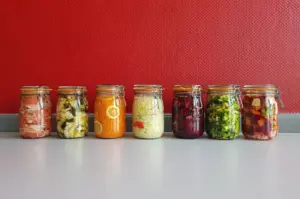
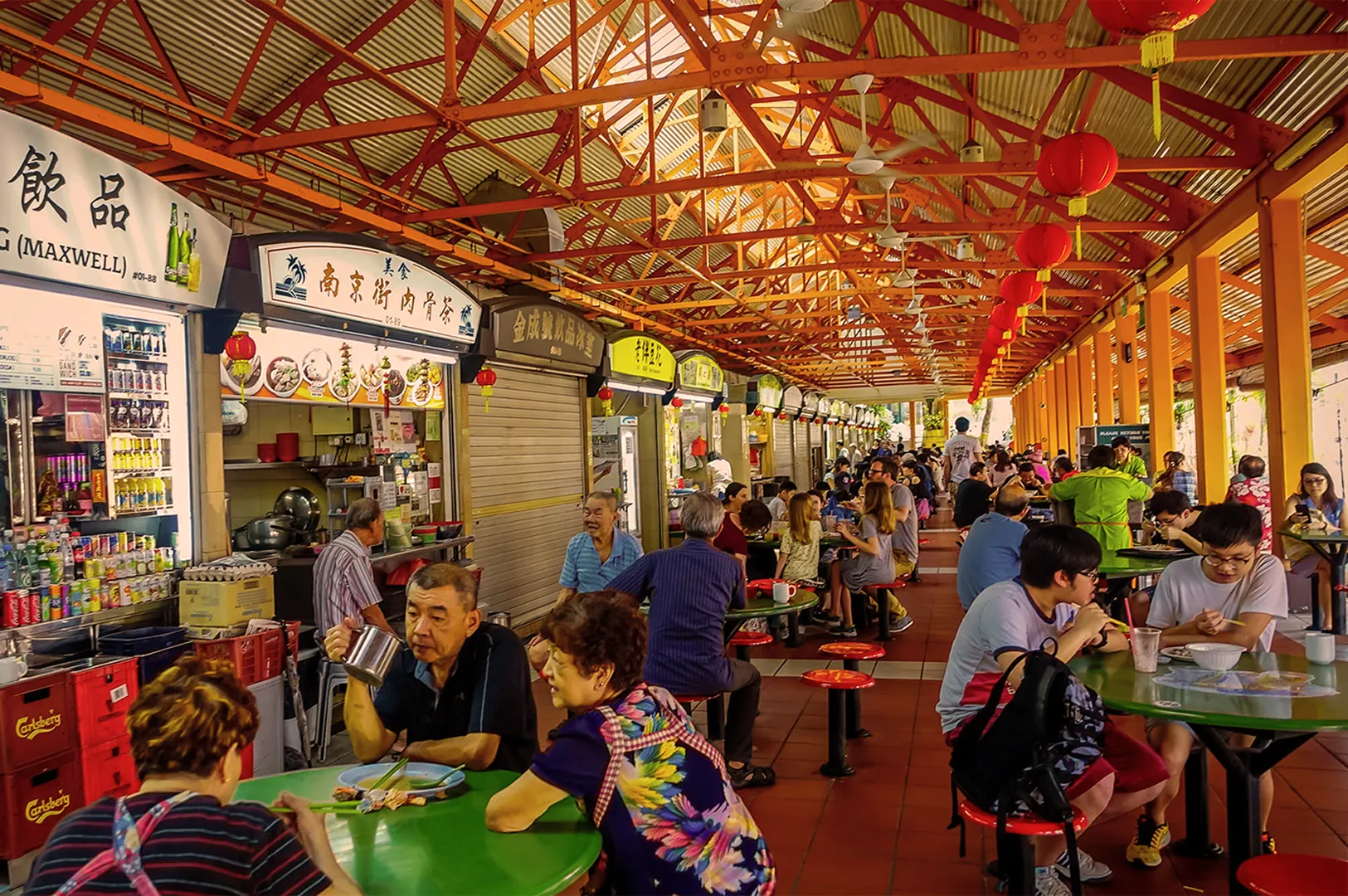
I’m witnessing a profound and beautiful transformation in how we think about our meals. For decades, the wellness conversation revolved strictly around restriction. We counted calories, measured macros, and slapped the label of “good” or “bad” on everything we consumed. But now, a quiet revolution is happening across dining tables and restaurant kitchens, including hawker centres and food courts, where sustainable and delicious food is taking center stage.
Food courts are modern, centralized dining spaces offering a variety of local and international dishes, making them convenient and accessible for everyone. I feel we are finally graduating from basic, restrictive diets and embracing conscious dining as a vibrant lifestyle philosophy deeply connected to food culture and sustainability.
Decoding the True Meaning of Conscious Dining in Singapore Food Culture and Hawker Culture
To understand conscious dining, I look at the psychology driving our choices. I know people are exhausted by the endless cycle of fad diets. I’ve realized that viewing food purely as fuel strips away the immense joy and cultural significance of eating, especially in places like hawker centres and food centres such as Maxwell Food Centre, Newton Food Centre, and Airport Road Food Centre, where hawker stalls serve national dishes like char kway teow and bak chor mee.
Hawker centres in Singapore offer a wide variety of affordable local dishes, typically ranging from SGD$2 to $5. Moving beyond basic “healthy eating” labels allows me to build a relationship with food based on abundance rather than deprivation.
Conscious dining means bringing a heightened state of awareness to my meals. It is the practice of aligning my food choices with my personal values, my bodily needs, and the well-being of the planet, supporting sustainable development and economic growth that respects environmental limits. When I practice mindful eating, I tune into how different ingredients make me feel. I stop rushing through lunch while staring at a screen or while commuting on public transport.
Instead, I create space to genuinely appreciate the nourishment in front of me, whether it’s a traditional Singaporean breakfast of kaya toast with condensed milk and evaporated milk, soft or hard boiled eggs, and Singapore coffee or a plate of stir fried flat rice noodles with sambal sauce and dried shrimp. This psychological shift removes the guilt so often associated with food and replaces it with profound gratitude.
The Power of Transparency and Ethical Choices in Singapore’s Hawker Centres and Food Courts
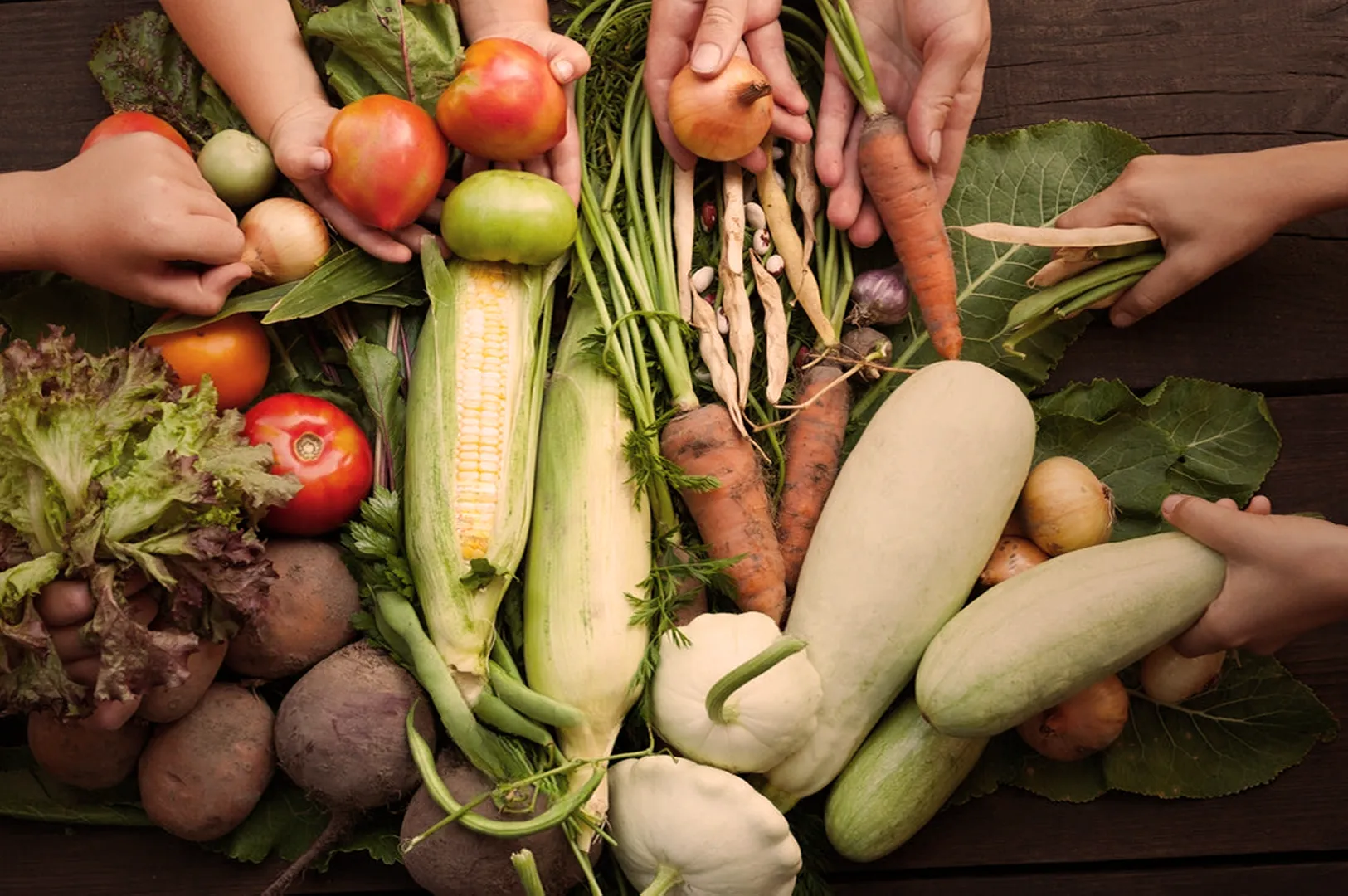
As my mindset shifts, so do my priorities. Transparency in food sourcing has become non-negotiable for me. I want to know exactly where my vegetables were grown, how my seafood was caught, and who harvested my grains. This thirst for knowledge is the heartbeat of a truly sustainable food culture and hawker culture in Singapore.
The history of hawker centres can be traced back to street vendors in the mid-19th century, who sold a variety of foods to the local population. Today, modern hawker centres typically feature dozens of stalls, each specializing in different dishes, making them central to Singapore’s food culture. Hawker culture also plays an important role in maintaining the social fabric of Singapore, supported by community organizations and NGOs.
When I care about sourcing, ethical dining naturally follows. I start recognizing the deep intersection of environmental awareness, animal welfare, and personal wellness. Choosing locally sourced, pesticide-free produce does not just provide me with more vital nutrients. It also supports local farmers and significantly reduces the carbon footprint of my meals. Every time I choose to spend my money on thoughtfully sourced ingredients, such as grilled meat served with satay sauce or freshly caught seafood like chilli crab and oyster omelette wrapped in banana leaf, I cast a vote for a healthier planet and a more equitable food system. I realize that true wellness cannot exist in a vacuum; human health is intimately connected to environmental health.
Restaurant Innovations Shaping a New Era of Sustainable and Delicious Food in Singapore
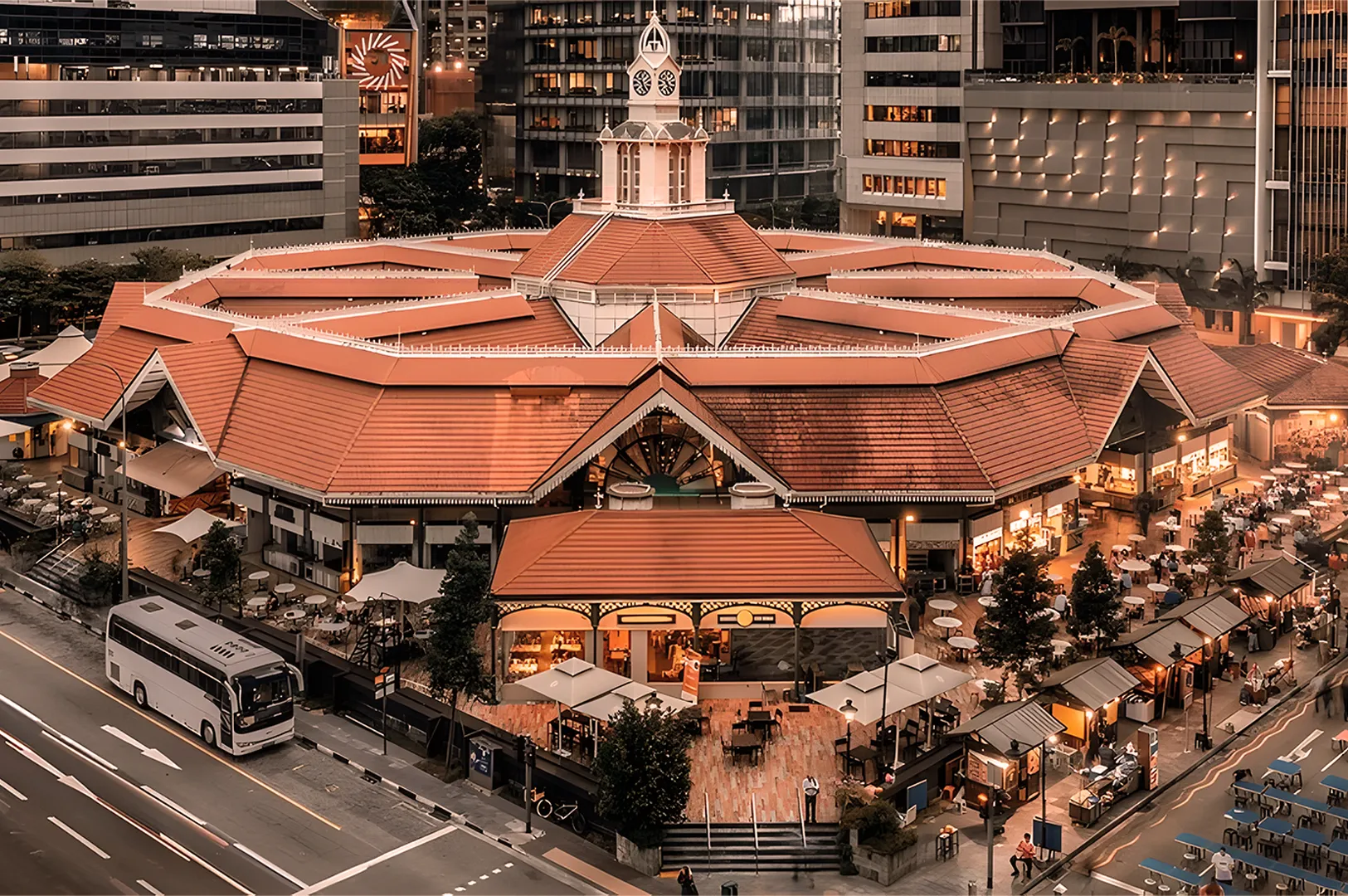
The culinary industry is responding to this cultural shift with incredible creativity. Restaurants and hawker stalls are rewriting the rulebook, proving that ethical dining can be an absolute masterpiece of flavor. Chefs are building entire menus around seasonal harvests, championing ugly vegetables to fight food waste, and proudly displaying the names of local farms on their menus in food centres like Lau Pa Sat and Telok Ayer Market.
Many Singaporean dishes are adaptations of recipes brought by early immigrants, tailored to local tastes and available ingredients. The diversity of Singaporean cuisine is reflected in the wide range of offerings, including other dishes from both North India and South India, as well as Peranakan specialties. Peranakan cuisine, for example, highlights the multicultural roots of Singaporean food, with distinctive dishes such as ayam buah keluak, a traditional Nyonya dish combining chicken and buah keluak nuts in a rich tamarind sauce.
I’m seeing a massive surge in establishments that prioritize both environmental sustainability and dietary inclusivity. For instance, exploring the principles of elevating clean cuisine and conscious dining at the best halal restaurants showcases exactly how diverse culinary traditions are brilliantly adopting these values. These kitchens are proving that you can honor strict dietary laws while simultaneously championing organic farming, ethical meat sourcing, and zero-waste cooking techniques. This kind of innovation transforms a simple meal out into an educational and deeply inspiring experience.
The Joy of Flavor in Mindful Eating: From Kaya Toast to Char Kway Teow
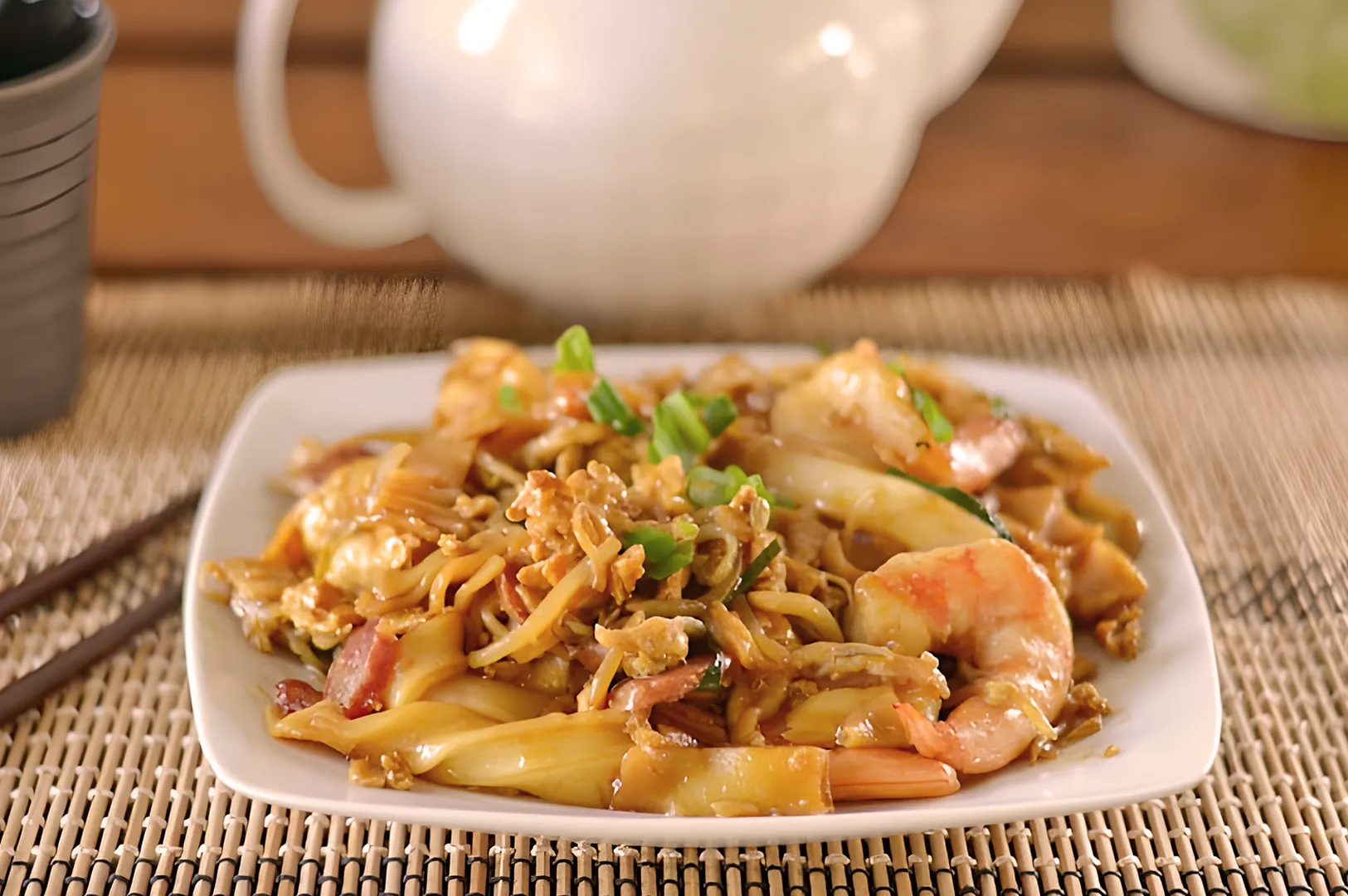
Whether I’m enjoying a typical Singaporean breakfast of kaya toast made with coconut jam and butter on toast, paired with a cup of kopi c or kopi o, just two of the many other variations of Singapore coffee, each offering unique flavors, or indulging in national dishes like Hainanese chicken rice served with chilli paste and chilli sauce, or the beloved carrot cake.
The black version of carrot cake is stir-fried with sweet dark soy sauce, while the white version omits it. Char kway teow is another iconic stir-fried rice noodle dish that includes prawns, Chinese sausage, and bean sprouts, with the black version also featuring sweet dark soy sauce for added depth. Laksa is a popular dish with spicy coconut milk broth and rice noodles, while Hokkien prawn mee is often enhanced with a squeeze of lime juice to elevate its flavor. Many noodle dishes are served dry, meaning the noodles are not in broth and the soup is served on the side, emphasizing texture and taste.
Chilli crab is a must-try dish in Singapore, known for its thick and savory sauce. Bak kut teh, or ‘meat bone tea’, is a pork rib dish served in a flavorful broth, traditionally accompanied by white rice. Satay skewers are best enjoyed with a generous dip in peanut sauce. Sambal stingray features stingray fillet covered in sambal sauce and grilled on a banana leaf, while roti prata is a popular Indian-influenced flatbread often served with curry. Durian, the ‘King of Fruits’, is famous for its strong odor and unique taste.
Experiencing these dishes at bustling hawker stalls, often marked by a long queue, a sure sign of popularity and quality, is part of my authentic Singaporean food adventure. Smith Street in Chinatown stands out as a vibrant food hotspot, renowned for its diverse street food scene and iconic establishments. Every bite is a celebration of Singapore food culture’s rich heritage and diverse influences from Malay influences and Southeast Asia.
Food and Transport: How Accessibility Shapes Conscious Dining in Singapore
Picture this: I’m standing in Singapore’s gleaming MRT station, that familiar electronic beep of my EZ-Link card unlocking not just the turnstiles, but an entire universe of flavors waiting to be discovered. It’s a sensation I’ve experienced in food capitals from Tokyo to Paris, but nowhere quite like this island city-state where every train ride becomes a culinary pilgrimage.
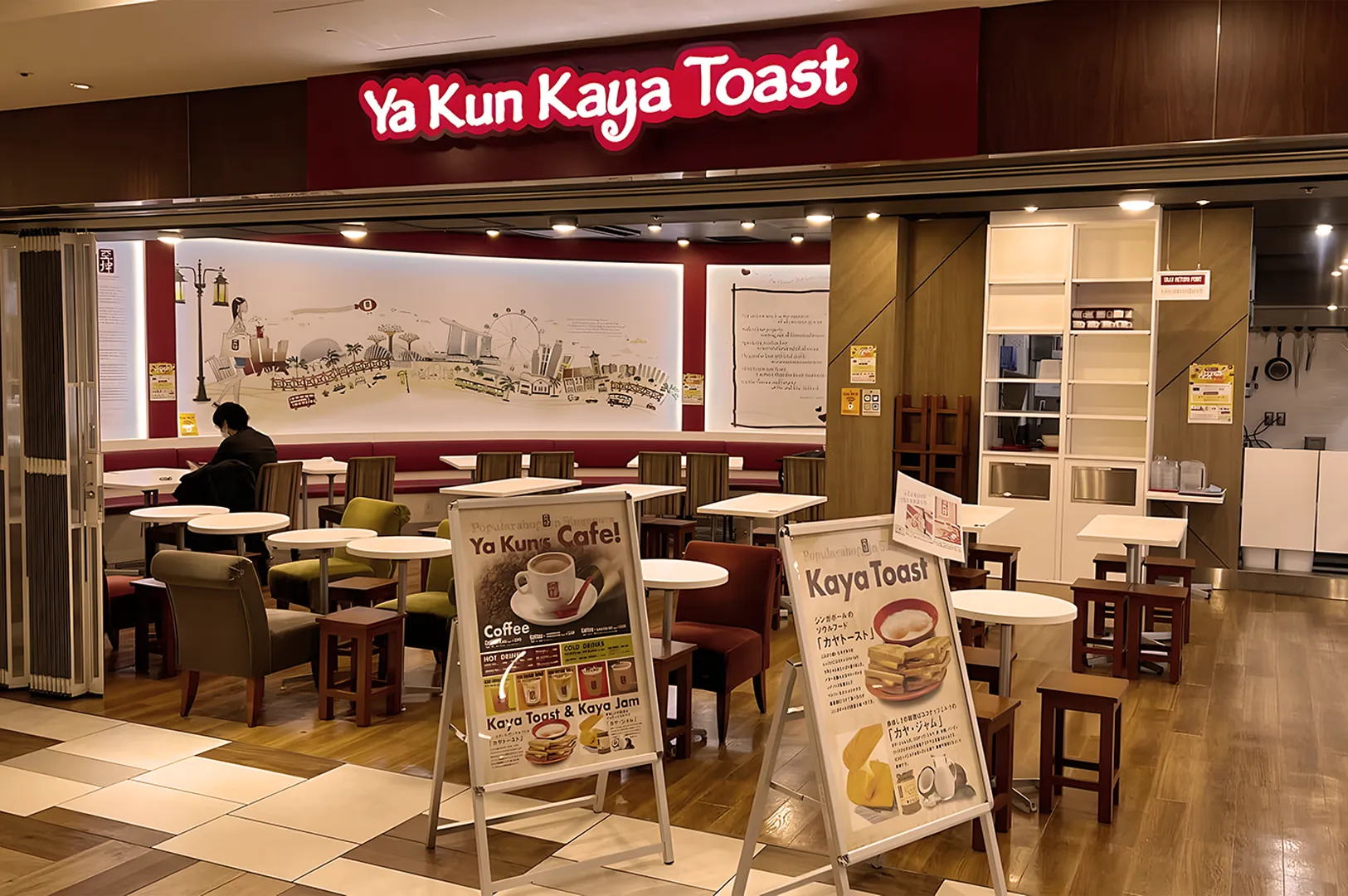
The moment I step off at any station, the intoxicating aroma of kopi brewing at Ya Kun beckons me toward that perfect morning ritual of kaya toast, sweet, buttery coconut jam meeting crispy toasted bread in a dance I’ve watched mesmerize travelers from Mumbai to Manchester. And just when I think I’ve found my rhythm, the scent of Hainanese chicken rice from Maxwell Food Centre pulls me into another delicious rabbit hole entirely.
One moment I’m navigating the sensory overload of Chinatown, where the sizzle of oyster omelette meets the sweet heat of chilli crab in a symphony that could wake the dead, and twenty minutes later I’m breathing in the cardamom-scented air of Little India, where spice merchants have been perfecting their craft for generations.
Kampong Glam offers yet another chapter in this edible story, its colorful streets hiding coffee shops where black coffee and kaya toast taste like liquid nostalgia, alongside innovative restaurants that take these classic flavors and spin them into something completely unexpected.
Embrace the Conscious Dining Movement in Singapore’s Hawker Culture and Beyond

I believe we possess an incredible opportunity to redefine our relationship with food. Conscious dining invites me to view every meal as a celebration of life, community, and the earth. It proves that I can fiercely care about my physical health while simultaneously fighting for a better food system.
I hold the power to shape this movement every single day. I start small. I ask my local cafe where they source their coffee beans or how they prepare their chicken wings with sambal sauce. I visit a neighborhood farmers market or hawker centre and talk to the people who grow my greens or run hawker stalls, remember, even Anthony Bourdain praised the quality and uniqueness of Singapore’s food scene.
click and visit Elevating Clean Cuisine and Conscious Dining at the Best Halal Restaurants for another recommendation on clean and conscious dining in Singapore.
I step into this vibrant, flavorful world of modern healthy eating, and watch how it beautifully transforms not just my body, but my entire perspective on life, from the Singapore River to Clarke Quay and beyond.