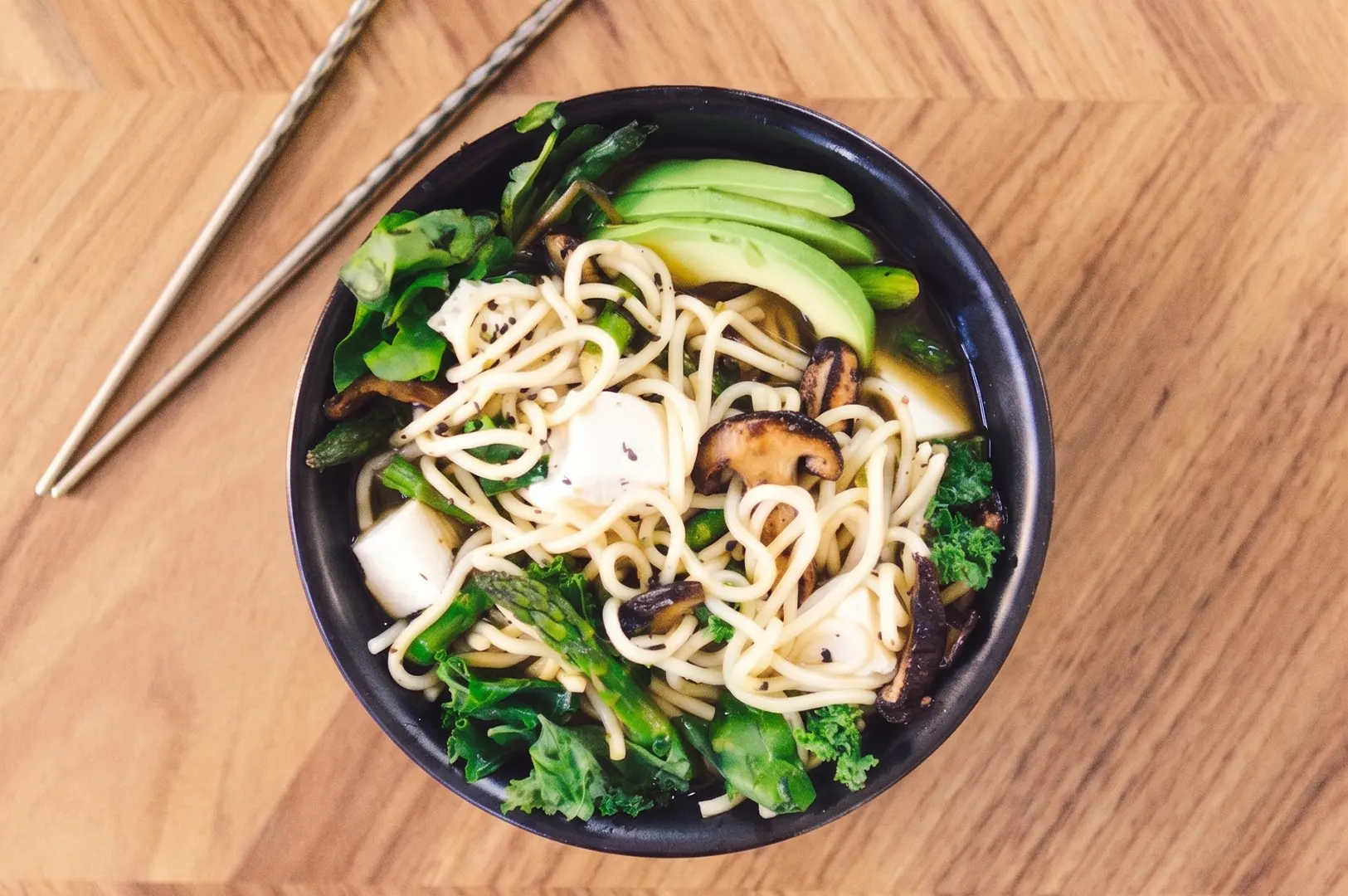
I still remember the exact moment my perception of Japanese noodles completely shifted. I was sitting in a tiny, steam-filled ramen shop, staring down at a glowing bowl of golden broth. For years, I believed that a truly soul-satisfying bowl of ramen required hours of simmering pork bones in bone broth. I thought the legendary depth of umami flavor belonged exclusively to the carnivores. I could not have been more wrong.
When I took my first sip of that beautifully crafted vegetarian ramen, my eyes widened. The broth was impossibly rich, layering the earthy depth of fresh and dried shiitake mushrooms with the subtle ocean salinity of dried kombu. It coated the back of my spoon perfectly. The fresh ramen noodles had that precise, springy chew that ramen lovers dream about. In my experience, the modern culinary landscape has completely revolutionized plant-based eating. Chefs are now treating vegetarian ramen not as an afterthought, but as a blank canvas for brilliant culinary innovation.
The Magic Behind a Plant Based Broth: Key Ingredients for a Flavorful Broth
Creating a spectacular vegan broth or vegetarian ramen broth is a masterclass in Japanese cooking and food science. Without the easy shortcut of chicken stock or bone broth, chefs must work significantly harder to build complexity. They rely on the sheer power of umami flavor found naturally in the plant kingdom.
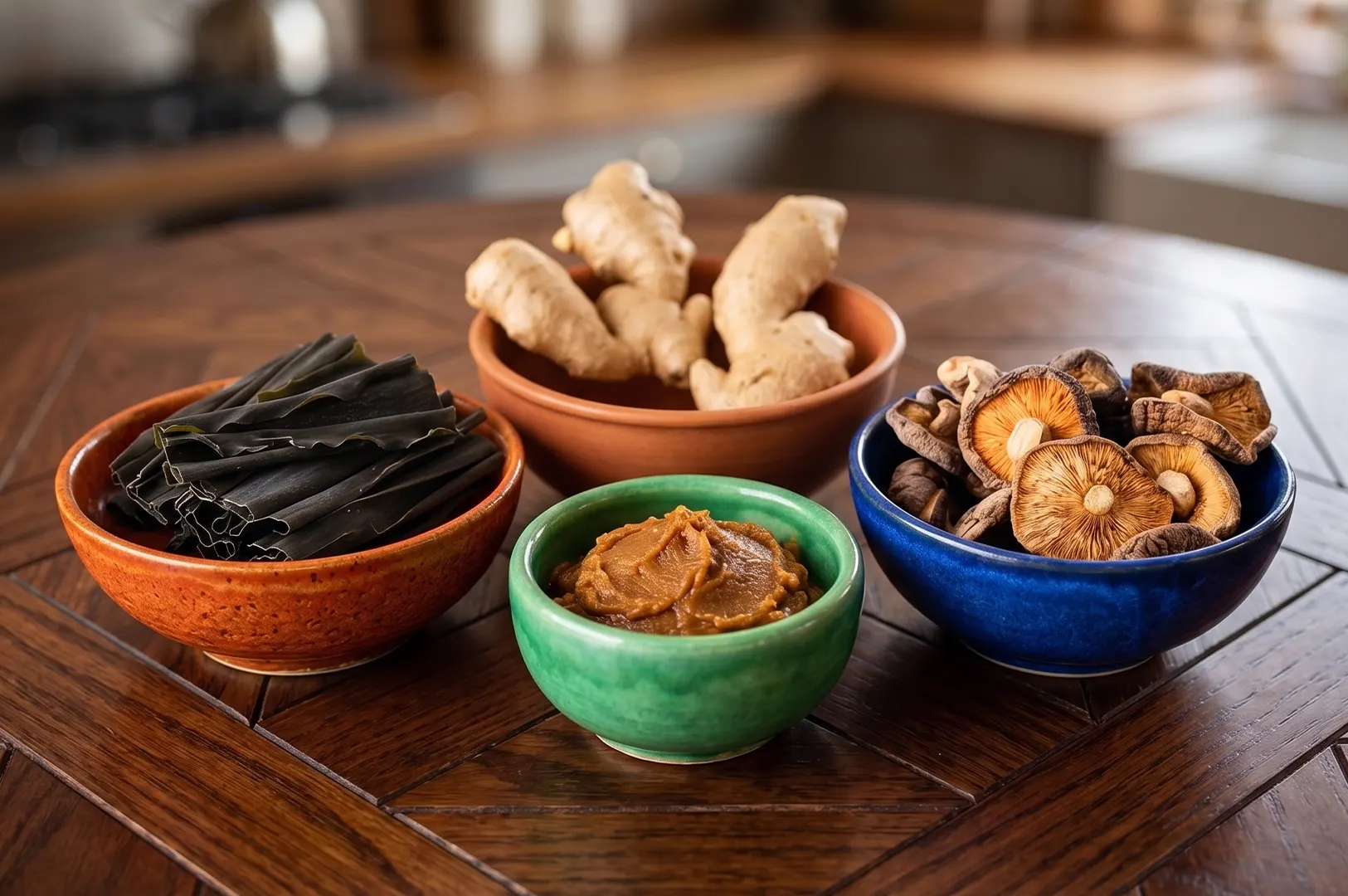
A good vegetarian ramen broth often starts with vegetable broth or vegetable stock made from vegetable scraps, carrot peels, onion skins, and dried kombu. Dried shiitake mushrooms add an earthy depth that is essential for umami. To mimic the creamy, opaque richness of a traditional tonkotsu ramen broth, many chefs incorporate unsweetened soy milk or sesame oil, sometimes enhanced with coconut oil or olive oil for extra flavor. Fresh ginger and grated ginger infuse the broth with warmth, while miso paste, especially koji miso or red miso, adds fermentative depth and complexity.
Vegan dashi, made from kombu and dried shiitake mushrooms, is a crucial vegan alternative to traditional fish-based dashi, creating a soup base bursting with umami. This broth recipe can take about an hour to simmer in a large pot over medium heat, allowing the flavors to meld beautifully.
Fresh Ramen Noodles and Ramen Noodles: The Heart of Homemade Ramen
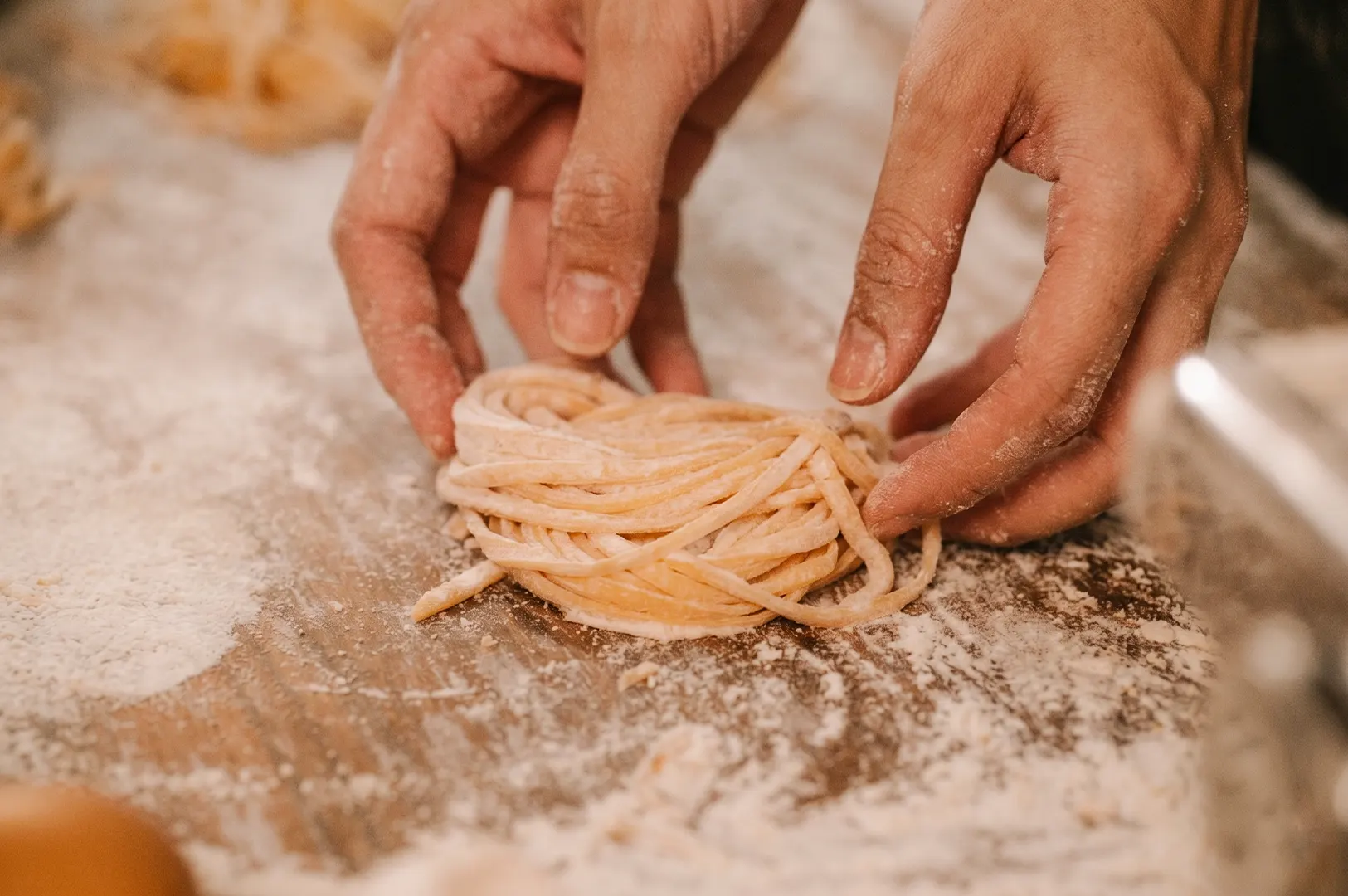
Fresh noodles or fresh ramen noodles are typically made from wheat flour, water, salt, and kansui, which gives ramen noodles their characteristic yellow color and springy texture. You can find fresh noodles at an Asian grocery store or use dried ramen noodles as a convenient alternative. Follow package instructions carefully to cook them just right, usually about a minute or two in boiling water.
For gluten free options, some specialty shops offer gluten free ramen noodles, but traditional ramen noodles are generally not gluten free. To keep the noodles from becoming soggy if you want to store leftovers, cook the noodles separately from the broth and combine just before serving.
Choosing fresh ramen noodles not only enhances the texture and flavor of your bowl but also connects you to the authentic experience of Japanese cuisine. When I first started making vegetarian ramen at home, selecting the right noodles was a game changer, it made the dish feel special and comforting, like a warm hug on a chilly day.
From a health perspective, fresh noodles made with simple, natural ingredients tend to be less processed than instant varieties, meaning fewer additives and preservatives. This aligns well with a healthy lifestyle focused on whole foods and mindful eating. Remember, the joy of cooking and savoring your meal plays a crucial role in nourishing both body and soul. Taking the time to prepare fresh noodles and pair them with wholesome toppings can turn a simple meal into a mindful ritual that supports your overall well-being.
My pro tip: If you’re exploring gluten-free or lower-carb options, experimenting with alternative noodles like shirataki or zucchini noodles can be a fun and health-conscious twist, though they bring a different texture and flavor profile.*
Ultimately, the best noodles are the ones that make you feel good and satisfy your cravings for comfort and nourishment.
Miso Ramen and Other Variations: More Deliciousness in Every Bowl
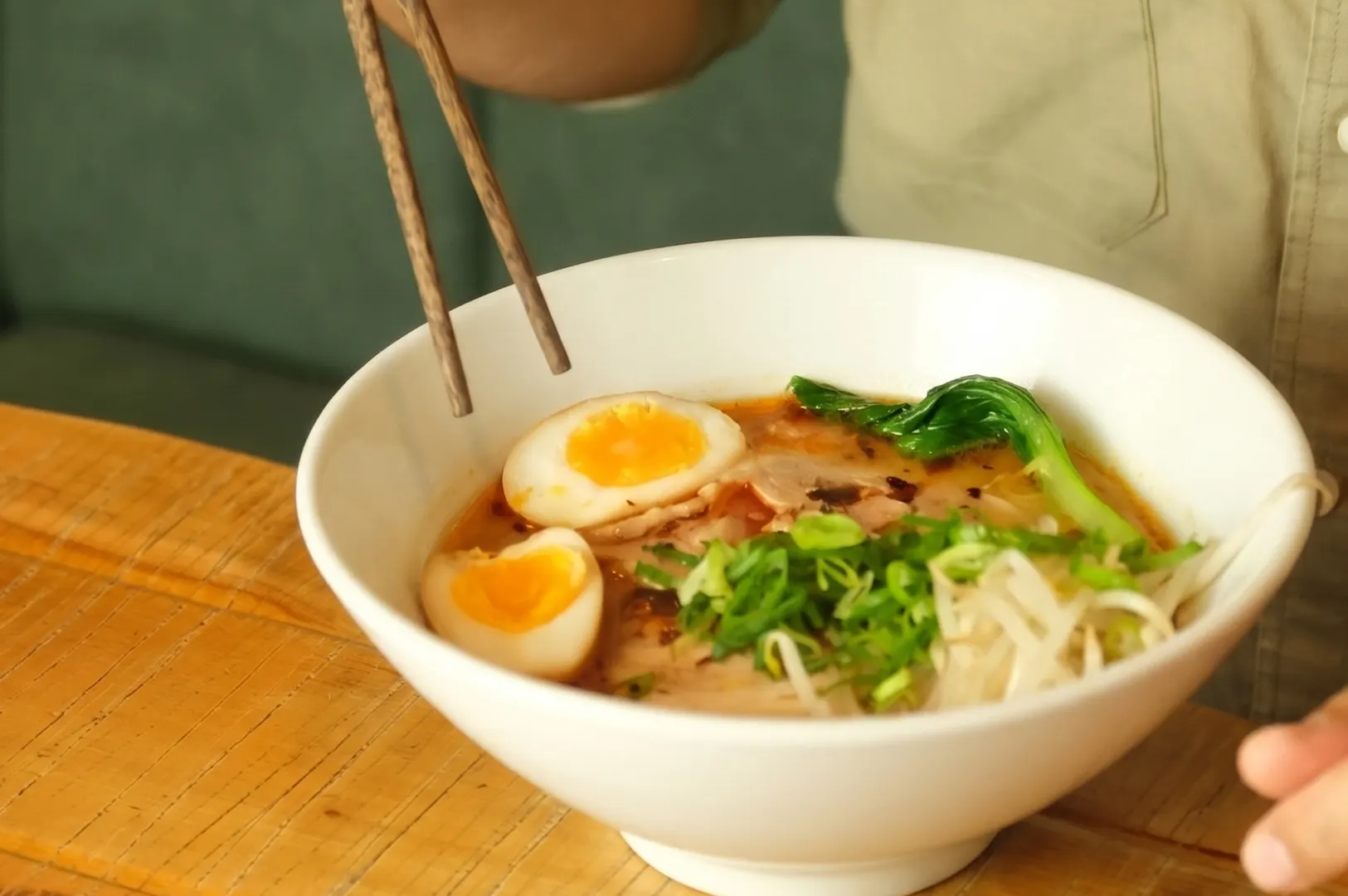
Miso ramen is one of my favorite styles, featuring miso paste as the star ingredient in the broth that brings a rich, savory umami flavor. I love experimenting with different types of miso paste like red miso or koji miso to create my own variations. Adding a splash of soy sauce always amps up the savory notes, and a little sesame oil gives it that warm, nutty aroma I can’t get enough of.
For toppings, I usually go with baby bok choy or bok choy, bamboo shoots, sweet corn, fresh mushrooms, bean sprouts, green onions, sesame seeds, and fresh herbs to add freshness and balance to the rich broth. Sometimes I throw in garlic, fresh ginger, and a touch of spicy doubanjiang for a little kick.
While traditional ramen often uses long-simmered pork or chicken bones for that creamy, deeply flavored broth, my vegetarian miso ramen relies on plant-based umami sources. I make vegan dashi from kombu and dried shiitake mushrooms to replace the fish-based dashi used in classic ramen, keeping the broth fully vegetarian. I also add soy milk to mimic the creamy, milky texture of tonkotsu ramen’s pork broth, with a subtle sweetness that makes the bowl so comforting.
This style of ramen really shows how Japanese cuisine can adapt traditional recipes with plant-based ingredients, giving you a bowl that’s both satisfying and full of authentic flavor.
How to Make This Recipe: Step-by-Step Guide to a Simple Bowl
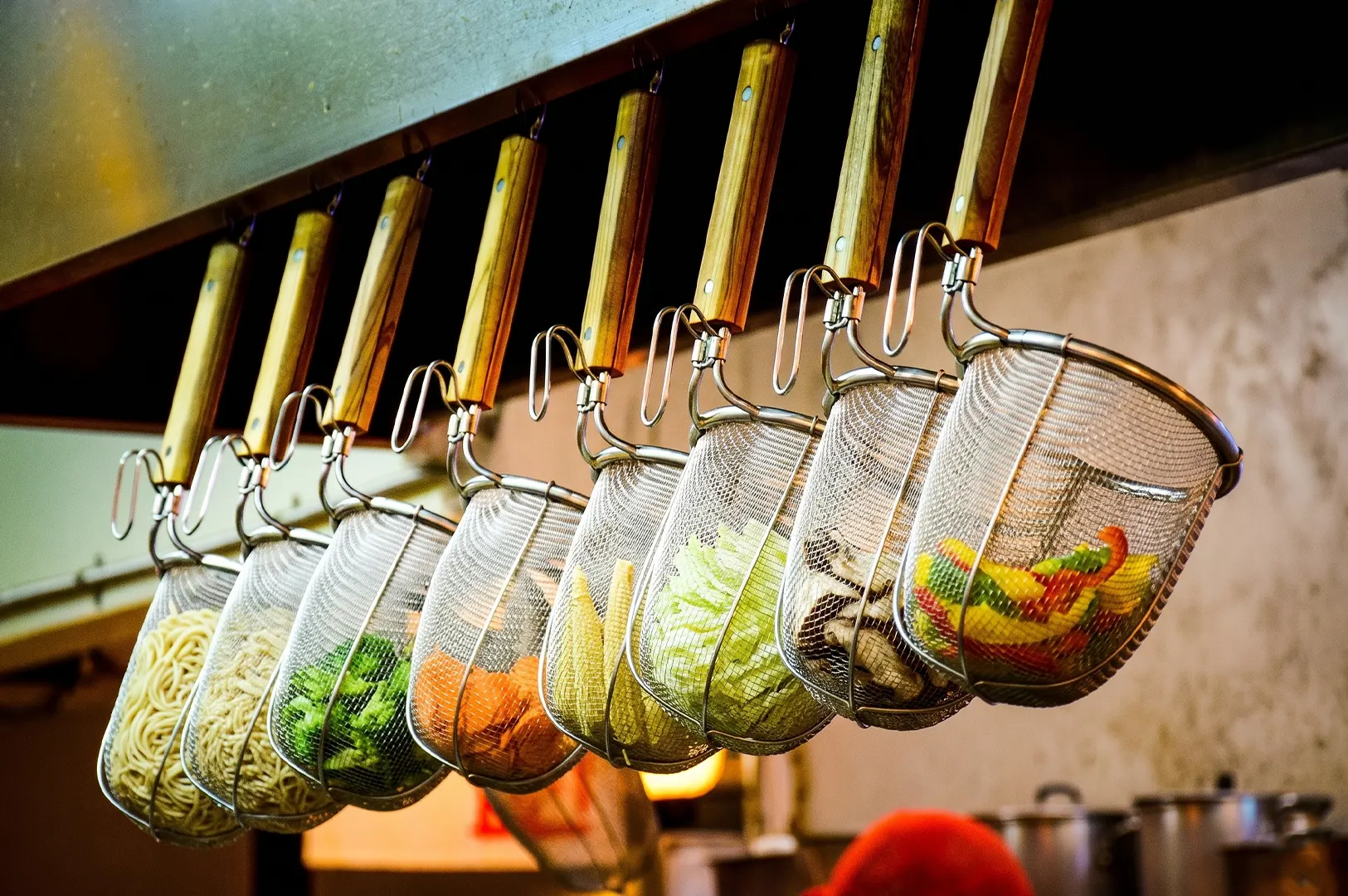
To make this absolutely delicious vegetarian ramen recipe, start by preparing your own broth. Use vegetable scraps and veggie scraps to create a rich vegetable broth or vegan bone broth base in a large pot. Add dried shiitake mushrooms, dried kombu, carrot peels, onion skins, and simmer gently over medium heat for about an hour.
Next, prepare the soup base by sautéing garlic, fresh ginger, and grated ginger in sesame oil or olive oil over medium heat. Stir in miso paste and soy sauce, then gradually add soy milk and vegan dashi to create a creamy, flavorful broth. Bring to a gentle simmer, but avoid boiling to preserve the delicate flavors.
Cook fresh ramen noodles separately in boiling water according to package instructions or about a minute if fresh. Blanch baby bok choy or bok choy briefly in boiling water, then cool slightly in cold water to preserve crunch and color.
Assemble your ramen bowl by placing cooked noodles in the bowl, ladling over the hot broth, and topping with bok choy, fresh mushrooms, sweet corn, bamboo shoots, bean sprouts, green onions, and sesame seeds. Garnish with fresh herbs and serve immediately for the best taste and texture.
The Broth Recipe That Brings It All Together
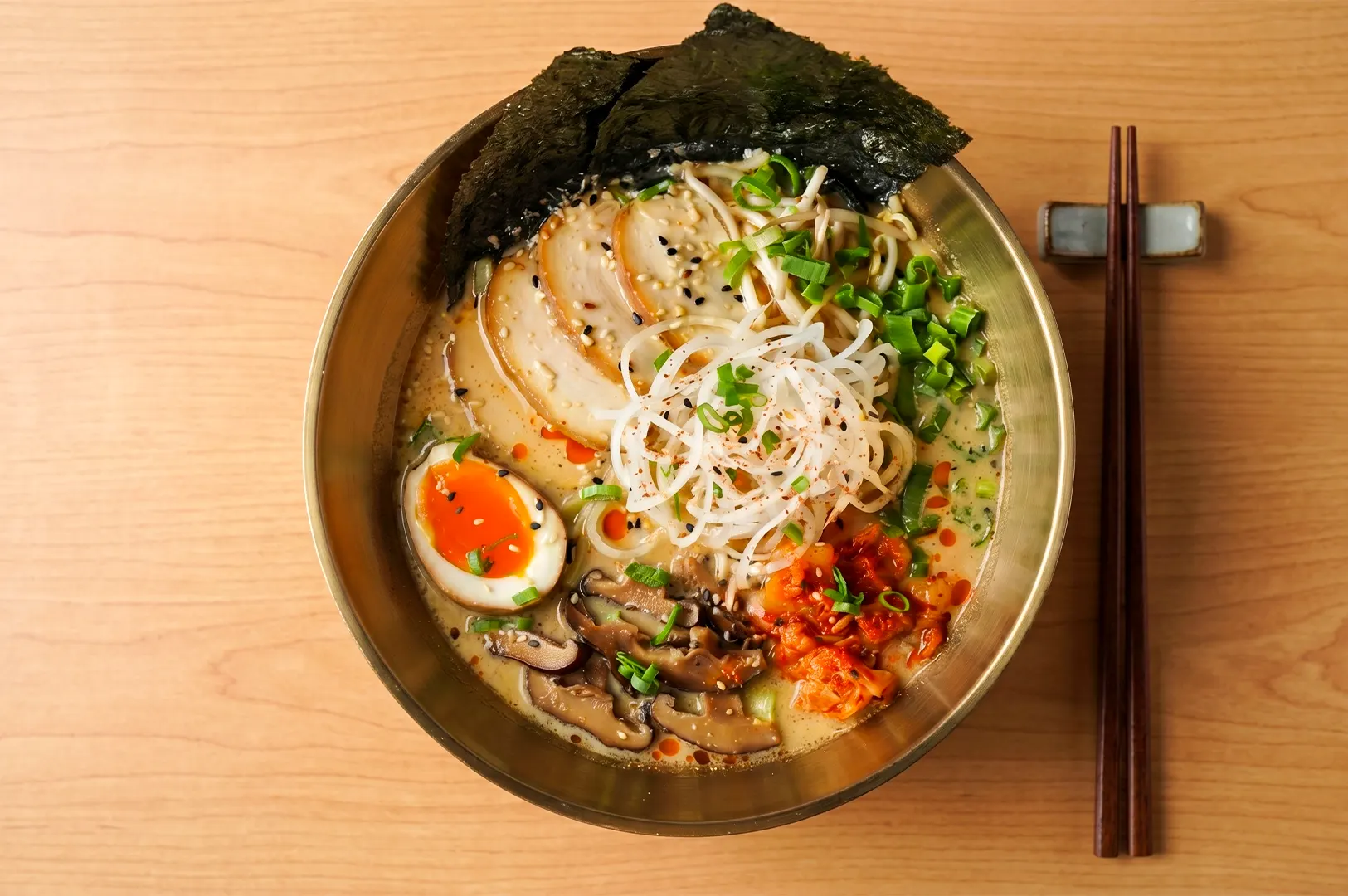
The soul of any good ramen is the broth. Whether you prefer a vegan version or a vegetarian ramen recipe, focusing on a rich, umami-packed broth is essential. Combining ingredients like dried shiitake mushrooms, dried kombu, miso paste, soy milk, and vegetable broth or vegetable stock creates a broth that rivals traditional bone broth.
This broth recipe balances savory soy sauce, the subtle sweetness of fresh ginger, and the nutty aroma of sesame oil. Using your own broth made from veggie scraps and aromatic vegetables ensures an authentic flavor that’s both nourishing and satisfying.
To deepen the umami profile, incorporate vegan dashi made from kombu and dried shiitake mushrooms, which replaces traditional fish-based dashi. Adding a small amount (about 1 tbsp) of doubanjiang, a spicy fermented bean paste, gives the broth a robust, savory kick that enhances complexity without overpowering the delicate flavors.
Soy milk plays a crucial role in creating a creamy texture reminiscent of tonkotsu ramen’s milky pork broth, adding a hint of natural sweetness and richness. When preparing the broth, gently cook aromatics like garlic and grated ginger in sesame oil before adding the liquids to release their full flavor potential.
Also, keep in mind that some vegetarian ramen recipes may still use fish-based dashi, so if you want a fully vegetarian or vegan dish, ensure your dashi is plant-based.
This broth not only satisfies the palate but is generally healthier and less fatty than meat-based ramen, while still offering protein from ingredients like miso and tofu if added as toppings. It’s a perfect base for experimenting with other recipes and variations to suit your taste and dietary preferences.
Frequently Asked Questions About Vegetarian Ramen
What makes vegetarian ramen different from traditional ramen?
Vegetarian ramen swaps out the usual meat and fish-based broths for plant-powered alternatives like vegetable stock, vegan dashi made from kombu and dried shiitake mushrooms, and creamy soy milk. Instead of relying on animal products, it builds that rich umami flavor using ingredients like miso paste, mushrooms, and fermented bean pastes, all totally delicious and satisfying.
Are ramen noodles vegetarian?
Most traditional ramen noodles are actually vegetarian since they’re made from wheat flour, water, salt, and kansui (an alkaline mineral water). But heads up, some noodles might have egg in them, so it’s a good idea to double-check the ingredients if you want to keep things fully vegetarian or vegan.
Can vegetarian ramen be made vegan?
Absolutely! Making vegetarian ramen vegan is super easy, just skip any animal-based toppings like eggs or dairy. Stick with vegan dashi and plant-based broth ingredients, and you’ve got yourself a completely vegan-friendly bowl of ramen that’s just as tasty.
Your Next Bowl Awaits: Enjoy Good Vegetarian Ramen at Home
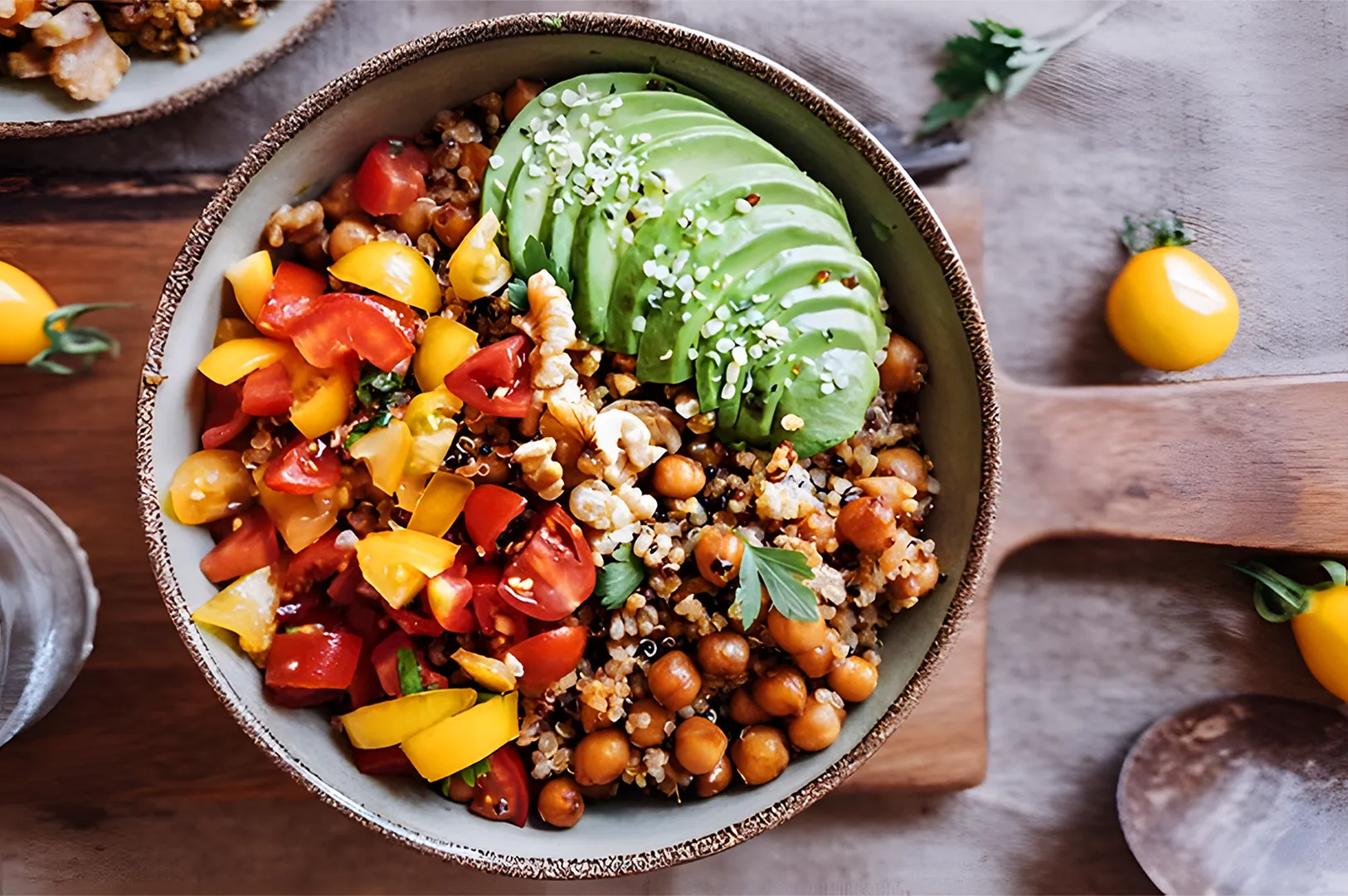
The world of vegetarian ramen is no longer a niche trend; it is a vibrant, permanent fixture in our modern food culture. We are incredibly lucky to live in an era where chefs are dedicating their immense talents to making plant-based eating so utterly irresistible. You do not need to rely on bone broth or chicken stock to experience the profound, soul-warming joy of a good vegetarian ramen.
I strongly encourage you to step out of your culinary comfort zone this week. Grab fresh ramen noodles or dried ramen noodles, gather your key ingredients, and make this recipe at home. Whether you’re craving miso ramen or a simple bowl with fresh herbs and baby bok choy, this recipe will deliver absolutely delicious results every time. Serve immediately and savor the extra flavor and authentic taste of homemade ramen.
For more healthy contents and recommendation, be sure to visit A Healthier Kind of Indulgence, Inspired by the Best izakayas in Town/