
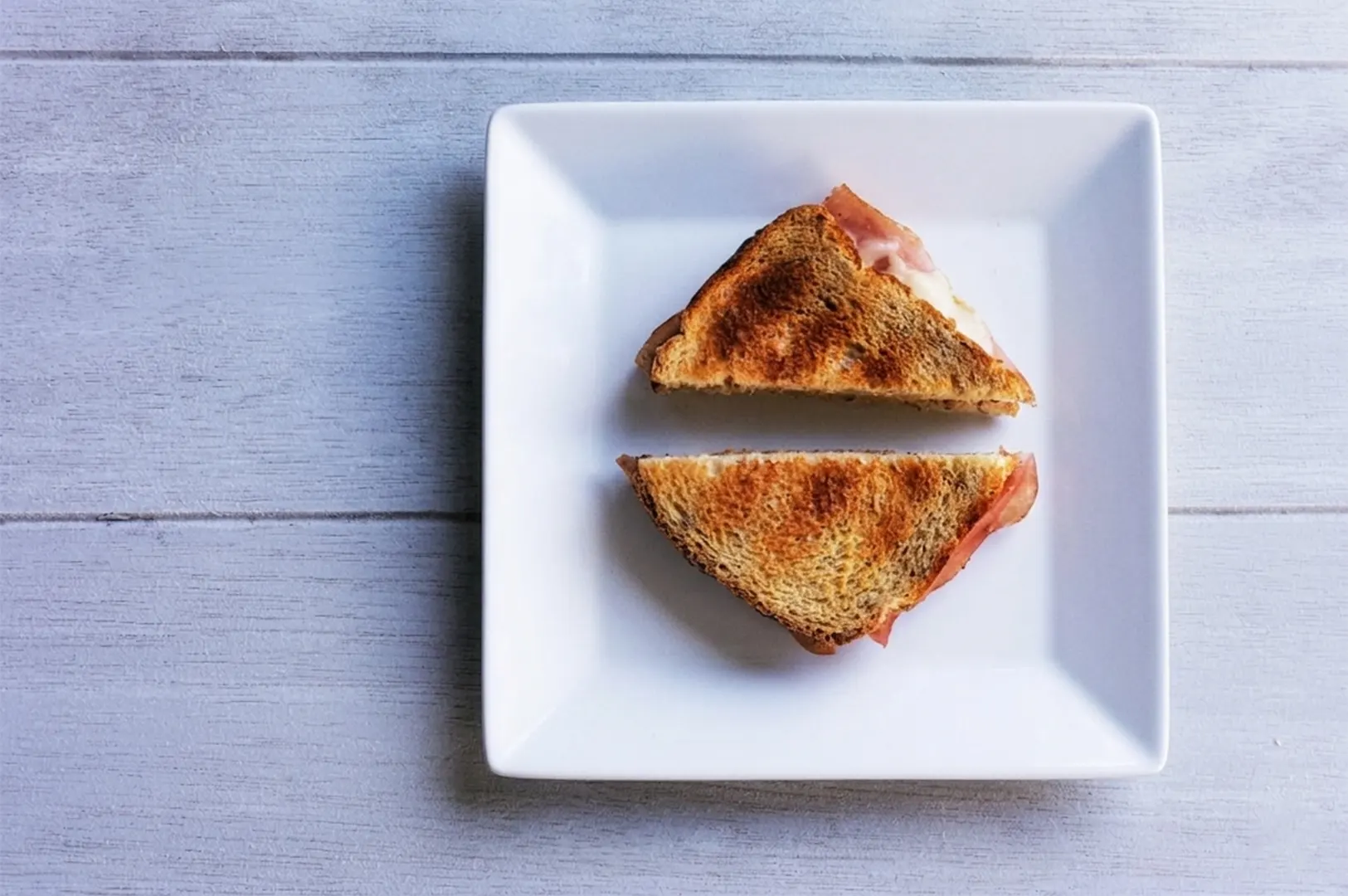
I found myself standing in the bread aisle of a busy supermarket last Tuesday at 7:30 PM. The shelves were a sea of plastic packaging, filled with everything from pillowy white loaves to dark, seed-crusted artisanal boules. I had just finished a long day of meetings and wanted something simple for my morning toast. It is in these tired, rushed moments that our everyday food choices happen, shaping our journey toward Singapore healthy eating.
For many of us, bread is the ultimate convenience food. Whether you are rushing to the MRT, grabbing a quick bite in the office pantry, or preparing a simple weekend meal, a slice of bread is almost always involved. But choosing the right loaf can feel surprisingly complicated. We want a balanced breakfast Singapore style, something that gives us energy without leaving us sluggish by 10:00 AM.
That is exactly why I started paying closer attention to what goes into my morning toast. Making a small, thoughtful upgrade to your daily loaf is one of the easiest ways to support your health. Let us talk about why choosing a smarter slice of whole wheat bread is absolutely worth your time, and how you can do it without losing the joy of a good meal.
The Wheat Bread Label Problem: What’s Really Inside Your Grain Bread?

When I first decided to look for a healthier bread option, I assumed that anything brown was automatically good for me. I was completely wrong. In Singapore, the term “wheat bread” can sometimes be quite misleading.
A loaf might look wonderfully golden brown and rustic, but that color can simply come from added caramel coloring or molasses, not from actual whole grains or wholemeal flour. Many commercial brown breads are made primarily with enriched wheat flour. This is just refined white flour that has had a few synthetic vitamins added back in after the natural nutrients like wheat germ and bran were stripped away during processing.
To get the real benefits, you need to look specifically for whole grain bread or whole wheat bread made from whole wheat flour. Whole wheat flour contains the entire wheat grain: the bran, the germ, and the endosperm. This means you are getting all the naturally occurring fiber, B vitamins, and healthy fats that nature intended. Refining the grain removes the most nutritious parts, leaving behind mostly starch.
Why Whole Wheat Bread Can Be a Smarter Slice for Breakfast
Switching to a genuine whole wheat bread loaf changes how your body responds to your morning meal. The biggest difference comes down to the grain content and fiber you consume. A high fiber whole grain bread acts like a slow-release energy capsule.
When you eat refined white bread, your body breaks down those simple starches incredibly fast. This can cause a rapid spike in your blood sugar, followed by a sharp crash that leaves you reaching for a sugary coffee just two hours later. Whole wheat bread, on the other hand, digests at a much steadier pace thanks to the intact bran and wheat germ.
If you have specific medical conditions regarding blood sugar, you already know how important this steady release is. Even for those without medical concerns, keeping your energy stable is a massive advantage on a busy workday.
Here is a gentle reminder: if you have gluten sensitivity, celiac disease, or specific dietary restrictions, always consult a medical professional before changing your grain intake. For the rest of us, this simple swap works wonders.
The Fullness Factor of Soft Bread with Great Texture
I cannot overstate how much satiety matters for a busy schedule. When my breakfast actually keeps me full, I am far less likely to raid the office snack box for biscuits before lunch. The dense, fibrous nature of whole wheat bread physically fills your stomach and signals your brain that you are satisfied.
It turns a rushed, five-minute morning meal into a foundation that keeps you going until noon. The soft texture of a well-made loaf, with its wonderful bread crumb, makes every slice a pleasure.
How I Choose a Loaf Pan and Wheat Bread in the Bread Aisle
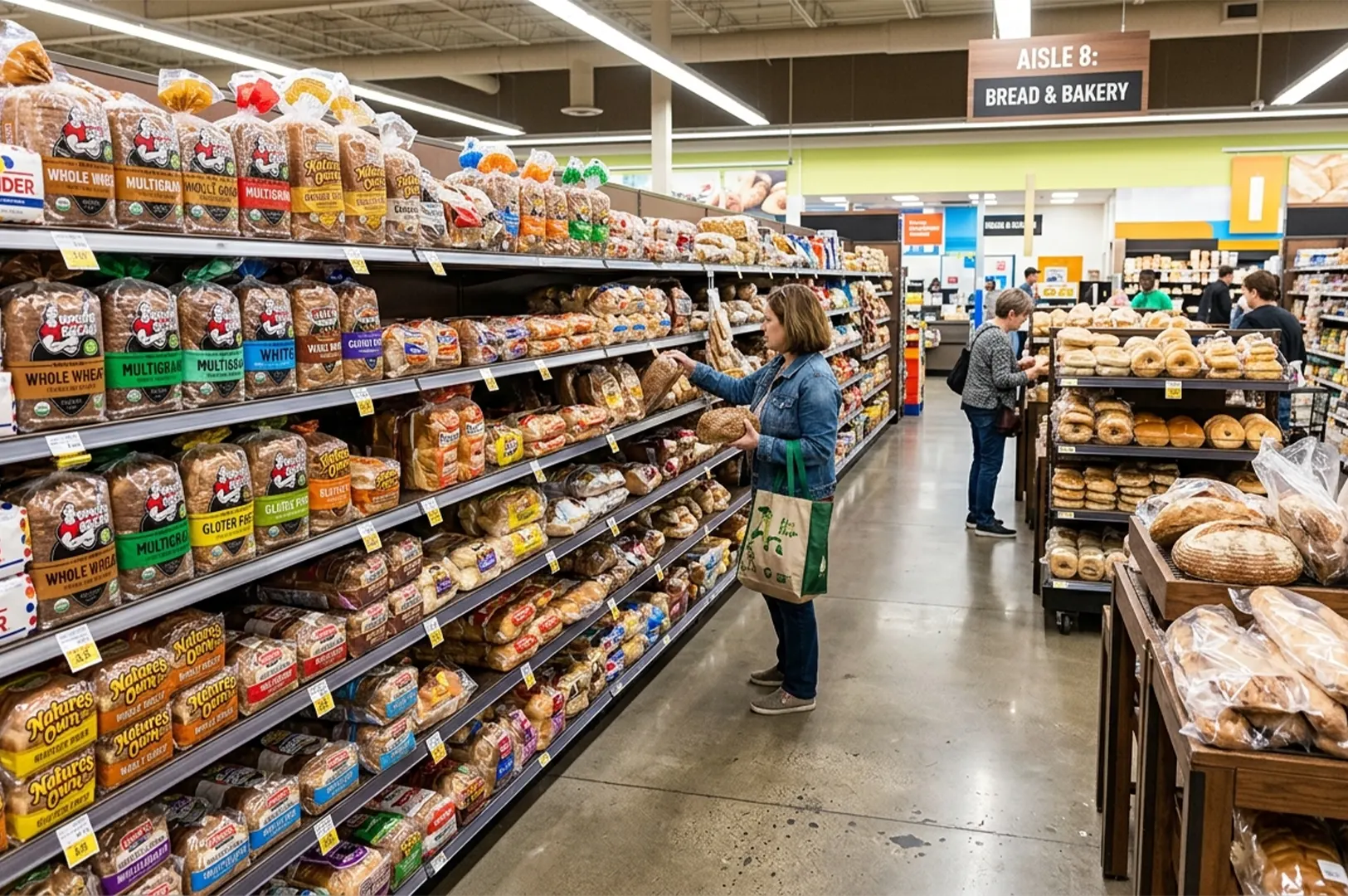
You do not need to spend twenty minutes analyzing every single bag on the shelf. When I am doing my grocery run, I have a very quick system for finding a solid loaf of bread or wholemeal bread. Here is what I look at:
The first ingredient: This is the most crucial step. The very first item on the ingredient list should say “whole wheat flour” or “100% wholemeal.” If it just says “wheat flour” or “enriched flour,” I put it back.
Fiber and grain content clues: I check the nutrition panel and aim for at least 3 to 4 grams of dietary fiber per serving.
Hidden sugars and fat: A little sugar or honey is often necessary for instant yeast to rise, but it should not be high on the ingredient list. Butter or oil can add a soft texture and flavor, but I avoid loaves that read like dessert recipes.
Sodium awareness: Bread can be a sneaky source of salt. I just do a quick check to ensure the sodium level is reasonable for a daily staple.
Visual cues: I look for visible seeds or grains in the crust and crumb, which usually indicate a better texture and nutritional profile.
Making Bread at Home: A Simple Wheat Bread Recipe from Scratch
If you want to take control of your loaf, making bread at home is easier than you think. A basic wheat bread recipe starts with whole wheat flour or wholemeal flour, instant yeast, warm water or milk, sugar or honey, salt, and a bit of butter or oil for softness. You mix these remaining ingredients in a large bowl or mixing bowl, then knead the dough on a work surface or use a stand mixer with a dough hook attachment.
Adding vital wheat gluten to the mixture can improve the elasticity and help create a soft texture in whole wheat bread, which sometimes tends to be denser than white bread. After kneading for about 8 to 10 minutes, you shape the dough into a loaf and place it in a greased loaf pan.
Let the dough rise in a warm spot until it doubles in size, usually 1 to 2 hours. Then you preheat the oven to the right internal temperature, usually around 180°C (356°F), and bake the bread until it’s golden brown and sounds hollow when tapped. The result is a delicious, hearty loaf with a wonderful flavor and texture, perfect for sandwiches, toast, or even french toast.
Delicious Ways to Enjoy Your Whole Wheat Bread

Nutrition only works if you actually enjoy what you are eating. If your whole wheat bread tastes like dry cardboard, you will not stick with it. Thankfully, a good loaf has a deeply satisfying, nutty flavor that toasts beautifully. The slightly chewy texture and crisp edges make it a brilliant canvas for our favorite local flavors.
I love treating my morning toast as a mini culinary project. Instead of slathering it in highly sweetened commercial jams, I look for smart toppings. When I crave our local coffee shop flavors, I use a thin layer of reduced-sugar kaya paired with a touch of real butter. The complex carbohydrates in the bread balance the sweetness perfectly.
For a fast office lunch, I make a classic egg sandwich. I mash hard-boiled eggs with a little Greek yogurt instead of heavy mayonnaise, add a dash of white pepper, and layer it between two toasted slices of whole wheat bread. The combination of protein from the eggs and fiber from the bread is incredibly powerful.
If I am running straight from the gym to a meeting, I rely on my absolute favorite five-minute meal. I toast a slice of high fiber bread, smash half an avocado on top, and add a sprinkle of chili flakes and sea salt. It is crunchy, creamy, rich in heart-healthy fats, and tastes incredibly indulgent.
The Bottom Line: Why This Grain Bread Is Worth Your Time

We often overcomplicate healthy eating. We think it requires complete dietary overhauls, expensive supplements, or rigid rules that drain the joy from our lives. But true wellness is built on small, sustainable habits that you practice every single day.
Choosing the best whole wheat bread or making your own wheat bread recipe from scratch is one of those perfect, effortless habits. It requires no extra cooking time, no special equipment beyond a loaf pan and a mixer if you have one, and no drastic lifestyle changes. It is just a smarter slice that works quietly in the background, giving your body the steady energy it needs to handle a demanding Singaporean lifestyle.
Toast it exactly how you like it, pair it with your favorite flavorful toppings, and pay attention to how you feel over the next few hours. Notice your energy levels, your mood, and your cravings. I am confident you will find that taking care of your health can be incredibly delicious.
Pairing up healthy food and cusine is always the best when dining, especially with the diverse flavorful of Singapore healthy scenery, if you want to dive in more, we have an article about Inside Vegetarian Dining Singapore: A City Falling in Love with Plant-Based Flavor