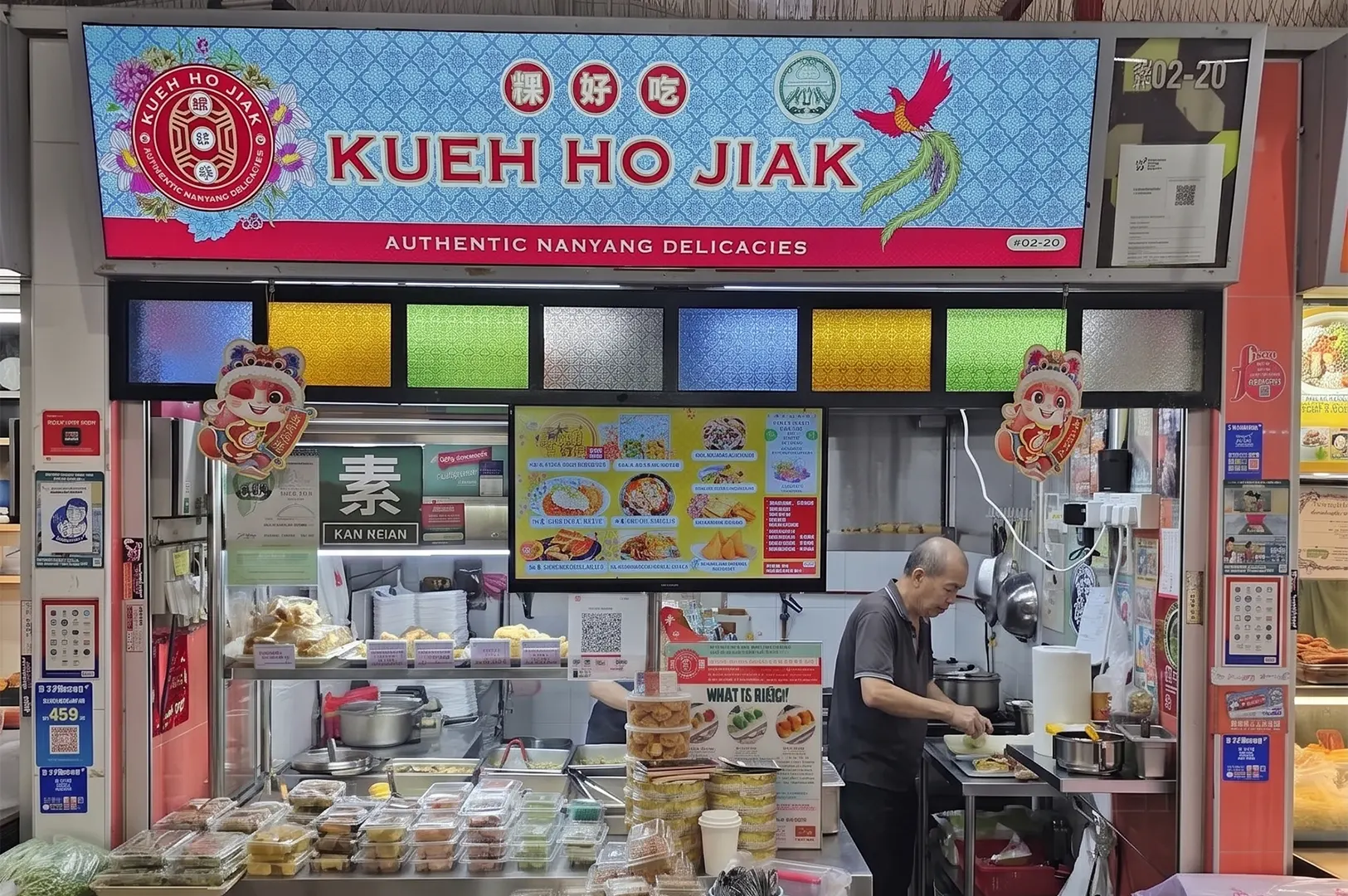
It was a quiet Tuesday morning, just past eight, and the heat was already pressing in. I climbed up to the second floor of Tanjong Pagar Food Centre, past the kopi steam and the clatter of breakfast trays, and there it was: a counter glowing with colour in a space that usually wears beige and grey. If you’ve been thinking about how traditional kueh in Singapore can fit into healthier, more mindful snacking, this stall makes a quiet, convincing case.
Stall #02-20. Kueh Ho Jiak.
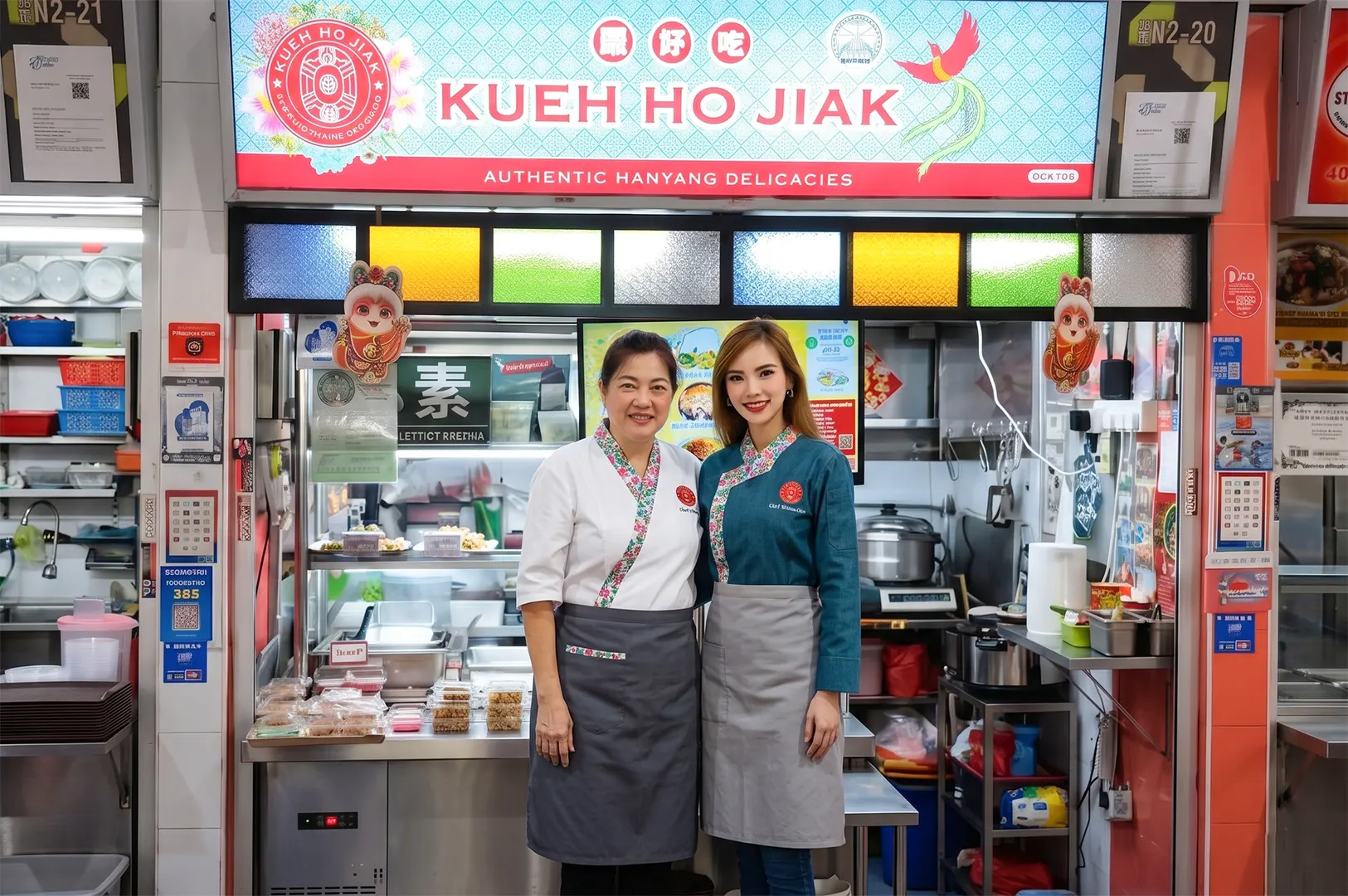
Founded by Sandy Tan and her daughter Elizabeth Chan, Kueh Ho Jiak embodies heritage while making small, deliberate choices that set it apart from the average kueh counter. The colours here don’t come from bottles. The sweetness doesn’t try to shout. And the woman behind the stall has been making these kueh by hand, without preservatives, since before the phrase “clean eating” existed.
I stood there longer than I meant to. The ang ku kueh weren’t in the tortoise moulds I grew up with. There were teddy bears. Koi fish. Little flowers in soft purple, orange, and green. It felt like someone had taken my grandmother’s recipe and let a child decorate it, reimagining kueh whilst preserving the storytelling and cultural memory stitched into every piece. Then I noticed the ingredient board. Sweet potato for colour. No artificial additives. Less sugar, by design. I bought a mixed box and found a seat.
What Makes Kueh Ho Jiak's Ang Ku Kueh a Healthier Choice
This is the heart of the stall, and the healthier angle isn’t marketing. It’s in how the kueh is actually made.
Tan explained that from the beginning, Kueh Ho Jiak received the clearest feedback from customers: they wanted traditional kueh that didn’t leave them feeling heavy or overly sweet. So the recipes were adjusted. Less sugar. No food colouring. No preservatives. The mung bean blend remains the benchmark, and it earns that reputation. Smooth, gentle, honest. Not cloying. The skin has the familiar glutinous chew, though it does run thicker than some other stalls. Worth noting.
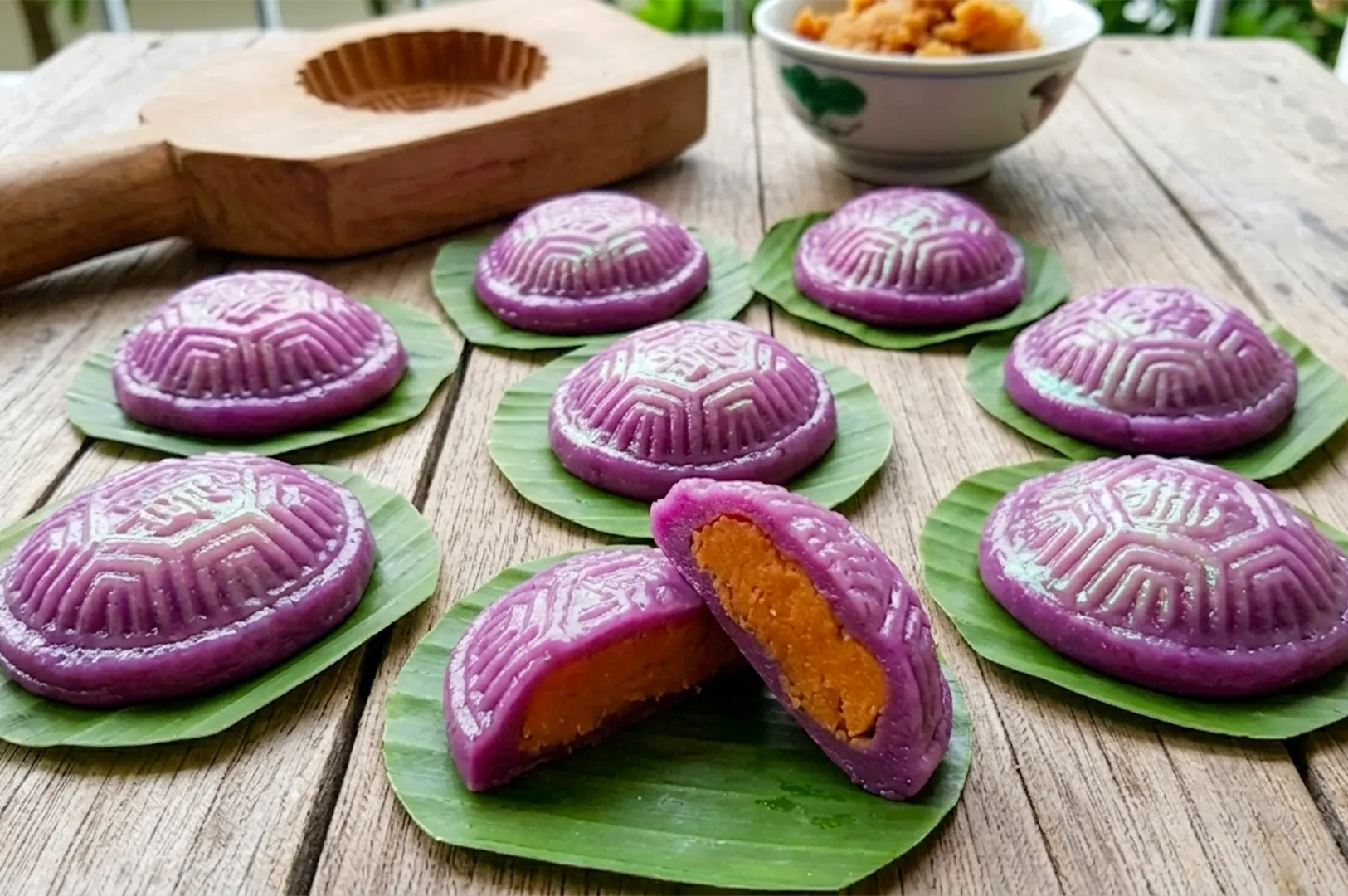
The Sweet Potato Ang Ku Kueh makes the healthier-leaning angle most visible. That deep purple interior comes entirely from sweet potato, no dye, no shortcut. The filling is thick, mild, and naturally sweet, with a creamy body that doesn’t need extra sugar to satisfy. Among Kueh Ho Jiak’s eight specialty kueh varieties, this is the one I’d point a health-conscious friend toward first.
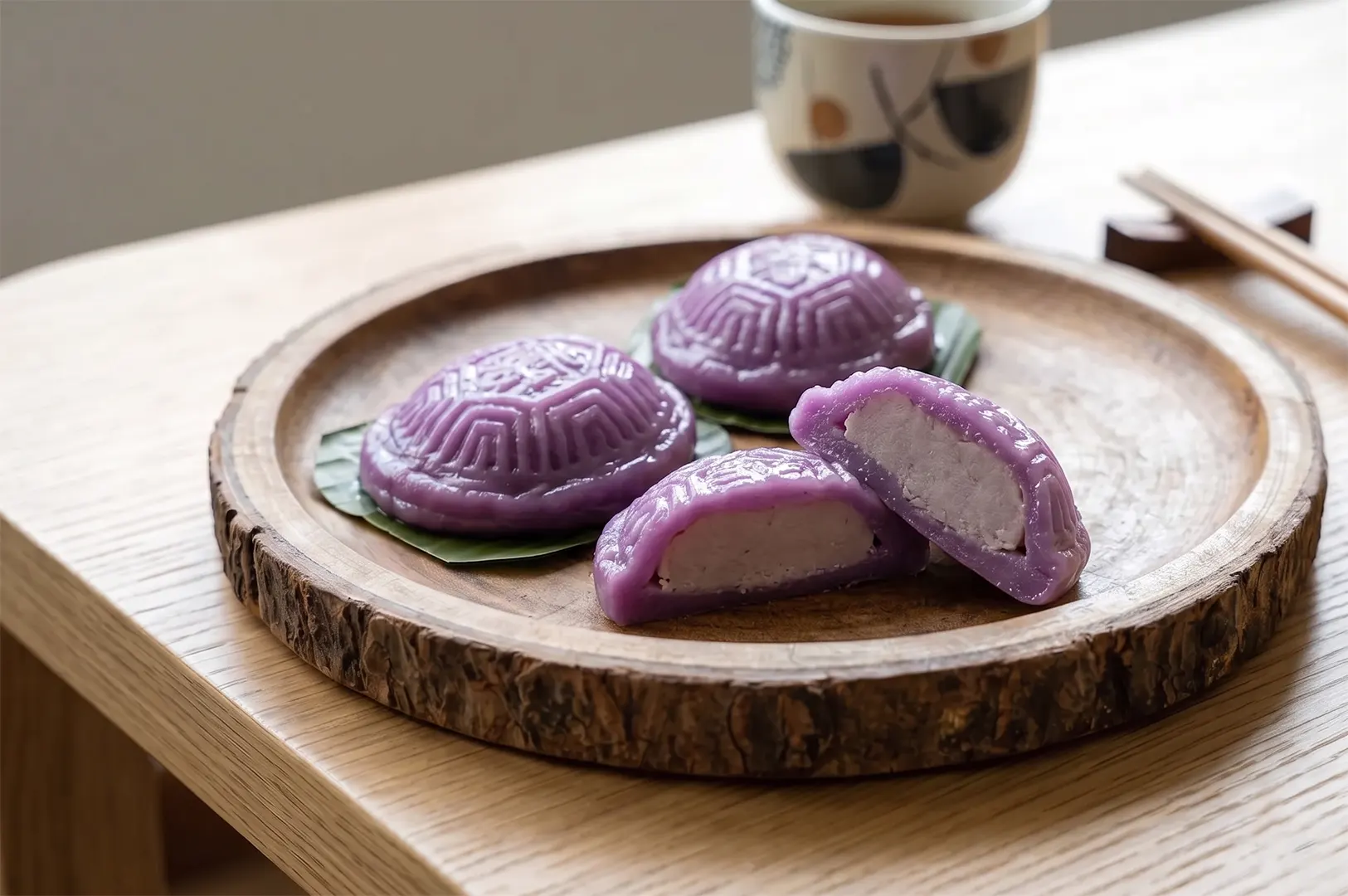
The Yam (Orh Ni) is another quiet standout. Creamy and earthy, with a natural sweetness that doesn’t overwhelm. Yam brings its own gentle depth without needing much added sugar to carry the flavour. It’s the kind of filling that feels nourishing rather than indulgent.
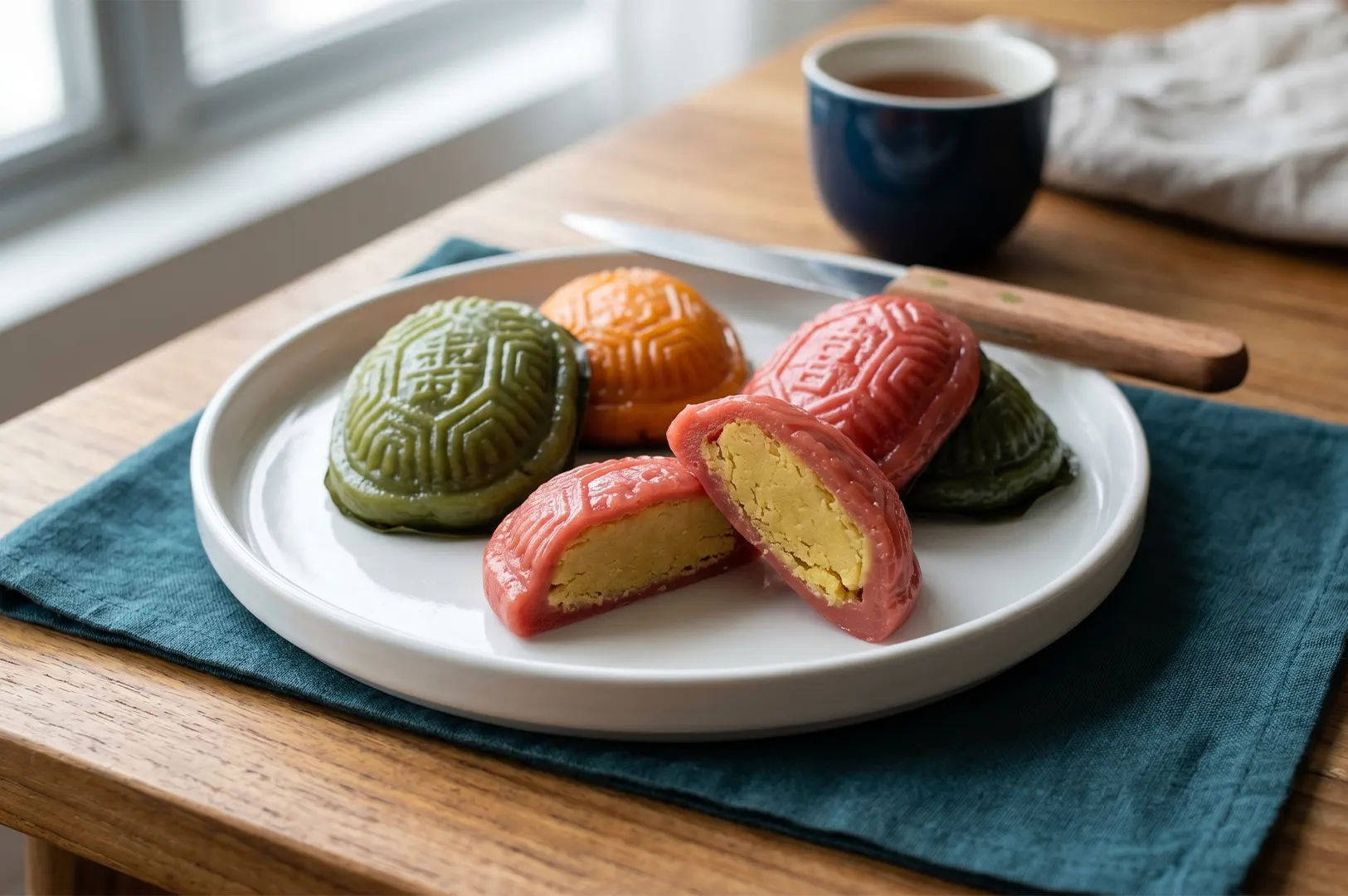
The Mung Bean is the most traditional of the lot. Mung beans offer plant-based protein and a mild flavour that pairs well with the kueh skin without tipping into sweetness. The mung bean blend remains a refined favourite for good reason. It’s clean, balanced, and satisfying in a single snack-sized piece.
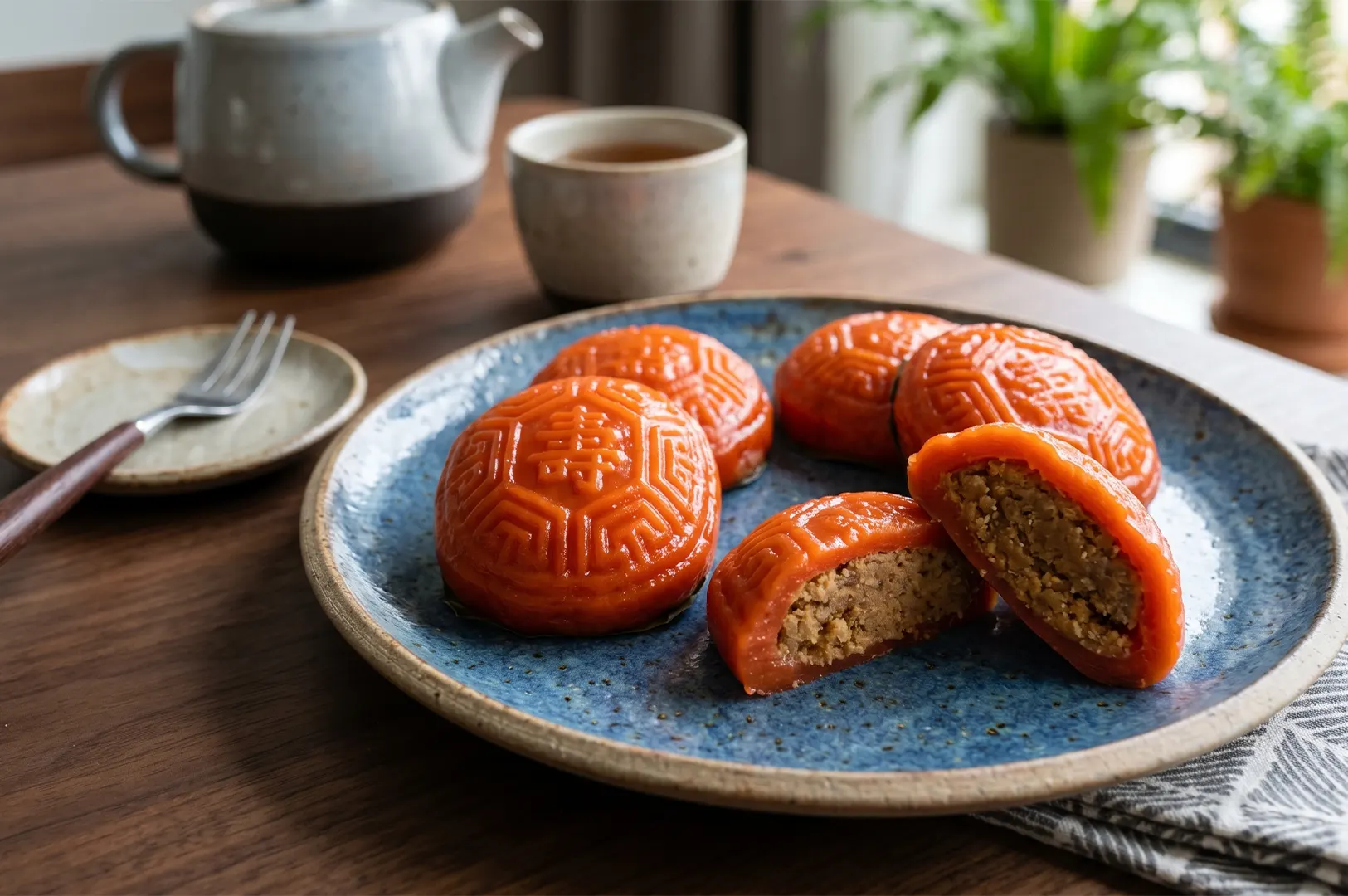
The Peanut brings a familiar nuttiness, warm and comforting. Classic and crowd-friendly, though a touch oilier than the others. Worth knowing if you’re watching fat intake.
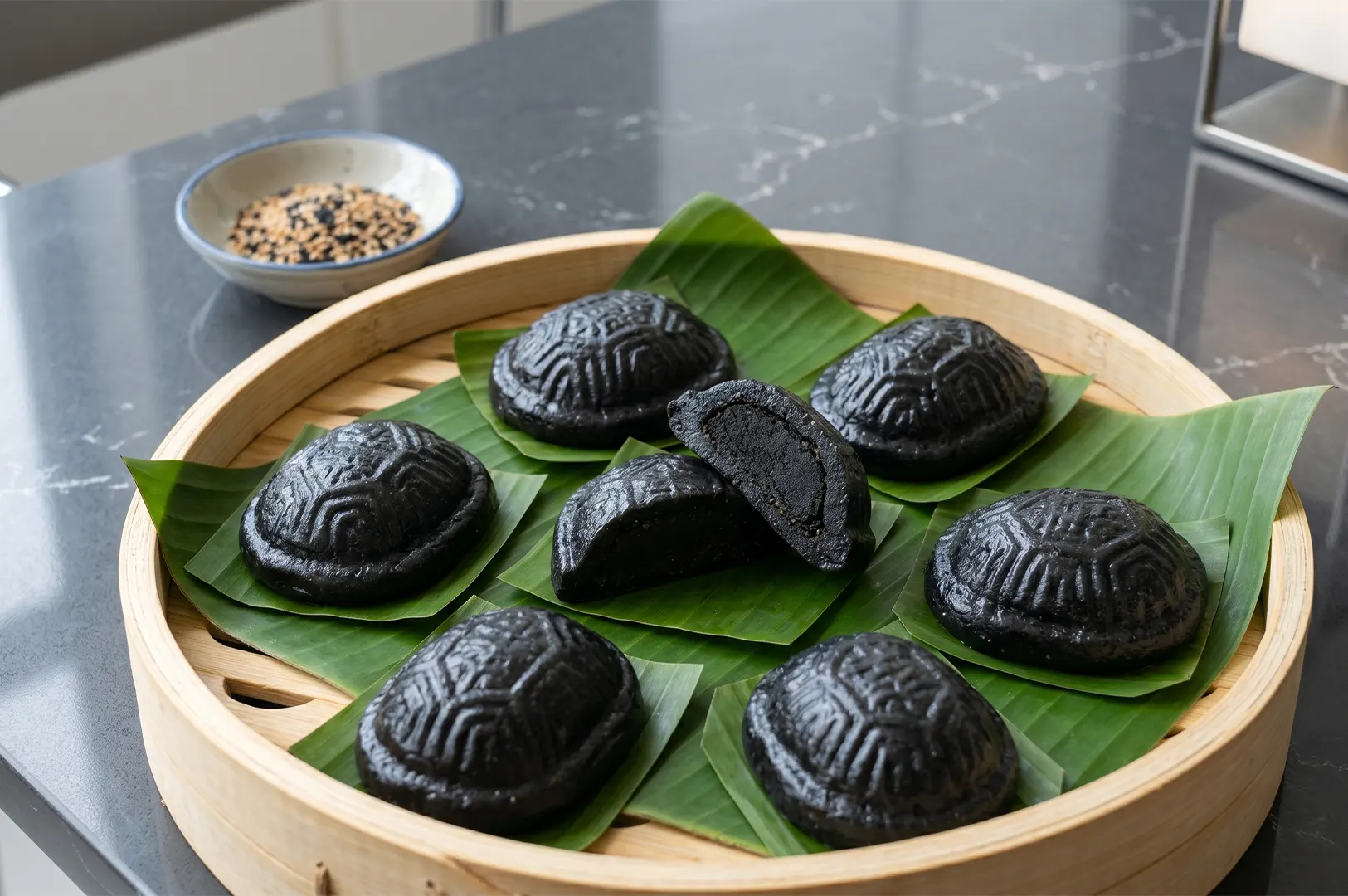
The Black Sesame carries real depth, ground rather than pasted, so each bite delivers strong nutty aroma. There’s not much added sweetener, which means it edges toward bitter by the third piece. One is enough, and one is genuinely satisfying.
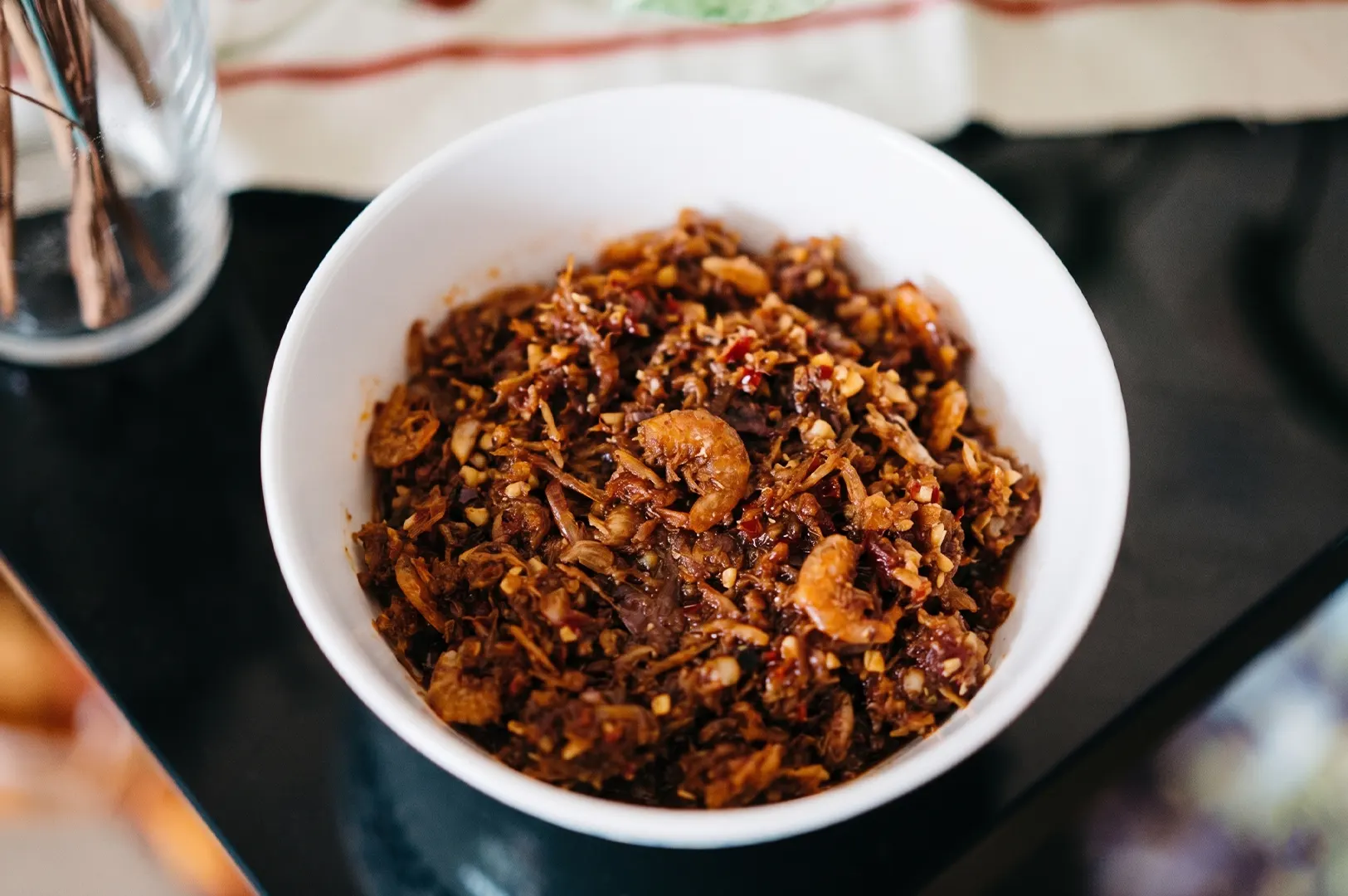
The Hae Bee Hiam is the conversation-starter: savoury, spiced, prawn floss inside a kueh that everyone expects to be sweet. Those who embraced Tan’s artistry enthusiastically tend to cite this flavour for its intelligent innovation. My piece ran a little dry and the skin felt heavier here. Still admirable in concept.
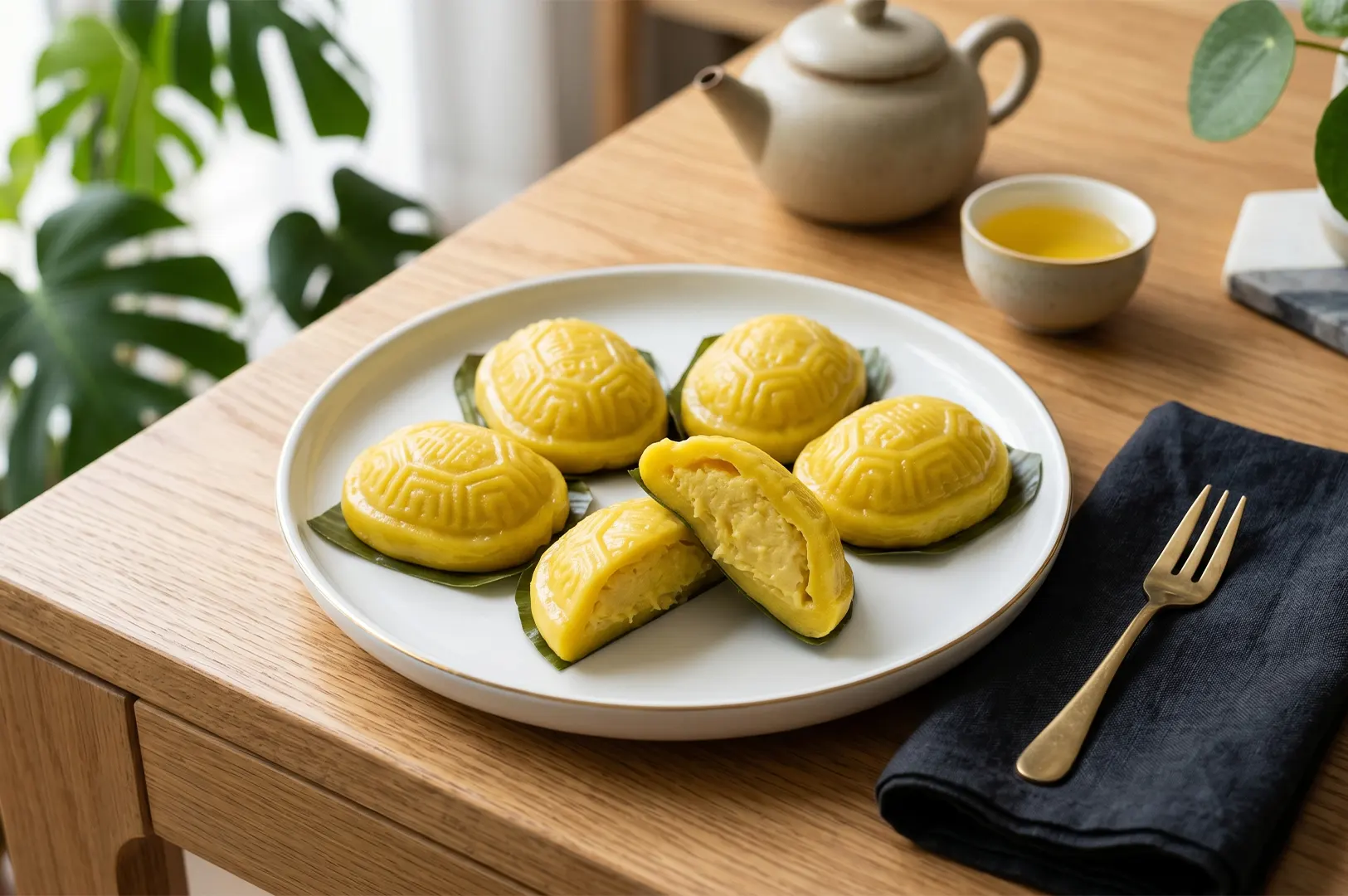
The Durian is a treat, not a staple. Bold, fragrant, luscious. Eat it last, or its aroma overtakes everything. It’s the one flavour on the menu where you consciously set aside the “lighter snack” framing and simply enjoy it.
A small honesty: the skin can run thick, and a few pieces sat a touch oily. If you’re drawn here for the healthier-leaning angle, the fillings are what deliver on that promise, not the wrapper.
Beyond the Ang Ku Kueh: The Rest of Kueh Ho Jiak's Menu
There’s more than sweets, which rounds this stall out nicely.
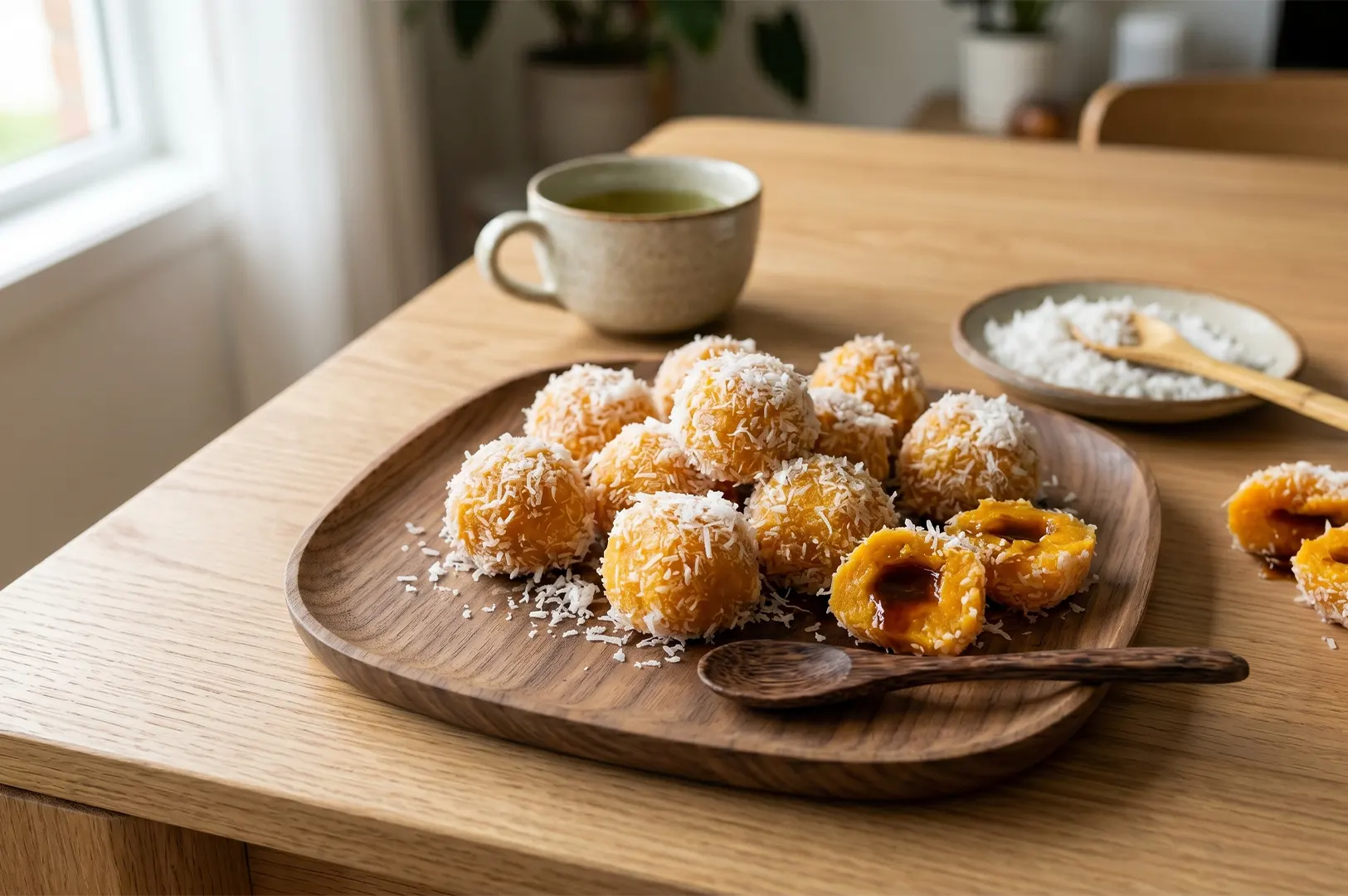
The Sweet Potato Ondeh Ondeh ($2 for four) was a small joy. Plump, chewy, with gula melaka that gave way mid-bite. The sweet potato base keeps the sugar more natural and the texture QQ in the best way.
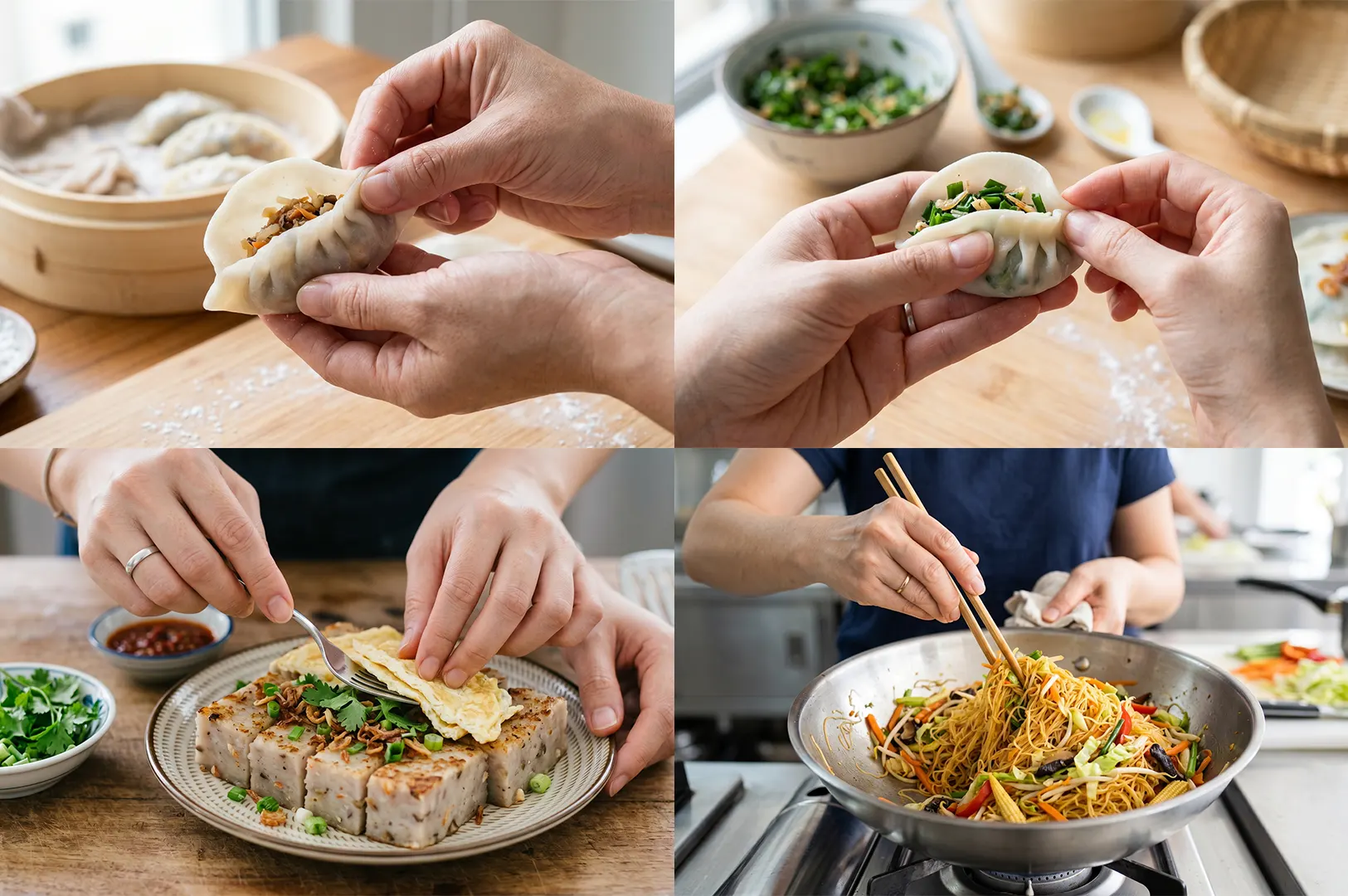
The savoury options are worth noting for anyone wanting a lighter start: Handmade Soon Kueh, Handmade Chives Kueh, a comforting Handmade Yam Cake with Egg, and a Vegetarian Oil Lee Bee Hoon. That last one is described as cooked without oil, which makes it one of the more genuinely light options on the menu.
Supporting Tan means choosing kueh that bridges cultures, whether you’re buying a single piece at the counter or ordering a gift box for a family gathering or even a Japanese corporation’s event. The three complementary elements at work here, natural ingredients, handmade care, and less-sweet recipes, quietly make the case that traditional kueh doesn’t have to feel like a compromise.
Kueh Ho Jiak: The Setting and Service
No frills here, and that’s the point. It’s a hawker stall in a working market. Shared seating, fans turning, the morning crowd drifting through. You order, you point, you carry your box to a table.
Staff retention is perpetually challenging in hawker culture, yet Kueh Ho Jiak has maintained consistency. That says something about the environment Tan and Elizabeth have built. No precise measurements existed for the older recipes, Tan has said. What endures is feel, instinct, and the same patient reverence passed from immediate family to the people now working beside them.
The catch: the kueh are handmade in batches, and they sell out. Come too late and the durian, the sesame, the prettier moulds may already be gone.
Practical Tips for Enjoying Kueh Ho Jiak's Delights
Nearest MRT: Tanjong Pagar, Exit A — approximately a 4-minute walk
Prices: Individual pieces range from $1.20 to $1.60
Opening hours: Monday to Wednesday and Friday to Saturday, 7:30am to 2:00pm; closed Thursday and Sunday
Local’s Tip: Go early for the best selection of flavours and moulds
Preorders: Available for mixed boxes, festive orders, and larger requests
Workshops: Free kueh samples included; held at the Chai Chee space, where women conduct sessions and young families gather for authentic bonding experiences around kueh making
The Verdict: Should You Eat Ang Ku Kueh from Kueh Ho Jiak?
I came in unsure about kueh wearing teddy-bear faces. I left holding an almost-empty box, and a clearer answer.
Kueh Ho Jiak isn’t selling diet food. It’s selling traditional kueh made with more care than most: naturally coloured with sweet potato, kept less sweet by design, handcrafted without preservatives, and portioned in snack-sized pieces that make it easy to stop at one or two. That’s a meaningful difference in today’s image-conscious landscape, where most sweet snacks don’t offer that kind of transparency.
Tan remains focused on sustaining tradition. She has said that kueh making transcends commerce, that it’s about meaningful connection and honest recognition of what we risk losing in the modern world if we stop paying attention. The daughter oversees digital operations while Tan favours the counter, the shaping, the smell of fresh pandan and coconut. That balance is what keeps Kueh Ho Jiak grounded.
Best for health-conscious snackers who still want something real, parents buying a cheerful and less-artificial treat for kids, office workers wanting a gentle morning bite, or anyone who’d rather feel kueh than just photograph it.
Buy a mixed box. Start with the yam and sweet potato. Let the durian have the last word. And if the skin feels a little thick, remember what’s inside it: real ingredients, real flavour, and a maker who decided a long time ago that less is more.
If you’d like to discover more stories like this one, visit Healthy Food Guide for honest, thoughtful writing on food that matters.