The first time I ordered mala in Singapore, I nearly walked away with a $28 bowl and no clue how it happened. The oily fragrance of dried chilli and Sichuan pepper filled the air near Bugis food centre. I grabbed a bowl, piled on ingredients, and handed it over, feeling pleased… until they weighed it. Prawns, sliced beef, and water-heavy oyster mushrooms pushed the price up. That lesson stuck.
Since then, mala has become a regular meal, not despite health concerns but because what you put in the bowl matters most. Here’s what you need to know about mala in Singapore, from ordering to choosing ingredients, plus tips for health reasons.
Mala in Singapore: What It Is
“Mala” means numbing (麻, má) and spicy (辣, là), thanks to Sichuan peppercorn and chilli. This combo creates a unique mala taste distinct from regular spicy food.
In Singapore, mala appears in several forms:
Mala Xiang Guo / Ma La Xiang Guo: Dry stir-fried ingredients in mala seasoning: rich, oily, intense. This is the classic mala xiang guo many love.
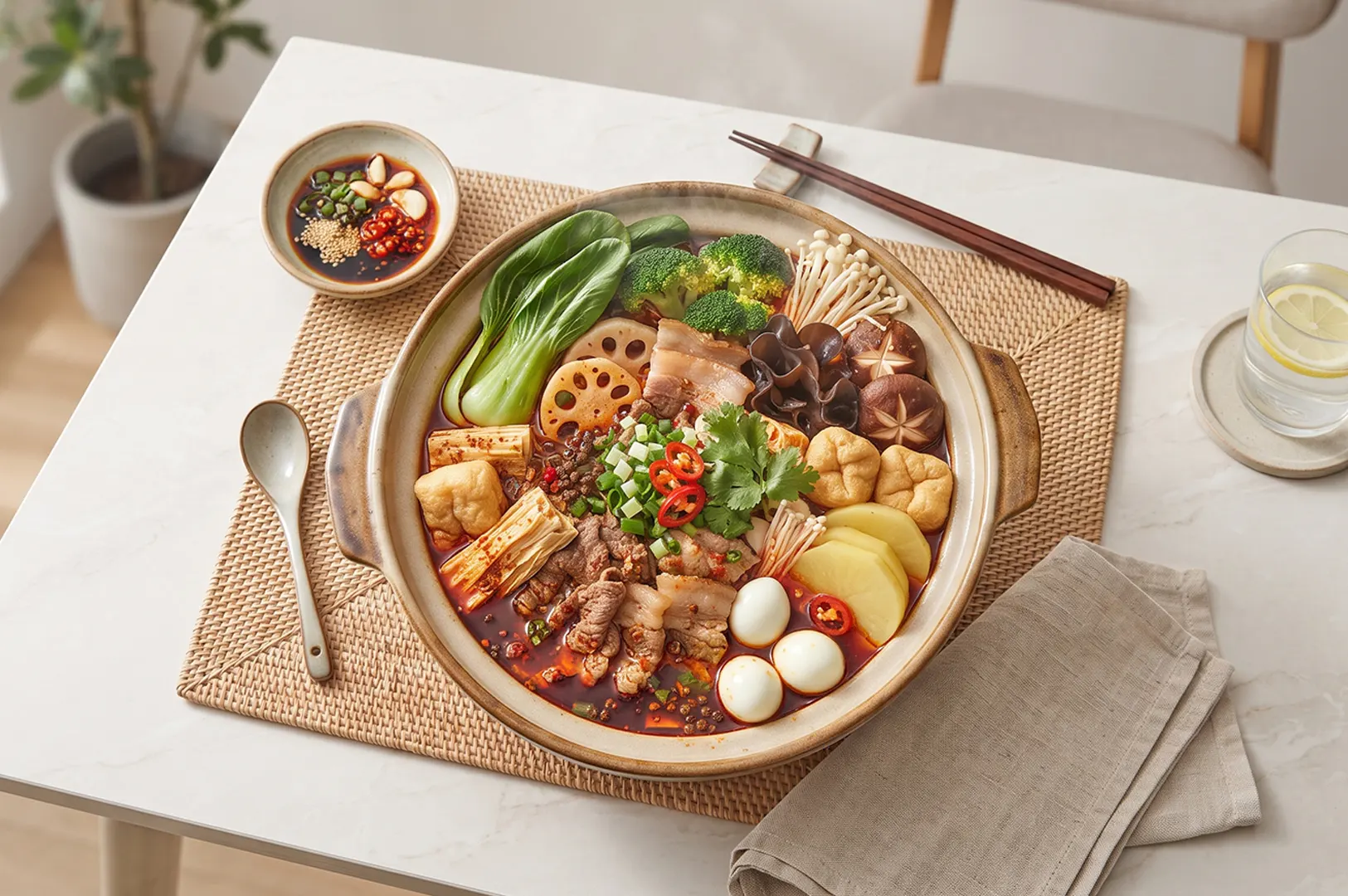
Mala Tang / Mala Soup: Ingredients cooked in a spicy broth, like a soup version of xiang guo. Softer spice and easier on digestion. Zhang Liang Mala Tang is a popular chain serving this soup version.
Mala Hot Pot / Mala Hotpot: A communal hot pot where you cook ingredients yourself in mala soup bases. Great for sharing, especially with two persons or groups.
Mala Ban: Ingredients tossed with mala sauce instead of fried, often less oily.
Most Singaporeans grew up eating mala xiang guo, but mala tang’s soup version is friendlier for beginners or dinner time.
How to Order Mala Xiang Guo and Mala Tang
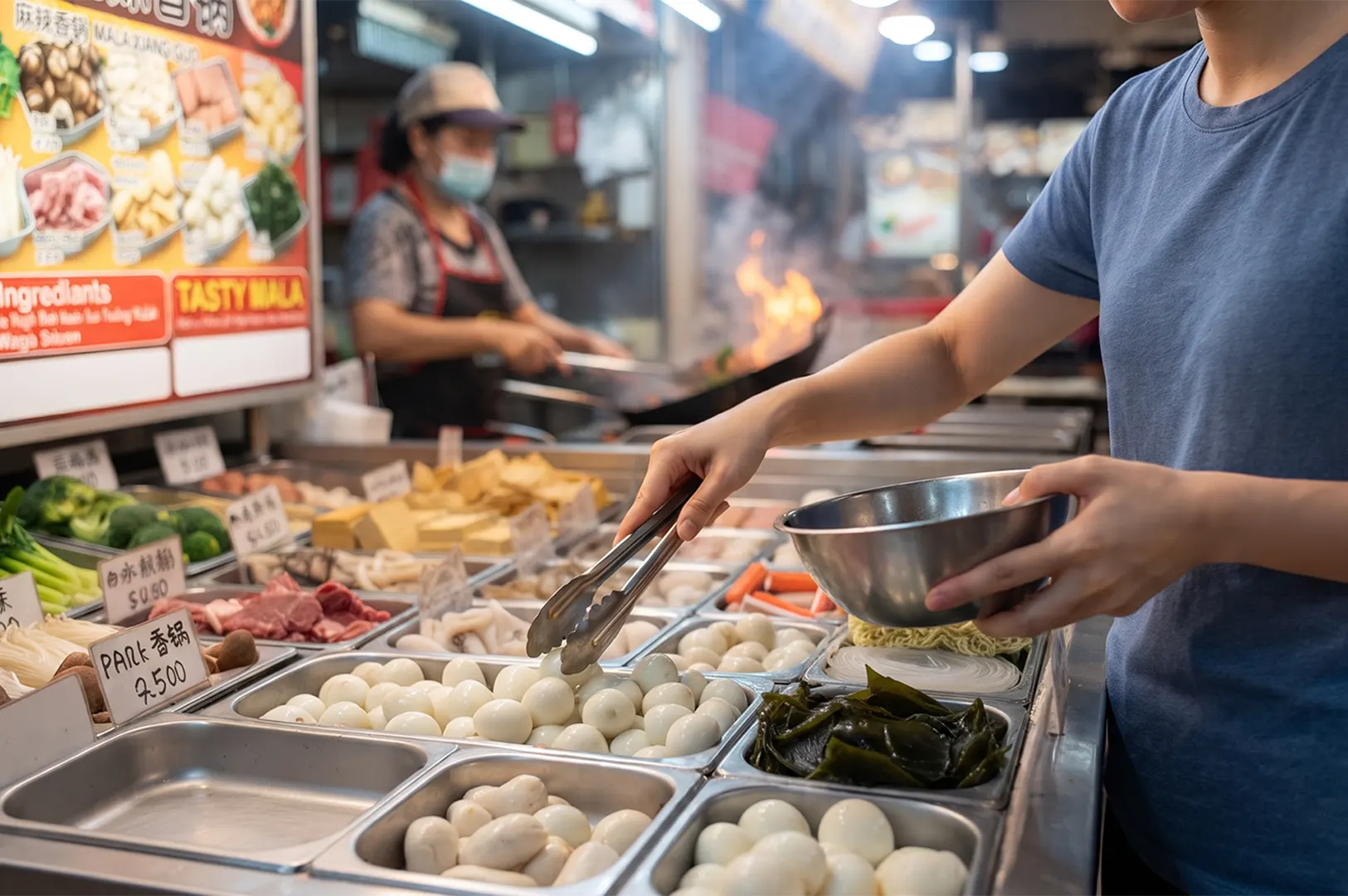
Ordering mala can be tricky for first-timers. Here’s the simple process:
Grab a bowl at the ingredient counter.
Use tongs to pick vegetables (black fungus, lotus root, oyster mushrooms), tofu, meats (mala chicken, pork belly, beef), noodles (instant noodles), and other items.
Bring your bowl to the cashier who weighs or counts your selection.
Choose cooking style: dry version or soup version. Pick your spice level (xiao la for light spice is a good start), and select soup bases if applicable (mala soup, tomato soup base, collagen soup, beef broth).
Pay and wait for your number.
Tip: Check the price board before picking. Ingredients like beef, prawns, and luncheon meat cost more, while vegetables are cheaper.
Understanding Spice Levels and Taste
Spice levels range from not spicy (bu la) to very hot (te la). Sichuan peppercorn delivers a numbing sensation, building as you eat. For most, starting with xiao la (light spice) or wei la (mild) is best to enjoy the mala taste without overwhelming heat.
Halal Mala Hot Pot Options
Halal mala hot pot is rarer due to meat sourcing and shared cooking equipment concerns. Look for MUIS halal certification for good quality assurance. Wan Xing Mala Hotpot and halal stalls at Paya Lebar Square and Changi City Point offer halal options with adjustable spice levels and less oil or salt upon request.
Is Mala Healthy? The Real Story
Mala’s healthiness depends on your ingredient choices and cooking style. Vegetables like lotus root, Chinese cabbage, bok choy, black fungus, oyster mushrooms, and tofu skin are nourishing and low-calorie. Lean proteins such as mala chicken and dory fish are better picks than pork belly or luncheon meat, which are high in sodium and fat.
Processed extras like luncheon meat and instant noodles add sodium and calories. Treat these as occasional indulgences, not staples. A bowl overloaded with oily sauce, processed meats, and multiple noodle types can quickly become unhealthy.
Lotus Root and Vegetables: The Healthy Base
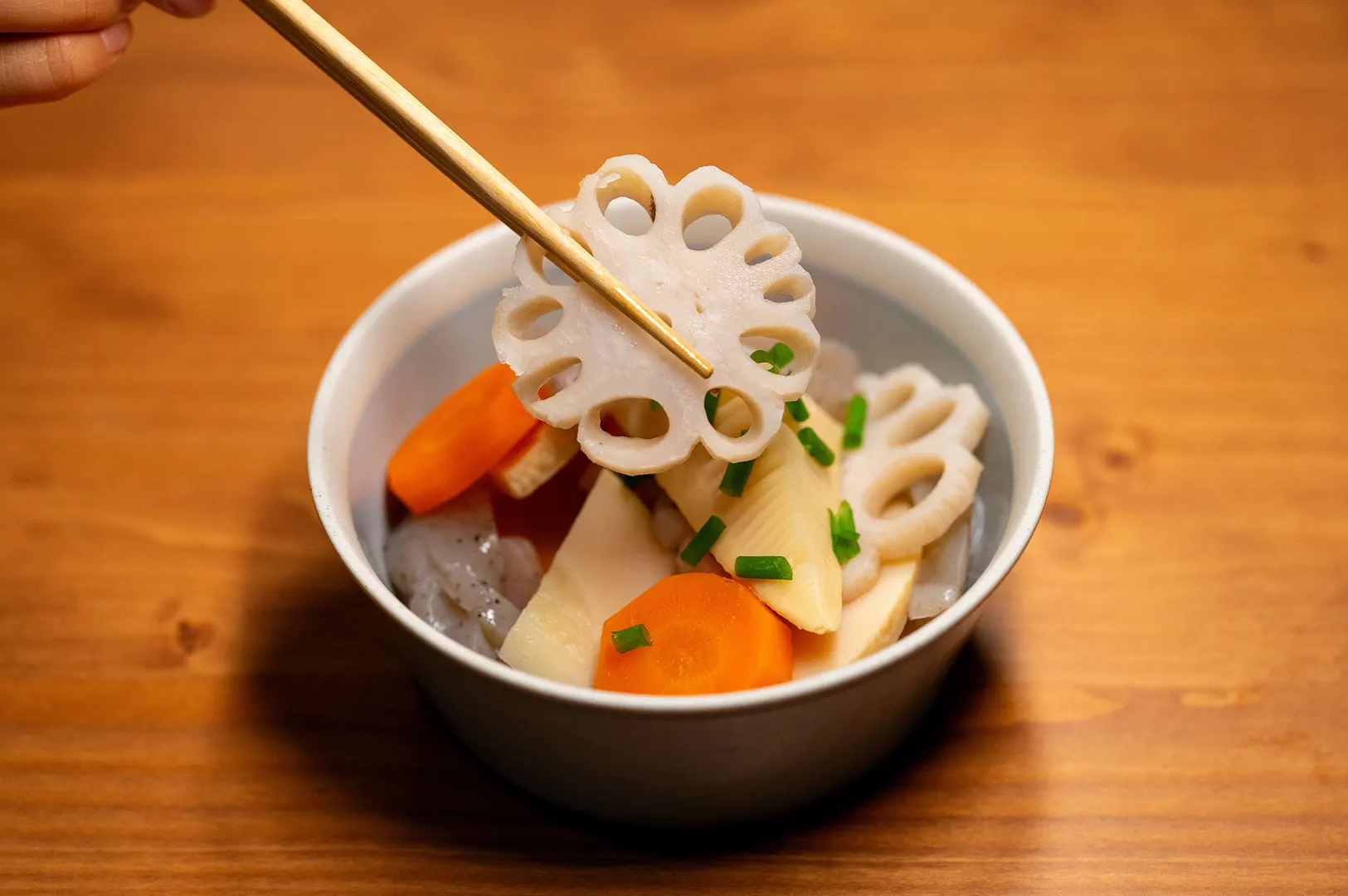
Lotus root is a favorite for its crunch and ability to absorb mala sauce without getting soggy. Along with black fungus and oyster mushrooms, these vegetables form a satisfying, healthy base. Pile your bowl half full with such vegetables for balance.
Hot Pot or Dry Xiang Guo: Which to Choose?
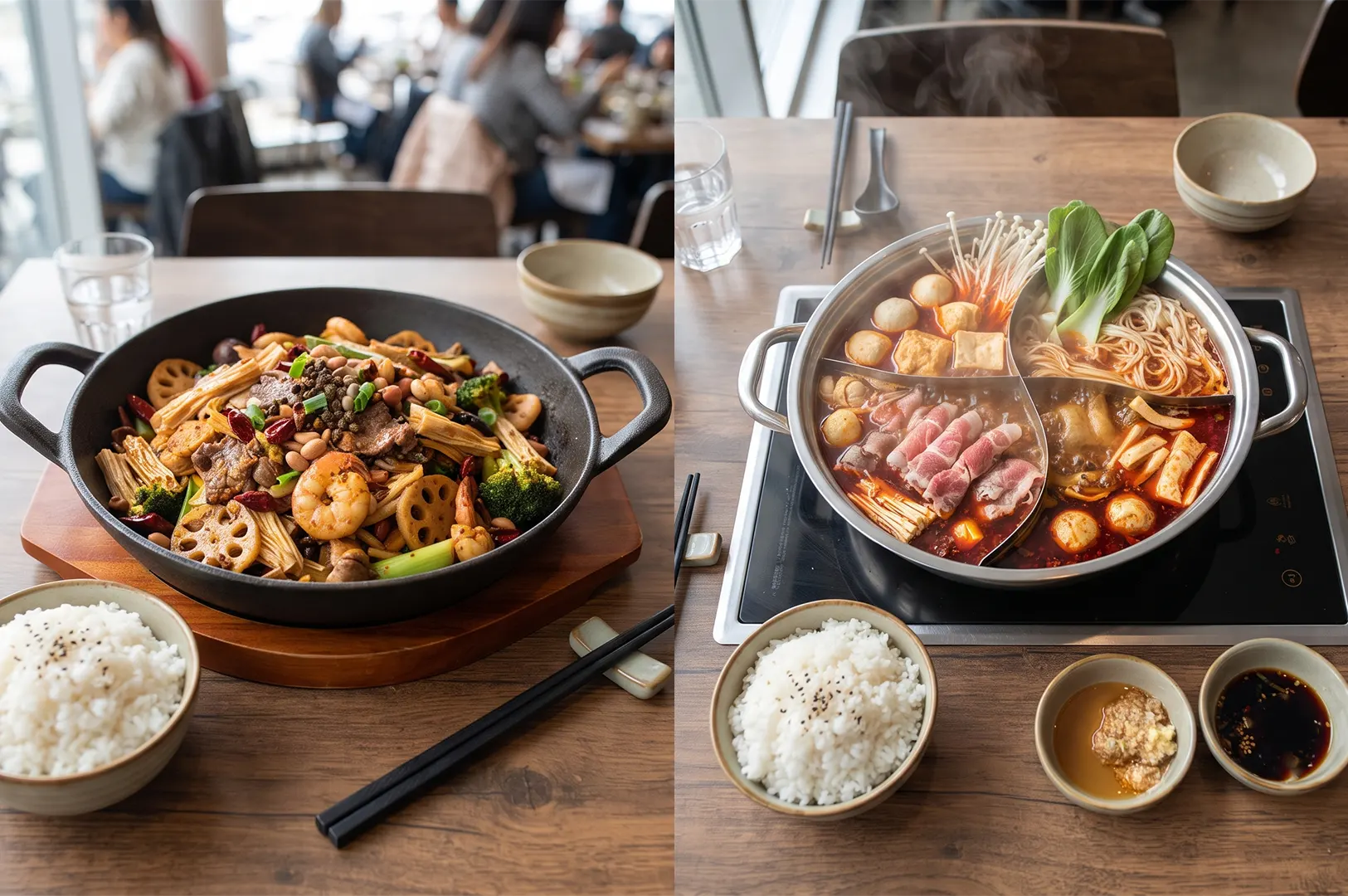
Dry version (mala xiang guo): Stir-fried, oilier, more intense flavor, great for sharing with two persons or more.
Soup version (mala tang or mala hot pot): Broth-based, lighter on the stomach, with soup bases like mala soup, tomato soup base, collagen soup, or beef broth. Ideal for solo diners or lighter meals.
Best Mala Xiang Guo: What to Look For
The best mala xiang guo places have fresh ingredients, clear spice level options, transparent pricing, and a sauce bar or condiments section for customization. Hong Mala Xiang Guo and Ri Hong Mala Xiang are well-known for their fragrant, balanced mala sauces. Wan Xing Mala Hotpot is praised for consistent taste and affordable price.
Convenient outlets near Kio Avenue, Changi City Point, Pasir Ris, Upper Changi Road, Paya Lebar Square, SingPost Centre, West Mall, and town area make it easy to satisfy mala cravings.
For those interested in vegetarian options, check out this guide to Ascend Vegetarian Mala in Singapore for a flavorful plant-based mala experience.
Food Centre and Hawker Centre Mala: Affordable and Authentic
Hawker centre mala stalls often have two stalls side by side with slight variations in spice and sauce. They offer generous portions at affordable prices but shorter operating hours. These stalls may not have a nice environment but serve some of the best mala xiang guo in Singapore. Expect long queues at popular spots like two stalls at People’s Park Complex.
Explore more vegetarian hawker centre stalls in Singapore here for a wider variety of meat-free delights.
Managing Oil and Salt for Health Reasons
Ordering less oil (shao you) and less salt (shao yan) is a simple way to enjoy mala without excess calories or sodium. Most mala eateries accommodate these requests, especially during off-peak hours.
Avoid drinking the oily mala soup at the bottom and limit free flow sauces or sides, which can be high in sodium.
Free Flow Condiments and Sauce Bar: Use Wisely
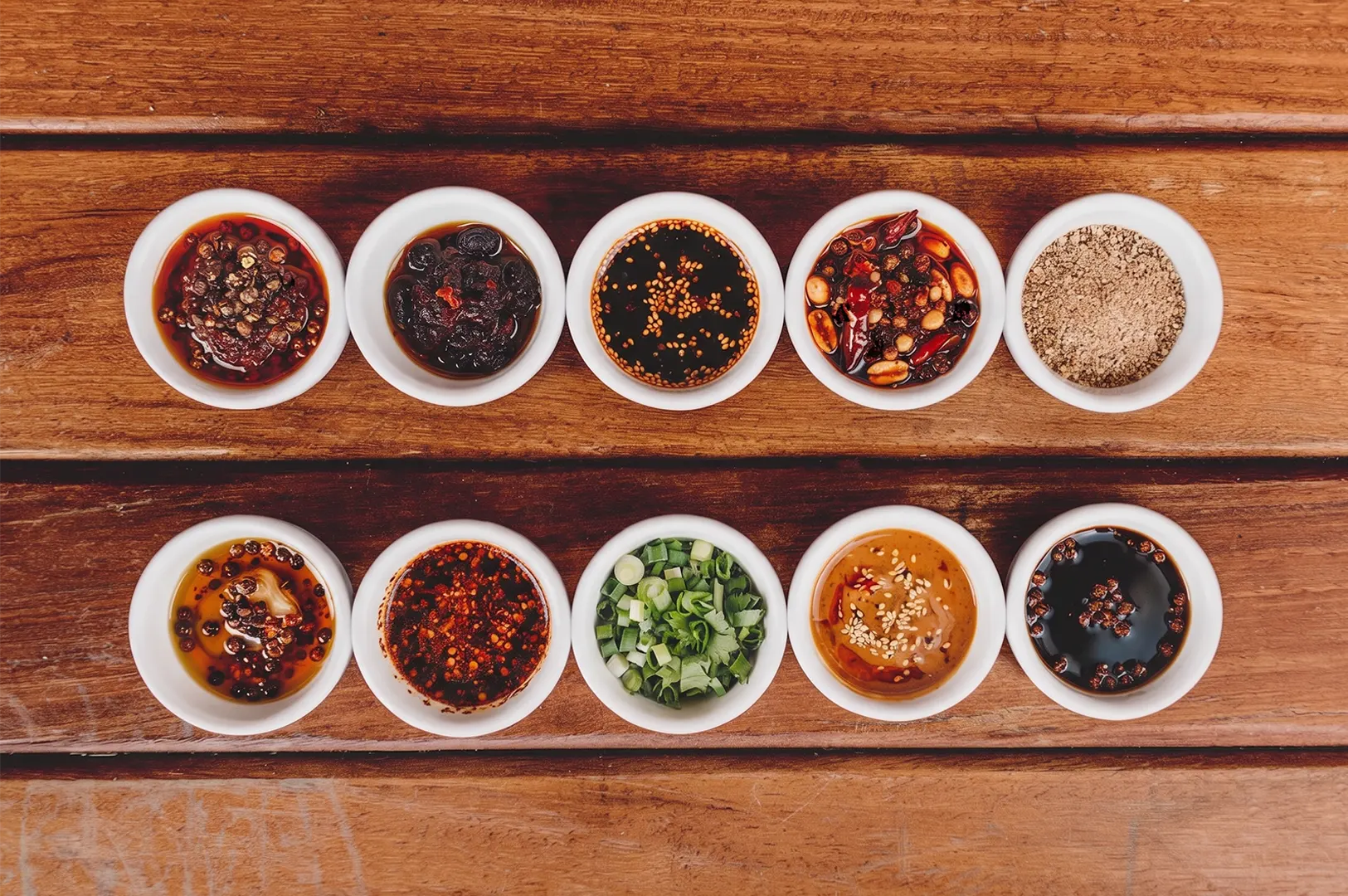
Many mala places offer free flow condiments and a sauce bar for extra flavor. Use these sparingly to avoid overloading on salt and oil.
Vegetarian Options at Mala Stalls
Vegetarian options include tofu, tofu skin, mushrooms, and vegetables. However, bases and sauces may contain animal products like oyster sauce or shrimp paste. Ask about ingredients if you require strict vegetarian or vegan dishes.
Common Mistakes and Tips for Ordering
Overfilling the bowl leads to overspending.
Not checking prices of expensive items like beef or prawns.
Choosing multiple noodle types, which adds unnecessary carbs.
Changing ingredients after picking creates hygiene issues.
Ignoring operating hours, especially at hawker centres.
Collagen Soup and Other Soup Bases
If mala soup is too intense, try alternatives like collagen soup (richer but higher fat), tomato soup base (lighter and slightly sweet), or beef broth (umami-rich). These options help manage spice levels and offer variety.
Hot Hideout and Other Notable Mala Eateries
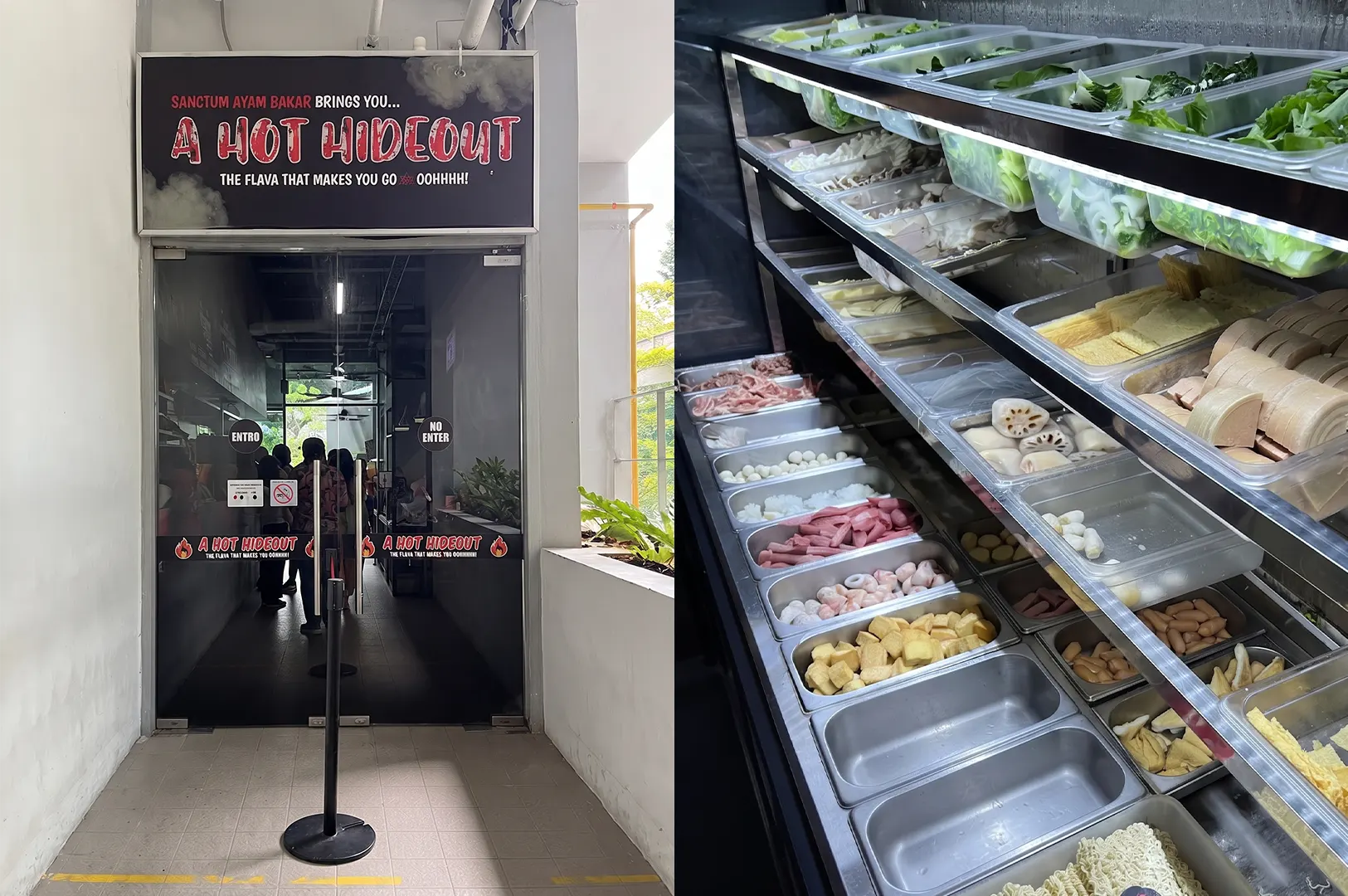
Hot Hideout offers a sit-down mala hot pot experience with cooked properly ingredients and a relaxed atmosphere, ideal for dinner time. Other mala places like You La and Hong Mala Xiang Guo are known for their authentic mala taste and quality.
Final Thoughts: Building Your Perfect Bowl
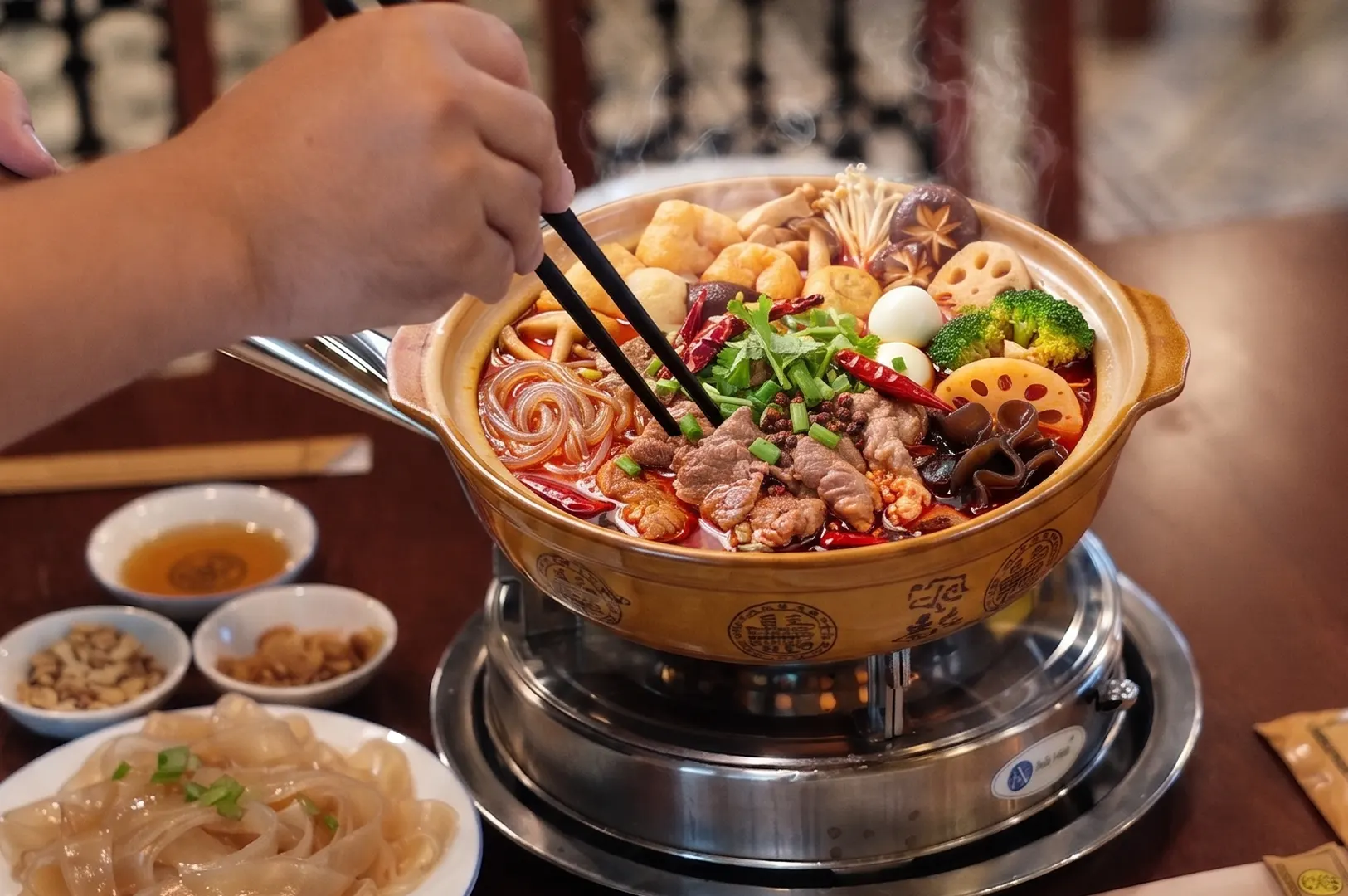
Aim for a balanced bowl: half vegetables and mushrooms (lotus root, black fungus, oyster mushrooms), a quarter lean protein (mala chicken, dory fish), and a quarter noodles or starch (limit instant noodles). Ask for less oil and salt, and enjoy the mala taste without overdoing the spice or calories.
Whether at a hawker centre, food centre, or mala eatery in Singapore, mala can be a healthy and satisfying meal when chosen thoughtfully.
FAQ
Does spicy food make mala unhealthy?
No. The spice comes from chilli and Sichuan peppercorn, which have nutrients. The health concerns come from oil, sodium, and processed ingredients.
What if mala upsets my stomach?
Capsaicin can irritate some stomachs. Start with mild spice (xiao la), eat slowly, and build tolerance.
Where can I find halal mala hot pot?
Look for certified halal stalls like Wan Xing Mala Hotpot and options at Paya Lebar Square and Changi City Point.
When is the best time to visit mala stalls?
Before noon, mid-afternoon, or before dinner rush to avoid long queues.
How to reduce oil and salt in mala?
Request “less oil, less salt” (shao you shao yan) when ordering.
Mala in Singapore offers a rich, spicy, and numbing culinary experience. With mindful choices such as fresh vegetables, lean proteins, moderate spice, and less oil, you can enjoy the best mala xiang guo, mala hot pot, or mala tang without guilt. Whether you crave the dry version or the soup version, the right mala place and ingredients make all the difference. Happy eating!
For more tips on healthy eating and delicious mala options, visit Healthy Food Guide today.