When I hear the words “sustainable diet,” I do not immediately think about perfectly portioned meal-prep containers or a fridge stocked with expensive ingredients. I think about something much simpler: a way of eating that I can actually keep doing.
That matters because even the most nutritious meal plan has limited value if it only works for a week.
For me, sustainable eating starts with accepting what daily life really looks like. Some mornings are rushed. Some days involve eating lunch near the office. There are evenings when cooking from scratch simply is not going to happen. Instead of treating these situations as failures, I think a better approach is to build healthy choices around them.
If I regularly eat at hawker centres, for example, I do not need to replace that routine with elaborate home cooking. I can choose meals with vegetables, include a useful source of protein, ask for less gravy when appropriate, or choose water instead of a sweet drink. These are small decisions, but they are much easier to repeat than a complete lifestyle overhaul.
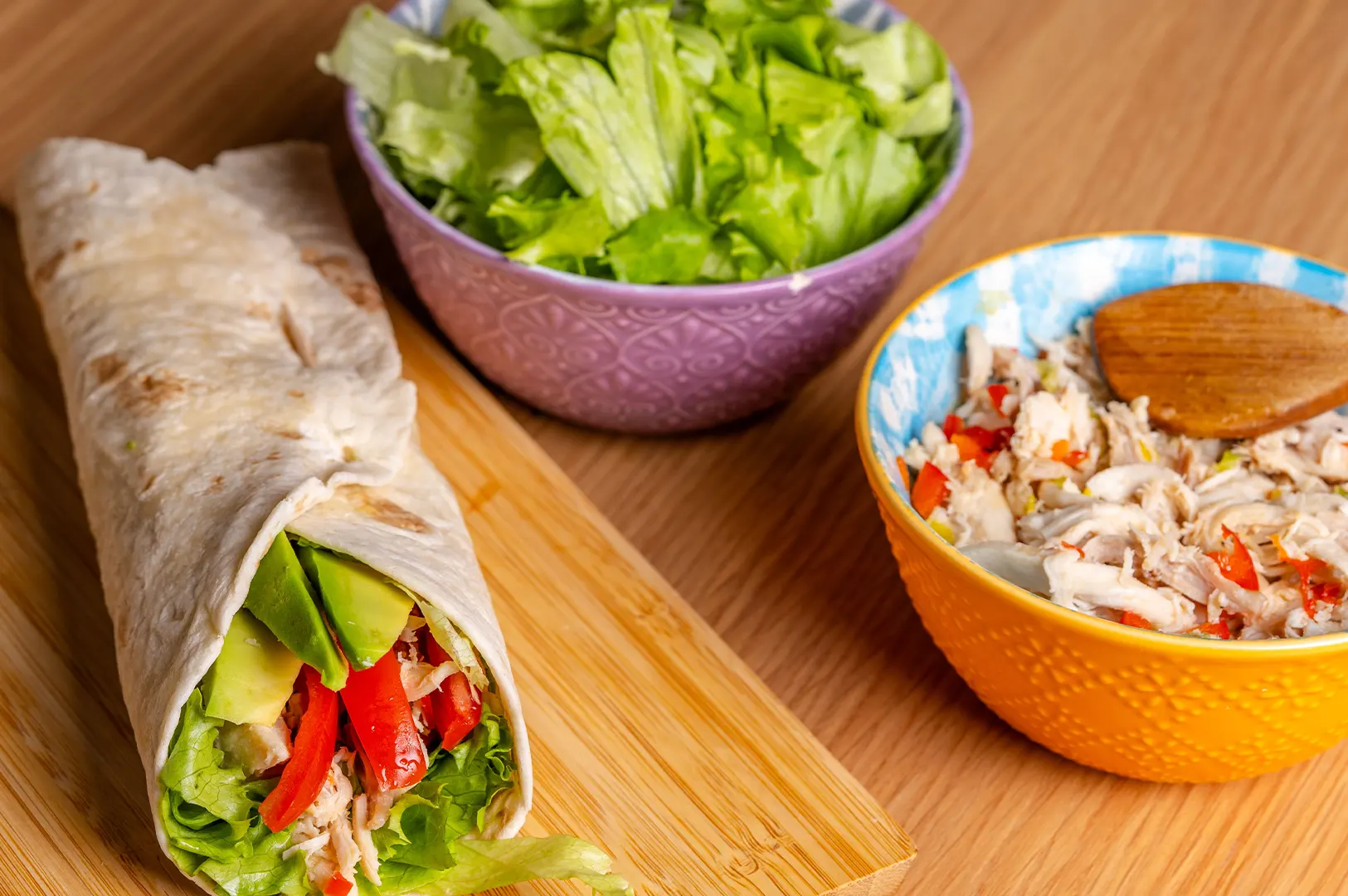
The same applies at home. A balanced dinner does not have to involve twelve ingredients and an hour in the kitchen. Rice, vegetables, eggs and tofu can make a practical meal. Wholegrain bread with eggs and fruit can work when time is short. Frozen vegetables, canned beans and other convenient staples can also make everyday cooking easier.
I also think repetition gets an unfair reputation. There is nothing wrong with having a few dependable breakfasts, lunches or dinners that you rotate throughout the week. In fact, knowing what works can reduce the amount of planning required. Healthy eating becomes less about constantly finding new recipes and more about creating a routine you barely have to think about.
Flexibility is just as important. Birthdays, holidays, takeaway nights and meals with friends are part of normal life. A sustainable diet should have space for them. I would rather enjoy these occasions and return to my usual eating pattern afterward than follow strict rules that make every social meal feel like a problem.
That is why I do not judge a diet by how impressive it looks on social media. I judge it by whether it still makes sense on a busy Tuesday, during a stressful week, or when there is nothing prepared in the fridge.
Healthy eating does not need to take over my schedule. Ideally, it should quietly become part of it. A few sensible defaults, convenient ingredients and flexible choices can go much further than an ambitious plan that is difficult to maintain.
The most sustainable diet, in the end, is not the most complicated one. It is the one that fits comfortably enough into real life that I can keep coming back to it.
For more practical ideas that make everyday healthy eating easier, visit Healthy Food Guide.