

I remember sitting at my desk a few years ago at 3:00 PM, staring blankly at my computer screen. My heart was racing, my focus was shattered, and a familiar wave of unexplained anxiety was creeping in. I had just eaten a massive plate of refined rice noodles and a highly sweetened iced coffee from a local coffee shop for lunch. I struggled with this too for a long time before I finally connected the dots: my midday food choices were directly fueling my afternoon emotional crashes and affecting my mental health outcomes. This was my personal wake-up call to the profound link between food and mental well being.
You are probably wondering how a simple plate of food can actually change your thoughts and feelings. We often treat our brains and our bodies as two completely separate entities. However, the truth is that your brain is an incredibly hungry organ, and the quality of the fuel you give it dictates exactly how it performs in daily life. In my experience, once you understand how to nourish your brain, eating for mental wellness becomes the most empowering form of self care you can practice to improve mental health.
The Science of the Gut-Brain Connection and Mental Health Promotion
To truly understand how food affects your mood and mental health conditions, we have to look at your stomach. Your gut and your brain are in constant communication through a superhighway called the vagus nerve. This is the foundation of the gut-brain connection. Remarkably, about 90 percent of your body’s serotonin, the neurotransmitter responsible for feelings of happiness and well being, is produced in your digestive tract.
If your gut is filled with highly processed, nutrient-poor foods, that communication highway gets jammed. Your body struggles to produce the chemicals you need to feel calm and joyful, increasing risk factors for mental illness and anxiety. I’ve noticed that when I prioritize high-fiber foods like vegetables, lentils, and whole grains, my digestion improves and my mental clarity sharpens almost simultaneously. A healthy gut environment creates a happy, resilient mind and builds resilience against stressful situations.
Nutrients That Feed Your Mood and Support Better Mental Health
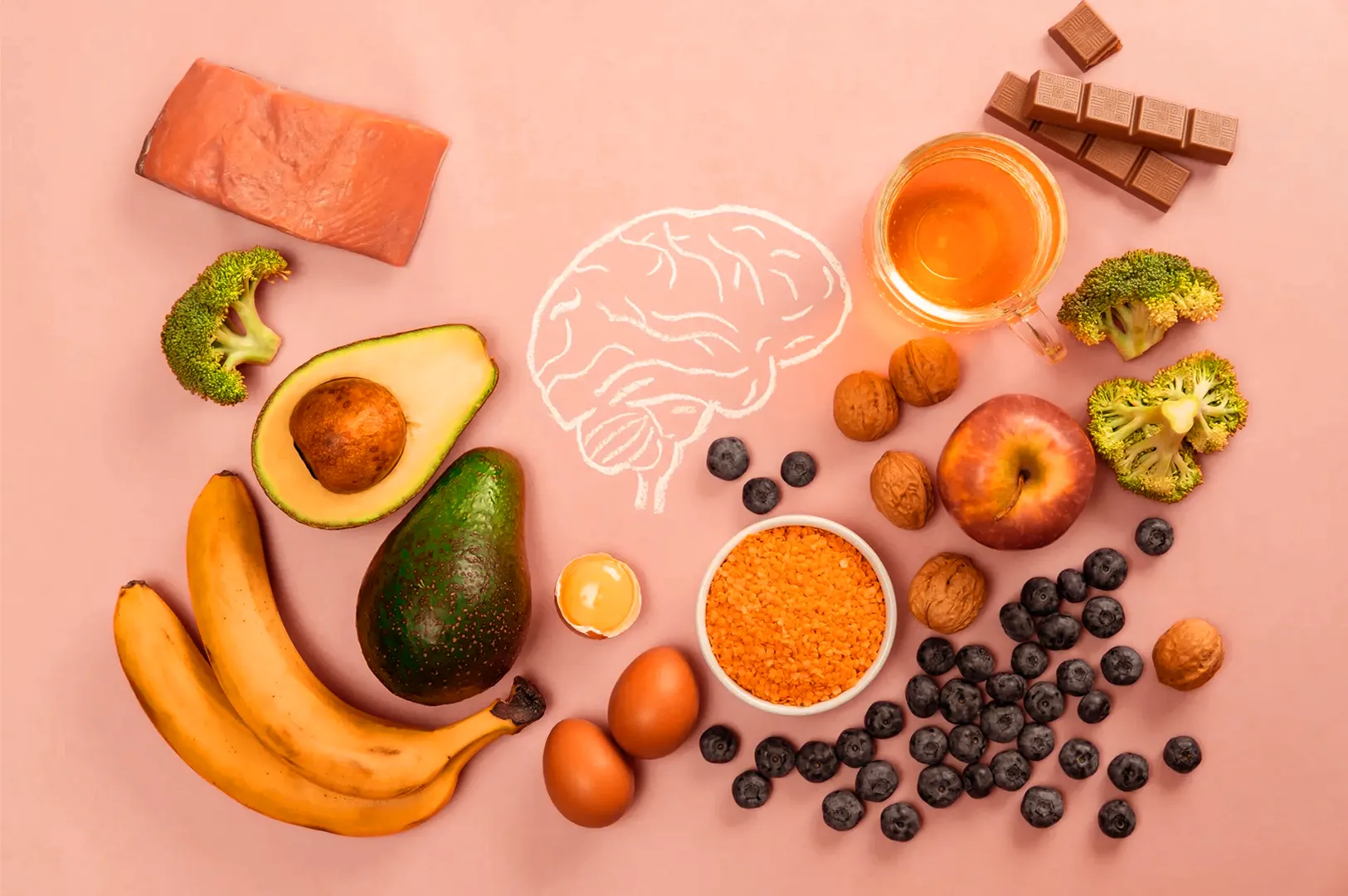
When we talk about mood-boosting foods, we are really talking about specific nutrients that your brain needs to synthesize neurotransmitters. You might find that adding just a few of these key elements completely shifts your daily energy and helps with stress management.
Omega-3 fatty acids are absolutely crucial. These healthy fats literally build the cell membranes in your brain. I think the best way to get them is by eating fatty fish like salmon or mackerel twice a week. If you are plant-based, walnuts and chia seeds are fantastic alternatives.
B vitamins and amino acids are equally important. They act as the raw materials your brain uses to create dopamine and serotonin. I’d suggest incorporating foods like eggs, leafy greens, and lean poultry into your weekly rotation. These ingredients provide the building blocks your brain requires to regulate your emotions smoothly and improve mental health care.
Insider knowledge: You do not need expensive supplements to get these benefits. A simple spinach omelet cooked in a little olive oil provides a massive dose of B vitamins, amino acids, and healthy fats all in one delicious, affordable package.
The Blood Sugar Rollercoaster and Its Impact on Mental Disorders
Many people worry that they have clinical anxiety or depression when, in reality, they are experiencing extreme blood sugar fluctuations. When you eat a meal high in refined carbohydrates and sugar, your blood glucose spikes. Your body responds by pumping out insulin to bring it down, leading to a sudden crash.
This crash triggers the release of stress hormones like cortisol and adrenaline. The physical sensation of a blood sugar crash, which includes shakiness, heart palpitations, and irritability, perfectly mimics a panic attack. Nutrition and anxiety are deeply linked in this way. By anchoring your meals with solid proteins and healthy fats, you stabilize your blood sugar and protect your emotional stability and mental well being.
Cooling the Fire: Inflammation, Environmental Factors, and Mental Health Problems
Chronic inflammation is a major player in many mental health conditions like depression, anxiety, and chronic stress. Diets heavily reliant on deep-fried foods, artificial additives, and refined sugars keep your body in a constant state of low-grade inflammation. This inflammation travels straight to the brain, manifesting as brain fog, low motivation, and persistent sadness.
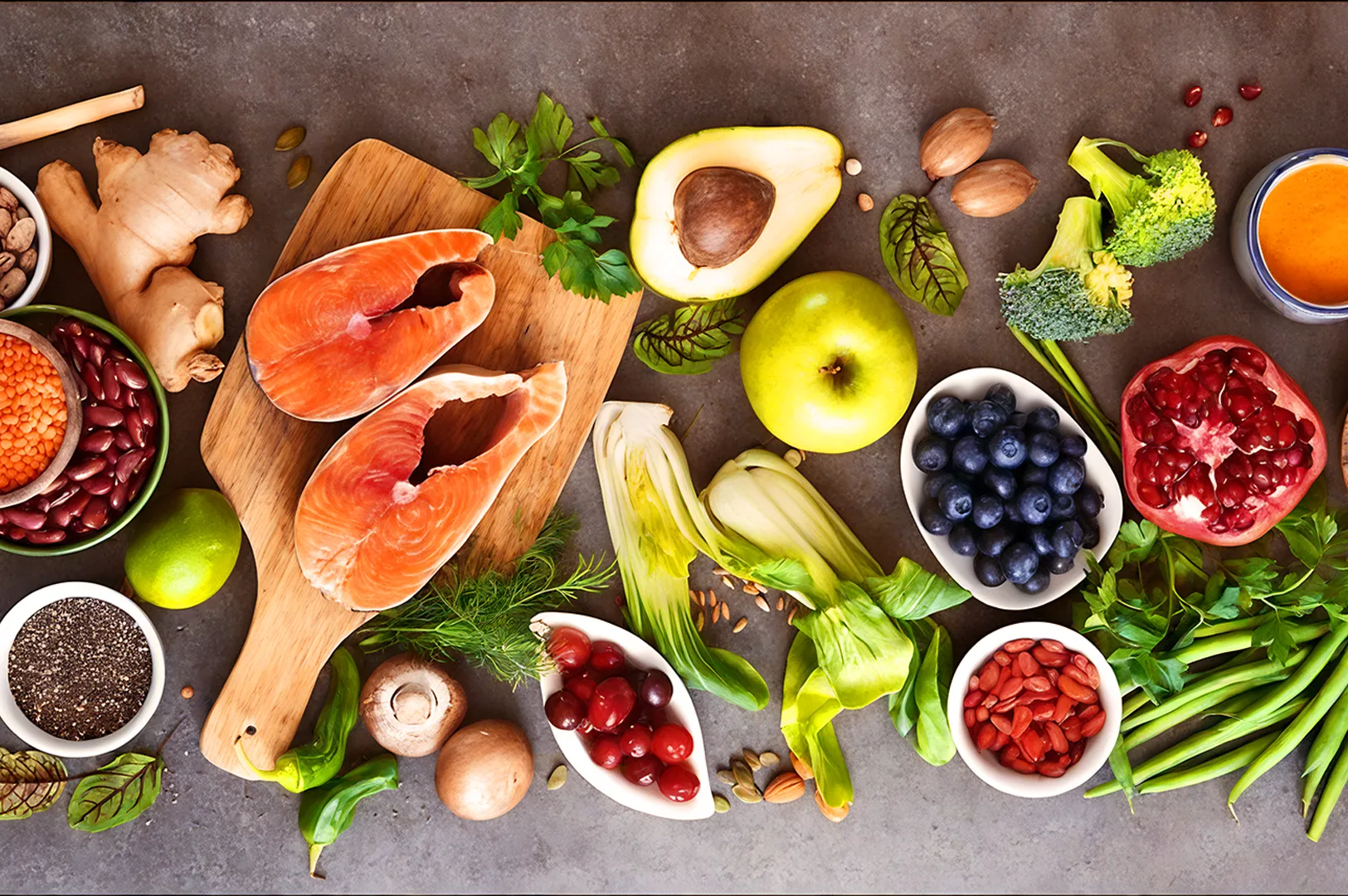
Environmental factors such as climate change and structural factors like poor access to quality education and health care also influence mental health outcomes. What works for me is actively choosing foods that cool this internal fire. Vibrant, antioxidant-rich foods like blueberries, dark leafy greens, turmeric, and ginger are my go-to ingredients. They act as natural fire extinguishers for your nervous system.
To explore more about Antioxidant food and it’s nature, just visit and click Antioxidant Food and Everyday Eating in Singapore for more educational insights.
Real-World Meals for Mental Wellness: Dishes from a Melting Pot of Cultures
Let us look at how this plays out on a daily basis. A classic mood-crushing breakfast might be a heavily sweetened bakery pastry and a sugary coffee from a coffee shop. It gives you a quick rush, followed by a devastating mid-morning slump where you feel irritable and unfocused.
Conversely, a meal designed to support mental wellness looks very different. I prefer starting my day with a bowl of rolled oats topped with walnuts, a handful of fresh berries, and a spoonful of Greek yogurt. This combination offers slow-releasing complex carbohydrates for steady energy, healthy fats for brain structure, and probiotics for gut health.
This isn’t always easy to prepare on a busy morning, but the mental payoff is completely worth the extra five minutes.
Iconic Singapore Dishes That Blend Chinese, Malay, and Indian Influences and Support Mental Health

Singapore’s food scene is a true melting pot, and many traditional dishes offer ingredients that promote mental health and physical health alike.
Hainanese Chicken Rice and Fragrant Rice Cooked with Pandan Leaves
Hainanese chicken rice is a national favorite, featuring tender poached chicken served with fragrant rice cooked in chicken fat, garlic, ginger, and pandan leaves. This dish is often accompanied by chili sauce, dark soy sauce, and soft boiled eggs, providing a balanced meal that supports mental wellness and energy.
Personal tip: When enjoying Hainanese chicken rice, try savoring the fragrant rice with a little bit of the chili sauce first, it awakens your taste buds and sets a flavorful tone for the rest of the meal.
Char Kway Teow and Rice Noodles Stir-Fried to Perfection
Char kway teow is a popular hawker centre dish made from flat rice noodles stir-fried with eggs, seafood, Chinese sausage, and bean sprouts in dark soy sauce. It’s a smoky, savory dish that blends Chinese flavors with local ingredients, often found at the best hawker stalls.
Whenever I eat char kway teow, I love how the smoky aroma hits me first, and the combination of textures, from the tender noodles to the slight crunch of bean sprouts, never fails to satisfy my cravings.
My observation: It’s one of those dishes that feels like a warm, comforting hug from Singapore’s vibrant food culture.
Kaya Toast, Shaved Ice, and Peranakan Food: Breakfast and Dessert Staples
Kaya toast, a breakfast staple, features toasted bread spread with kaya (a coconut milk and egg jam) and butter, often served with soft boiled eggs and kopi coffee. Shaved ice desserts topped with red beans and other sweet toppings offer a refreshing treat, especially in Singapore’s tropical climate.
Peranakan food, blending Chinese and Malay culinary traditions, offers aromatic dishes rich in spices and herbs, supporting both mental health promotion and enjoyment.
Insider tip: For an authentic experience, try pairing your kaya toast with a cup of traditional kopi at a local coffee shop, it’s a simple yet perfect way to start your day in Singapore.
Adolescent Mental Health and the Role of Food

Adolescence is a critical period for mental health development, with many mental health conditions first appearing during this stage. Proper nutrition plays a vital role in supporting adolescent mental health by providing essential nutrients for brain development and emotional regulation.
Poor diet and exposure to risk factors such as substance use, stressful situations, and lack of access to mental health support can increase the higher risk of developing mental disorders in adolescents. Promoting healthy eating habits and emotional learning in schools and communities can serve as protective factors to improve mental health outcomes for young people.
The Importance of Caregivers, Community, and Peer Support in Mental Health Care
Mental health care extends beyond individual treatment to include caregivers, family, and community support. Caregivers play a crucial role in managing mental health problems by providing emotional support, assisting with treatment adherence, and helping navigate mental health services.
Communities that foster peer support and problem solving can significantly improve mental wellness by reducing stigma and promoting human rights for people with mental illness. Access to quality education programs within communities strengthens protective factors and builds resilience against mental health conditions.
Practical Tips for Stress Management and Healthy Living Through Food

Transitioning to a brain-healthy diet can feel overwhelming. Please know that perfection is never the goal. If you are used to eating a lot of processed foods from hawker stalls or fast food, suddenly switching to a completely whole-food diet is incredibly jarring.
Start with one meal. Just one. Tomorrow morning, swap your usual sugary cereal for eggs and whole-grain toast. Pay attention to how you feel three hours later. This takes about a week to notice significant, consistent changes in your baseline mood and energy levels. Be patient with yourself and seek peer support if possible.
Pro tip: Keep a simple food-mood journal. Jot down what you ate for lunch and how you felt at 3:00 PM. You will quickly identify your personal trigger foods and the meals that make you feel unstoppable.
Empower Your Mind Through Your Plate: Food as a Tool for Mental Health Care and Prevention
The connection between what is on your fork and what is in your mind is undeniably powerful. Every time you sit down to eat, you have a beautiful opportunity to nourish your brain, calm your nervous system, and build emotional resilience.
I challenge you to look at your next meal not just as calories, but as vital information you are sending to your brain. Embrace the vibrant, delicious mood-boosting foods available to you. Experiment with whole grains, colorful vegetables, and rich, healthy fats. Making these small, mindful changes will not just transform your physical health; they will help you build better mental health and a far more vibrant mind.
Eating well is a form of self care that supports your mental health promotion, prevention of mental disorders, and overall wellbeing, helping you face life’s challenges with greater strength and clarity.