

I still remember the first time I stood in the aisle of a Singaporean supermarket, staring at the wall of cooking oils. I was a young culinary student, fresh out of training, and convinced that “fat” was a four-letter word to be avoided at all costs. My basket was full of “low-fat” everything: yogurt, crackers, even salad dressing. I thought I was being virtuous.
Fast forward a decade, and I realized my mistake. I was sluggish, my skin was dull, and worst of all, my food tasted like cardboard.
But here is the catch, not all fats are created equal. There are different types of fat, including saturated fat, trans fats, monounsaturated fats, and polyunsaturated fats, each affecting heart health and cholesterol levels differently.
Navigating the landscape of dietary fats can feel like walking through a minefield, especially here in Singapore where our hawker culture is built on the backbone of animal fats, palm oil, and tropical oils. Today, I want to demystify this for you. I want to share what I’ve learned, through trial, error, and plenty of burnt pans about how to embrace the healthy oils and gently sideline the bad fats, without sacrificing the joy of eating.
Extra Virgin Olive Oil and the Chemistry of Flavor (and Health Benefits)
Before we get into the “how-to,” we need to address the “why.” Why do vitamins require fat for absorption? Fatty acids from dietary fats help you absorb vital fat-soluble vitamins like A, D, E, and K. These vitamins are essential for various bodily functions including vision, bone health, immune function, antioxidant protection, and blood clotting.
Recently, the World Health Organization (WHO) updated their guidelines in July 2023, reminding us that adults should keep total fat intake to 30% or less of their daily energy. But here’s the important part, it’s not just about how much fat you eat, but the kind of fat that really matters. They recommend focusing on unsaturated fats, like the monounsaturated and polyunsaturated fats found in healthy oils such as extra virgin olive oil.
It is important to note that not all fats are equal; saturated fats and trans fats have been linked to increased risk of heart disease and should be limited.
Let’s break down the cast of characters.
1. Bad Fats: Trans Fats and Their Impact on Heart Disease
If there is one fat I actively banish from my kitchen, it is industrial trans fats, also called trans fatty acids. These unhealthy fats are artificial fats created by pumping hydrogen into vegetable oils to make them solid at room temperature, often referred to as partially hydrogenated oils or partially hydrogenated vegetable oils. They raise your bad cholesterol (low density lipoprotein LDL) and lower your good cholesterol (high density lipoprotein HDL), increasing your risk of heart disease and coronary artery disease.
Trans fats are commonly found in many processed and packaged foods, including commercial baked goods like pastries, cakes, and cookies, as well as non-dairy creamers, some margarines, and deep fried fast foods.
Their widespread use is due to their long shelf life and ability to improve texture and flavor stability in foods. However, the health risks far outweigh these benefits. In contrast, focusing on healthier fats such as monounsaturated and polyunsaturated fats can support heart health.
Where they hide: Commercial baked goods, non-dairy creamers, some margarines, and deep fried fast foods.
My advice: Read the ingredient list. If you see “partially hydrogenated oil,” put it back on the shelf immediately.
2. Saturated Fat: Use with Caution
Saturated fat is usually solid at room temperature and you’ll find it in animal fats, high fat meats, high fat dairy products, coconut oil, palm oil, and other tropical oils. These fats can raise your blood cholesterol levels, especially the LDL cholesterol, which is linked to an increased risk of cardiovascular disease.
Here in Singapore, both the Health Promotion Board and the WHO recommend keeping saturated fat to no more than 10% of your total energy intake. Eating too much saturated fat can lead to weight gain and bump up your LDL cholesterol levels, which isn’t great news for your heart.
It’s really important to know the difference between saturated fats and the healthier unsaturated fats. The good news is, you can improve your cholesterol levels and support your heart health by choosing low fat dairy products and lean meats to cut down on saturated fat in your diet.
My take: I love butter and ghee. A French sauce isn’t the same without it. But I treat these high fat foods as seasonings, not staples. It’s about moderation, not elimination.
3. Healthy Oils: Monounsaturated and Polyunsaturated Fats
These heart healthy fats are liquid at room temperature and include monounsaturated fats and polyunsaturated fats, both essential fats that the body cannot produce and must obtain from plant oils and certain animal sources.
Monounsaturated Fats: Found in olive oil, extra virgin olive oil, peanut oil, canola oil, sesame oil, and avocados. They help lower bad cholesterol (LDL) and raise good cholesterol (HDL).
Polyunsaturated Fats: Divided into omega 3 fatty acids and omega 6 fatty acids. Omega 3s are found in oily fish like salmon, chia seeds, flaxseeds, and walnuts. Omega 6s are abundant in vegetable oils such as sunflower oil, soybean oil, corn oil, and sesame seeds.
Pro Tip: Not all plant oils are healthy. Coconut oil and palm oil are plant-based but are high in saturated fat. Don’t be fooled by the “plant-based” halo effect on packaging.
Cooking Oil Choices: Canola Oil, Peanut Oil, and Beyond
I used to think cooking healthy meant steaming everything into oblivion. I was wrong. You can sauté, roast, and sear beautifully using better cooking oils.
My recommendations:
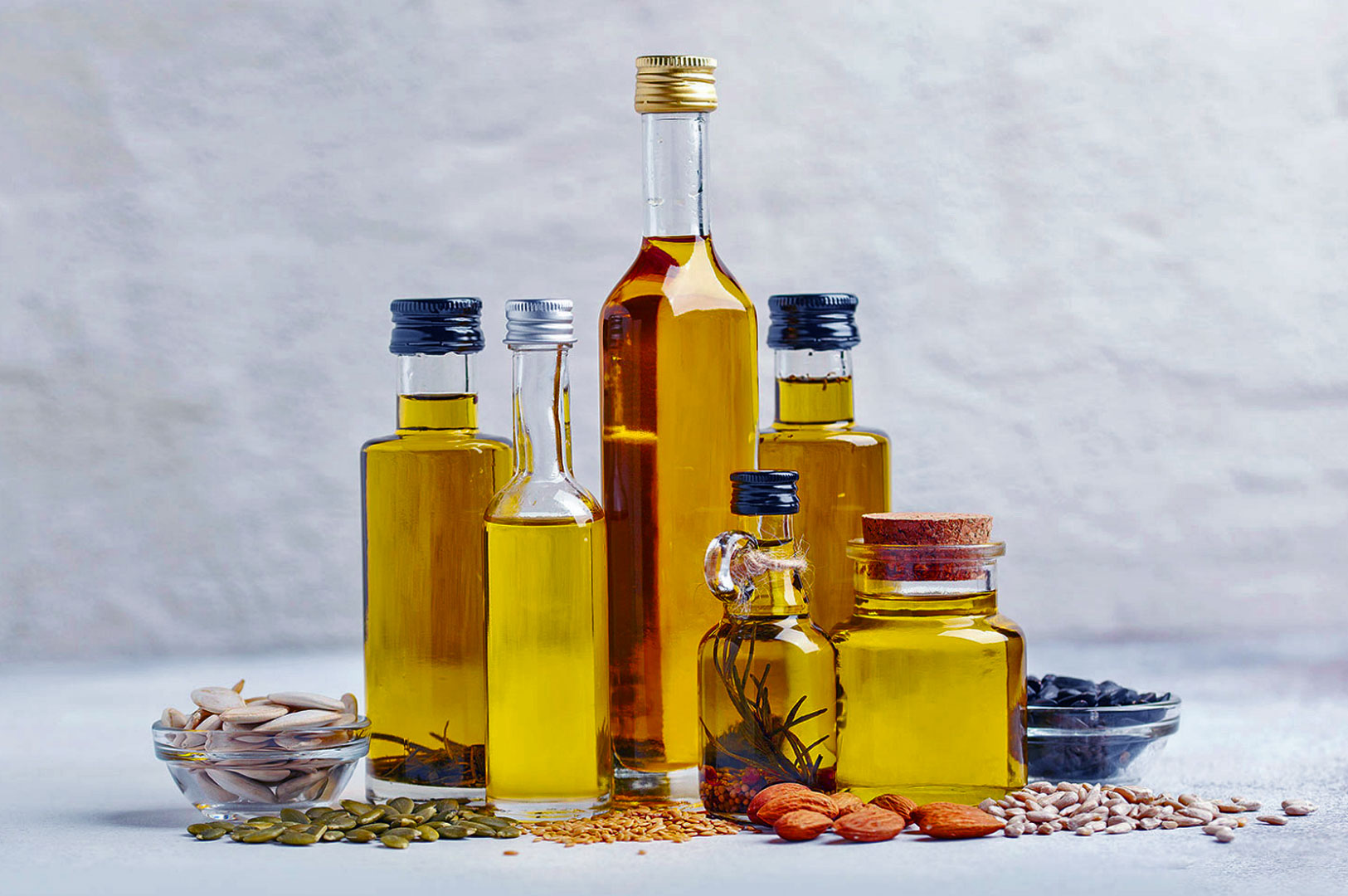
High-heat cooking (stir frying, searing): Use canola oil, peanut oil, or rice bran oil. They have high smoke points and neutral flavors. I personally use rice bran oil for my wok dishes—it handles the heat without degrading.
Medium heat and finishing (dressings, roasting): Extra virgin olive oil. It has a robust flavor and is packed with antioxidants and heart healthy fats.
High Fat Foods and Visible Fat: Making Smarter Choices
In Singapore, high fat foods and visible fat in dishes often come from deep fried fast foods, oily fish, high fat meats, and high fat dairy products. These contribute to excess calories and weight gain if consumed excessively.
Health Benefits of Replacing Saturated Fats with Healthy Oils
When I swapped out saturated fats for monounsaturated and polyunsaturated fats, I noticed a real difference, not just in how I felt but in the science behind it. These healthy fats help lower the low-density lipoprotein (LDL) cholesterol, the “bad” cholesterol, and boost the high-density lipoprotein (HDL) cholesterol, which is the good kind that protects your heart. This simple change can seriously cut down your risk of cardiovascular disease, which is one of the top health concerns worldwide.
I love using extra virgin olive oil, canola oil, and avocados because they’re packed with monounsaturated fats that not only improve cholesterol but also have anti-inflammatory benefits that keep your heart happy. I make sure to eat oily fish like salmon and sardines regularly since their omega-3s help lower triglycerides, reduce blood pressure, and keep heart rhythms steady.
So, my advice? Be intentional about choosing healthy oils and adding foods rich in monounsaturated and polyunsaturated fats to your meals. It’s a practical way to boost heart health, support your brain, and feel good for the long haul.
Practical Tips for Healthy Eating in Singapore

Navigating the Hawker Center Minefield
Our national pastime is eating out, often indulging in fried foods and dishes cooked with palm oil or animal fats. Here are some strategies:
Swap fried dishes for soup-based options.
Ask for less oil and more sambal for flavor.
Choose lean meat, steamed fish, and stir-fried vegetables cooked with healthy oils.
Incorporate Foods Rich in Healthy Fats
Add chia seeds, sunflower seeds, sesame seeds, nuts, and oily fish to your meals to boost intake of essential fats.
FAQ: Common Questions About Fat in Your Diet
Q: Will eating healthy fats make me gain weight?
A: Fat is calorie-dense, with 9 calories per gram compared to 4 for protein and carbs. Portion control is key. Healthy fats are satiating and can help reduce cravings.
Q: Are tropical oils like coconut oil healthy?
A: Coconut oil is high in saturated fat and should be used sparingly.
Q: What about butter and ghee?
A: They are high fat dairy products rich in saturated fat. Use as flavor enhancers, not cooking staples.
Conclusion: Embrace Healthy Fats for a Balanced, Flavorful Diet
Changing how I view fat didn’t happen overnight. But once I started choosing healthy oils like extra virgin olive oil and canola oil, and adding foods rich in monounsaturated and polyunsaturated fats to my meals, I found I could enjoy delicious, flavorful food while also supporting my heart health and lowering my risk for disease.
Your heart, and your taste buds, will thank you.
For more insights on maintaining a balanced diet and achieving your health goals, check out the Healthy Food Guide’s comprehensive resources on healthy food and weight loss.