Walk into any bustling food center in Singapore, and you are immediately greeted by a symphony of sounds and smells. The rhythmic clanging of a metal spatula against a seasoned wok is the heartbeat of our local culinary scene. For generations, that sound meant one thing: something incredibly delicious, and usually quite oily, was about to arrive on your table.
But if you look closely at a new generation of stalls, you will notice a quiet revolution taking place. Innovative chefs and home cooks alike are reimagining the beloved classics of our heritage using low fat and healthier cooking methods.
They are proving that you can absolutely enjoy vibrant, robust tastes without the heavy grease and added fats. Welcome to the era of oil-conscious cooking, where tradition meets modern nutrition and food safety.
The Sizzle and the Science: Why Fat Has Ruled Traditional Cooking Methods
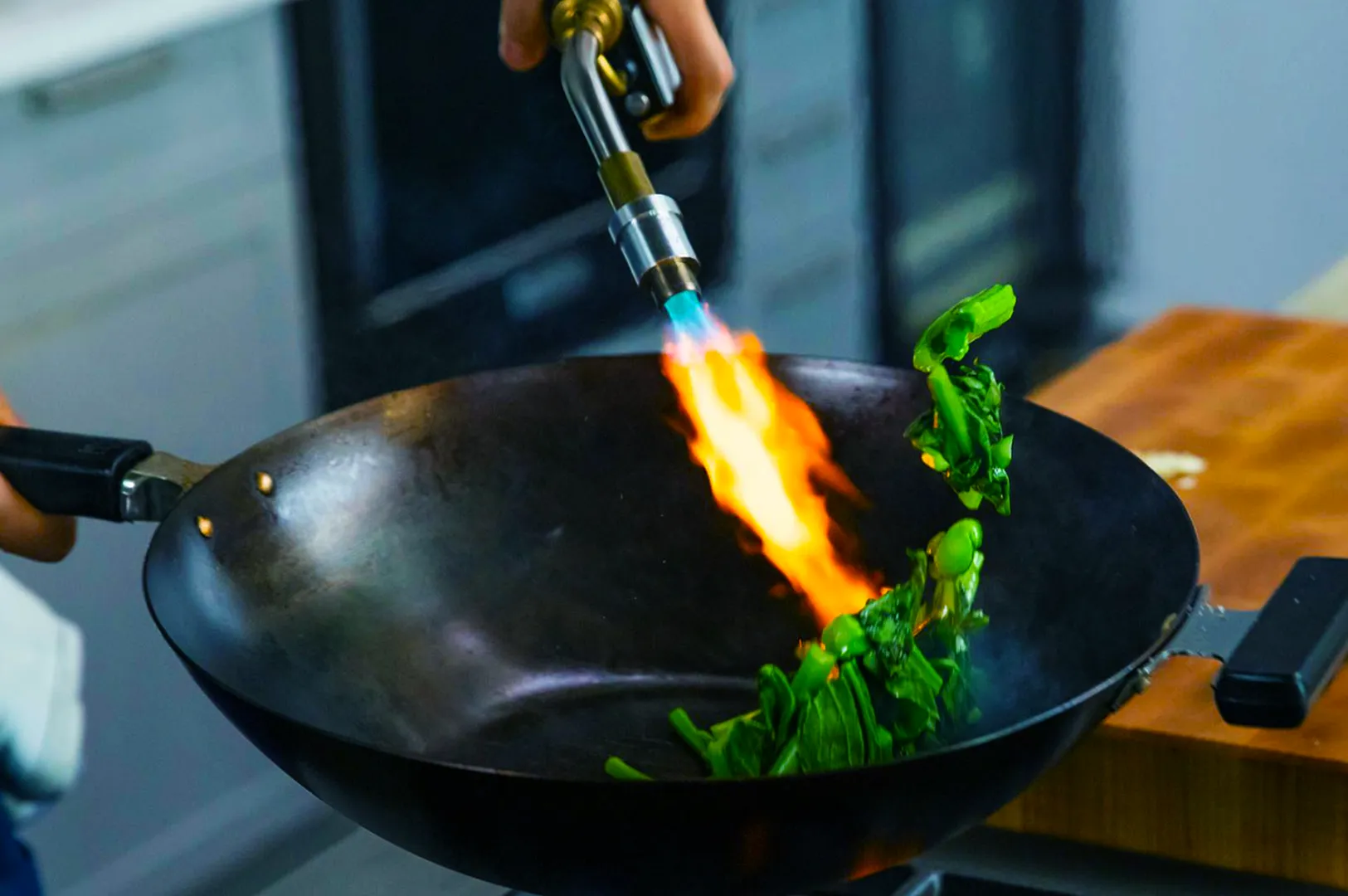
To understand this culinary shift, we first need to appreciate why fat has always been the superstar of the hawker kitchen. Oil, including healthier options like olive oil, canola oil, and sunflower oil, does more than just stop noodles from sticking to the pan. It acts as a powerful flavor carrier. When garlic, shallots, and chili hit hot oil at high temperature, their aromatic compounds dissolve and spread, creating the rich base that defines so many iconic dishes.
Furthermore, large amounts of oil are essential for achieving wok hei through stir fry cooking, the coveted breath of the wok. That smoky, slightly charred essence requires extreme heat and fat to coat the ingredients instantly. For decades, hawker food in Singapore relied on this exact chemistry to deliver comfort and unparalleled satisfaction to hungry diners.
My observation tip: However, this traditional cooking process often leads to high fat intake and increased calorie intake, which can contribute to health risks such as heart disease and diabetes.
Low Fat and Healthier Meals: A Mindful Shift in Our Makan Culture
Our lifestyles have changed dramatically over the last few decades. We spend more time at desks and less time doing manual labor, making the high-calorie, heavy meals of the past less suited to our daily physical needs. The health implications of excessive oil consumption and added fats are well-documented, ranging from sluggishness after a quick lunch break to long-term risks like cancer and heart disease.
This is exactly why a mindful approach to cooking matters so much right now. We do not want to abandon our culinary heritage. Instead, we want to evolve it. The rise of oil-conscious dining reflects a growing desire to nourish our bodies while still feeding our souls.
We want to finish a plate of noodles or rice and feel energized rather than weighed down. Using healthier cooking methods helps preserve nutrients like vitamin C and protein in vegetables, fruits, seafood, poultry, eggs, and dairy products, making a big difference in overall nutrition.
Reinventing the Wok: Stir Fry and Other Cooking Methods to Cook Food Quickly and Healthily
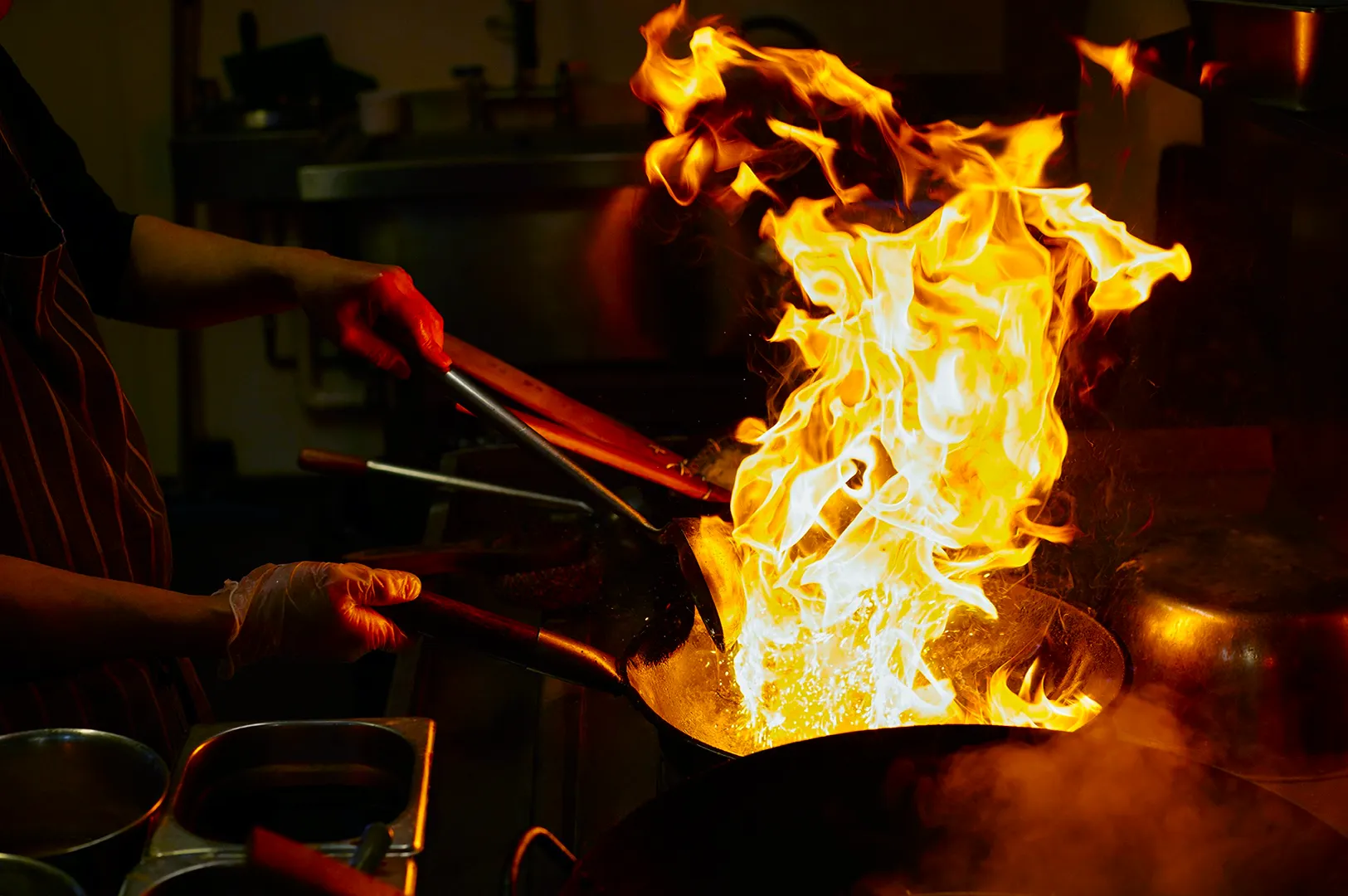
So, how exactly do you remove the grease without losing the soul of the dish? Hawker chefs and home cooks are embracing healthier cooking methods that rely on ingenuity rather than a heavy pour from the oil jug. Many are turning to rich, slow-simmered broths made from vegetable stock or defatted chicken bone broth to deglaze their woks instead of adding more fat. By splashing a ladle of broth onto the hot metal, they create steam that cooks food quickly while imparting massive amounts of flavor and preserving nutrients.
Others utilize high-quality, heavy-duty non-stick woks that require just a small amount of healthier oils, such as olive oil or canola oil, to achieve a beautiful sear. It is all about precision and control of cooking time and temperature. By managing high heat perfectly, chefs can lock in moisture and create caramelization with a fraction of the traditional fat. Visible fat is trimmed from meat and poultry before cooking to reduce fat intake further. These techniques ensure fewer calories without sacrificing taste.
Insider Tip: To boost flavor without extra fat, add a splash of boiling water or vegetable stock during the stir fry to create steam and help cook ingredients evenly. This trick not only reduces the need for oil but also helps preserve the vibrant color and crisp texture of your vegetables.
The Chemistry of Craving: Building Flavor Beyond Fat with Nutritional Content in Mind
The real secret to low fat cooking lies in understanding the science of flavor development. Fat is just one vehicle for taste. Umami, the deeply satisfying savory fifth taste, is completely fat-free. Smart chefs are amplifying umami to trick the palate into feeling that rich, full-bodied satisfaction.
They maximize ingredients naturally high in glutamates, such as premium dried shiitake mushrooms, fermented soybeans, dried scallops, and high-quality artisanal soy sauces. By intelligently layering these savory ingredients, cooks build a complex flavor profile that completely distracts your palate from the absence of heavy oils.
You get all the depth and satisfaction without the heavy caloric footprint, reducing cancer risk and supporting a balanced diet.
Heritage Dishes, Healthier Profiles: Examples of Low Fat Cooking in Action
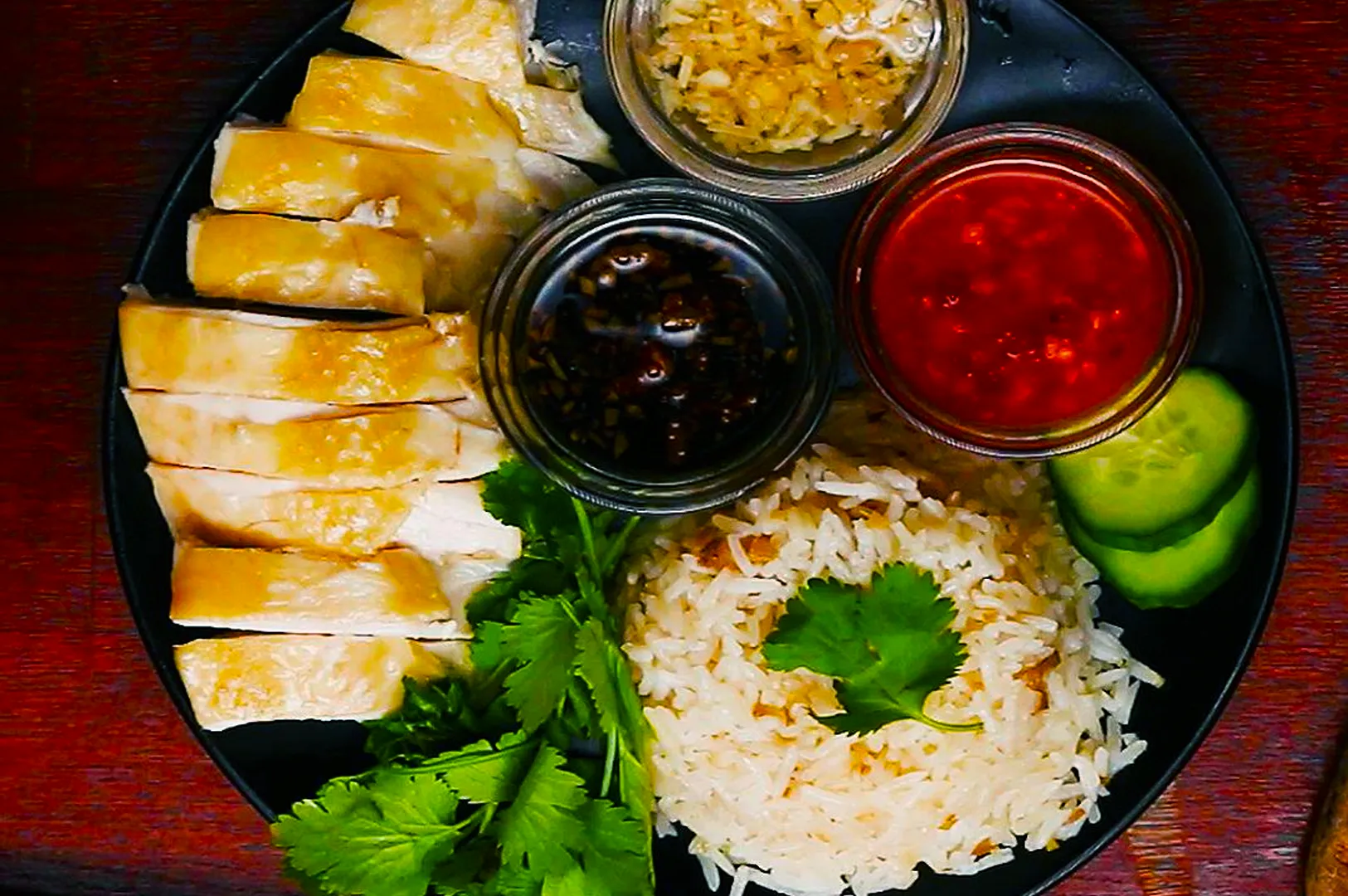
You can see this delicious science in action right now across the island. Take Hainanese chicken rice, for instance. A few forward-thinking stalls have completely transformed the famously oily rice by cooking the grains in an intensified, defatted chicken bone broth enriched with extra pandan leaves, garlic, and lemongrass. The result is a fragrant, fluffy grain that delivers the nostalgic taste without leaving grease on your lips.
Similarly, you can now find versions of Hokkien mee where the luxurious mouthfeel comes from a collagen-rich prawn and pork broth simmered for twelve hours, rather than from generous scoops of liquid lard. These are prime examples of flavorful healthier meals that honor their roots while looking toward a healthier future.
Insider Tip: When recreating heritage dishes at home, try substituting heavy oils with flavorful broths or stocks to keep the dish moist and rich without the extra fat. Also, trimming visible fat from meat before cooking can significantly reduce fat intake without compromising on taste.
Steamed Fish and Grilling: Preserving Nutrients and Reducing Fat Intake
Beyond the traditional wok, chefs are rethinking their primary cooking methods. Steaming is a delicate technique that perfectly preserves the natural sweetness and nutritional content of fresh fish, vegetables, and poultry. Steamed fish, often flavored with a splash of lemon juice and a sprinkle of salt, retains more vitamin C and protein, making it a nutritious low fat option.
Grilling over charcoal is also having a major moment in the spotlight. The dry heat of the grill renders out naturally occurring fats from meats, leaving behind a beautifully charred crust and a smoky aroma that rivals any fried dish. This method reduces fat intake by allowing visible fat to drip away, resulting in fewer calories and a healthier meal.
Healthy Alternatives to Deep Frying: Air Frying and Baking
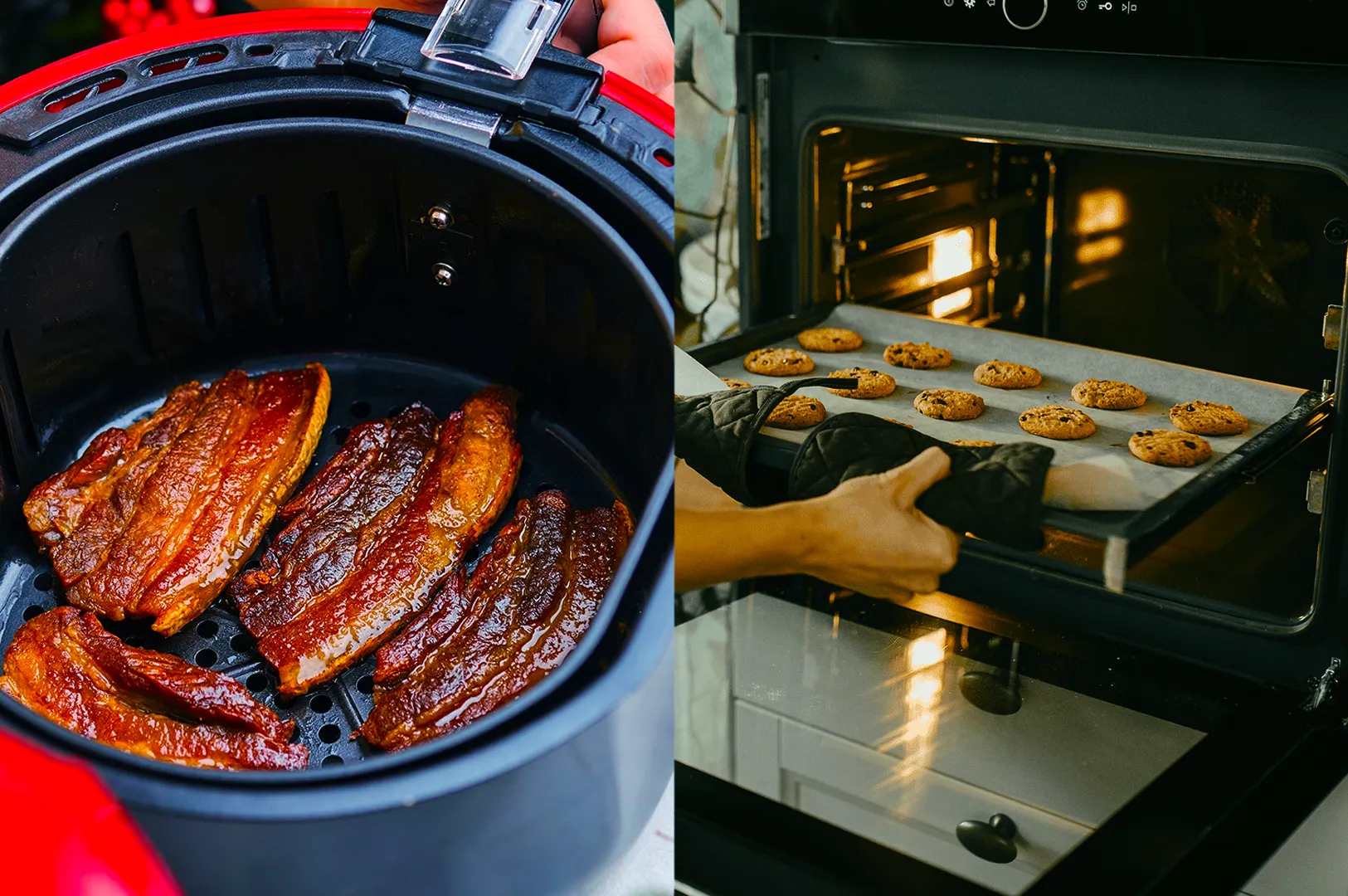
Deep frying has long been associated with high fat intake and increased calorie consumption. However, modern technology offers healthier alternatives. Air frying uses hot air circulation to cook food with a fraction of the oil required for traditional frying, significantly reducing added fats and calories while preserving flavor and texture.
Baking in the oven is another dry heat cooking method that requires little to no added fats. Roasting potatoes with a small amount of olive oil or vegetable stock instead of butter or heavy oils reduces calorie intake and supports better nutrition. Baking also helps preserve nutrients in fruits, vegetables, and dairy products, making it a versatile and healthy cooking method.
From my personal experience: Switching to an air fryer has been a game-changer in my kitchen. I used to love crispy fried chicken but was concerned about the fat content. With the air fryer, I can enjoy that same satisfying crunch using just a teaspoon of oil, cutting down on calories without sacrificing taste.
The Power of the Spice Paste and Aromatics in Low Fat Cooking
Finally, we must celebrate the unsung heroes of the oil-conscious kitchen. Spices, herbs, and natural aromatics do the heavy lifting when fat is reduced. A vibrant rempah (spice paste) does not need a cup of oil to sing. By gently dry-toasting spices like coriander seeds, cumin, and star anise before grinding them, chefs release their essential oils naturally.
My advice: Adding generous handfuls of fresh coriander, mint, lime leaves, torch ginger, and raw garlic provides bright, punchy top notes that awaken the palate. These bold, natural flavor enhancers prove that you can create spectacular, memorable dishes using the vibrant ingredients Mother Nature provided, without relying on added fats or excessive salt.
Food Safety and Nutrition: Tips for Home Cooks to Prepare Healthy, Low Fat Meals
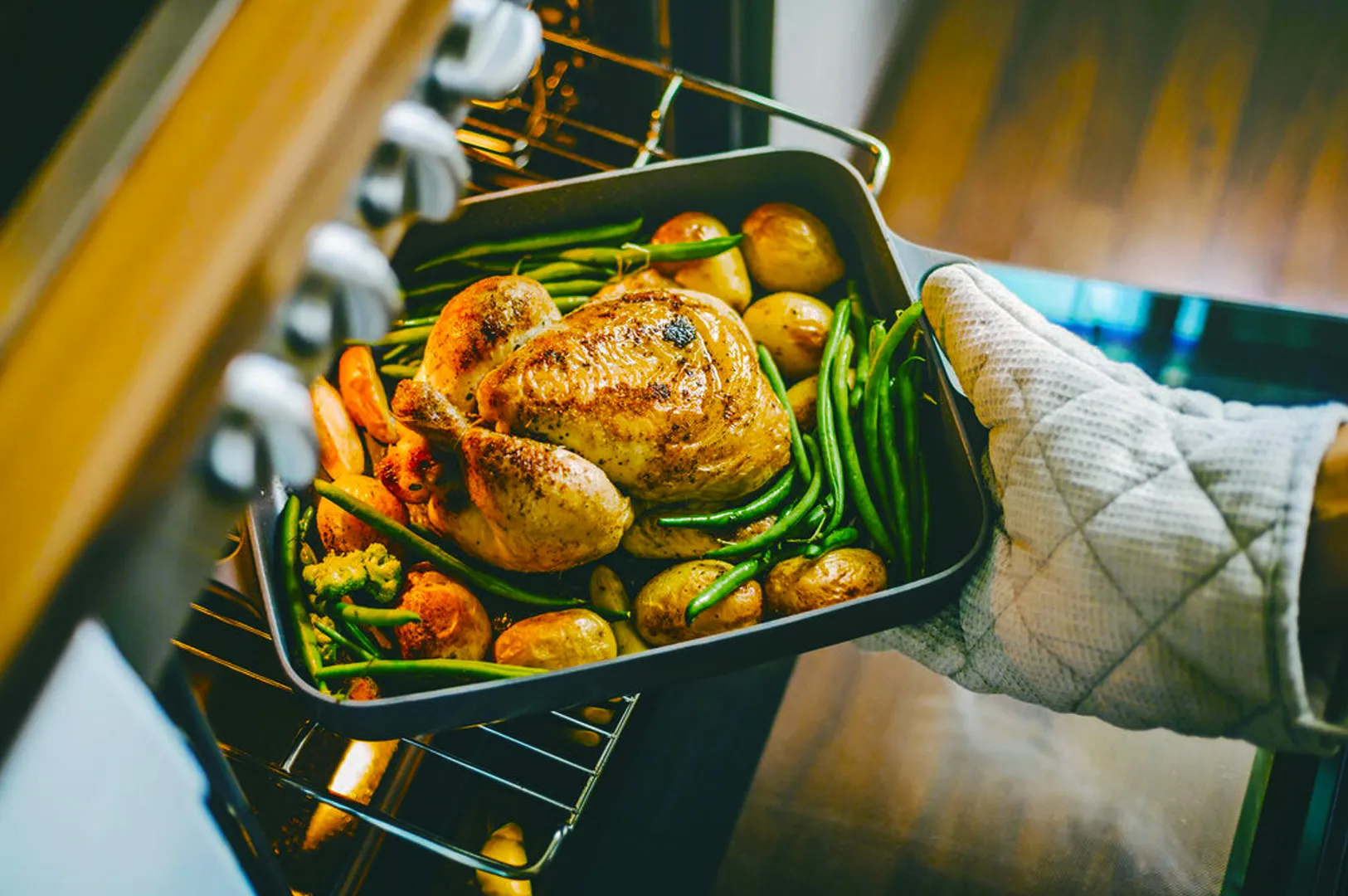
For home cooks, controlling fat intake and preserving nutritional content goes hand in hand with food safety. Proper handling of meat, seafood, and dairy products ensures that meals are not only healthier but safe to eat. Using clean utensils, avoiding cross-contamination, and cooking food to the appropriate internal temperature are essential steps in the cooking process.
Incorporating a small amount of healthy oils like olive oil or canola oil, choosing cooking methods such as steaming, grilling, or stir fry, and controlling cooking time and temperature all contribute to preparing healthier meals with fewer calories and more nutrients.
A Delicious Future Awaits: Embrace Low Fat, Healthier Cooking Methods Today
The evolution of our local food scene is incredibly exciting. We no longer have to choose between protecting our health and enjoying the dishes we grew up loving. This new wave of culinary innovation is making healthy eating irresistible, accessible, and deeply satisfying.
The next time you visit your neighborhood food center or prepare meals at home, take a moment to look beyond the usual suspects. Seek out dishes prepared with low fat and healthier cooking methods like steaming, grilling, baking, and stir frying with olive oil.
Support chefs and home cooks who are working hard to preserve our heritage while protecting our health. You will discover that immense flavor, nutritional benefits, and wellness can coexist beautifully right in your own backyard.
Dying for more healthy discourse and insights about healthy cooking and healthy fats, click Healthy Fats Made Simple: How to Choose, Cook, and Eat with Confidence