Imagine yourself standing in a bustling wet market in Tiong Bahru or Tekka. The air is thick with the scent of fresh herbs, vibrant tropical fruits catch your eye, and the energetic shouts of fishmongers fill the space. Now, picture that this very scene holds the secret to one of the world’s healthiest eating patterns—the Mediterranean diet. First proposed in 1975 by American biologist Ancel Keys and chemist Margaret Keys, the Mediterranean diet has become one of the most well-known and extensively studied dietary patterns in the world.
When I look at our local markets through this lens, I see a way of eating that’s not only scientifically proven to offer health benefits like reducing the risk of cardiovascular disease, heart disease, and high cholesterol but is also deeply delicious and uniquely Singaporean. Research and epidemiological studies show the Mediterranean diet’s protective effects against coronary heart disease, providing strong evidence for its cardiovascular benefits.
Systematic reviews consistently find that following the Mediterranean diet reduces the risk of chronic diseases. It’s recognized by the World Health Organization as a healthy eating pattern and is endorsed in many national and international dietary guidelines, reinforcing its role in promoting long-term health. Honestly, it’s time we stop looking across the Mediterranean Sea for health solutions and start looking at our own plates with fresh eyes.
The Mediterranean Style Diet Philosophy: Why Principles Matter More Than Provenance for Heart Health
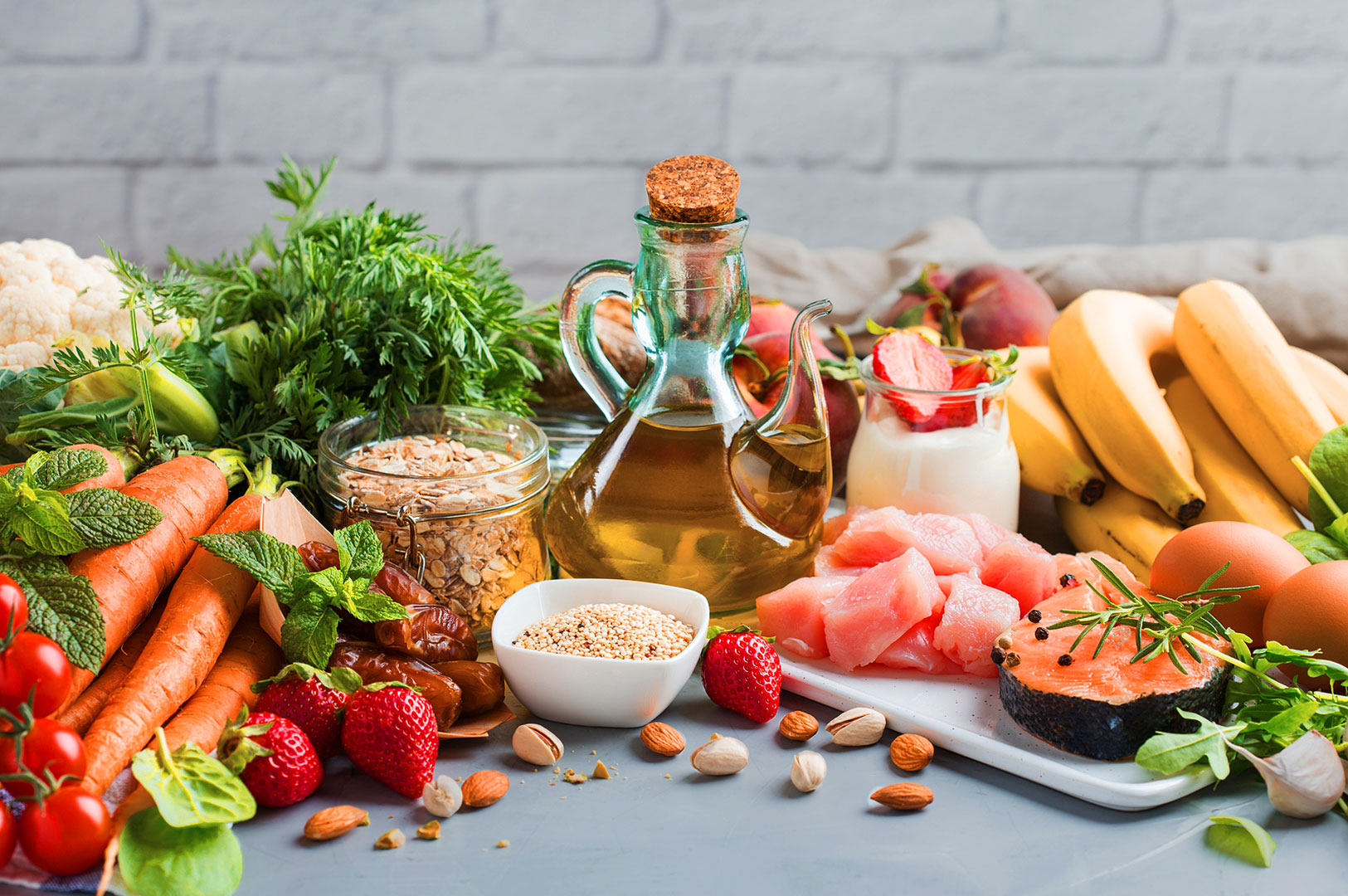
What I love about the Mediterranean style diet is that it’s all about broad principles rather than specific ingredients. At its core, this healthy eating pattern prioritizes whole grains, fruits and vegetables, beans, herbs, spices, nuts, and healthy fats like olive oil, especially extra virgin olive oil, which is rich in monounsaturated fat.
Fish and seafood, including fatty fish high in omega-3 fatty acids, are eaten often, while poultry, eggs, and dairy products like Greek yogurt are consumed in moderate amounts. Red meat, fatty or processed meats, processed meats, and sweets are reserved for special occasions. This approach effectively replaces saturated fats and unhealthy fats with unsaturated fats, which research suggests supports brain health, healthy blood vessels, and body weight management.
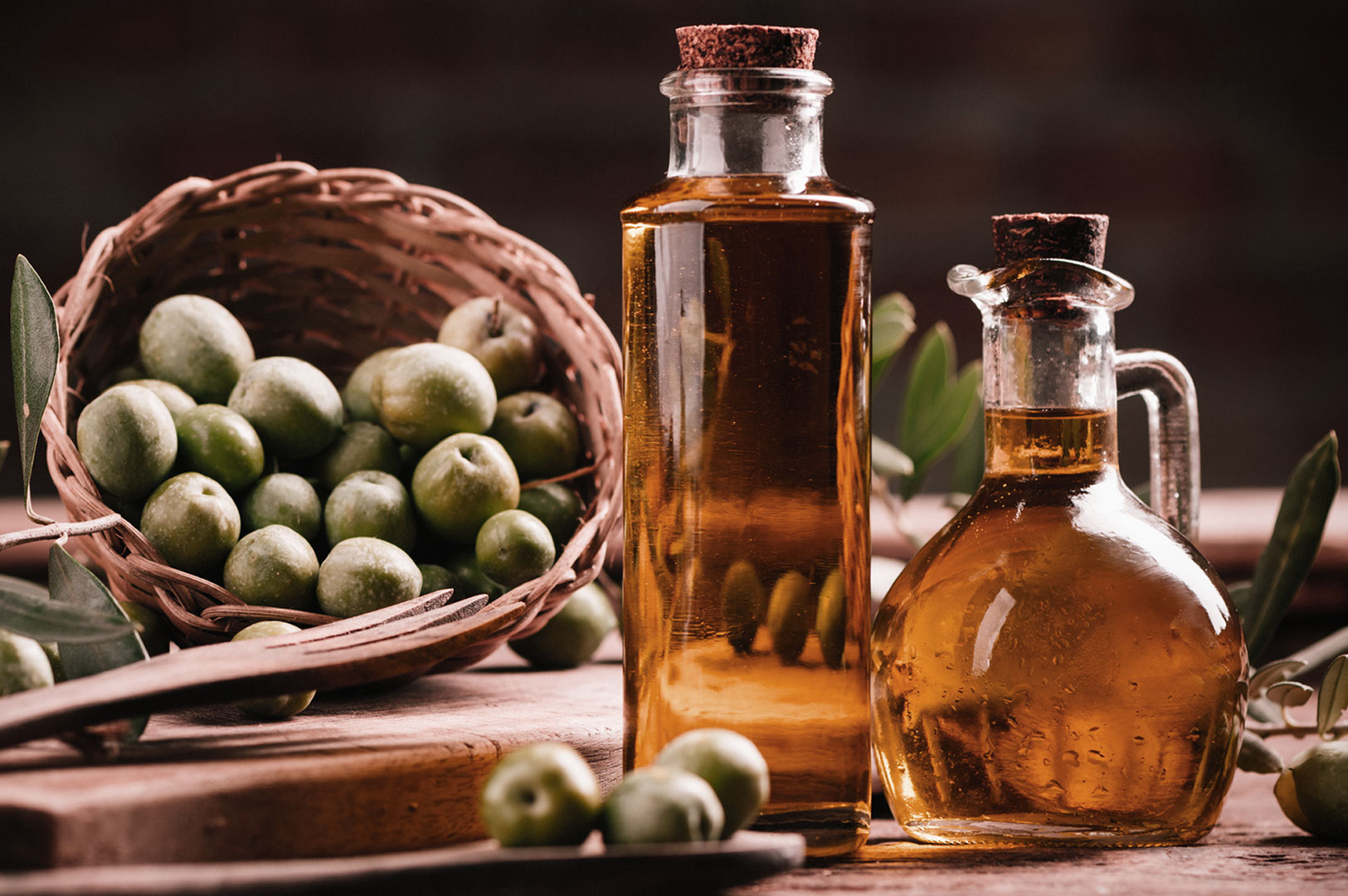
Here in Singapore, I notice we often get hung up on the “olive oil” part of the equation. We worry that if we aren’t dousing our food in extra virgin olive oil from Mediterranean countries, we aren’t doing it right. But the principle here is about monounsaturated fat and anti-inflammatory properties.
From Extra Virgin Olive Oil to Local Healthy Fats
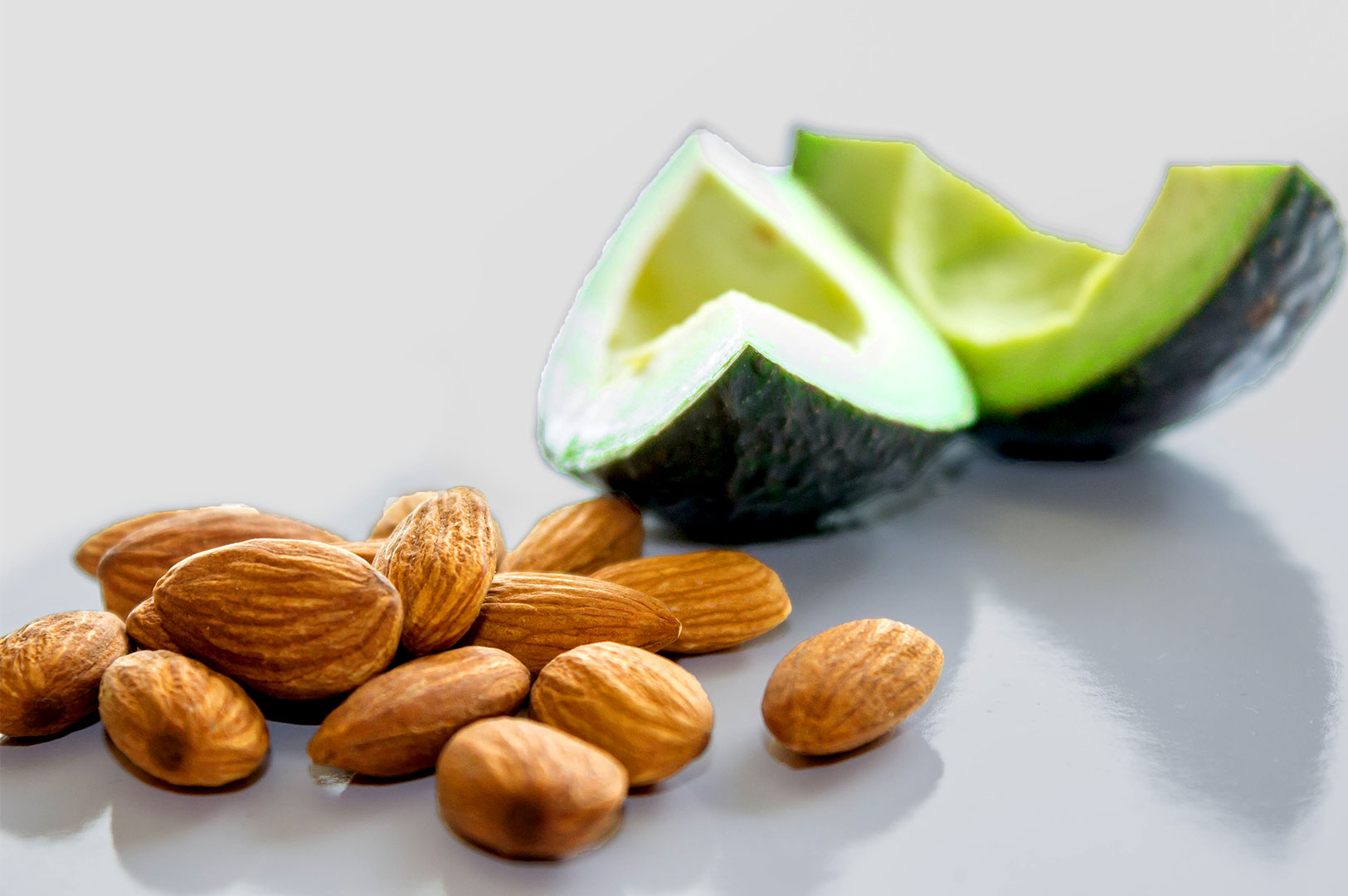
While extra virgin olive oil is the gold standard for healthy fats, it’s not the only way to get them. In our Singaporean context, I look at sources like avocados (often cheaper here when sourced regionally) and nuts such as sunflower seeds and walnuts. And I don’t forget peanut oil and canola oil, which have decent lipid profiles for high-heat cooking where olive oil might smoke. The key for me is moderation and moving away from palm oil or lard, which contain unhealthy fats, in daily cooking. Even better, I embrace the Mediterranean love for nuts and seeds. A handful of roasted cashews or walnuts makes for a perfect snack, replacing highly processed foods like chips or deli meats.
The Vegetable Abundance: Raw Veggies and Cooked Vegetables for a Healthy Diet
The Mediterranean diet includes a variety of fruits and vegetables, such as chard, broccoli, grapes, and olives. It encourages the consumption of more fruits for optimal health, and you can include a mix of fresh, frozen, dried, and canned fruits and vegetables, just check package labels for added sugar and sodium.
Insider tip: When shopping at local markets, look for the freshest leafy greens early in the morning, they tend to be more vibrant and nutrient-packed. Also, try lightly steaming your vegetables instead of overcooking them; this helps retain their nutrients and keeps their natural flavors alive, making your meals both healthier and more delicious.
Whole Grains Beyond Bread: Brown Rice, Wheat Bread, and More
We don’t need to switch to pasta and sourdough to be healthy. The principle is whole grains. In Singapore, this is easily achieved by choosing brown rice or red rice over white bread or refined carbohydrates. But I like to look further. Buckwheat noodles (soba) are a great option. Even traditional staples like thosai (made from fermented rice and lentils) can be part of this eating plan when eaten with plenty of vegetable chutneys and sambar.
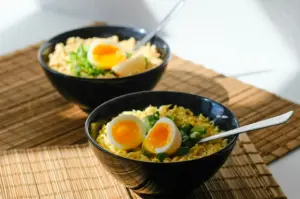
Oats are increasingly popular in Singapore breakfasts, but why not savory oats? Cooking oats with a bit of soy sauce, sesame oil, and topping it with a soft-boiled egg and spring onions creates a comforting, nutritious meal that bridges the gap between Western health advice and Asian flavor preferences.
The Mediterranean Style Diet Lifestyle: The "Kampung Spirit" of Dining for Heart Health and Brain Health

One of the most overlooked aspects of the Mediterranean diet is the lifestyle component. It’s not just about what you eat, but how you eat. In the Mediterranean region, meals are communal events. They’re slow, enjoyed with family and friends, and free from the distraction of screens.
Here in Singapore, we have our own version of this: the makan session. Whether it’s a family gathering at a round table or friends meeting at a hawker centre, food is our social glue. However, the pace of modern life here often means we’re rushing through meals or eating at our desks.
Practical Steps: Building Your Singaporean-Mediterranean Plate for Weight Loss and Overall Health
So, what does this look like on a Tuesday night after work? It doesn’t have to be complicated. Here’s how I build a plate that honors Mediterranean diet pyramid principles using the ingredients I see every day.
Start with the Base: Fill half your plate with local greens. A quick stir-fry of bayan (spinach) with garlic is effortless. Or perhaps a salad of cucumber, tomato, and pineapple (a rojak-inspired mix without the heavy prawn paste sauce).
Pick Your Protein: Choose a piece of steamed Pomfret or a serving of Tau Kwa (firm tofu) braised with mushrooms.
Add Good Grains: A scoop of brown rice or mixed grain rice.
Flavor with Herbs: Instead of heavy, creamy sauces, use fresh herbs. Coriander, spring onions, laksa leaf, and ginger add immense flavor and anti-inflammatory benefits without the calories.
The Healthy Fat Finish: A drizzle of sesame oil or a sprinkle of toasted peanuts or sesame seeds provides that satisfying finish.
Fruit for Dessert: Forget the kueh for daily consumption. A slice of fresh papaya, dragon fruit, or a cheek of mango is the perfect sweet ending.
This approach is flexible. At a hawker centre, I often choose Thunder Tea Rice (Lei Cha). To me, it’s essentially a warm salad of vegetables, tofu, nuts, and tea soup served over rice. I find it to be the most quintessentially “Mediterranean style” dish in the hawker landscape, plant-heavy, nutrient-dense, and rich in fiber. Even when I pick Yong Tau Foo, I make sure to load up on the vegetables and opt for clear soup, while skipping the fried items, deli meats, hot dogs, and heavy sweet sauce. These choices make me feel nourished and aligned with the Mediterranean diet principles, all while enjoying familiar local flavors.
Creating a Meal Plan

What I love about putting together a Mediterranean-style meal is that it starts with the most obvious thing, filling your plate with colors that actually make you smile. Think about those gorgeous leafy greens, tomatoes so ripe they’re practically bursting, bell peppers that crunch just right. These plant-based foods aren’t just the heart of Mediterranean style eating; they’re the kind of ingredients that make you feel good about what you’re putting on your table.
When you think about grains, here’s what I’ve learned works: go for the ones that actually fill you up. Brown rice, quinoa, proper whole wheat bread, not the fluffy white stuff that leaves you hunting for snacks an hour later.
Healthy Eating Tips
Taking on a Mediterranean way of eating feels like discovering a rhythm that just works. You know that feeling when you find that one dish that becomes your regular order? That’s what happens when you lean into whole, unprocessed foods. Fresh fruits and vegetables become the stars here, and honestly, they deserve the spotlight. There’s something satisfying about building meals around what’s real and colorful, the kind of eating that doesn’t feel like a chore.
The magic happens when you start weaving in those lean proteins and good fats. Picture this: a piece of grilled fish with olive oil drizzled over, or that perfect salad where someone had the sense to add sunflower seeds and avocado. These aren’t fancy moves, just smart ones. Meanwhile, those heavily processed foods and sugary drinks? They’re like that friend who’s fun for a bit but leaves you feeling worse. Better to reach for water or a nice herbal tea, the kind of choice your body actually thanks you for later.
Why the Benefits of the Mediterranean Diet Adapted for Singapore Change Everything for Public Health and Clinical Nutrition
Embracing the Mediterranean diet adapted for Singapore is about more than just physical health; it’s about cultural confidence. Adherence to the Mediterranean diet is associated with a lower risk of chronic diseases such as heart disease, stroke, type 2 diabetes, and certain cancers, as well as a reduction in all-cause mortality.
So, the next time you walk through the market, don’t just see ingredients. See possibilities. See the potential to nourish your body with the best of both worlds. The Mediterranean diet isn’t thousands of miles away; it’s waiting for you right here, in every fresh stalk of chye sim and every filet of fresh fish. It’s time to eat well, live well, and savor every local bite.
Looking for tips and recommendations about healthy living? Easy, just visit healthyfoodguide.com