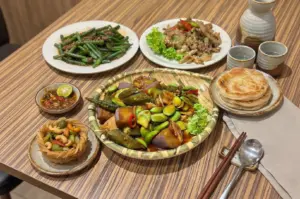
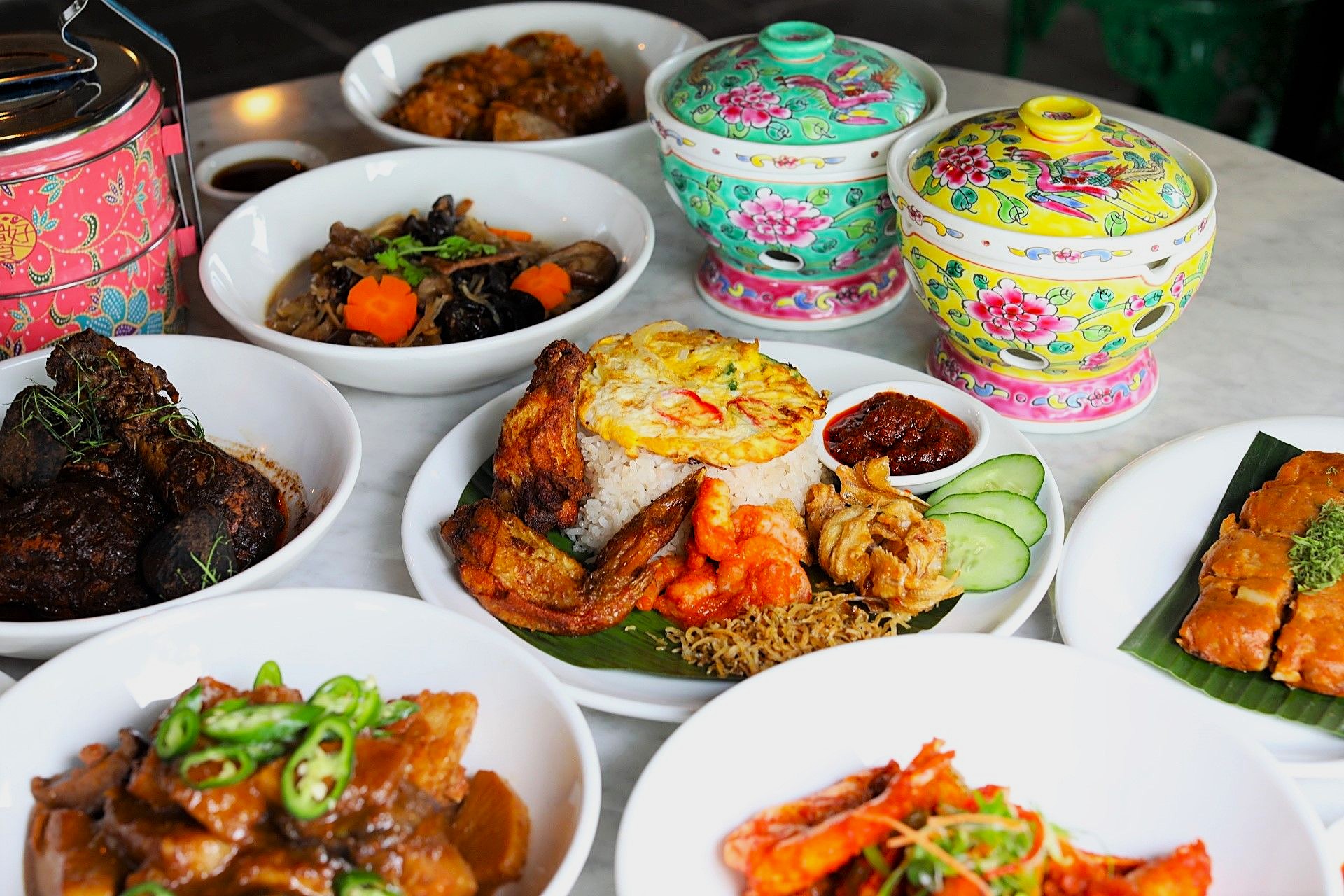
Peranakan food Singapore is a vibrant tapestry woven from Chinese ingredients and Malay culinary soul, celebrated in authentic Peranakan food and nyonya cuisine. Iconic dishes like beef rendang, ayam buah keluak, ayam curry kapitan, and babi pongteh tell stories of heritage, while crowd favourites such as dry laksa, assam prawns, and nyonya chap chye sing with tradition. From humble hawker stalls to refined Peranakan restaurants like Chilli Padi Nonya Restaurant in Joo Chiat and Blue Ginger in Tanjong Pagar, Singapore serves up these flavours with heart and history.
Dive into menus rich with slow-cooked pork belly, fragrant ayam sioh, and the striking blue pea rice, alongside inventive Peranakan creations that honor tradition with a modern wink. Weekend brunches sparkle with sambal udang and kueh pie tee at Parkway Parade or Violet Oon Singapore’s elegant haunts in Dempsey and the National Gallery. Sweet finales like sticky red date pudding and durian pengat pancakes offer indulgence wrapped in heritage. Whether you choose a la carte or tasting menus, these Peranakan food places in Singapore keep the legacy alive with premium ingredients and sauces crafted from generations past.
Restaurant Name | Location | Price Point | Recommended Dish |
|---|---|---|---|
Tanjong Pagar | Mid-range | Nasi Ulam, Nonya Chap Chye | |
Dempsey Hill / City Hall | Splurge | Sayur Lodeh, Dry Laksa | |
Parkway Parade / Funan | Mid-range | All Star Egg Skin Popiah, Sambal Udang | |
Joo Chiat | Mid-range | Beef Rendang, Nyonya Chap Chye, Ayam Buah Keluak | |
Near Orchard Road | Mid-range | Assam Fish, Kueh Pie Tee, Beef Rendang | |
Dempsey Hill | Splurge | Buah Keluak Fried Rice, Ayam Buah Keluak | |
Joo Chiat | Mid-range | Ayam Buah Keluak, Nyonya Chap Chye | |
Near Peranakan Museum | Mid-range to Splurge | Kueh Pie Tee, Durian Pengat Pancakes | |
Joo Chiat | Budget-friendly | Kueh Lapis, Buah Keluak Dumplings | |
Katong | Budget-friendly | Laksa, Kueh Lapis, Kueh Pie Tee | |
Katong | Mid-range | Dry Laksa, Weekend Brunch Items | |
Multiple locations | Mid-range | Ayam Sioh, Nyonya Chap Chye | |
Keppel Club | Mid-range | Babi Pongteh |
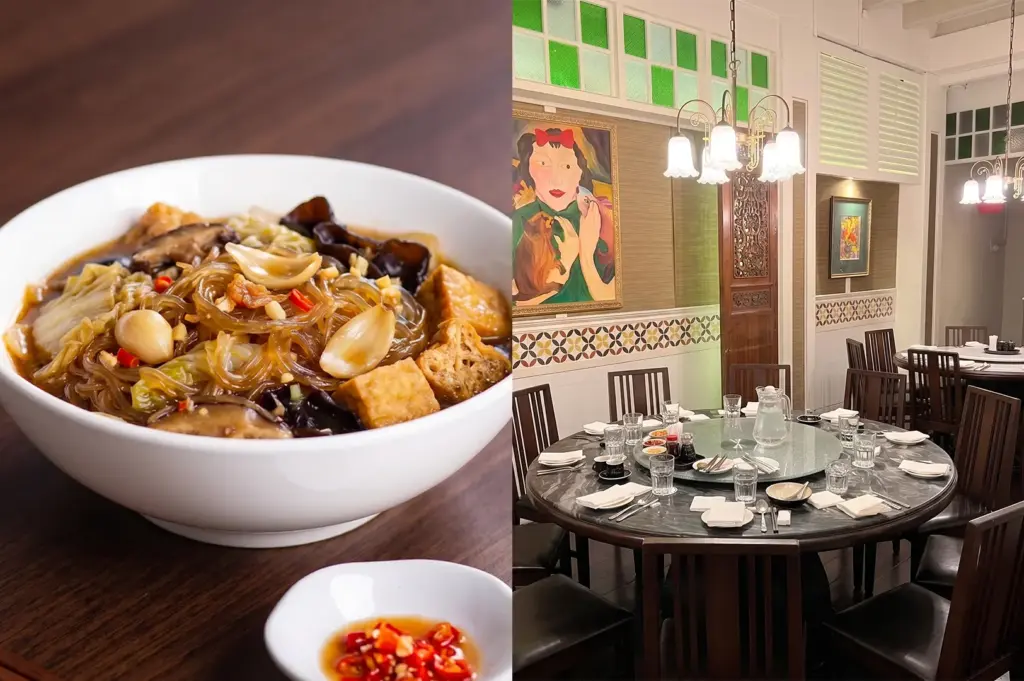
1. The Blue Ginger (Tanjong Pagar): Authentic Peranakan Food Since 1995
Nearest MRT: Tanjong Pagar MRT, about 3 minutes on foot
Cost level: Mid-range
I’ve been a fan of The Blue Ginger for a long time. It’s a stalwart in the local dining scene,
operating out of a pre-war Tanjong Pagar shophouse since 1995, one of those buildings that has survived long enough to become part of the story itself. Chef-owner Bob Seah uses recipes passed down through generations, ensuring that every dish carries the memory of a specific household and a specific way of understanding flavour.
Their rempahs are vibrant and fresh, relying on the natural oils of aromatics rather than excessive cooking oil. The seafood selection (ranging from assam prawns to steamed fish) offers high-quality protein without the saturated fats of heavier pork-based dishes. No artificial flavouring, no shortcuts. Just honest Peranakan cooking.
The Nasi Ulam is the dish I keep coming back to: a traditional herb rice tossed with fresh aromatics, fragrant and light in a way that surprises people who assume all Peranakan food is rich. The Nonya Chap Chye, a mixed vegetable stew simmered to tender perfection, is another quiet standout. What keeps me returning is consistency. In a cuisine built on patience and repetition, that means everything.
Why it’s a healthier choice: The rempahs here are built on fresh aromatics rather than excess oil, and the menu leans heavily on seafood and vegetable-forward dishes. No artificial flavouring means the depth comes entirely from real ingredients, the way Nyonya cooking was always meant to work.
Dishes I recommend: Nasi Ulam for its lightness and herb-forward freshness, and the Nonya Chap Chye for a comforting vegetable dish that carries real flavour without the weight of a richer main.
Local’s tip: Save room for the durian chendol. It’s the lighter, cooling close this kind of meal has always needed, and one of the more distinctly Peranakan ways to end a dinner.
2. Violet Oon Singapore (Dempsey Hill / National Kitchen): Best Peranakan Restaurants for Elegance
Nearest MRT: Napier MRT, about 7 minutes on foot (Dempsey); City Hall MRT, about 5 minutes on foot (National Gallery)
Cost level: Splurge
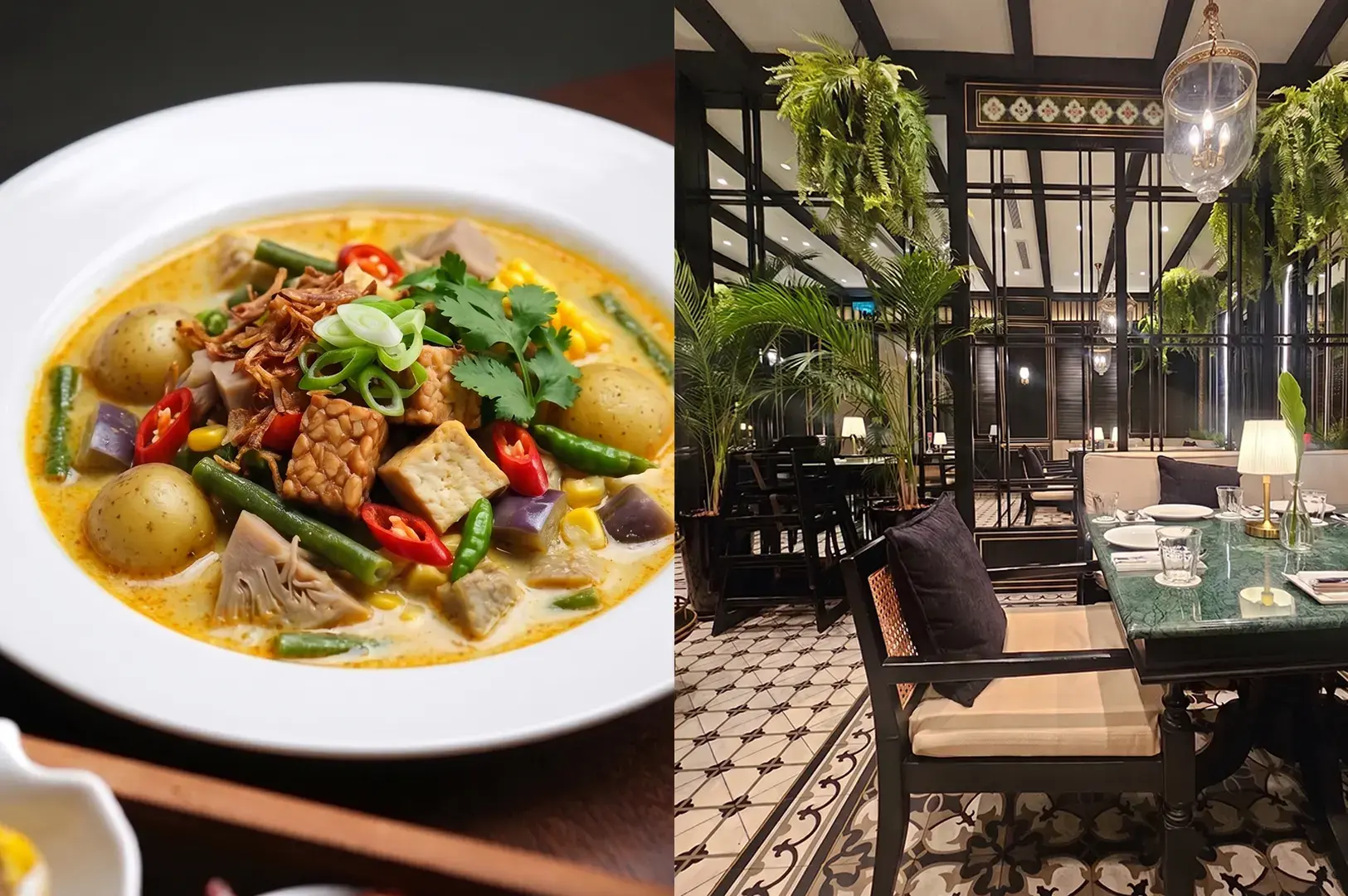
Violet Oon Singapore is the grande dame of Peranakan dining, a Michelin starred Peranakan restaurant located at Dempsey Hill and other prime spots including the National Kitchen at City Hall. I personally adore it for its elegance and quality of the food, and what impresses me most is how vegetable-forward her menus can be. She has a remarkable talent for elevating humble vegetables into star attractions.
The Peranakan cooking here is precise. Fried items are never greasy, and sauces are reduced to concentrate flavour rather than thickened with excessive starch. She also offers dedicated plant-based and gluten-free options that don’t feel like afterthoughts. The a la carte menu is broad enough to trace the full range of authentic Nyonya cuisine, from bright herb dishes to the deeper, slow-cooked crowd favourites. The Violet Oon National Gallery outlet at the Negara Hotel precinct brings this Peranakan food in Singapore to one of the city’s most storied addresses.
The Sayur Lodeh (a vegetable curry packed with cabbage, long beans, and brinjal, enriched with coconut milk) is the dish I always point people toward if they want proof that Nyonya food can be nourishing without sacrifice. The dry laksa, around $24, is a signature dish built on real knowledge of where this cuisine comes from. You pay for the location and the brand, but the cooking holds up.
Why it’s a healthier choice: The cooking technique here is disciplined. Fried dishes stay light, sauces are reduced for depth rather than thickened with starch, and the menu includes dedicated plant-based and gluten-free options. The vegetable-forward dishes make it easy to eat well without giving anything up.
Dishes I recommend: The Sayur Lodeh for its nutrient-dense vegetables in a restrained coconut milk broth, and the dry laksa for a lighter take on a dish that often runs heavy elsewhere.
Local’s tip: Go for high tea if you want to sample the kueh and snacks without committing to a full dinner. Nyonya kueh is one of the oldest expressions of this culture’s creativity, and it deserves its own afternoon.
3. Godmama (Parkway Parade / Funan): Innovative Peranakan Food Creations With a Modern Twist
Nearest MRT: Paya Lebar MRT, about 5 minutes on foot (Parkway Parade); City Hall MRT, about 4 minutes on foot (Funan)
Cost level: Mid-range
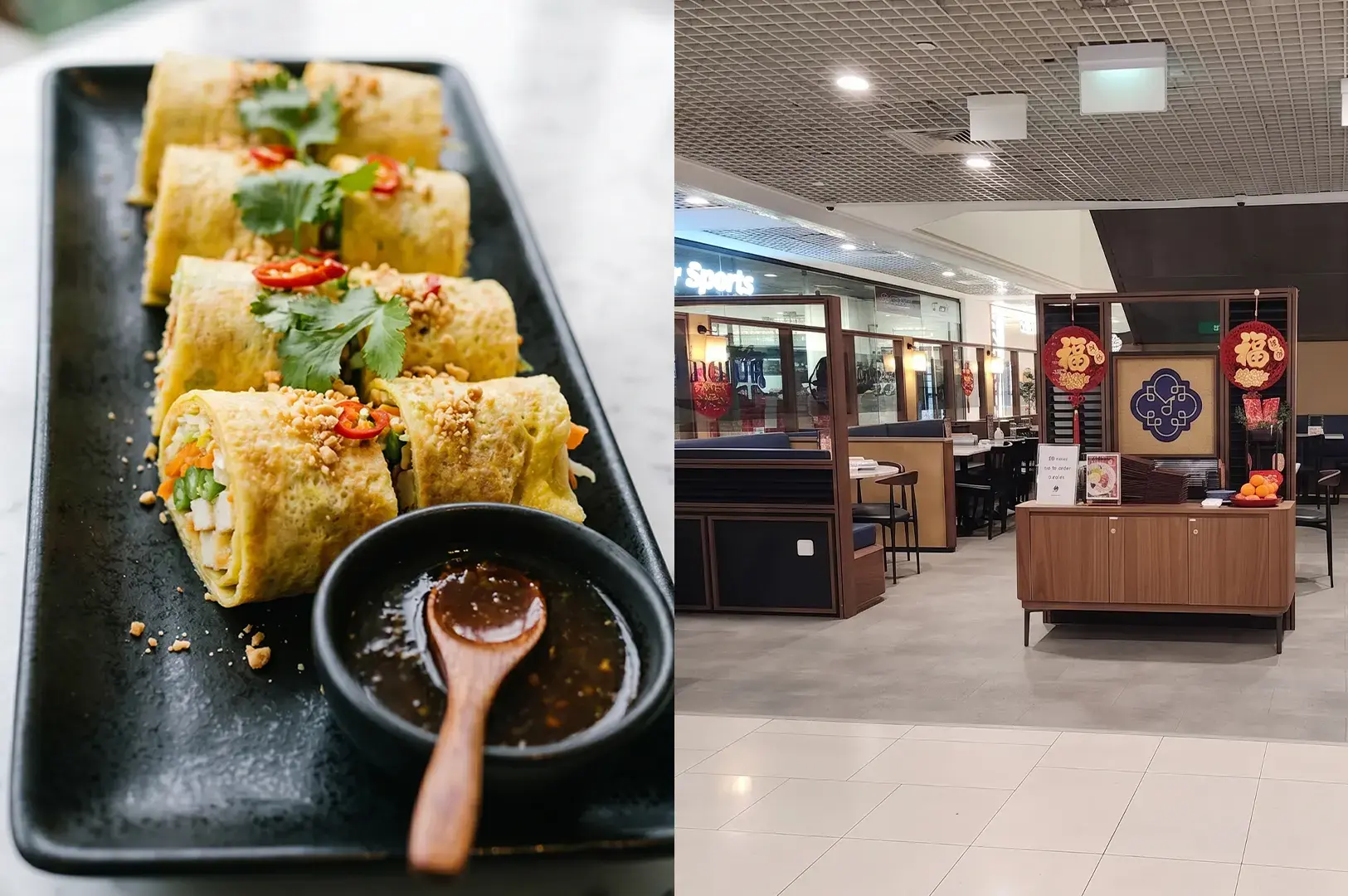
I love that Godmama at Parkway Parade offers a contemporary setting that appeals to a younger crowd. Their approach to traditional Peranakan food is playful yet respectful, and their brunch-forward format encourages something the traditional Tok Panjang feast rarely did: portion control. This is the modern Peranakan restaurant that shows innovative Peranakan food creations don’t have to sacrifice authenticity.
Their lunch sets and brunch items are perfectly portioned for one, a meaningful shift from the communal abundance of old-school Peranakan food in Singapore that often leads to overeating. Godmama also ensures some dishes meet halal dietary requirements, making heritage Nyonya food accessible to a wider audience. Their a la carte menu spans a solid range of Nyonya cuisine classics alongside the newer, more playful offerings.
The All Star Egg Skin Popiah is the dish that won me over: a delicate egg crepe filled with stewed turnip and fresh vegetables, lower in carbs and fat than the fried spring roll version, and every bit as satisfying. Their weekend brunch menu also features sambal udang and babi assam, offering a modern twist on crowd favourites without losing the soul of the original traditional recipes.
Why it’s a healthier choice: Single-portion brunch items naturally curb overeating, and dishes like the egg skin popiah swap out fried pastry for a lighter egg crepe. The menu leans on fresh vegetables and proteins, and the halal-inclusive approach means the kitchen is mindful of what goes into each dish. No artificial flavouring doing the heavy lifting here.
Dishes I recommend: The All Star Egg Skin Popiah for a lower-carb, vegetable-rich introduction to Nyonya snacking culture, and the sambal udang for a flavour-forward prawn dish that delivers heat and depth without the heaviness of a slow-braised meat course.
Local’s tip: Order the Popiah and pair it with one of their heritage desserts. It’s a light, well-balanced meal that lets you taste the culture without the post-lunch heaviness.
4. Chilli Padi Nyonya Restaurant (Joo Chiat): Beef Rendang and the Heart of Peranakan Heritage
Nearest MRT: Paya Lebar MRT, about 8 minutes on foot
Cost level: Mid-range
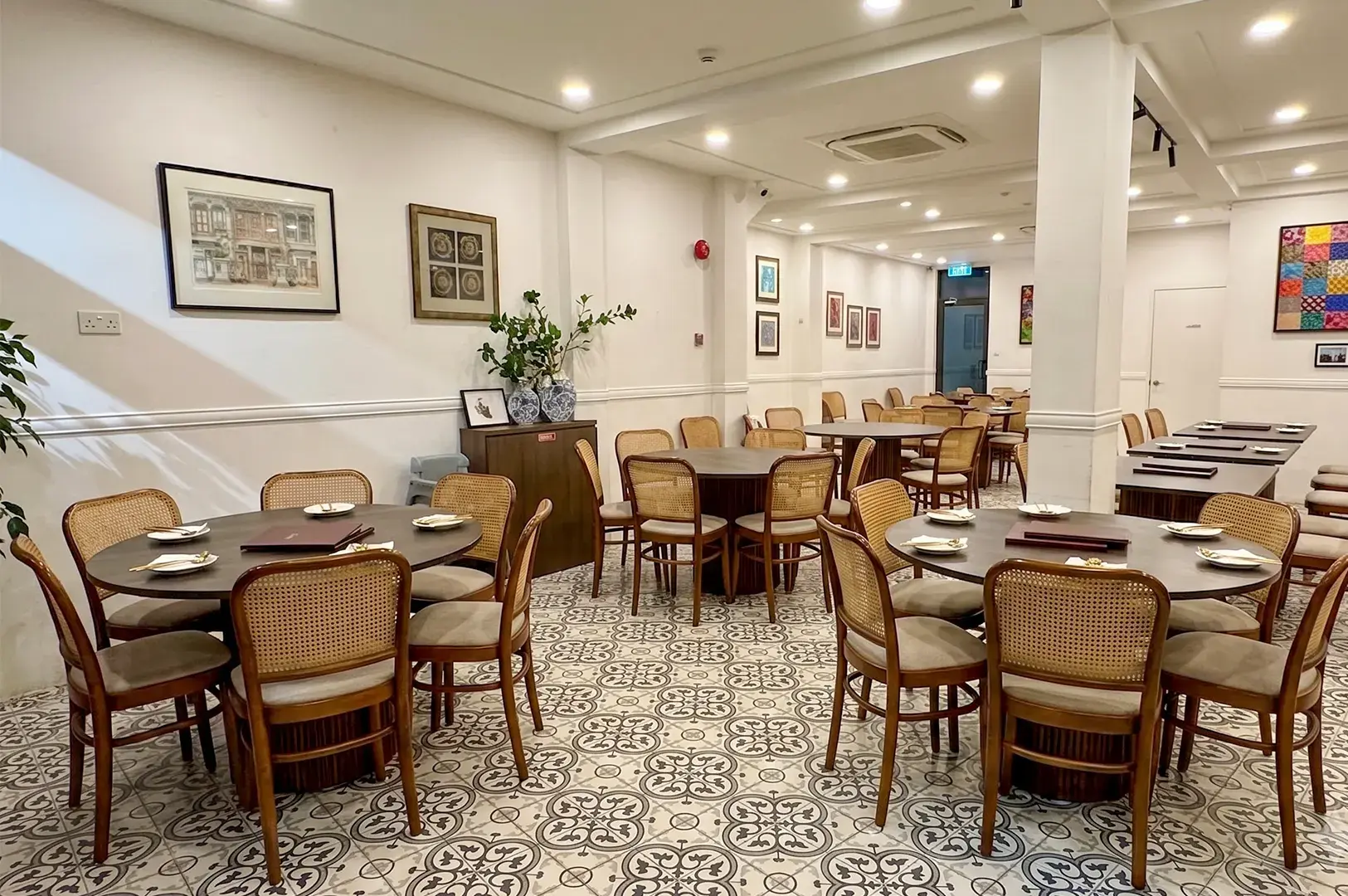
If you find yourself in Joo Chiat (a neighbourhood closely linked with the culturally significant Katong area, both renowned for their deep Peranakan heritage), Chilli Padi Nyonya Restaurant is a beloved stop for authentic Peranakan food. The warm, inviting atmosphere draws me in every time: air thick with the aroma of freshly prepared rempah, the chatter of happy diners, the feeling of stepping into a place where generations of Peranakan cooking are lovingly preserved. For those with fond memories of childhood Nyonya cuisine, this place will feel like coming home.
This is one of the best Peranakan restaurants for a full, honest meal. The menu is broad enough to trace the range of Peranakan cuisine in a single sitting. No artificial flavouring, no shortcuts. Just the kind of cooking that builds its depth through time and real traditional recipes unchanged by trend or fashion.
The beef rendang (slow-simmered until the gravy clings, around $16) is rich without tipping into greasy, the spice built carefully over hours. The menu spans the full range, from the dark depths of ayam buah keluak to the bright sourness of a nyonya chap chye. I’ve sent friends here when they wanted a dependable first Peranakan meal. It rarely disappoints.
Why it’s a healthier choice: The kitchen relies on real rempah and fresh aromatics, with no artificial flavouring doing the work. The menu includes vegetable-forward options like nyonya chap chye alongside the richer meat dishes, so it’s easy to build a balanced meal. The beef rendang is slow-cooked the traditional way, which means the depth comes from time and spice, not shortcuts.
Dishes I recommend: The beef rendang for its careful, layered heat, the nyonya chap chye as a lighter vegetable complement, and the ayam buah keluak if you want to try one of the most distinctive dishes in all of Peranakan cooking.
Local’s tip: Come with a group and order across the menu: buah keluak, rendang, sayur lodeh. The variety is where the Peranakan heritage reveals itself most clearly.
5. Simply Peranakan Cuisine: Authentic Nyonya Cuisine and Ayam Buah Keluak Near Orchard Road
Nearest MRT: Somerset MRT, about 6 minutes on foot
Cost level: Mid-range
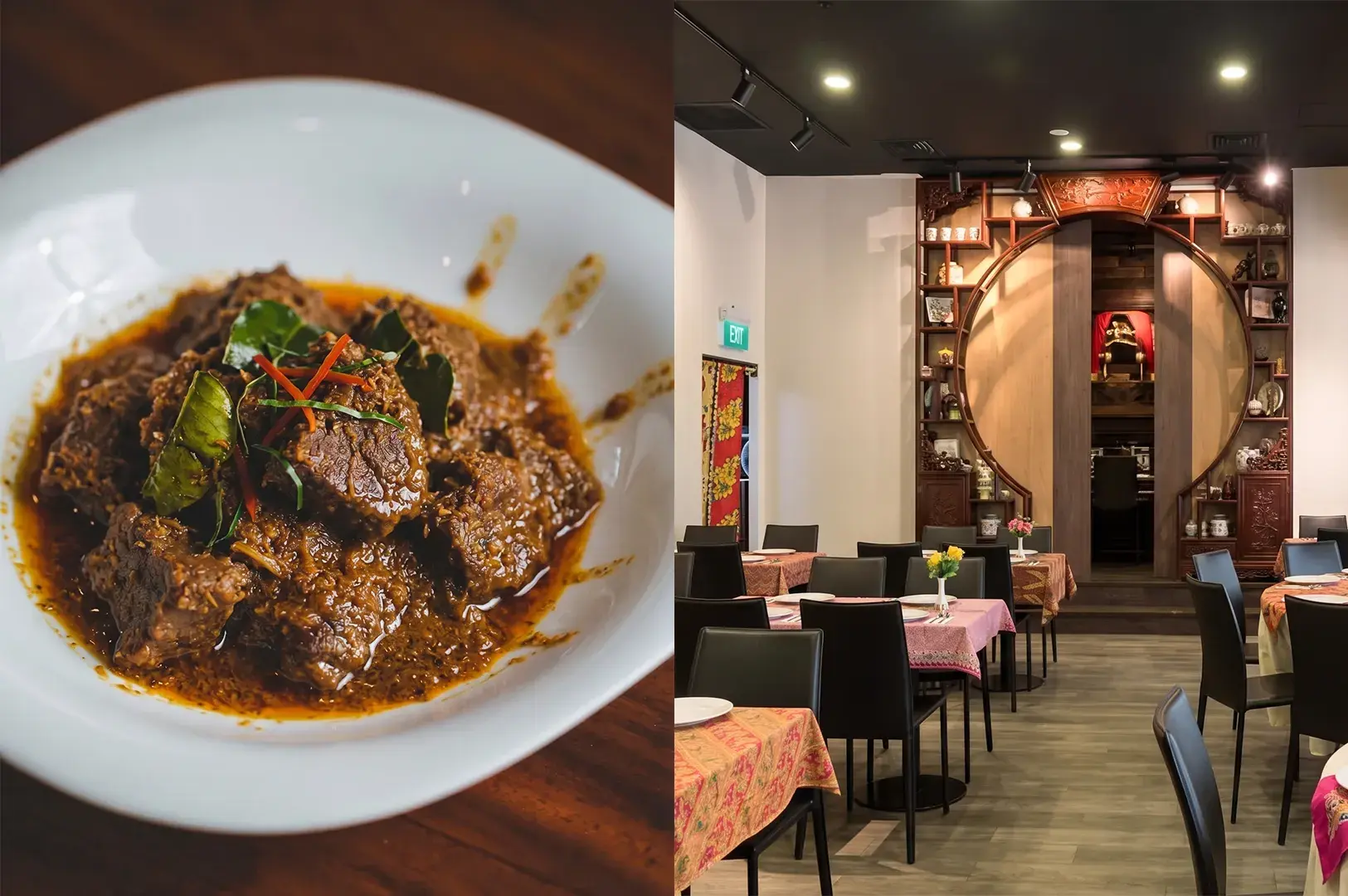
I’ve found Simply Peranakan Cuisine to be a cozy Peranakan restaurant near Orchard that serves simple, authentic Nyonya food. Their menu features beef rendang, ayam buah keluak, and assam fish, all prepared with fresh ingredients and a focus on preserving the flavours of Peranakan culture. Walking in feels like a visit to a traditional Peranakan home rather than a restaurant. It carries the spirit of an established Peranakan inn: warm, genuine, and unhurried.
The Assam Fish is the standout lighter option: tamarind-soured, bright, and clean. It’s one of the dishes that proves Peranakan cooking was never only about heaviness. The Kueh Pie Tee (crispy pastry tart shells filled with savoury vegetables and prawns) makes for a delicate, satisfying starter that doesn’t weigh you down before the main event. Their beef rendang is slow-cooked with rich spices and coconut milk for tender, flavourful meat that holds the complexity of the rempah in every bite.
The recipes are time-honoured and family-derived, and you taste the difference. No artificial flavouring. Just authentic Nyonya cuisine at its most straightforward and simply delicious.
Why it’s a healthier choice: The kitchen leans on tamarind-based dishes and fresh aromatics, with no artificial flavouring filling in for real ingredients. The assam fish and kueh pie tee both sit on the lighter end of the Peranakan spectrum, giving you flavour and depth without the richness of heavier coconut milk-based mains.
Dishes I recommend: The Assam Fish for its clean, tamarind-bright sourness that shows the lighter side of Nyonya cooking, the Kueh Pie Tee as a delicate starter packed with vegetables and prawns, and the beef rendang for those who want the deeper, slow-cooked richness this cuisine is also known for.
Local’s tip: Order the assam fish alongside the Kueh Pie Tee as a lighter, two-course experience. Together, they show you the bright, herb-forward side of Nyonya cuisine that often gets overlooked.
6. Candlenut (Dempsey): Best Peranakan Food for Buah Keluak and Ayam Buah Keluak Done Right
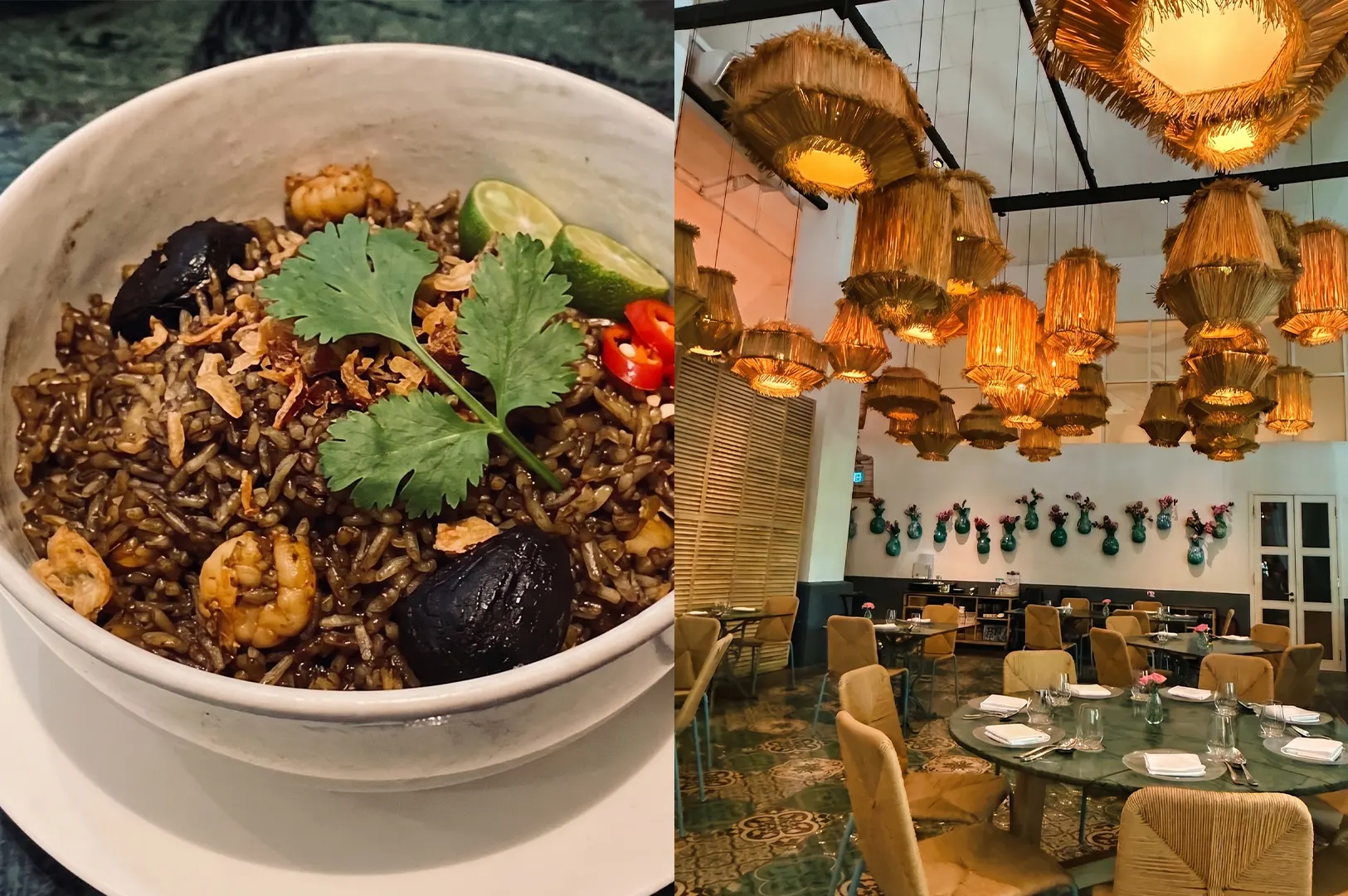
Nearest MRT: Napier MRT, about 8 minutes on foot
Cost level: Splurge
Candlenut holds a Michelin star, and it’s the one place that made me rethink what Peranakan cuisine could be. Chef Malcolm Lee cooks his grandmother’s recipes with restraint, dishes that carry the memory of a specific household, a specific generation, a specific way of understanding flavour. These are innovative Peranakan food creations that remain deeply rooted in authentic Nyonya cuisine.
The buah keluak fried rice is the dish I send everyone to: earthy, dark, faintly bitter, around $18 to $22. I’ve watched skeptics take one bite and go quiet. That silence is the dish doing its work. The ayam buah keluak on the tasting menu goes even deeper. The fermented black nut’s flavour is unlike anything else in Nyonya cooking, and here it’s handled with the patience it demands. No artificial flavouring, no compromise. Just one of the signature dishes of this cuisine treated with full seriousness.
What you get here isn’t novelty. It’s Peranakan heritage cooking treated with the kind of care that makes you sit up straighter at the table.
Why it’s a healthier choice: Chef Malcolm Lee’s approach strips away excess without stripping away meaning. The rempah is built on real aromatics, portions are considered rather than excessive, and the kitchen’s commitment to no artificial flavouring means every layer of flavour earns its place. The tasting menu format also naturally encourages pacing, which is one of the simplest ways to eat better.
Dishes I recommend: The buah keluak fried rice for its depth and restraint in equal measure, and the ayam buah keluak from the tasting menu if you want to understand why this nut sits at the very heart of Peranakan cooking.
Local’s tip: Order the ah-ma-kase tasting menu if you want the kitchen to guide you through the heritage. It’s the most honest way to understand the full range of what Peranakan food Singapore holds.
7. Guan Hoe Soon (Joo Chiat): One of the Best Peranakan Restaurants in Singapore Since 1953
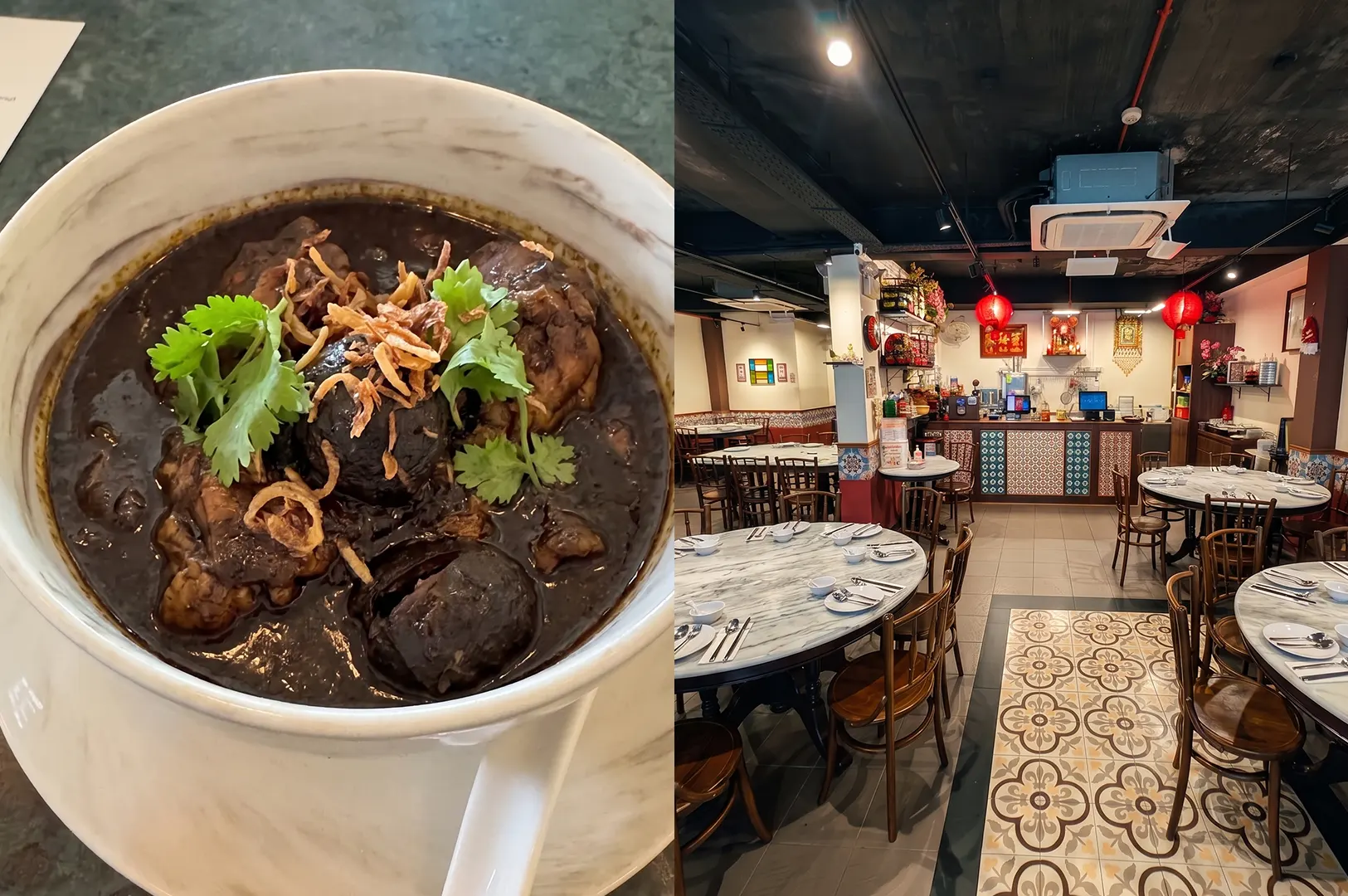
Nearest MRT: Eunos MRT, about 12 minutes on foot
Cost level: Mid-range
Operating since 1953, Guan Hoe Soon is one of Singapore’s oldest surviving Peranakan restaurants in Singapore. It has outlasted trends, recessions, and the churn of the food industry, because the food has never tried to be anything other than what it is. Sitting in Joo Chiat, it remains one of the quiet anchors of this neighbourhood’s Peranakan heritage.
The ayam buah keluak (chicken slow-cooked with fermented black nuts, around $20 to $24 for a sharing portion) involves days of preparation to unlock the nut’s earthy, bittersweet flavour. That process is unchanged from how it was done a century ago. The buah keluak nut requires careful sourcing and preparation; here, they’ve been doing it right for decades. I came expecting a tourist trap and left corrected. The nonya chap chye is another stalwart: a vegetable dish that carries real flavour without any artificial flavouring in sight.
The dining room is unfussy: plastic-backed chairs, family photos on the walls, a quiet pride in the traditional recipes. The kind of place where the history is in the gravy, not the décor.
Why it’s a healthier choice: The kitchen keeps to time-honoured methods with no artificial flavouring filling in for real ingredients. The ayam buah keluak relies on the slow-cooked depth of the nut itself rather than heavy sauces, and the menu includes vegetable-forward options that balance the richer meat dishes. Ordering family-style naturally spreads the richness across the table.
Dishes I recommend: The ayam buah keluak for its earthy complexity and careful preparation, and the nyonya chap chye as a lighter, vegetable-driven complement that rounds out the meal without adding weight.
Local’s tip: Go with a group and order family-style. These dishes were built for a shared table. That’s how the Peranakans have always eaten, and how the flavours make the most sense together.
8. True Blue Cuisine (Armenian Street): Durian Pengat Pancakes and Heritage Nyonya Desserts
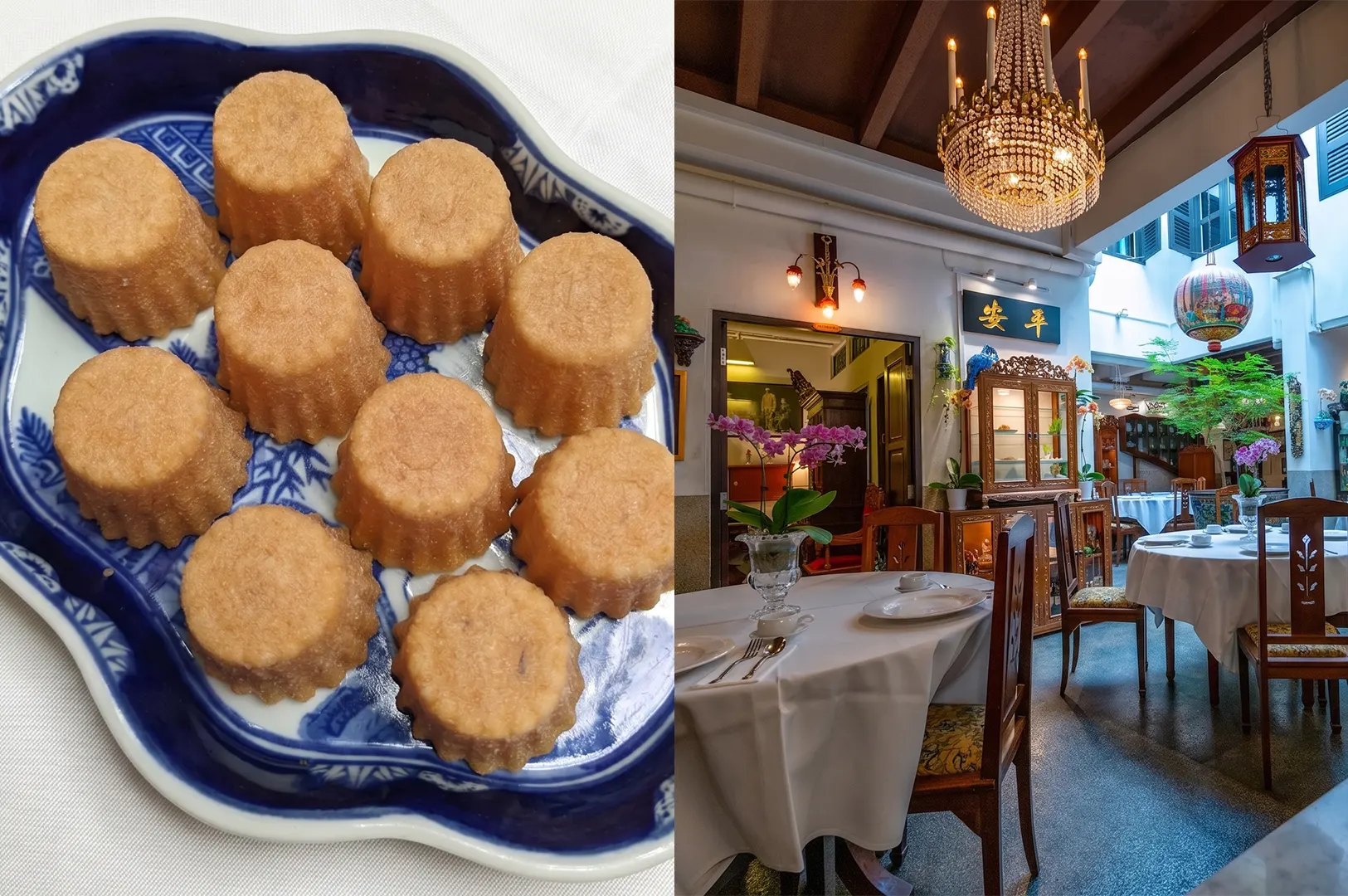
Nearest MRT: Bras Basah MRT, about 4 minutes on foot
Cost level: Mid-range to splurge
Tucked beside the Peranakan Museum, True Blue was designed to feel like a Straits-born home. The antique tiles, the kebaya on the walls, the careful curation of every corner: none of it is decorative filler. It’s a deliberate act of cultural preservation. This is one of the best Peranakan restaurants for those who want the meal to come with real context and a full sense of Peranakan food in Singapore’s history.
The kueh pie tee (crisp little cups filled with shredded turnip and prawn, around $12 for a set) is one of the lightest, most delicate expressions of Nyonya snacking culture. Save room for the durian pengat pancakes, a dessert that uses the full richness of durian cooked down with coconut milk and gula melaka, wrapped in a thin crepe. It is indulgent in the way Peranakan food has always allowed itself to be when the occasion calls for it.
I’ll be honest: it leans pricey for the portions. But the setting and the storytelling are part of what you’re paying for, and the authentic Peranakan food experience here is one of the most complete in the city.
Why it’s a healthier choice: The kueh pie tee is one of the lightest starters in the Peranakan repertoire: a crisp shell packed with vegetables and prawn, with no heavy sauce weighing it down. The menu also leans on fresh herbs and vegetable-forward dishes, so it’s easy to build a balanced meal before you earn that durian pengat pancake at the end.
Dishes I recommend: The kueh pie tee as a delicate, vegetable-rich starter, and the durian pengat pancakes for a dessert that is rich by design but grounded in real, traditional ingredients rather than artificial flavouring.
Local’s tip: Visit the Peranakan Museum next door first. The meal lands differently, and more meaningfully, once you understand the culture behind it.
9. Bibik's Peranakan Kitchen (Joo Chiat): Where Buah Keluak and Living Tradition Meet
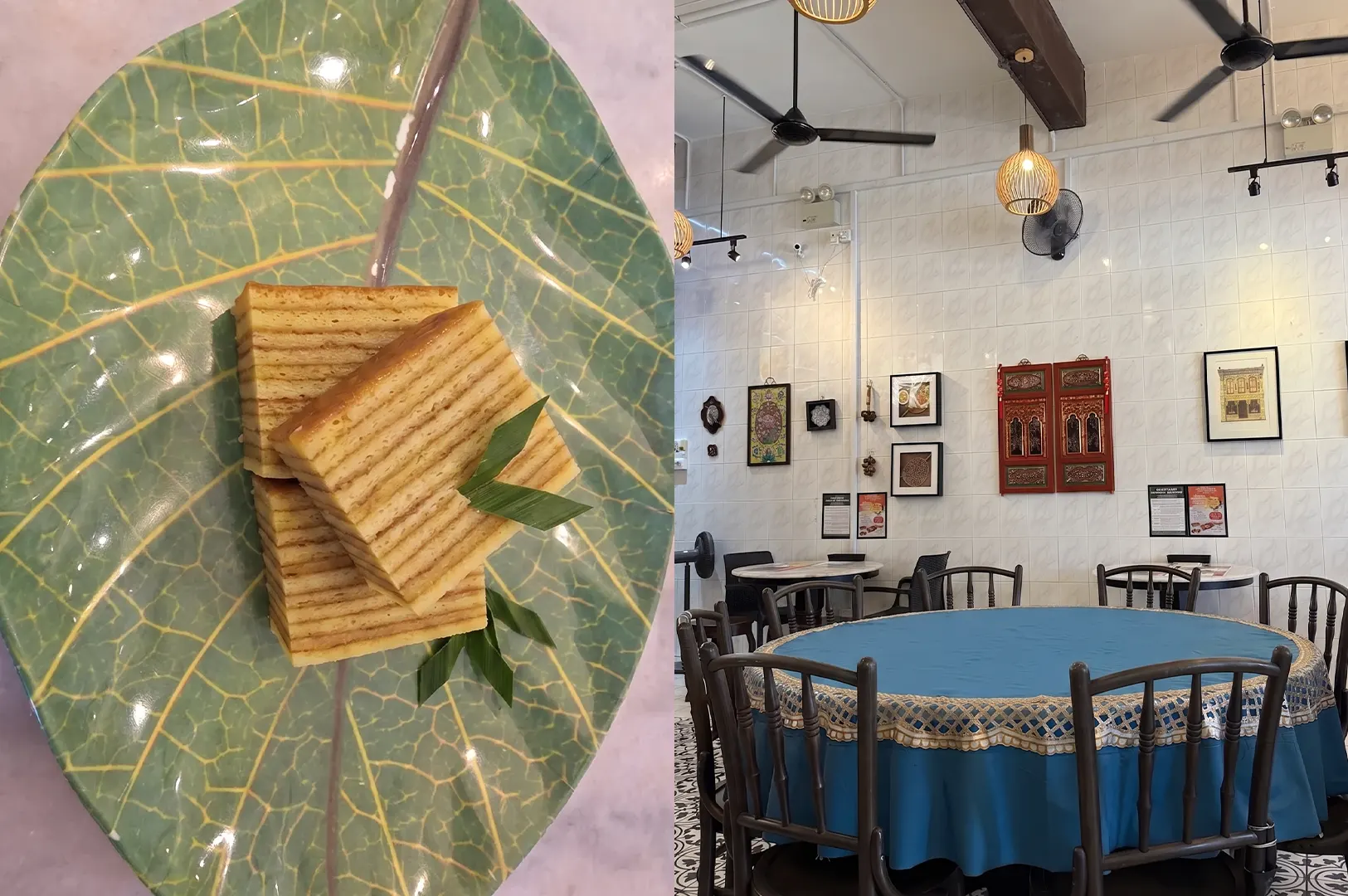
Nearest MRT: Eunos MRT, about 10 minutes on foot
Cost level: Budget-friendly
This is where the food gets personal for me. Bibik’s Peranakan Kitchen (also known as Old Bibik’s Peranakan Kitchen) is a family institution in Joo Chiat, known for Nyonya rice dumplings and traditional kueh. The multi-layered kueh lapis (around $4 to $6 a slice) takes hours of patient steaming, each layer set before the next is added. It is the kind of Peranakan cooking that no artificial flavouring can replicate, because the craft itself is the ingredient.
I’ve stood at the counter watching the dumplings tied by hand. The technique hasn’t changed. It doesn’t need to. This is intangible culinary heritage in the most literal sense: knowledge preserved through repetition, passed from one set of hands to the next. The buah keluak dumplings, when available, are worth seeking out: dark, earthy, and deeply specific to this Peranakan food tradition.
Why it’s a healthier choice: The kueh here is made the traditional way, with real ingredients and no artificial flavouring cutting corners. Portion sizes are naturally modest (a slice, a dumpling, a small parcel), which makes it easy to sample the range without overindulging. These are snacks built on craft, not excess.
Dishes I recommend: The kueh lapis for its layered patience and clean sweetness, and the buah keluak dumplings when available, for a rare, earthy taste of Nyonya cuisine tradition in its most portable form.
Local’s tip: Buy the kueh lapis to take away and eat it slowly, layer by layer. That’s how it was always meant to be enjoyed, as something that asks for your attention.
10. Rumah Bebe (Katong): Affordable Peranakan Food With Genuine Soul
Nearest MRT: Marine Parade MRT, about 7 minutes on foot
Cost level: Budget-friendly
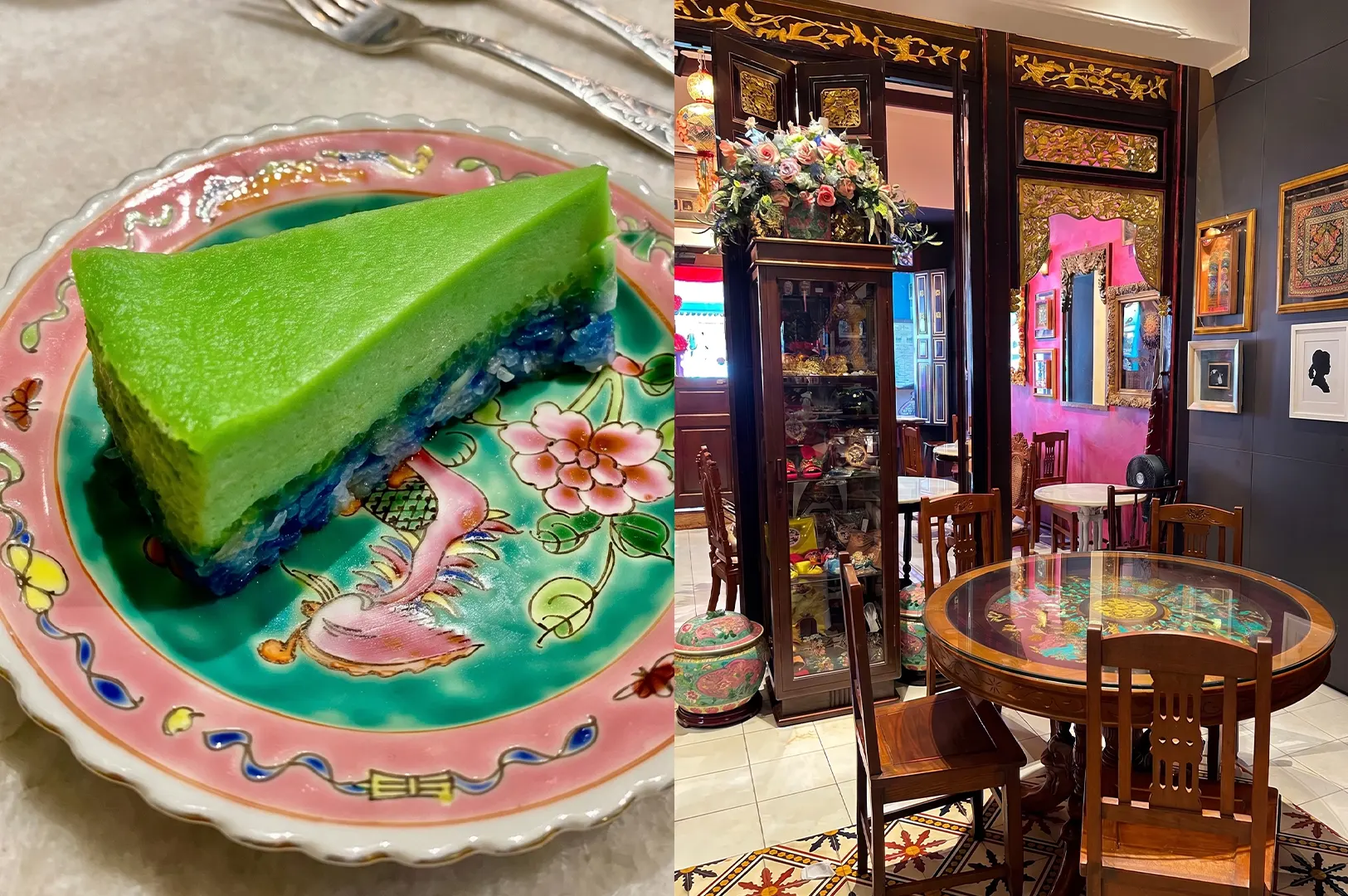
Rumah Bebe is part eatery, part living archive. Alongside the laksa and kueh, the shop carries Peranakan beadwork, kebaya, and heritage crafts: the full breadth of what Nyonya cuisine culture built, not just what it cooked. It carries the spirit of an established Peranakan inn in the truest sense: a place where the community gathers, not just the tourists.
The laksa here (around $8 to $10) is herb-forward and lighter than most versions you’ll find. A bowl that tastes like it was made by someone who grew up eating it. This is affordable Peranakan food done with genuine care, which is rarer than it sounds. No artificial flavouring, no compromise on the traditional recipes that make this dish what it is.
Why it’s a healthier choice: The laksa here skips the heavier coconut milk base that weighs down other versions, leaning instead on a herb-forward broth that feels clean and restorative. The kueh selection is modest in portion and made without artificial flavouring, so you can sample a few pieces without the guilt of a full dessert spread.
Dishes I recommend: The laksa for its lighter, herb-driven broth that shows a gentler side of Nyonya cooking, and the kueh lapis or kueh pie tee if you want to end with something small, traditional, and honestly made.
Local’s tip: Take time to browse the heritage crafts upstairs. It’s free, and it gives the meal you just had a fuller meaning.
11. Baba Chews (Katong): Brunch Items and Modern Nyonya With a Lighter Touch
Nearest MRT: Marine Parade MRT, about 6 minutes on foot
Cost level: Mid-range
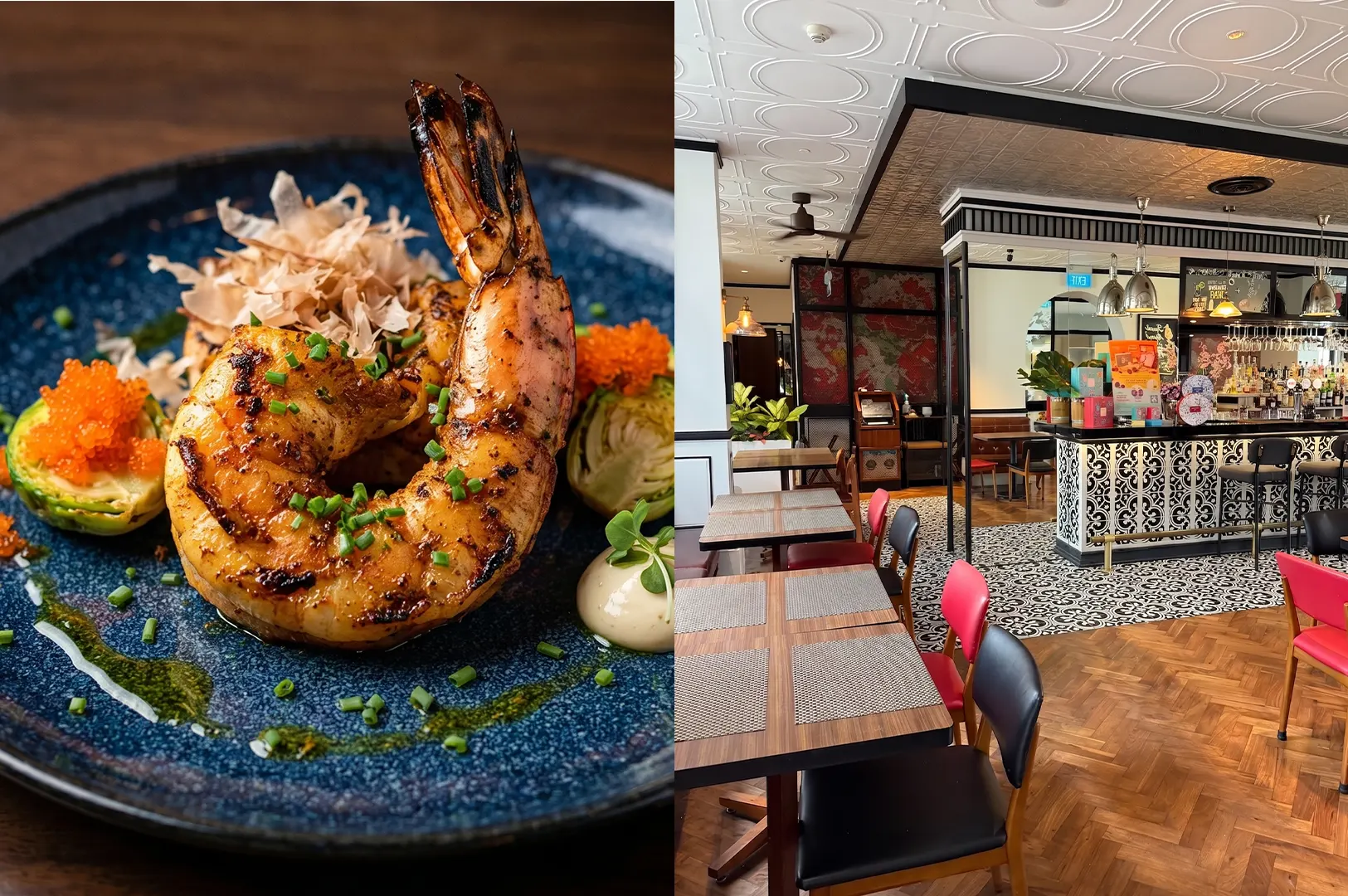
Set inside a restored heritage hotel, Baba Chews sits in the heart of Katong, a neighbourhood that remains the closest thing Singapore has to a living Peranakan village. Walking these streets, you still feel the community that built this cuisine and kept these traditional recipes alive across generations.
The dry laksa here is a lighter spin on a dish that usually weighs you down: around $16, less coconut milk-heavy, more about the noodles and the depth of the rempah underneath. It respects the tradition while making it accessible. Their brunch items on weekends are a relaxed way into Peranakan food in Singapore without committing to a full formal dinner. The space is bright, the service easy, and the menu balances modern twist sensibility with recognisable Nyonya cuisine flavours. The weekend brunch menu is one of the more thoughtfully constructed in this part of the city.
Why it’s a healthier choice: The dry laksa uses a lighter base than the traditional coconut-heavy version, so you get the full rempah depth without the richness that usually follows you out the door. The weekend brunch items are portioned for one, which naturally keeps the meal measured and manageable.
Dishes I recommend: The dry laksa for its lighter take on a Nyonya staple, and any of the brunch items for a relaxed, well-portioned introduction to Peranakan food without the weight of a full dinner spread.
Local’s tip: The dry laksa is the move if you find regular laksa too rich. Add the sambal slowly. It builds heat the way the original recipe intended.
12. House of Peranakan: Ayam Sioh, Pork Belly, and Signature Dishes Across Singapore
Nearest MRT: Varies by outlet
Cost level: Mid-range
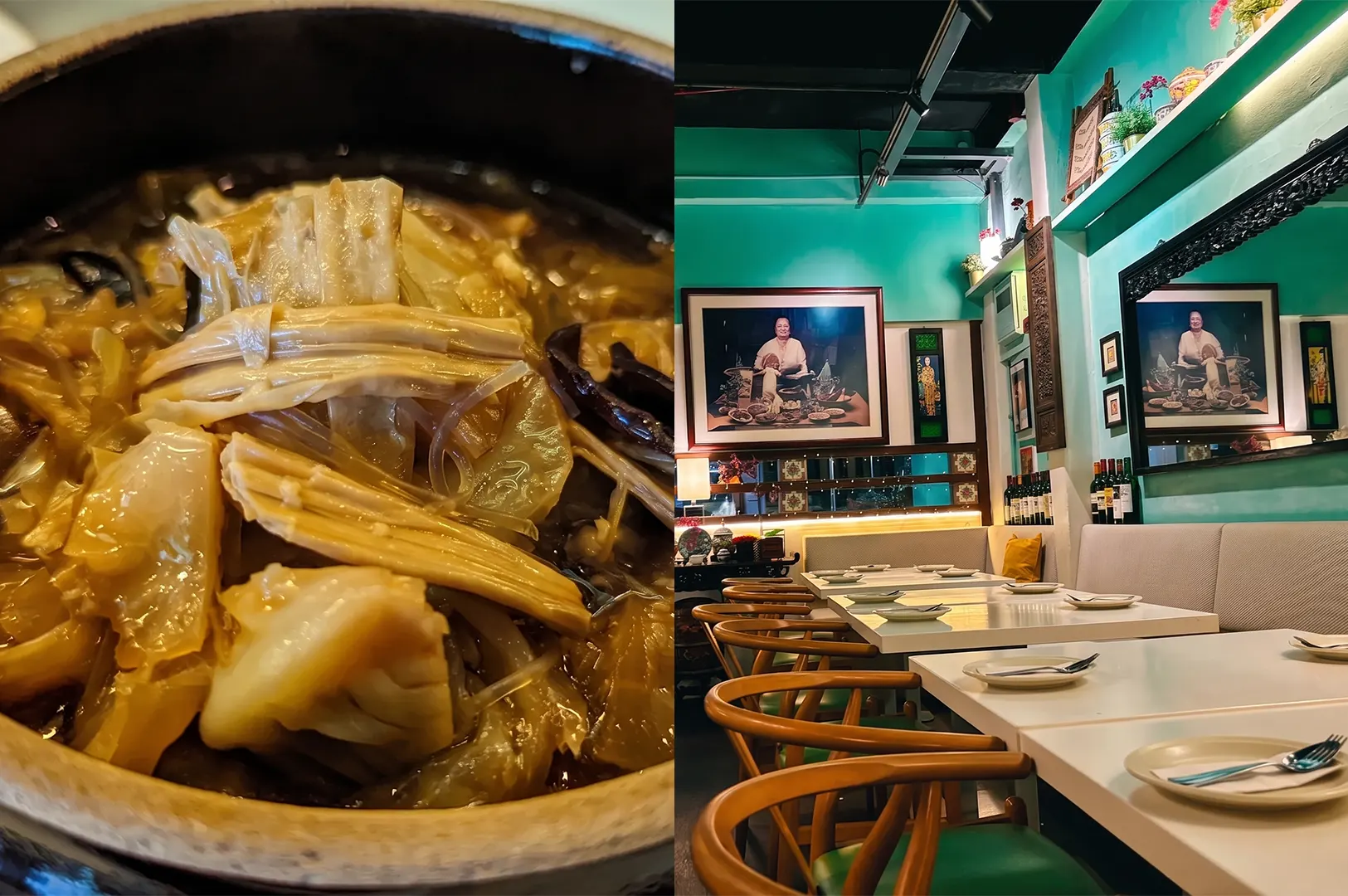
The House of Peranakan earns its place on this list through consistency and range. Across its outlets, the kitchen holds to traditional recipes while keeping the menu approachable enough for those newer to Peranakan cuisine. The pork belly dishes (slow-braised in a dark, soy-forward sauce) carry the kind of depth that only long cooking produces, and the ayam sioh (braised chicken with coriander) is a dish that brings back fond memories for anyone who grew up eating Nyonya food.
There are no gimmicks here. The focus is on delivering authentic Peranakan food that connects people to the culinary heritage it came from. The a la carte menu covers the breadth of Peranakan food Singapore is known for, from light starters to the richest of the slow-cooked signature dishes. No artificial flavouring: just the real depth of authentic Nyonya cuisine done with care.
Why it’s a healthier choice: The braised dishes here are built on slow cooking and real rempah rather than heavy sauces or artificial flavouring. The ayam sioh is a leaner choice than the pork belly-forward options, with coriander and aromatics doing the heavy lifting. The broad menu also makes it easy to balance a richer main with a vegetable dish or a lighter starter.
Dishes I recommend: The ayam sioh for its gentle, coriander-forward depth that sits lighter than a rendang, and the nyonya chap chye as a vegetable-driven complement that rounds out the meal without tipping it into excess.
Local’s tip: Order the ayam sioh alongside a vegetable dish. It’s a lighter pairing than the heavier rendang-forward choices, and one of the more overlooked expressions of what this Peranakan cuisine can do.
13. PeraMakan (Keppel Club): Babi Pongteh, Kaffir Lime Leaves, and an Established Peranakan Inn
Nearest MRT: Telok Blangah MRT, then a short ride
Cost level: Mid-range
A little out of the way, which keeps it honest. PeraMakan serves hearty, home-style Nyonya food, the kind that existed long before Peranakan restaurants did, cooked in family kitchens for Sunday gatherings and festival tables. It carries the warmth of an established Peranakan inn, with the focus fully on the food rather than the setting.
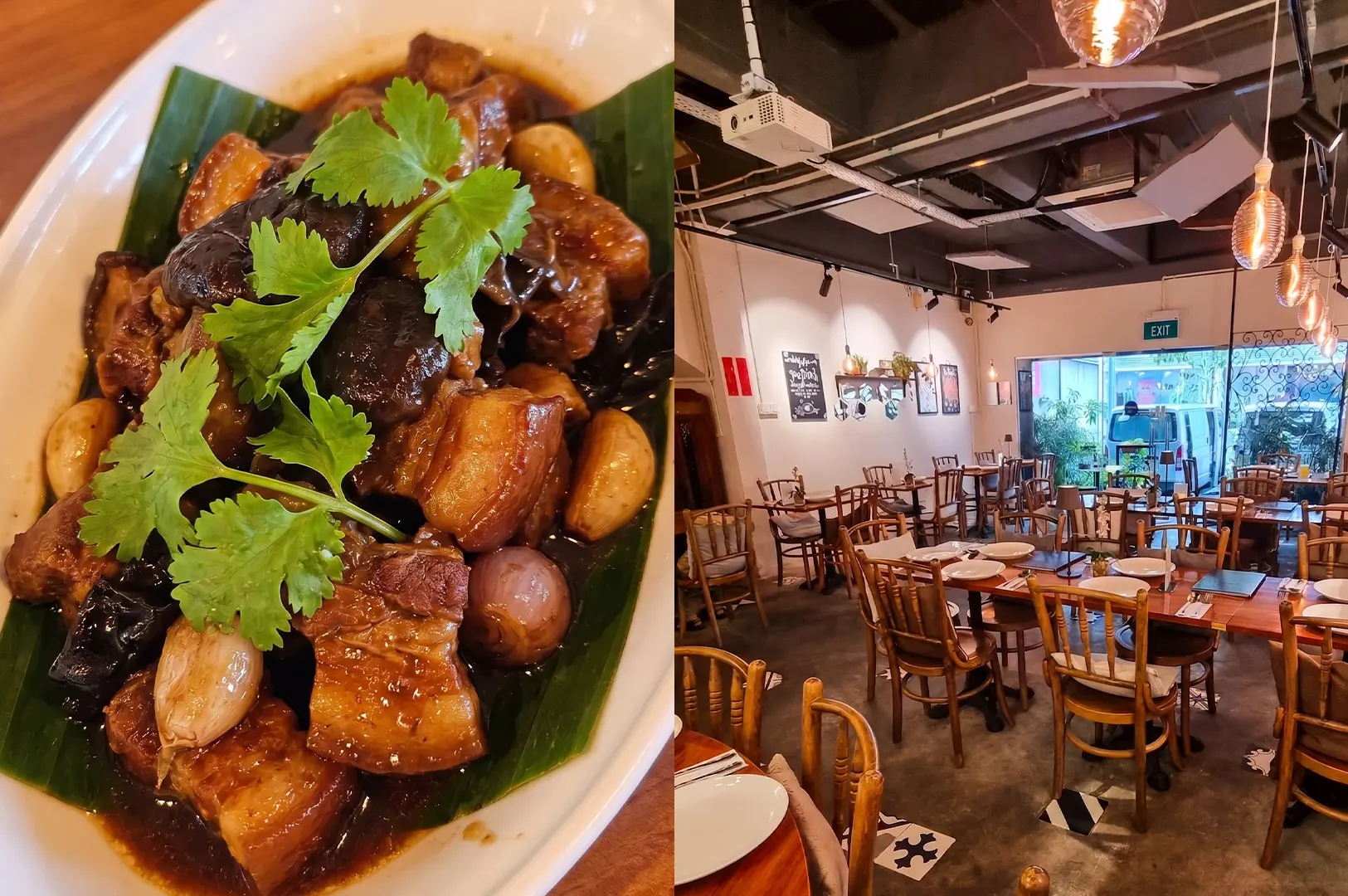
The babi pongteh (pork belly braised in fermented bean paste, around $18) is a dish rooted in Peranakan-Chinese cooking traditions. Slow, generous, deeply savoury. The first time I ate it here, it stirred fond memories of family dinners I hadn’t thought about in years. The kaffir lime leaves in the broth lift the whole dish, a reminder that Malay cuisine influences are as present here as the Chinese ones. This is authentic Nyonya cuisine at its most comforting, and one of the most complete expressions of Peranakan food in Singapore you’ll find outside a private home.
Why it’s a healthier choice: The babi pongteh gets its depth from slow braising and fermented bean paste rather than heavy cream or artificial flavouring. The kaffir lime leaves brighten the broth naturally, and the portions are honest rather than excessive. Ordering it to share across a table keeps the richness in check while letting everyone taste what this dish is really about.
Dishes I recommend: The babi pongteh for its slow-cooked, soy-forward depth that rewards patience, and any vegetable side dish to balance the richness of the pork belly and bring the full range of the meal into focus.
Insider tip: The babi pongteh tastes even better the longer it sits. Don’t rush it. Let the gravy work its way into the rice the way it was always intended to.
The Heritage Behind Every Dish
Peranakan culture grew from the intermarriage of early Chinese settlers and local Malay communities across the Straits Settlements. Over generations, their descendants built a Peranakan cuisine that belonged fully to neither parent tradition, but to something entirely their own. If you’re exploring Singapore’s broader culinary heritage, our guide to vegetarian dining in Singapore is a good companion read.
The Nyonyas became the keepers of the kitchen, threading Chinese ingredients through Malay spices until something entirely new emerged. Today, the intricate flavors and techniques of Peranakan cuisine continue to captivate food enthusiasts seeking a taste of authenticity. From the fiery heat of chili-based dishes like ayam buah keluak to the delicate balance of sweet and sour in assam laksa, every dish has a story steeped in cultural heritage. And with each bite, you can experience the rich history and vibrant diversity of Southeast Asia.
Conclusion: Peranakan Food Singapore and the Heritage Worth Preserving
Peranakan food has always been more than what ends up on the plate. It is memory made edible: a rempah pounded the same way it was a generation ago, a braised dish that carries the weight of a specific kitchen, a specific hand, a specific Sunday afternoon. The restaurants on this list are not just places to eat. They are places where that inheritance is still being held, quietly and carefully, against the pressure to simplify or forget.
If you leave one of these tables full and a little moved, that is the cuisine doing exactly what it was always meant to do.
For more honest, thoughtful dining guides rooted in culture and wellbeing, Healthy Food Guide is worth bookmarking.