Understanding Portion Control and Food Portions for a Balanced Diet
I will never forget the time I first attempted portion control. I bought a set of tiny meal-prep containers and filled them with a few tablespoons of plain brown rice, some boiled broccoli, and exactly one small chicken breast. I was so proud of my discipline. However, by 3:00 PM, I was lightheaded, cranky, and staring obsessively at the office pantry. When I got home, I immediately raided the kitchen and ate everything in sight. I had tried portion control the absolute wrong way, and it backfired spectacularly.
When I talk to people about managing portion sizes, the exact same “fear thoughts” always come up. You might be thinking: “If I eat less, I will be hungry,” or “I will feel restricted,” or even “I will fail at night anyway.” I used to believe every single one of those thoughts. But I am here to tell you that healthy eating and mindful eating do not require starvation. It just takes a strategic shift in how you build your plate to maintain a healthy weight and improve overall health.
Why "Deprivation" Actually Happens: The Role of Calories, Nutrients, and Hormones
Before we fix the problem, we need to understand why eating smaller portions often feels like torture. Deprivation is not just a lack of willpower; it is a profound physiological and psychological response.
When you drastically cut calorie intake without changing what you eat, your body panics. Your hunger hormone, ghrelin, skyrockets, while leptin, the hormone that signals satiety, plummets. This hormonal chaos is magnified if your meals lack sufficient protein, fiber, vitamins and minerals. Protein and fiber are the heavy lifters of feeling full. Without them, your blood sugar spikes and crashes, leaving you ravenous.
Furthermore, stress, poor sleep, and a highly stimulating food environment play massive roles. If you are exhausted from a long workday and you are suddenly faced with a massive platter of food, your tired brain will naturally seek the quickest source of comfort and energy. Food makers spend millions studying the “bliss point” of processed snacks, specifically engineering them to bypass your brain’s natural fullness cues. This is why you can easily eat an entire bag of chips but would naturally stop after eating a single baked potato.
Practical Strategies That Actually Worked for Me: Measuring Serving Sizes and Choosing Nutritious Foods
Once I stopped fighting my body and started working with it, everything changed. I stopped eating out of tiny containers and started using strategy.
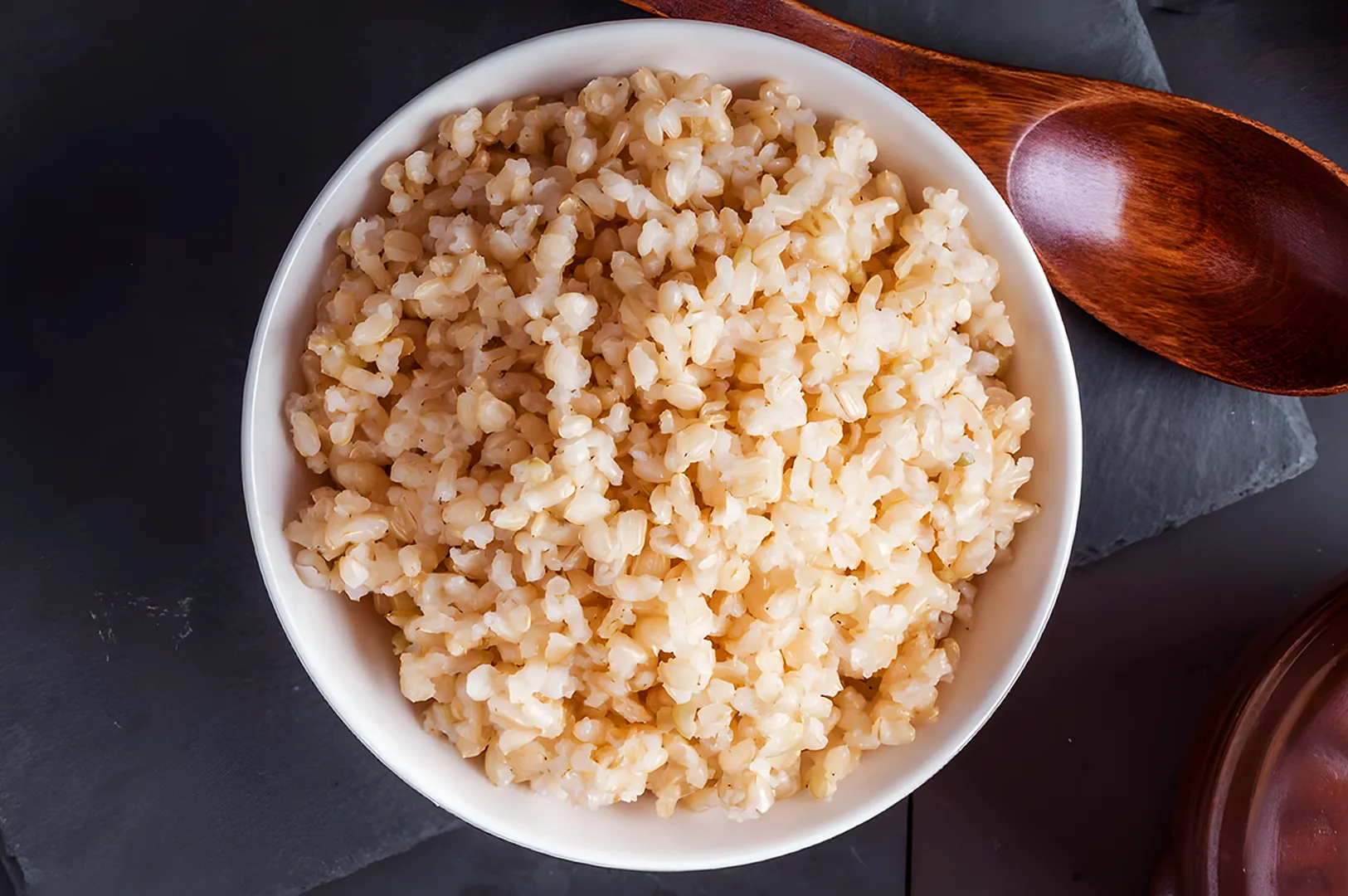
First, I focused on protein targets rather than calorie deficits. I aimed for 25 to 35 grams of protein at lunch. Hitting this specific number completely eliminated my afternoon sugar cravings. Second, I changed how I served my carbohydrates. Instead of blindly filling half my plate, I served exactly 1 cup of brown rice instead of a heaping bowl. It was enough to satisfy me without leaving me feeling overly stuffed. Finally, I instituted a mandatory pause during dinner. If I wanted more food, I waited 10 minutes before getting seconds. Nine times out of ten, the craving passed, and I realized I was already perfectly full.
Pro tip: Always drink a large glass of water about 20 minutes before sitting down to your meal. Thirst often masks itself as hunger, and hydrating beforehand helps you accurately gauge your true appetite.
The Plate Method: A Visual Guide to Balanced Portions
A simple and effective way to control portions and ensure a balanced diet is the Plate Method. Here’s how to divide your plate:
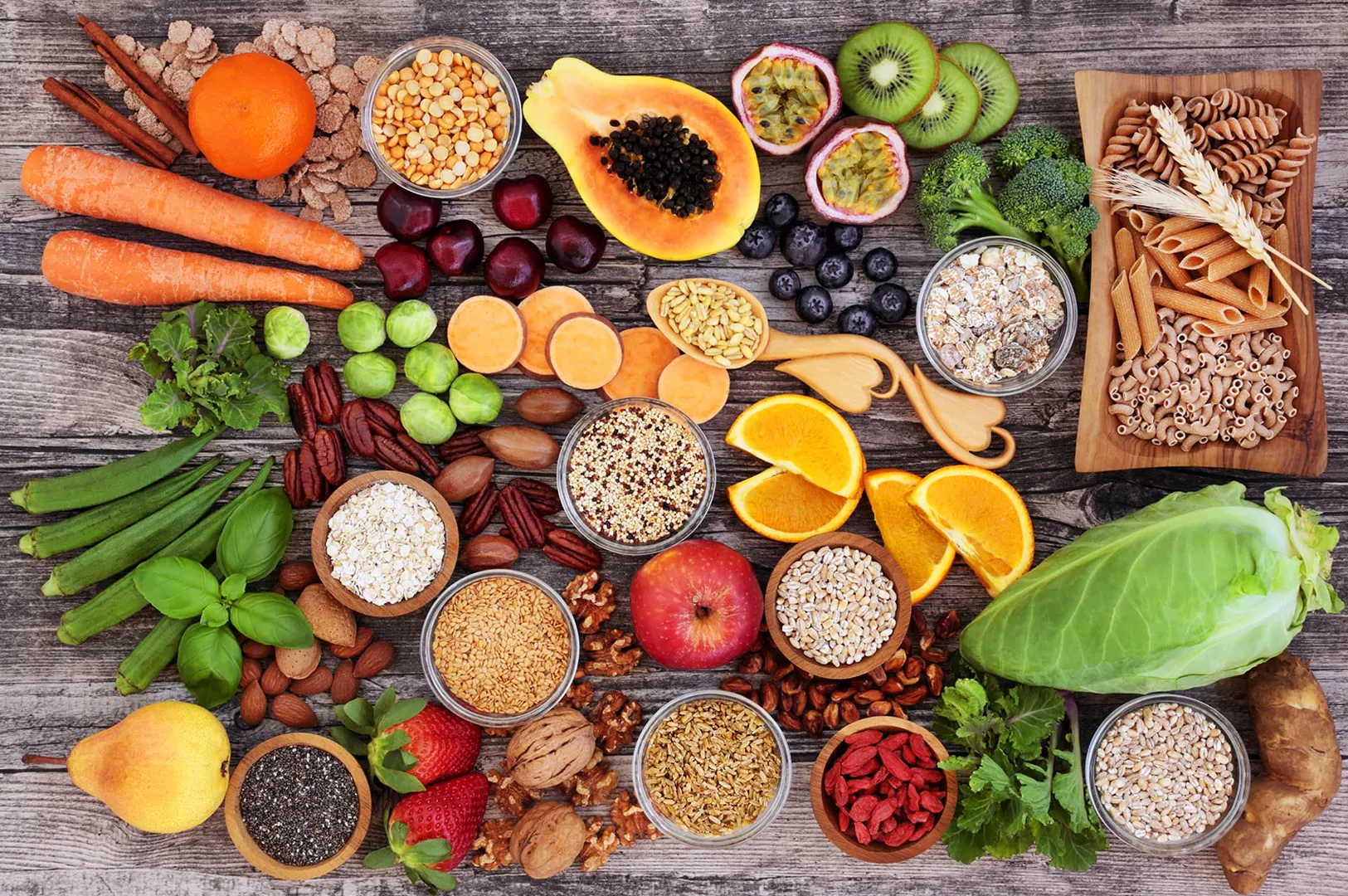
50% non-starchy vegetables and fruit: Fill half your plate with colorful, fiber-rich vegetables like spinach, broccoli, or cucumber, and some fruit. These provide essential vitamins, minerals, and volume with fewer calories.
25% lean protein: Include chicken, tofu, fish, eggs, or beans. Protein supports satiety and muscle health.
25% whole grains or complex carbohydrates: Brown rice, whole wheat pasta, or sweet potatoes provide lasting energy.
Add healthy fats: A thumb-sized portion of healthy fats such as olive oil, avocado, or nuts helps nutrient absorption and flavor.
Using smaller plates (8-9 inches) can make these portions look more satisfying and help reduce overeating.
Portion Control at Hawker Centres, Cafes, and Restaurants: Smart Modifications for Eating Out

Living in Singapore, our social lives revolve around incredible food. You might worry that portion control means giving up your favorite spots. I assure you, it does not.
At the hawker centre, it is all about smart modifications. When I order Hainanese chicken rice ($4.00 to $6.00 SGD), I simply ask the uncle for “less rice” (shao fan) and order an extra side of steamed chicken breast or a braised egg ($1.00 to $1.50 SGD) for extra protein. If I am at a mixed rice stall ($5.00 to $7.00 SGD), I point to two green vegetable dishes and one meat, asking for only half a scoop of rice.
When I visit a trendy café for weekend brunch, the portions are often massive. A typical avocado toast or hearty salad bowl can cost $15.00 to $22.00 SGD and contain enough food for two meals. I prefer to ask for a takeaway box right when my food arrives. I immediately pack half of it away for tomorrow’s lunch before I even take my first bite.
Portion Size and Serving Sizes: A Step-by-Step Mini Framework for a Satisfying Plate
If you want a simple, repeatable system for deciding portions, follow this specific framework whenever you plate a meal:
Start with the vegetables and fruit: Fill half of your plate with low-starch vegetables (like spinach, broccoli, or cucumber) and fruit. This provides massive volume, fiber, vitamin C, and other vitamins and minerals for very few calories.
Anchor with protein: Fill one-quarter of your plate with a solid protein source (chicken, tofu, fish, or eggs). This ensures lasting satiety and supports your health journey.
Add your joy (carbs): Fill the remaining quarter with your complex carbohydrates (brown rice, pasta, or sweet potatoes). Use measuring cups or visual cues like your cupped hand to serve the right portion size.
Finish with healthy fats: Add a thumb-sized portion of healthy fats, like a drizzle of olive oil, avocado, or a sprinkle of nuts, to help absorb nutrients and add flavor while avoiding unhealthy fat.
Insider knowledge: Your stomach takes roughly 20 minutes to send the “I am full” signal to your brain. Eating slowly and putting your fork down between bites gives your hormones the time they need to register the food you are consuming.
Common Mistakes to Avoid on Your Health Journey: Managing Calories and Portion Sizes
In my experience, learning to eat the right amount is a journey filled with trial and error. Here are five mistakes I made, what happened, and what I do instead:
Mistake: I completely banned my favorite treats.
What happened: I felt incredibly restricted and eventually binge-ate an entire pint of ice cream.
What I do now: I practice mindful eating. I plate a small, sensible portion of dessert on a real dish, sit down, and savor every single bite without guilt.Mistake: I skipped breakfast to “save” calories for dinner.
What happened: I was so ravenous by 7:00 PM that I consumed double the portions I normally would.
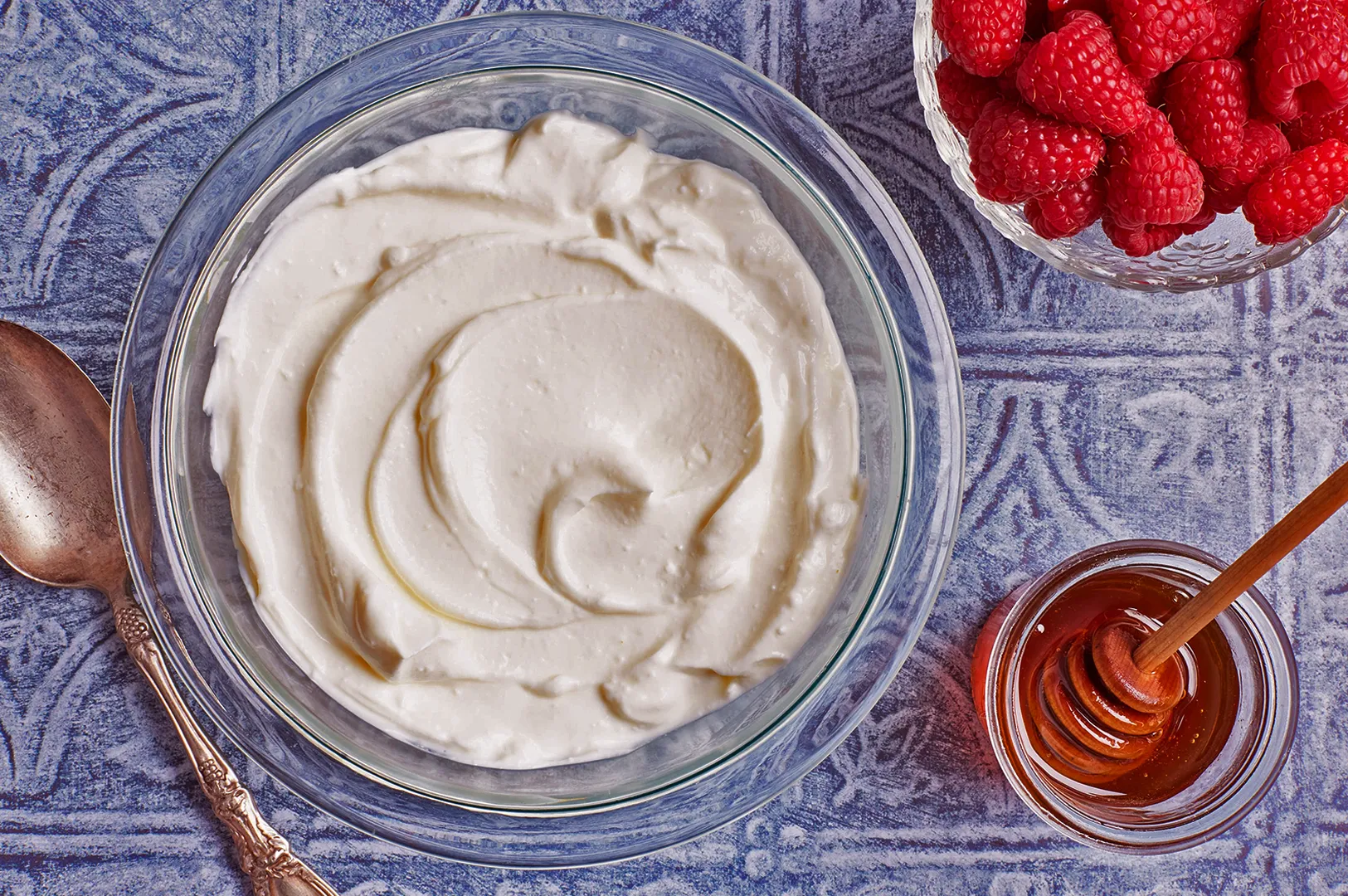
What I do now: I eat a high-protein breakfast, like Greek yogurt with berries, which keeps my appetite stable all day.Mistake: I ate straight out of the family-sized snack bags.
What happened: I completely lost track of how much food I was eating and consumed hundreds of extra calories mindlessly.
What I do now: I always portion my snacks into a small bowl and put the bag away before I start eating.Mistake: I relied purely on willpower to stop eating.
What happened: At the end of a stressful day, my willpower was zero, and I overate.
What I do now: I rely on my environment. I keep healthy foods visible and portion out my meals in advance.Mistake: I forced myself to finish everything on my plate to avoid wasting food.
What happened: “I will waste food” became my biggest fear thought, leading me to use my body as a trash can.
What I do now: I remind myself that overeating is also a form of waste. I pack leftovers promptly or compost scraps.
Check Food Labels and Nutrition Facts Label: Tools to Manage Your Calorie Intake and Portion Sizes
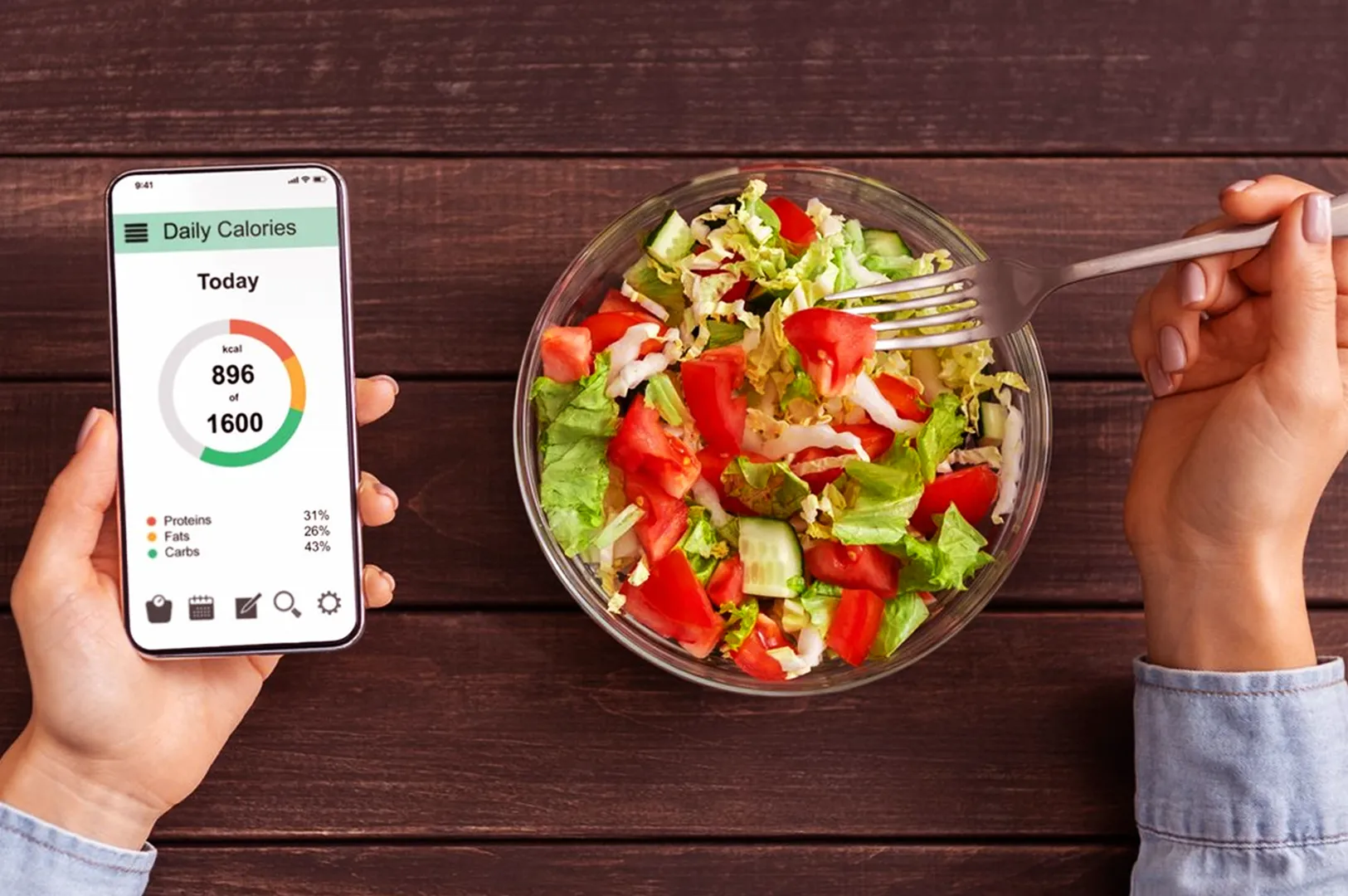
To maintain a healthy weight and support your weight loss or health journey, it’s essential to check food labels and nutrition facts labels. These labels provide information on serving sizes, calorie content, added sugars, unhealthy fat, salt, and other nutrients.
Keep in mind that the serving size on a food label may be more or less than the portion size you actually eat. Use measuring cups or visual cues to better estimate how much food you are consuming. By checking food labels, you can avoid extra calories and choose healthier options that fit your dietary guidelines.
FDA Serving Size Updates:
The U.S. Food and Drug Administration has updated serving sizes on many food labels to better reflect what most people actually eat. For example, a serving size of ice cream increased from 1/2 cup to 2/3 cup, and yogurt serving size decreased from 8 ounces to 6 ounces. Remember, serving sizes on labels are not recommendations but a guide to help you count calories and nutrients accurately.
Portion Control and Weight Loss: Balancing Calories and Nutrients for a Healthier Lifestyle
Mastering portion control is not about eating the smallest amount of food possible; it is about finding the exact amount of food that makes you feel energetic, satisfied, and vibrant. You do not have to give up the foods you love. By making simple tweaks to your environment, prioritizing protein, and listening to your body’s natural signals, you can enjoy every single meal without an ounce of guilt.
If weight loss is your goal, controlling portion sizes can help you reach it more effectively by reducing calorie intake without feeling deprived.
Intermittent Fasting: A Complementary Approach to Portion Control
Some people find that combining portion control with intermittent fasting—a pattern of eating that cycles between periods of fasting and eating—helps regulate calorie intake and improve metabolic health. While intermittent fasting is not for everyone, it can be a useful tool alongside mindful portion control.
Final Tips for Success
Start your journey today by serving your dinner on a slightly smaller dish. Make sure exactly half of it is covered in vegetables and fruit, one-quarter with protein, and one-quarter with whole grains like brown rice or pasta. This balance supports your overall health, helps you lose weight or maintain a healthy weight, and ensures you get enough vitamins, minerals, and other nutrients essential for life.
You have got this! Your health and lifestyle will thank you for it.
For more educational contents and recommendation, click and visit Healthy Eating Singapore: Food Myths Debunked and Nutrition Facts