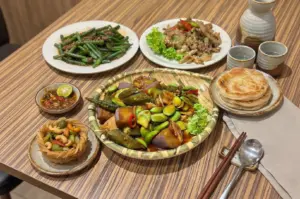
Imagine I’m standing in front of my favorite hawker stall in Singapore, the aroma of sizzling garlic and wok hei wrapping around me like a warm hug. My stomach grumbles, ready for a treat, but then a tiny voice in the back of my head whispers, “Wait! Isn’t that bad for me? Doesn’t eating carbohydrates after 6 PM turn directly into fat? Isn’t that MSG going to give me a headache?“
I’m sure you’ve been there too. In this age where healthy eating Singapore advice floods our social media feeds faster than we can scroll, it’s easy to feel paralyzed by food fear. One day eggs are a superfood; the next, they’re a cholesterol nightmare. We’re told to fear fruit juices because of sugar, yet urged to eat more plant-based foods. Honestly, it’s enough to make anyone want to throw their hands up and order a double cheeseburger just to silence the noise!
But here’s the exciting truth I’ve discovered: Nutrition science isn’t about restriction or fear; it’s about empowerment! When I strip away sensational headlines and old wives’ tales, I find a world of food facts that are liberating, logical, and surprisingly flexible. Understanding the real science behind what I eat lets me navigate our vibrant food landscape, from fine dining to the humble kopitiam, with confidence and joy.
Understanding Nutrition Basics
Before I can separate nutritional substance from culinary myth-making, I need to establish the foundational principles that govern a truly nourishing diet. To me, sound nutrition isn’t about rigid rules or cutting out my favorite dishes, it’s about finding harmony through ingredient diversity and making deliberate choices that support my wellness over time.
I’ve learned that cooking thoughtfully, choosing brown rice over refined grains, preparing leafy vegetables—both raw leafy vegetables and cooked leafy vegetables—in ways that keep their nutrients intact, and picking lean proteins that taste great and nourish well, makes a real difference. These small changes not only keep my energy steady and my immune system strong but also lower my risk of developing chronic diseases like cardiovascular disease, heart disease, and metabolic disorders.
The best part? A well balanced meal doesn’t have to be complicated or boring. By using fresh foods, seasonal ingredients, and following the Healthy Plate method, I can create dishes that satisfy my taste buds and nourish my body at the same time. Every meal is a chance to move closer to better health while enjoying the food I love.
Myth #1: Carbohydrates Are the Enemy (Especially Brown Rice and Refined Grains!)
The Belief
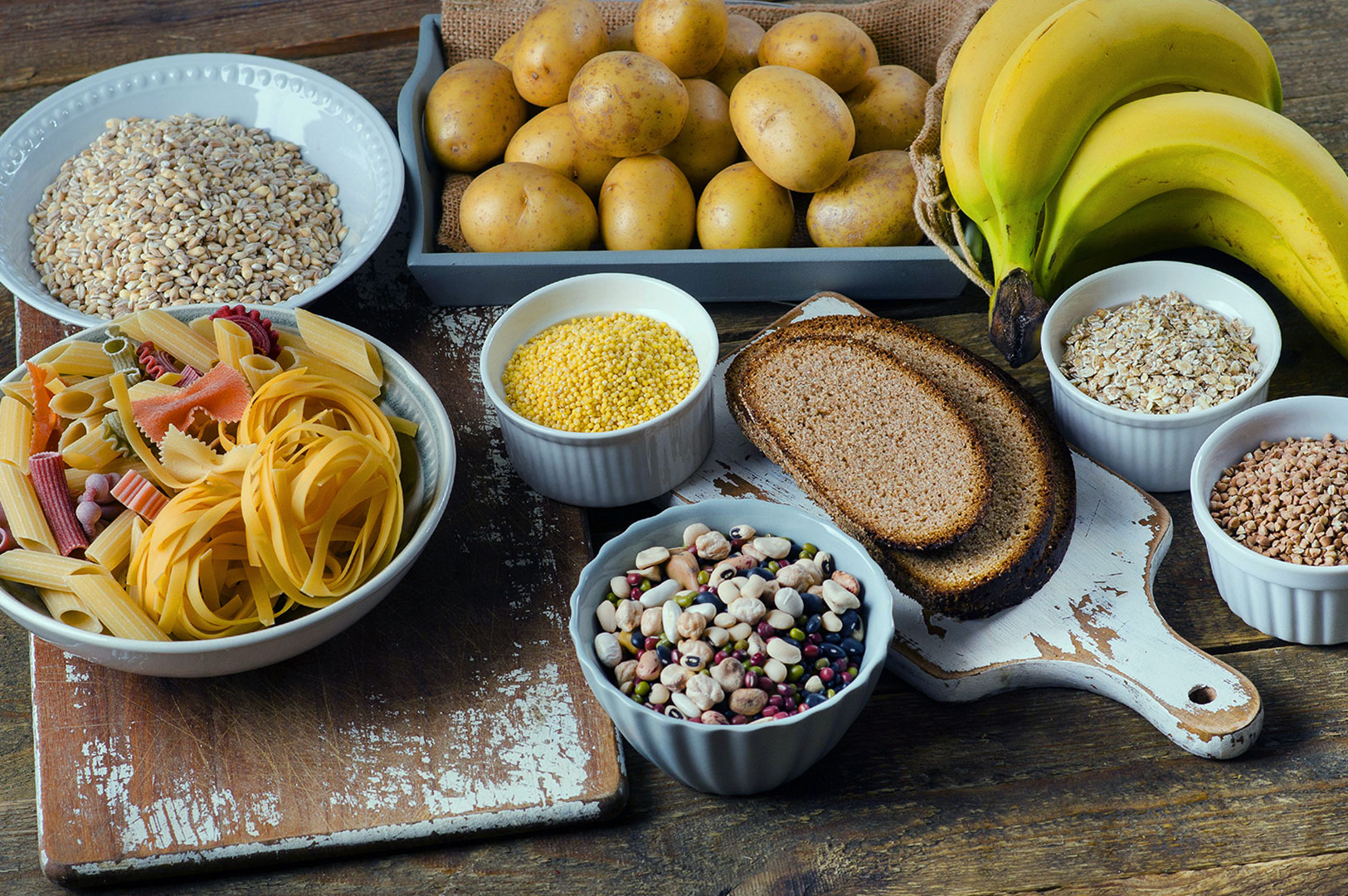
I’ve heard this one a lot: carbs are the enemy. Especially white rice, noodles, and bread. The story goes that carbs make you gain weight and mess up your blood sugar. People often say, “I’m cutting out rice to lose weight.”
What I’ve Learned
Here’s the truth: carbs aren’t the enemy. In fact, they’re my body’s preferred energy source! My brain alone uses about 20% of my daily energy, and it runs almost entirely on glucose from carbs.
The Health Promotion Board encourages choosing wholegrain foods like brown rice and wholemeal bread instead of refined grains like white rice or white bread. Wholegrain foods provide all the nutrients I need, including dietary fibre, vitamins B and E, and minerals such as iron, zinc, and magnesium. The fibre helps slow down sugar absorption into my blood stream, which keeps my energy steady and supports weight management. Plus, it lowers my risk of developing heart disease, cardiovascular disease, and diabetes.
I’ve also realized that weight gain comes from eating more calories than I burn, no matter where those calories come from. So cutting out brown rice but eating lots of fatty meats or sugary processed foods isn’t really healthier. Visible fats and bad fats from fatty meats and processed foods contribute to high cholesterol and other health risks.
What I Do Now
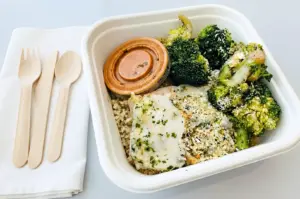
I follow the Healthy Plate: half my plate is leafy and non-leafy vegetables, a quarter wholegrains like brown rice or wholemeal bread, and a quarter lean meat or other protein.
When I’m at the hawker center, I ask for mixed rice (brown and white) if it’s available. The fibre in the brown rice helps keep my energy steady.
I pick healthier cooking methods like steaming, grilling, or baking instead of deep-frying to cut down on unhealthy fats, saturated fat content, and bad fats.
Myth #2: Late-Night Snacking Automatically Turns to Fat

The Belief
I used to believe the rule “Don’t eat after 8 PM!” My thinking was that my metabolism slows down at night, so any food I eat late just turns into fat.
What I’ve Learned
Turns out, my metabolism doesn’t have a curfew! My body burns calories 24/7 to keep my heart beating, lungs breathing, and cells repairing, even when I’m asleep.
The real reason late-night eating can lead to weight gain isn’t the time; it’s what and how much I eat. Late-night snacks often include processed meats, soft drinks, fried foods, and sugary treats loaded with added sugar and unhealthy fats, which add up to extra calories and raise my blood cholesterol levels.
How I Handle Late-Night Cravings
I ask myself if I’m really hungry or just bored or stressed before grabbing a snack.
If I’m hungry, I choose lighter options like clear soups with fresh foods, cooked vegetables, or a small portion of fresh fruit instead of high-fat or sugary snacks.
I watch my portions to avoid mindless munching and prepare to balance my next meal accordingly.
Myth #3: All "Processed Foods" Are Unhealthy
The Belief
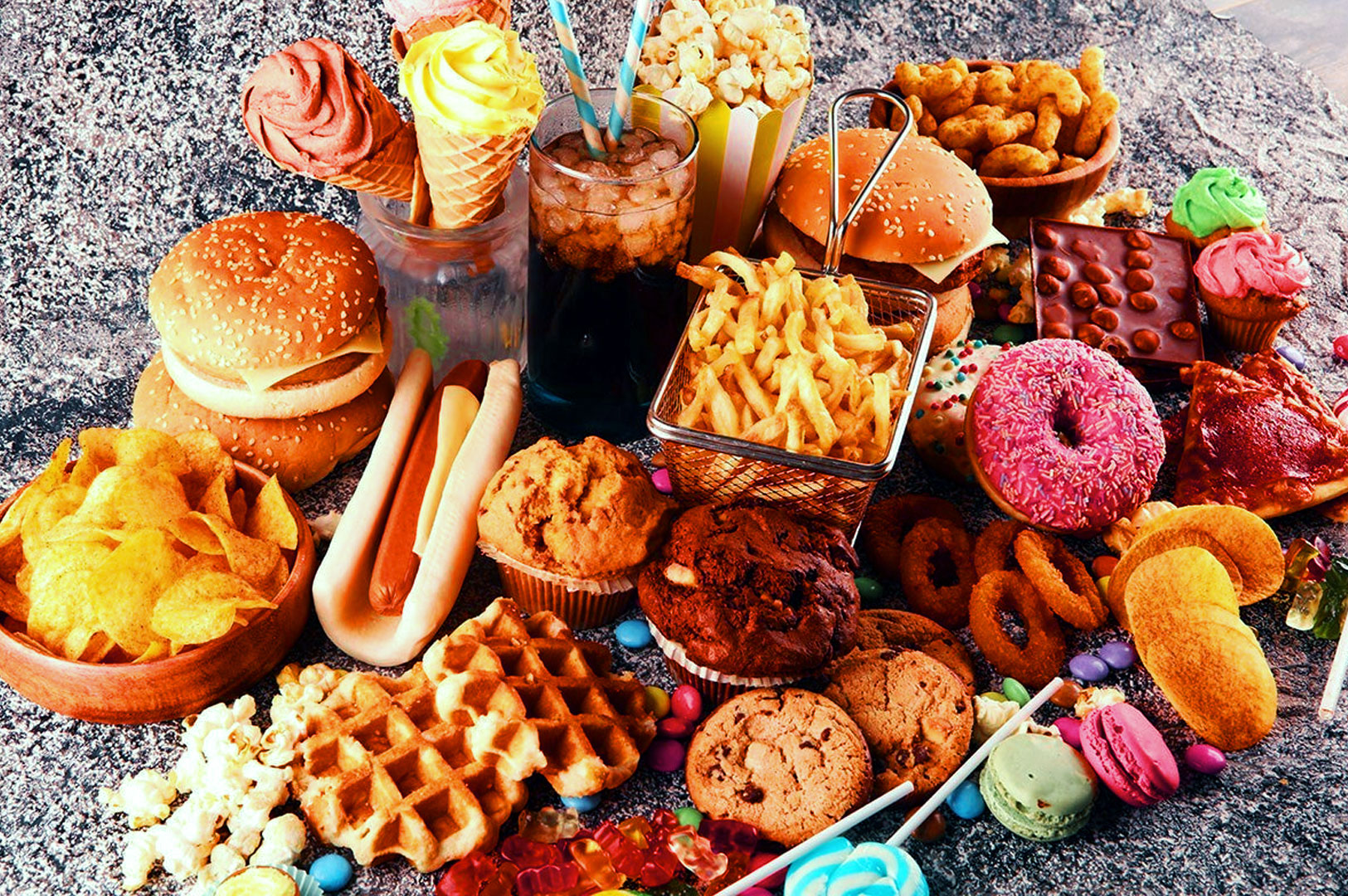
I used to avoid anything “processed,” thinking it was full of chemicals and no nutrients.
What I’ve Learned
Processing just means changing food from its original state—it can be washing, chopping, freezing, fermenting, or pasteurizing. Many processed foods like low fat milk, low fat yoghurt, soy milk, canned beans, and frozen vegetables still have valuable nutrients and fit well into a balanced diet.
The Health Promotion Board recommends choosing processed foods with the healthier choice symbol, which means they have better nutrition—less saturated fat, lower salt, and less added sugar.
My Approach
I read labels and look for the healthier choice symbol.
I embrace frozen and canned veggies and fruits because they help me eat a wider variety.
I focus on nutrient density by choosing foods rich in fibre, protein, vitamins, and minerals.
Myth #4: MSG Is a Toxic Chemical to Avoid at All Costs
The Belief
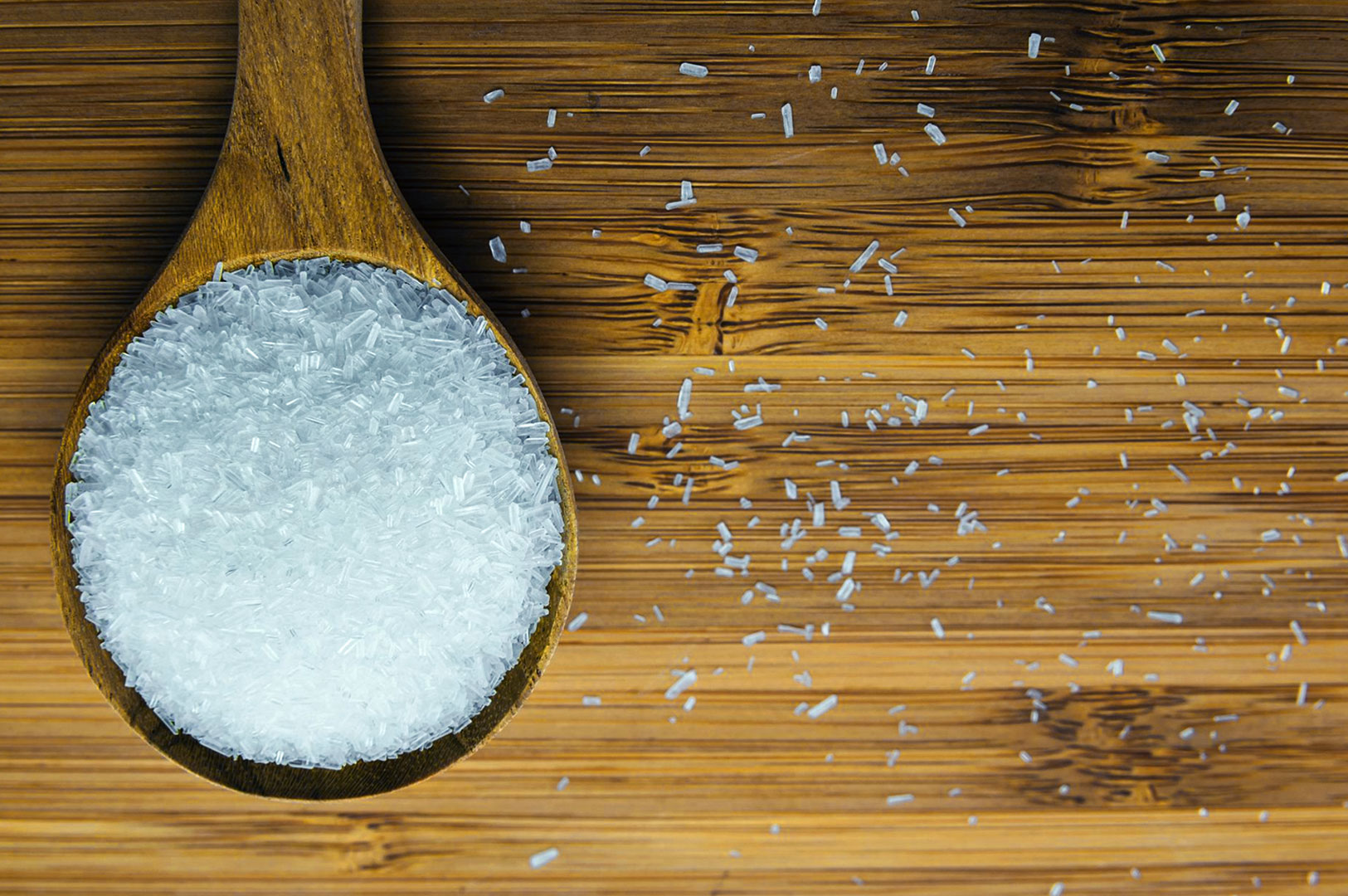
I’ve heard MSG blamed for headaches and other symptoms, so I used to avoid it.
What I’ve Learned
Research from the FDA and WHO says MSG is safe. It actually has less sodium than table salt and can help reduce overall salt intake, which is great for blood pressure and heart health.
What I Do
I don’t fear MSG but focus on the overall balance of my meal.
I limit salt intake by choosing dishes with less gravy or sauce, and I look for options with lower sodium salt.
I add natural umami flavors at home with mushrooms, tomatoes, citrus fruits, and a pinch of MSG if I want.
Myth #5: Detox Juices and Teas "Cleanse" Your Body
The Belief
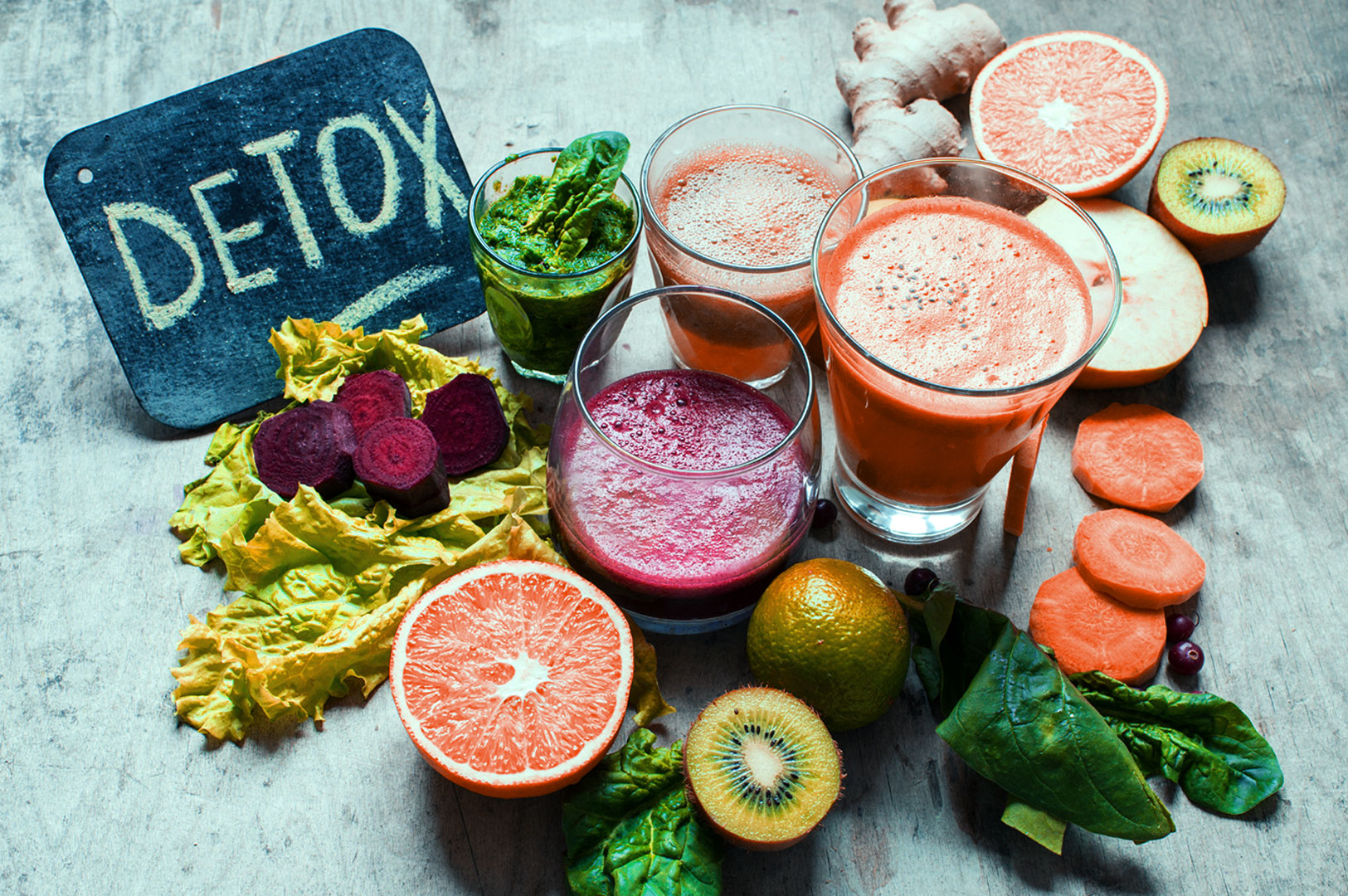
Detox diets promise to flush toxins and help with weight loss.
What I’ve Learned
My body’s liver, kidneys, lungs, and skin already detoxify naturally. Detox juices often lack fibre and protein, which can cause muscle loss and blood sugar swings. Any weight lost is usually water and waste that comes back when I eat normally again.
What Works Better
I stay hydrated and eat plenty of fibre from whole fruits, vegetables, and wholegrain foods.
I limit alcohol and avoid juice cleanses that don’t provide protein and fibre.
Myth #6: Fresh Produce Is Always Superior to Frozen or Canned
The Belief
I thought fresh was always best.
What I’ve Learned
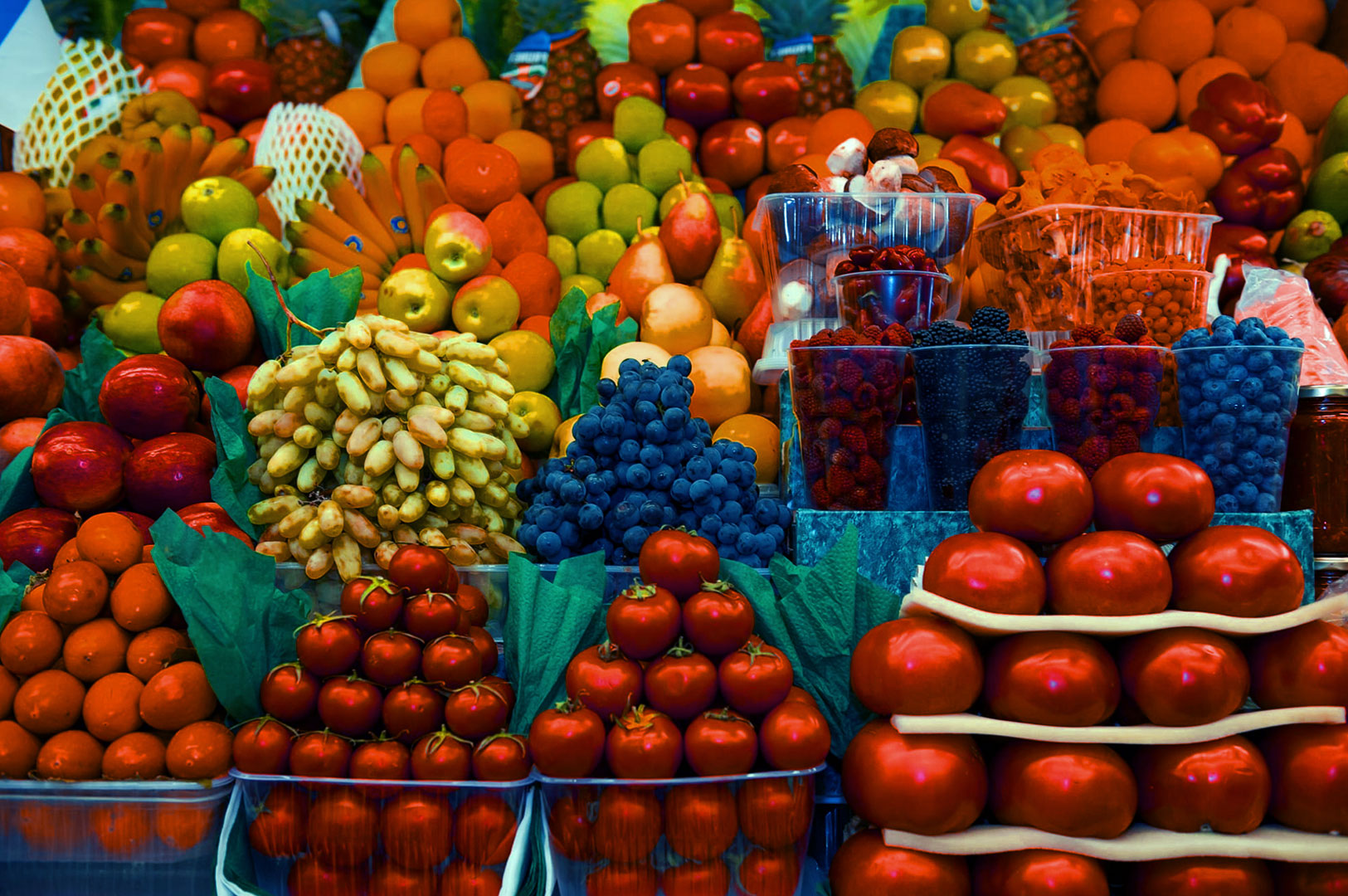
Frozen fruits and vegetables are often picked at peak ripeness and flash-frozen, preserving nutrients like vitamin C and folate better than fresh produce stored for days. I choose low sodium canned veggies and fruits canned in juice or water to avoid extra salt and sugar.
How I Eat More Veggies
I mix fresh, frozen, and canned produce to boost my intake.
I read labels to pick lower sodium and no added sugar options.
I eat a rainbow of leafy vegetables, cooked leafy vegetables, non leafy vegetables, and colorful fruits for maximum health benefits.
Myth #7: "Low-Fat" Means Healthy
The Belief
I used to think low-fat labeled foods were automatically better.
What I’ve Learned
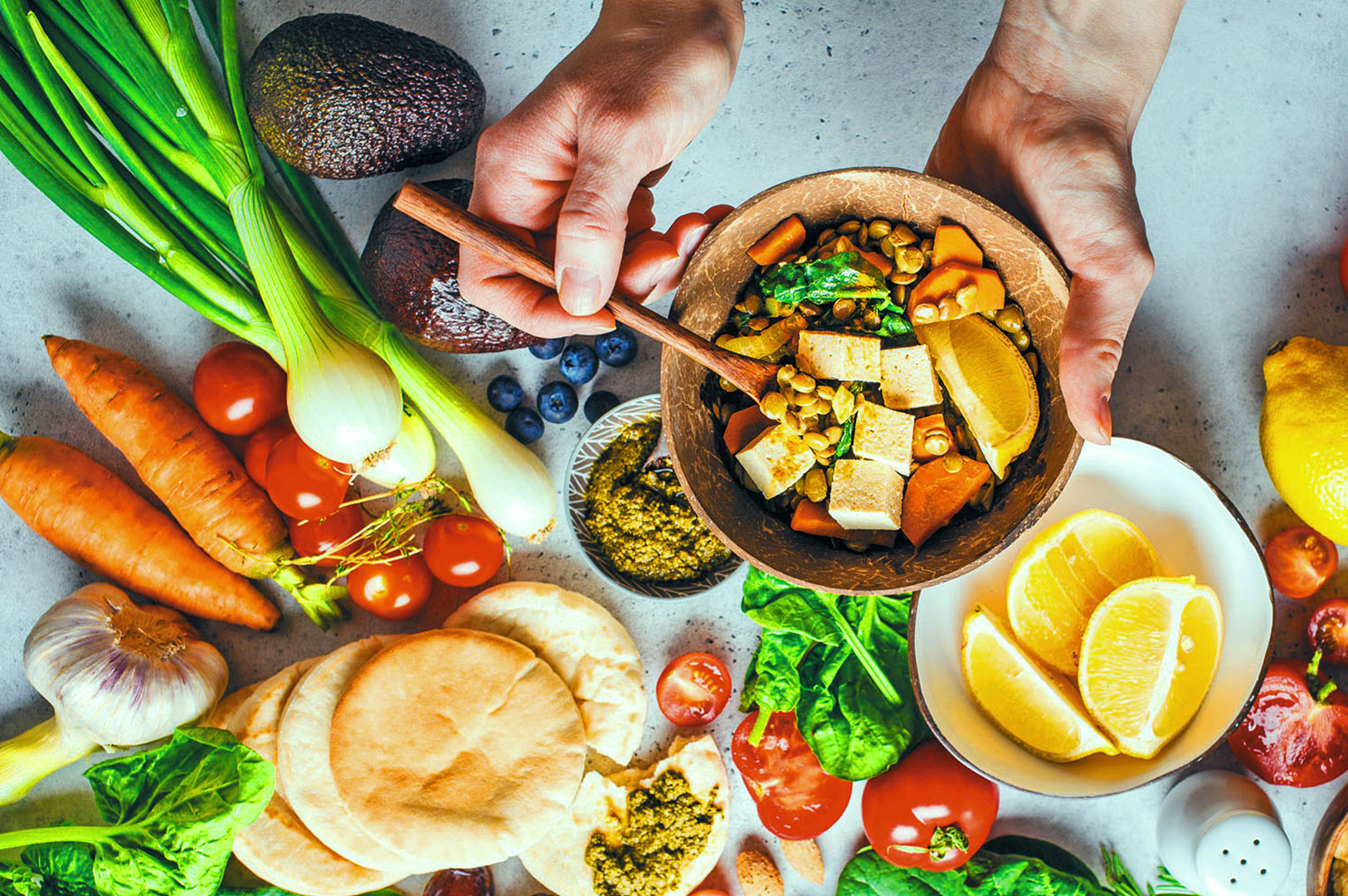
Fat is essential for hormones, brain function, and absorbing fat-soluble vitamins. Low-fat products often add sugar or salt, which can cancel out the benefits. I focus on quality fats—limiting saturated and trans fats and choosing healthy fats like monounsaturated and polyunsaturated fats found in olive oil, vegetable oils, nuts, and fatty fish.
What I Do
I use healthier oils like olive oil and vegetable oils rich in unsaturated fats.
I check sugar content when picking low fat dairy or yoghurts.
I include healthy fats in my meals to support heart health and weight management.
For more insights on educational articles on healthy diet I got you, just visit Why Dietary Fiber Benefits Matter: The Science Behind Singapore’s Nutrition Revolution
Conclusion: I Have the Power to Choose a Healthy Diet in Singapore!
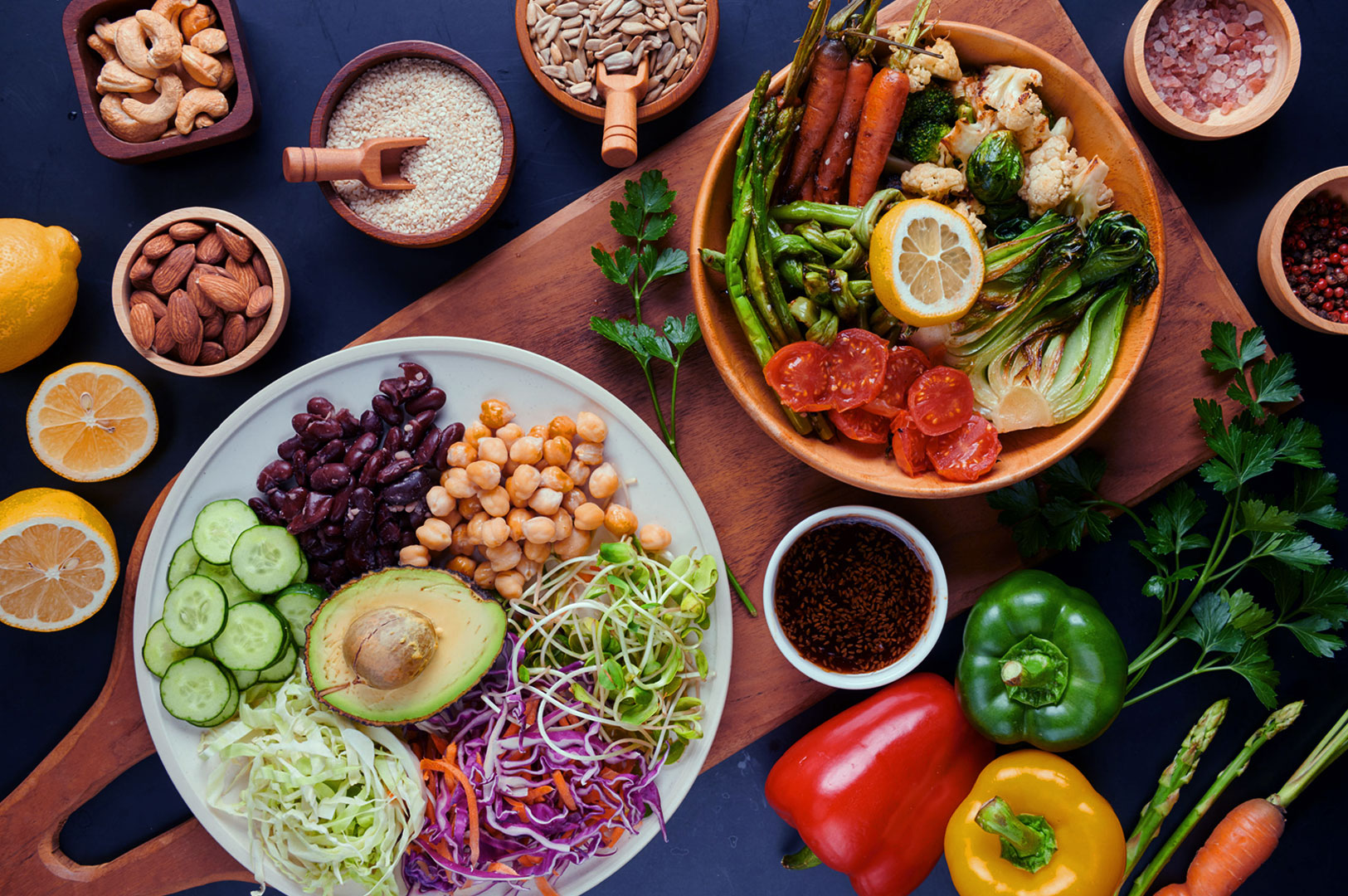
Taking charge of my daily nutritional needs doesn’t mean being perfect or scared. By following the Health Promotion Board’s healthy plate and meal plan, choosing healthier cooking methods, and picking healthier food with the healthier choice symbol, I enjoy a well balanced diet that supports my health and lowers my risk of developing chronic diseases such as heart disease, cardiovascular disease, kidney disease, and diabetes.
I make sure to eat a wide variety of fresh foods, wholegrain foods, lean meat, low fat dairy products, and plenty of leafy vegetables, while limiting processed foods, added sugar, saturated and trans fats, bad fats, and salt. These choices help me maintain healthy blood sugar levels, manage my weight, and keep my blood vessels and heart happy for a vibrant life here in Singapore.
Call to Action: Ready to spread the truth about healthy eating Singapore? Share one myth that surprised you with your friends or family today. Let’s adopt healthier eating habits together and bring joy back to our plates!