I will never forget sitting in my doctor’s office three years ago, staring at a piece of paper that made my heart sink. My LDL cholesterol and triglyceride levels were through the roof. I was shocked because I thought I was doing everything right. I exercised regularly and avoided deep-fried foods, yet the numbers told a completely different story. That moment sparked a deep dive into the science of nutrition. I realized that managing a heart healthy diet for high cholesterol is not just about what you remove from your plate. It is actually about what you add.
When I first tried to fix my healthy diet, I felt incredibly overwhelmed. You might be feeling that exact same way right now. You are probably wondering if eating foods that lower cholesterol means bland meals or having to completely give up eating out with friends. I am here to tell you that a heart healthy eating pattern is full of flavor, joy, and delicious possibilities. Let us break down the science of how certain foods rich in nutrients actually work inside your body to lower your cholesterol, and how you can easily apply this to your daily life.
Making Sense of Bad Cholesterol: LDL, HDL, and Blood Cholesterol Levels
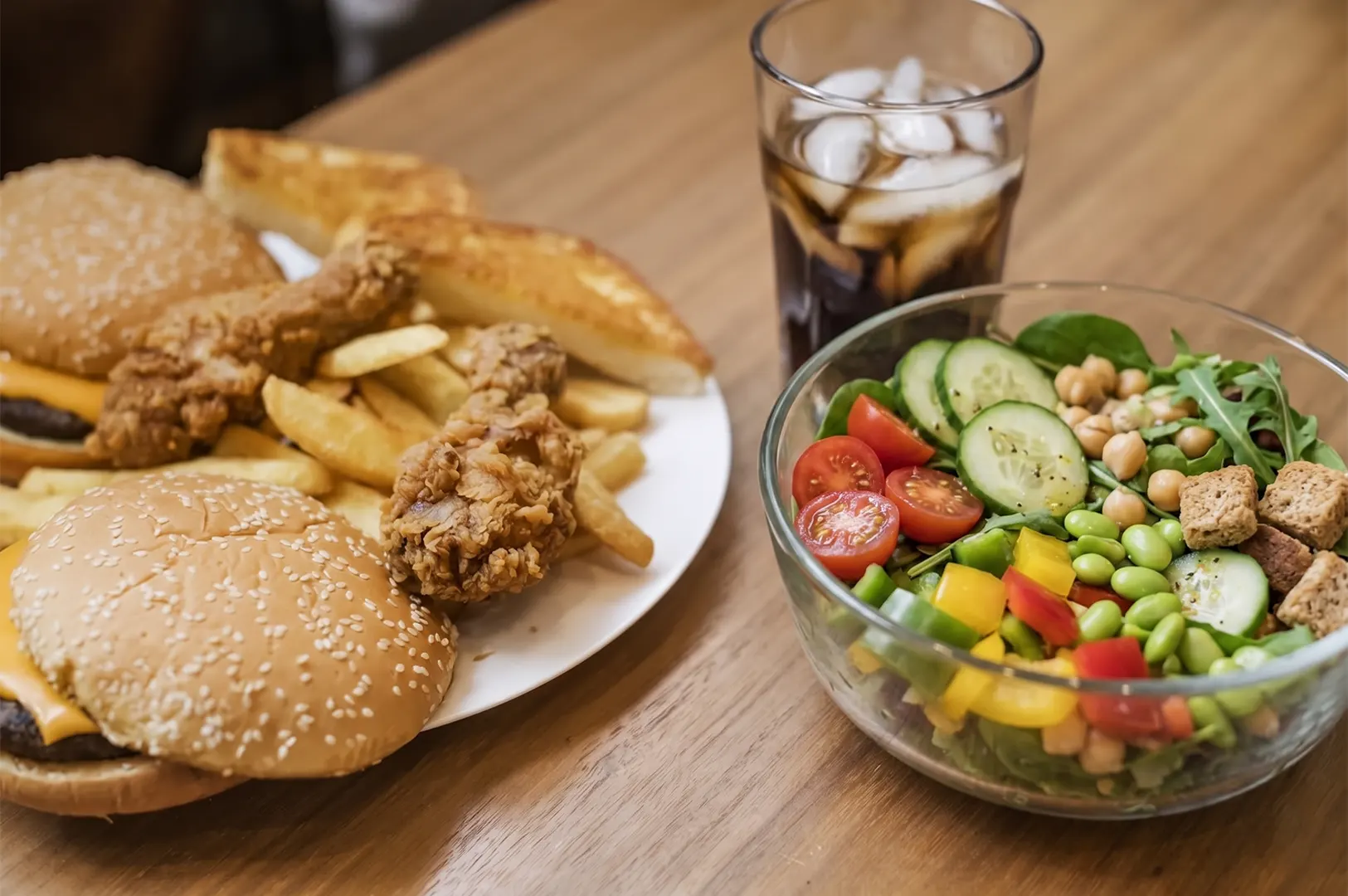
Before we change how we eat, we need to understand what we are trying to fix. Cholesterol is a waxy substance your body needs to build cells, but having too much of the wrong kind causes trouble.
Think of low density lipoprotein (LDL) cholesterol as heavy, sticky delivery trucks dropping off fat in your arteries, where it can build up and cause blockages. This bad LDL cholesterol contributes to high blood cholesterol and increases your risk of heart disease and cardiovascular disease. High density lipoprotein (HDL) cholesterol acts like the cleanup crew, sweeping excess cholesterol back to your liver to be removed. Triglycerides are a type of fat stored in your blood from extra calories you eat. You might also hear doctors mention ApoB, a protein attached to all the bad LDL cholesterol particles. Lowering ApoB is a fantastic goal for heart health.
When you consume highly processed foods, which are loaded with refined sugars, trans fats, and partially hydrogenated vegetable oil, your liver goes into overdrive producing triglycerides and LDL cholesterol. Replacing these processed foods with whole grains, vegetables, and other whole foods is your first line of defense to lower cholesterol and improve blood lipids.
Insider knowledge: Food labels can be tricky. When scanning food labels at the supermarket, look specifically at the saturated fat, trans fats, and fibre intake lines. If a packaged snack has more than 3 grams of saturated fat per serving, contains partially hydrogenated vegetable oil, and zero fibre, it is best left on the shelf.
Avoid prepared foods and processed meats high in unhealthy fats like palm oil and coconut oil, which raise LDL cholesterol levels and total cholesterol.
The Magic of Soluble Fibre in a Healthy Diet
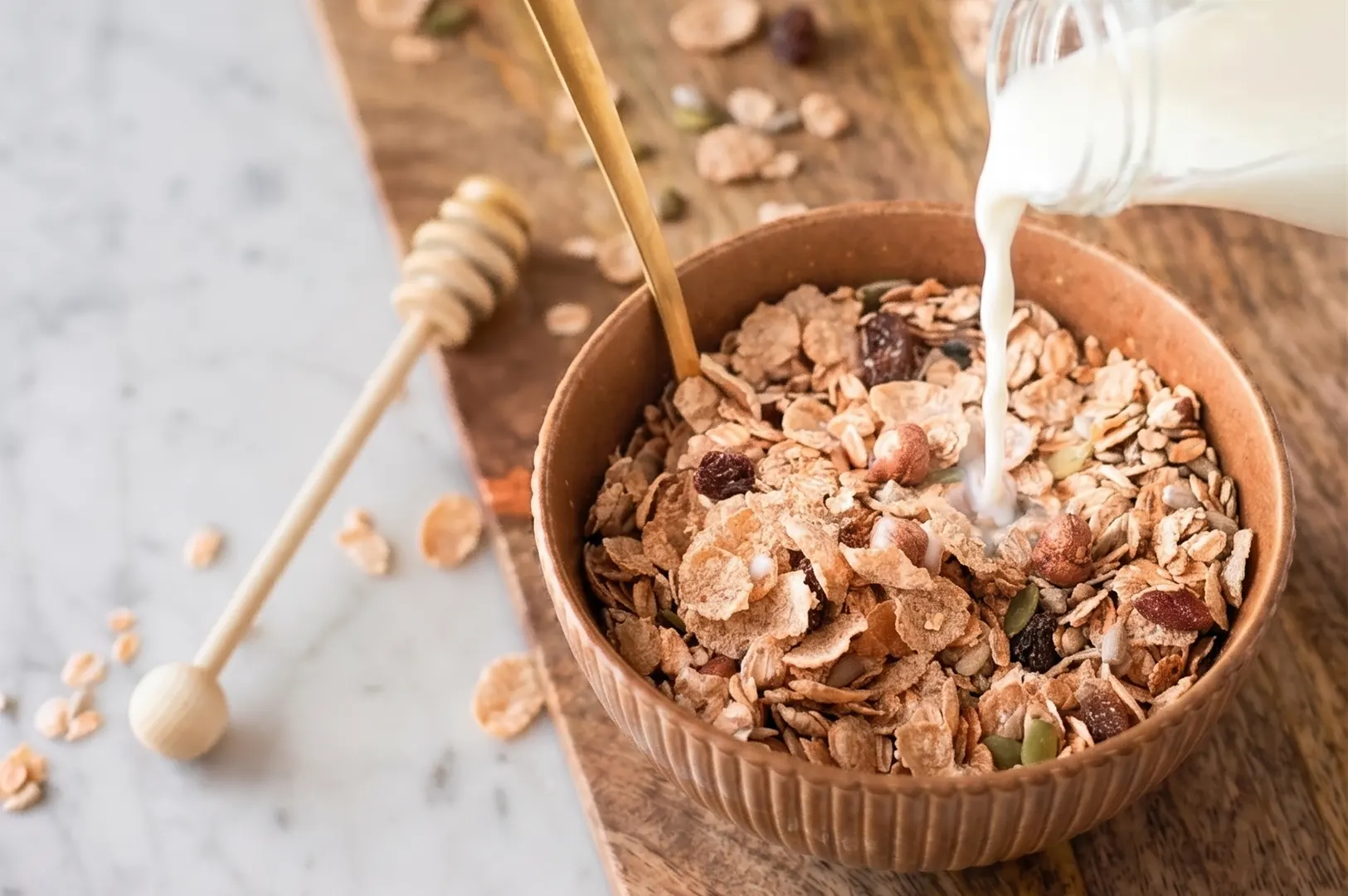
If there is a superhero in the world of lipid control, it is soluble fibre. I used to think fibre just helped with digestion, but its impact on heart health is absolutely brilliant.
When you eat soluble fibre foods like oats, kidney beans, barley, apples, and legumes, the fibre dissolves in your gut to form a thick, gel-like substance. This gel acts like a sponge, binding to cholesterol-rich bile acids in your digestive tract and carrying them out of your body as waste.
Because your liver needs those bile acids to digest food, it is forced to pull LDL cholesterol out of your bloodstream to make more. The result is a natural, steady drop in your blood cholesterol levels and a reduction in cholesterol absorption.
Rethinking Dietary Fat: Healthy Fats vs. Unhealthy Fats
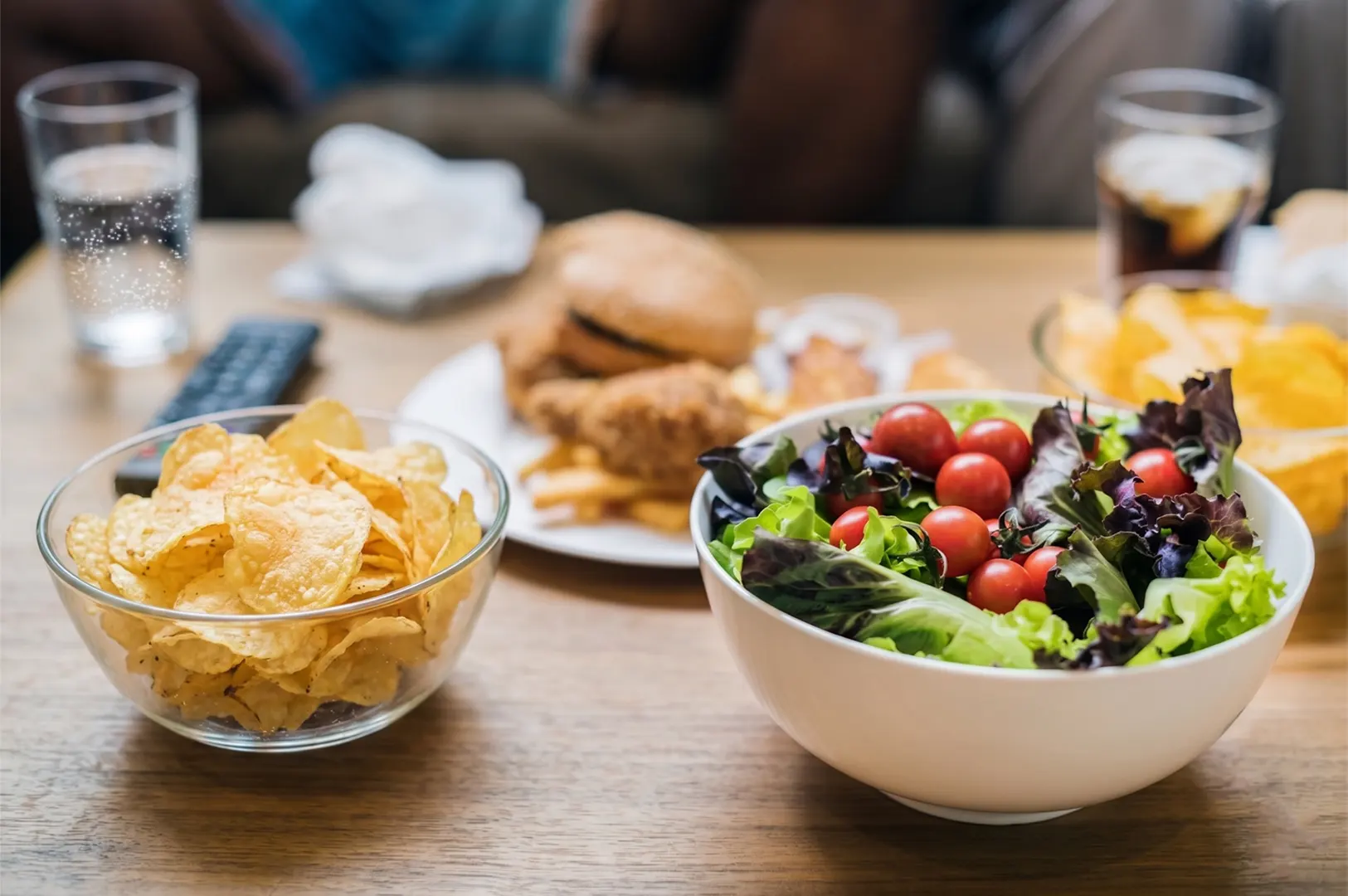
In my experience, the biggest confusion surrounds dietary fat. For decades, we were told to avoid all fat, but the science shows a different reality. Saturated fat, mostly found in fatty cuts of meat, butter, palm oil, and coconut oil, directly signals your liver to produce more bad LDL cholesterol, raising your cholesterol levels and increasing your risk of coronary heart disease.
Trans fats, found in partially hydrogenated vegetable oil used in many highly processed foods and prepared foods, are especially harmful and raise total cholesterol and LDL cholesterol while lowering HDL cholesterol, the good cholesterol.
Unsaturated fats, including monounsaturated fatty acids and polyunsaturated fats, do the exact opposite. Heart healthy fats found in extra virgin olive oil, canola oil, avocados, almonds, and oily fish like salmon help improve your cholesterol profile by lowering LDL cholesterol levels and increasing HDL cholesterol levels.
These healthy fats also help reduce triglyceride levels and support healthy blood pressure and blood vessels. By simply swapping saturated fats and unhealthy fats for unsaturated fats, you actively protect your heart health and reduce your risk of heart disease.
A Heart Healthy Diet Framework for Daily Eating
I have found that the easiest way to succeed is to create a reliable routine that follows a balanced diet and heart healthy eating pattern. This takes about 2 hours on a weekend to plan and prep, but it saves you immense stress during the week. Expect to spend $50 to $80 per week at FairPrice or Cold Storage if you stock these basics.
Start your morning by prioritizing soluble fibre and healthy fats. I love making overnight oats with chia seeds, a handful of walnuts, and a splash of soy milk. It takes three minutes to prepare the night before. For lunch, focus on lean protein, whole grains like brown rice, and colorful vegetables.
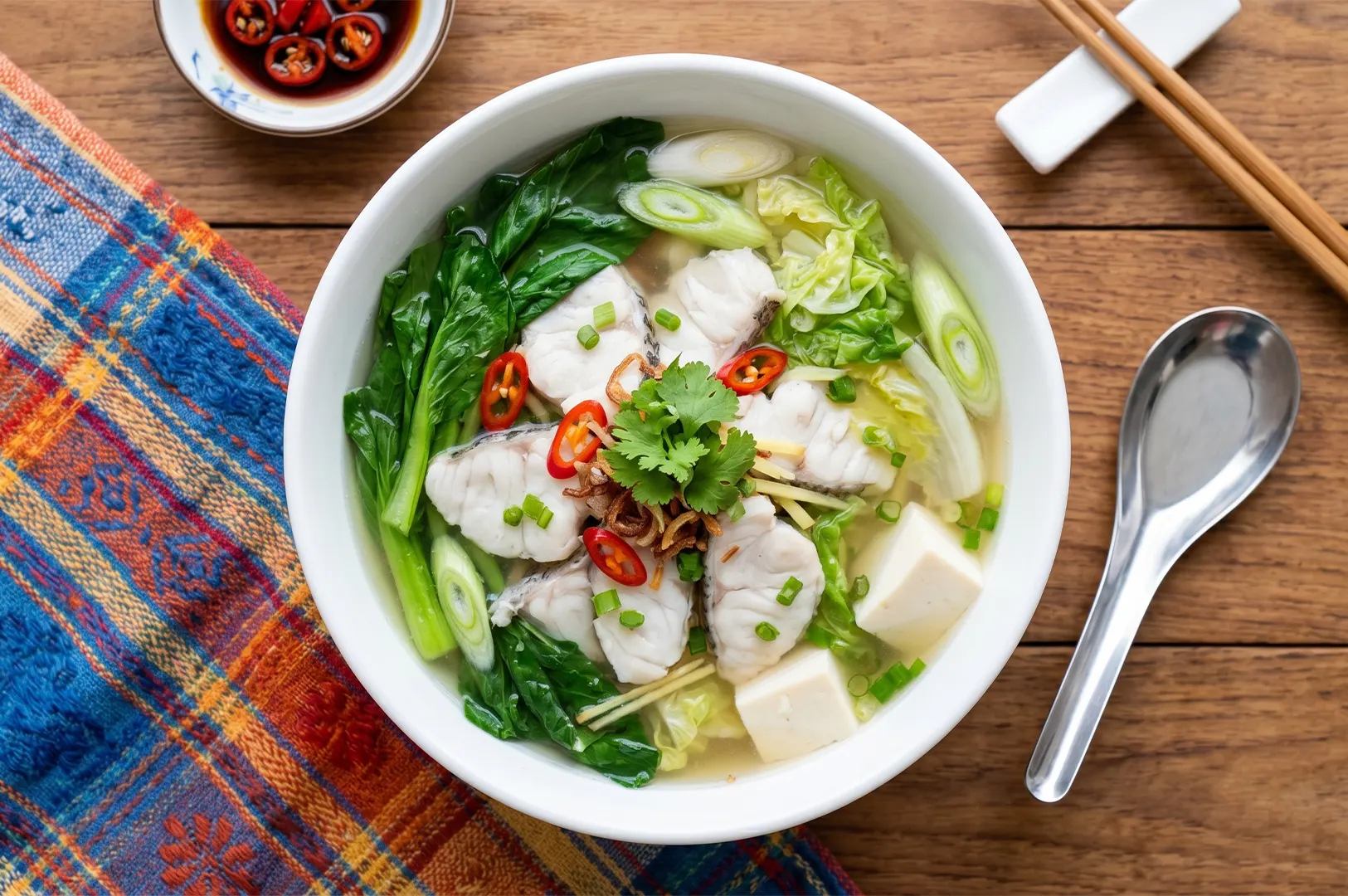
If you are grabbing food at a hawker centre, opt for sliced fish soup or a balanced plate of economic rice (cai fan) with steamed egg, tofu, and plenty of green leafy vegetables. Finally, for dinner, try to incorporate a source of omega 3 fatty acids, like grilled salmon or sardines, paired with complex carbohydrates like quinoa or whole grains.
Pro tip: When ordering at a local zi char restaurant with friends, you do not have to feel restricted. Volunteer to order the dishes and include steamed fish (like Teochew style), a large portion of garlic spinach, and a claypot tofu. You get maximum flavor while keeping saturated fat and unhealthy fats incredibly low.
Common Mistakes I Made Along the Way
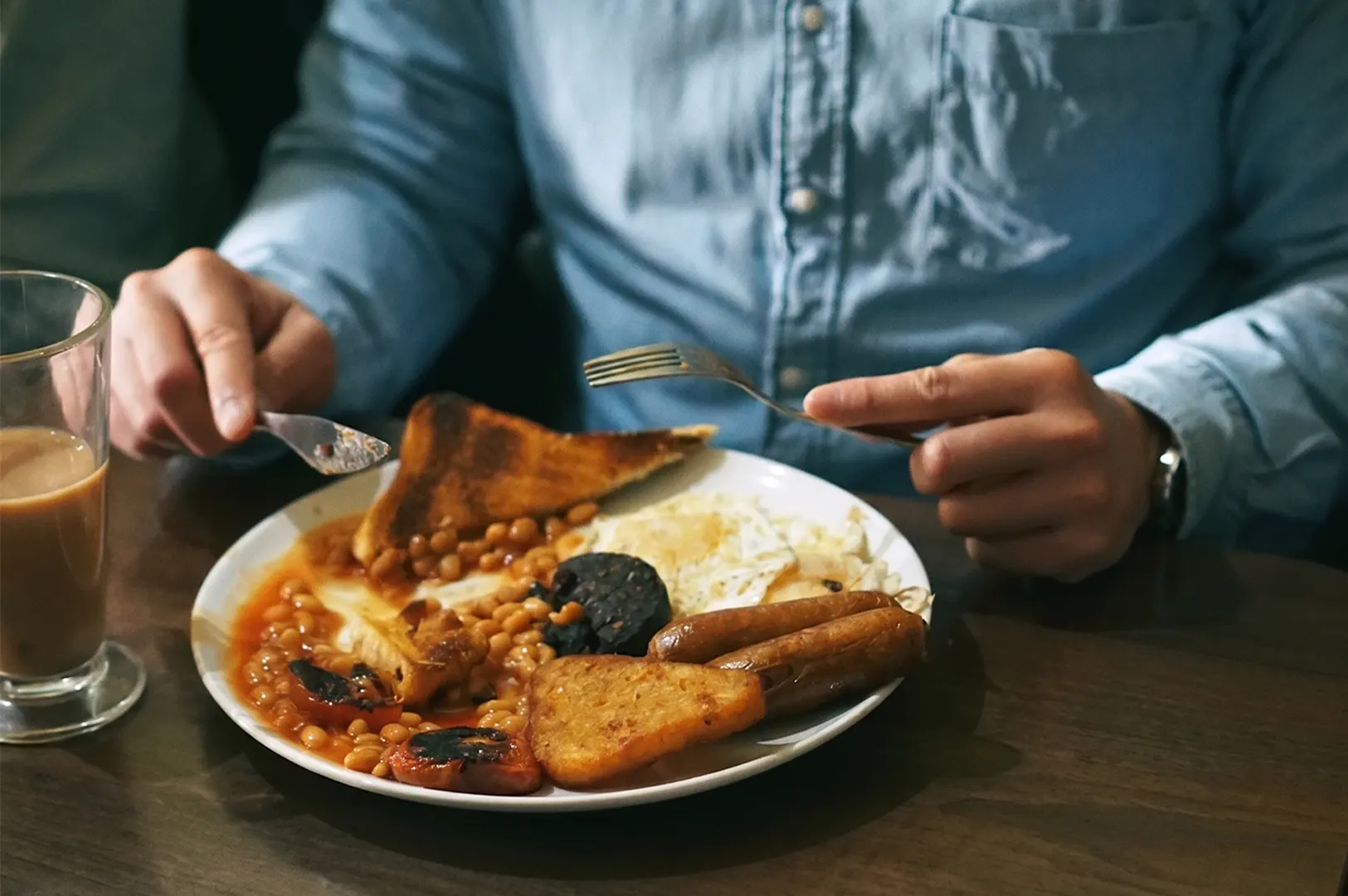
I did not figure this out overnight. In fact, I made several painful errors when I first tried to lower my cholesterol levels.
Mistake 1: I went completely fat-free.
When I saw my high LDL results, I panicked and threw away all the oils and nuts in my pantry. I replaced them with “fat-free” yogurts and snacks. What went wrong? Those fat-free products were absolutely loaded with refined sugar to compensate for the lack of flavor. My triglyceride levels spiked to an all-time high. I learned that my body desperately needs heart healthy fats to function properly. Today, I generously use extra virgin olive oil and snack on raw almonds.
Mistake 2: I relied on highly processed meat alternatives.
I thought switching to a plant-based diet automatically meant I was practicing a healthy diet. I bought boxes of frozen, ultra-processed vegan sausages and patties. I felt terrible, and my cholesterol did not budge. I realized these items were highly refined and packed with sodium and saturated coconut oil. Now, I focus on whole-food plant proteins like edamame, lentils, and fresh tempeh, which provide fibre intake and help reduce LDL cholesterol.
When Diet Is Not Enough: The Role of Medication and Testing

I want to pause here and offer a note of deep reassurance. Sometimes, despite eating perfectly and exercising daily, your numbers remain high. If your doctor suggests medication like a statin, please do not view it as a personal failure. Genetics play a massive role in how our livers process cholesterol. Medication is a valid, life-saving tool that works beautifully alongside your healthy dietary habits.
Regular blood tests to monitor total cholesterol, LDL cholesterol levels, HDL cholesterol levels, and triglyceride levels are essential to track your progress and cardiovascular risk. The Health and Human Services and the Health Promotion Board recommend routine screening, especially if you have a family history of high blood cholesterol or heart disease.
Frequently Asked Questions
What if my cholesterol is genetic?
Familial hypercholesterolemia is real. Even if genetics deal you a tough hand, eating well reduces inflammation and improves your overall cardiovascular risk. Diet always matters, even if you eventually need medication.
Do I have to give up eggs completely?
Not at all. Dietary cholesterol (the cholesterol in food) has a much smaller impact on your blood cholesterol than saturated fat does. Most people can safely enjoy up to seven eggs a week. If you are concerned, check with your doctor.
Isn’t healthy food incredibly bland?
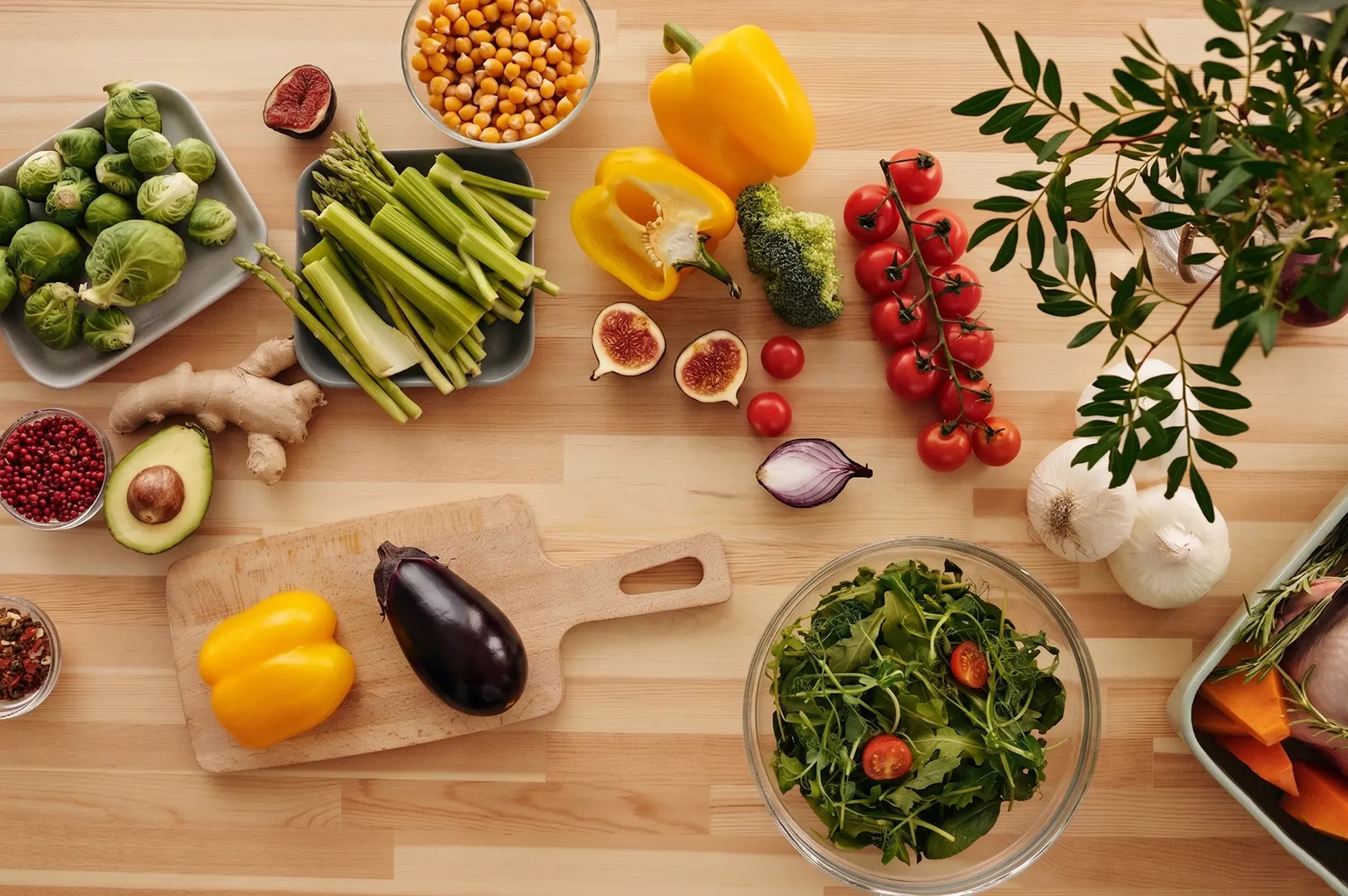
Absolutely not! Spices, herbs, garlic, ginger, and citrus contain zero cholesterol and provide massive flavor. Once you learn to roast vegetables with olive oil and cumin, you will never look back at boiled cabbage.
What if I eat out all the time for work?
You can still make great choices. Swap heavy coconut milk curries for clear broths. Choose grilled chicken over deep-fried cutlets. Ask for sauces on the side so you can control how much you eat.
How long does it take to see results?
Consistency is key. If you make meaningful changes, you can usually see improvements in your lipid panel within six to eight weeks.
Take Charge of Your Heart Health Today
Understanding the science behind your diet is incredibly empowering. You do not have to live in fear of your blood cholesterol test results, and you definitely do not have to sacrifice the joy of eating. Every time you choose a handful of almonds over a pastry, or order a vibrant salad with extra virgin olive oil dressing, you are actively healing your body from the inside out.
I challenge you to start with just one meal tomorrow. Swap your usual breakfast for a bowl of oats topped with fresh berries or a glass of plant sterol enriched orange juice. Notice how much more energy you have. Celebrate the small victories, share your new favorite foods with your family, and step confidently into a healthier, more vibrant life.
If you’re looking for a healthy eats and restaurants that is good for cholesterol, have a visit at A Singapore’s Hidden Vegetarian Haven: Fortune Center Food