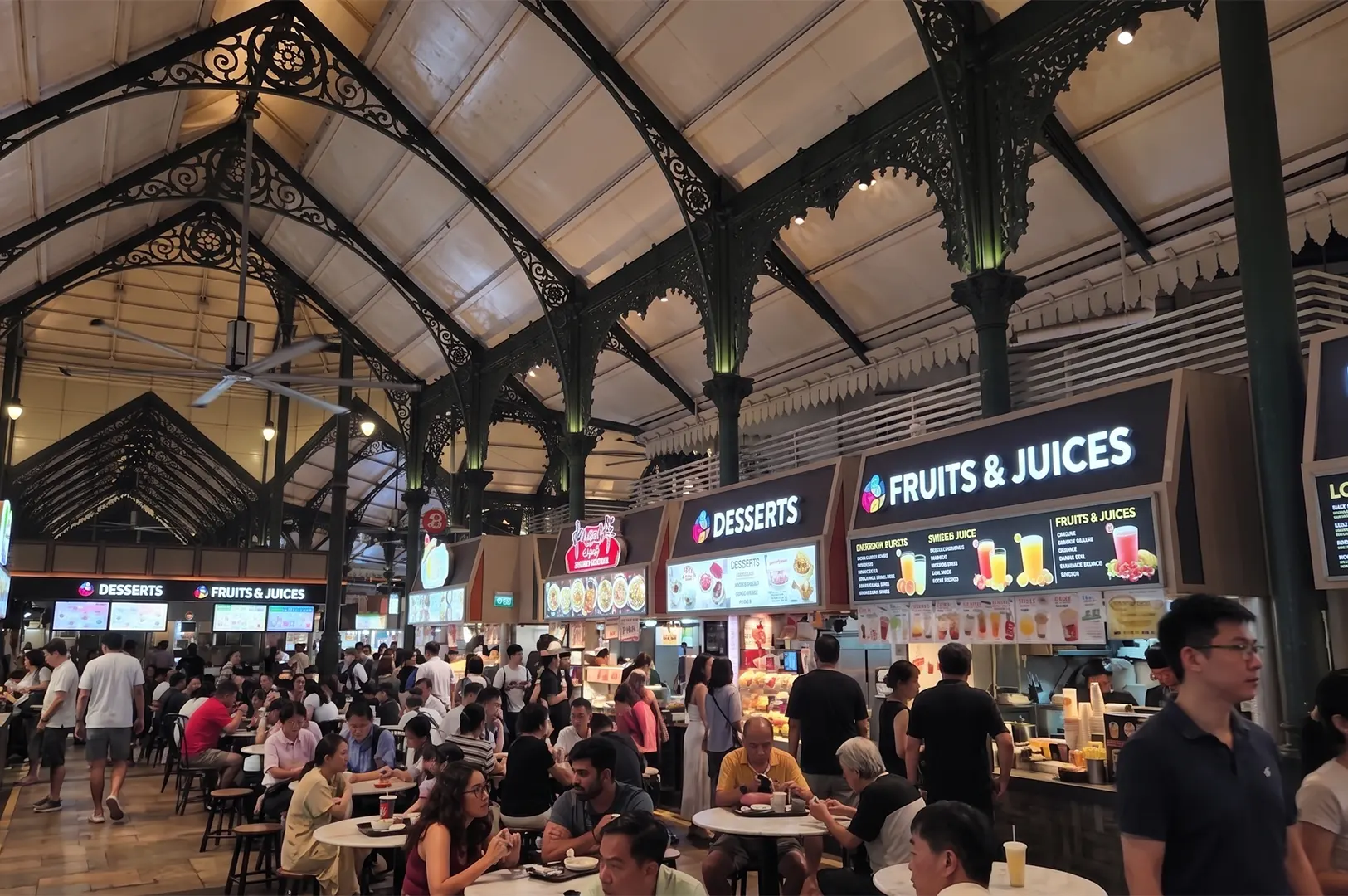
It is 12:30 PM on a bustling Tuesday at a local food centre. The air is thick with the intoxicating aroma of roasted meats, the rhythmic clanging of heavy iron woks, and the unmistakable hum of the lunch hour rush. A kopitiam uncle shouts out drink orders while steaming bowls of fish soup make their way to eager diners. For so many of us, this vibrant food culture is the beating heart of our identity. Food is how we celebrate, how we comfort one another, and how we connect.
However, when you or a loved one needs to start watching blood sugar levels, this beloved landscape can suddenly feel like a minefield. The joy of a weekend family dinner or a spontaneous hawker run is often replaced by anxiety. We are taught that managing diabetes means saying goodbye to the very meals that taste like home. Today, we are completely rewriting that narrative. Embracing diabetes food Singapore does not mean resigning yourself to a life of bland, restrictive eating.
The Problem With the "Diabetes Food" Label and the Importance of a Balanced Diet
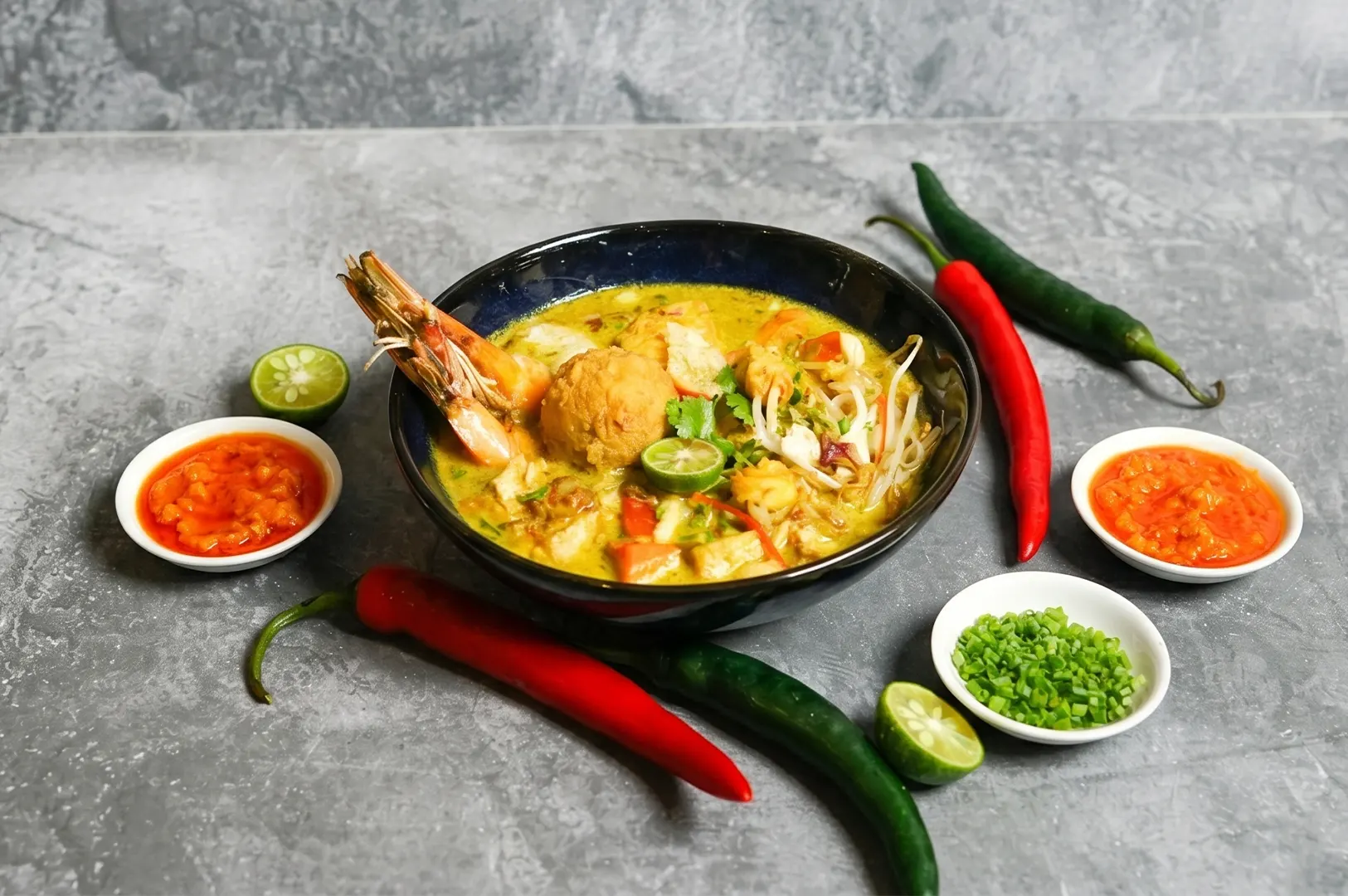
When we hear the phrase “diabetes food Singapore,” the image that usually comes to mind is not particularly inspiring. We tend to picture sad plates of plain steamed vegetables, dry chicken breasts, and absolute deprivation. This clinical label creates a false divide between “healthy meals” and “delicious local food.” It makes us feel isolated from our culture and our families.
This restrictive mindset is not just discouraging; it is also completely unnecessary. Labeling foods as inherently “bad” or viewing local dishes as “cheating” only builds guilt around eating. True wellness comes from a place of abundance and empowerment. When we pivot our perspective, we discover that blood sugar friendly meals can be deeply satisfying, richly flavoured, and profoundly connected to our cultural roots.
It is simply about building a better balance on your healthy plate with the right diet, focusing on wholesome food products that provide essential nutrients. Embracing healthier food choices means selecting ingredients that support gradual glucose absorption into the bloodstream, helping to maintain stable blood sugar levels throughout the day.
What Actually Matters for Blood Sugar and Blood Glucose Levels: Healthy Eating Basics
You do not need a degree in nutritional science to navigate a kopitiam menu. Understanding how food interacts with your body is surprisingly straightforward when you focus on a few core principles. Creating balanced meals Singapore style comes down to how different nutrients work together to keep your energy steady and blood glucose stable. Let’s break it down in a way that feels natural and easy to apply, so you can still enjoy your favourite local dishes without the stress.
First, think about carbohydrates, they’re your body’s main energy source, but not all carbs affect your blood sugar the same way. Choosing whole grains like brown rice or wholemeal bread instead of white rice or white bread makes a big difference because these options have more fibre.
Next up is protein. Including good protein sources like lean chicken, fish, tofu, or eggs in your meals helps keep you full longer and supports steady blood sugar levels. When you pair carbs with protein, it balances out the energy release, making your meals more satisfying and diabetes-friendly.
Lastly, be mindful of portion sizes and added sugars. It’s easy to overlook how much sugar hides in sauces, drinks, and even some desserts.
The Magic of Dietary Fibre and Non Starchy Vegetables
Dietary fibre is your greatest ally when it comes to blood sugar management. It acts like a gentle sponge in your digestive system, slowing down the absorption of sugars into your bloodstream. This means you avoid those sudden, exhausting energy spikes and crashes.
You can easily boost your fibre intake by opting for brown rice or whole grains like brown rice bee hoon when available, or simply by asking for an extra serving of leafy greens such as kailan or choy sum with your meal. Non starchy vegetables like broccoli, cucumber, and carrots provide fibre and vitamins without raising blood sugar levels significantly.
The Power of Protein Foods and Lean Meats
Protein is essential for keeping you full and satisfied long after your meal is over. Whether it is a beautifully steamed pomfret, tender slices of chicken, or a generous scoop of soft tofu, protein helps anchor your blood sugar levels. When you pair your carbohydrates with protein foods, especially lean meats, you create a much smoother metabolic response that supports diabetes management and diabetes control.
Embracing Healthier Fats and Dairy Products
Fats have been unfairly demonized in the past, but they are crucial for a well-rounded diet. The goal is to incorporate healthier fats found in nuts, seeds, and oily fish into your daily routine. These fats help slow digestion and add immense flavor to your meals. Choosing low fat milk or other low-fat dairy products over full-fat options reduces saturated fat intake, lowering your risk of heart disease and kidney disease, both of which are increased risks for people with diabetes.
Rethinking Portions, Sugary Foods, and Drinks
Sometimes, the easiest adjustments make the biggest impact. We often overlook the hidden sugars in our beloved local beverages. Swapping a standard kopi or teh for a “kosong” (no sugar) or “siew dai” (less sugar) version instantly transforms your intake without sacrificing your morning ritual. Avoid fruit juices and sugary foods that can rapidly raise blood sugar levels. Mindful portion awareness allows you to enjoy richer dishes simply by balancing them with lighter sides and regular meals.
Rethinking Local Flavours with Brown Rice and Starchy Vegetables
The secret to low glycemic index meals Singapore readers will actually love lies in clever adaptations rather than strict eliminations. You do not have to banish your favorite tastes; you just need to approach them with a fresh strategy.
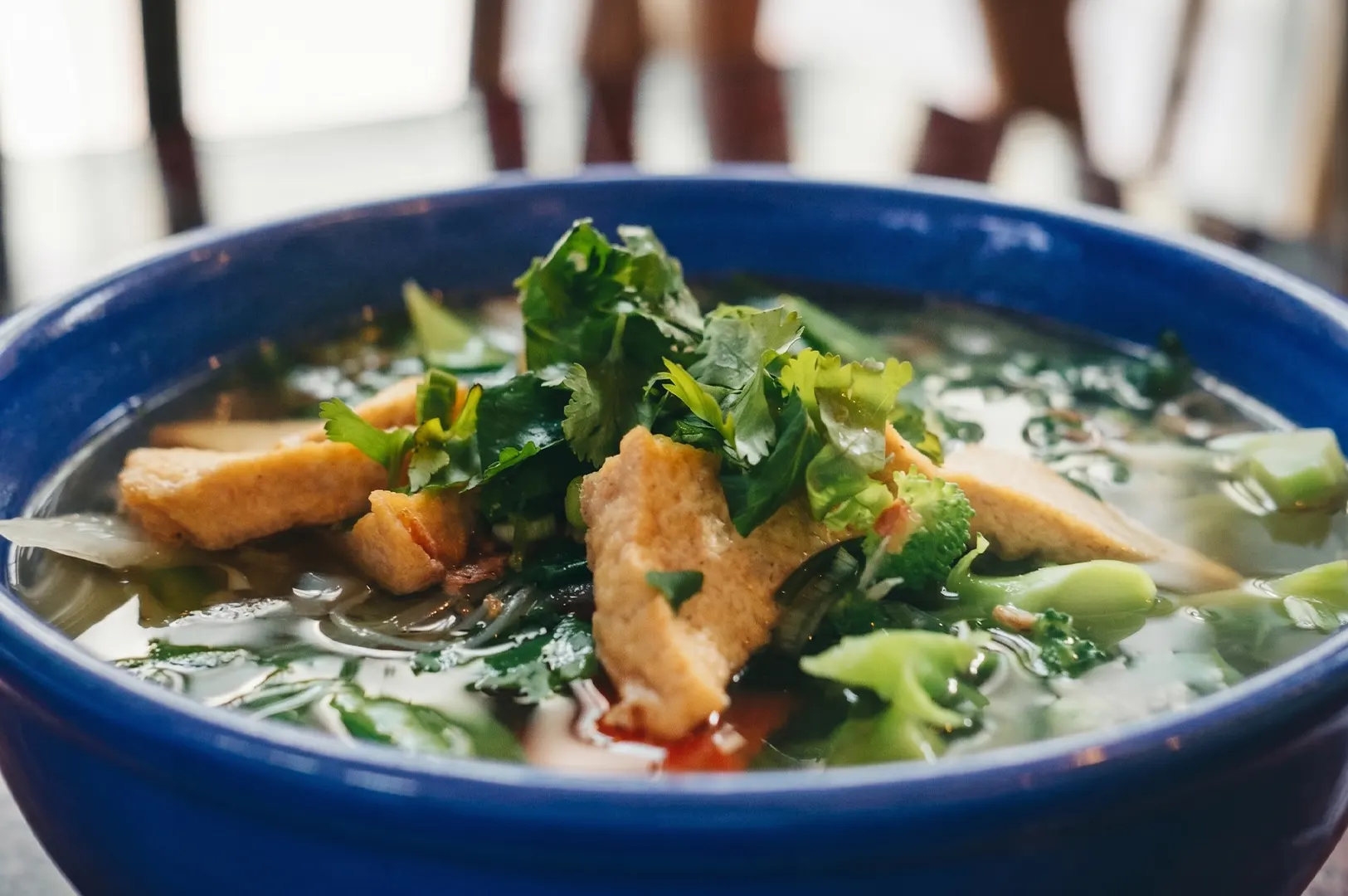
One of the most effective techniques is leaning into soup-based choices. A comforting bowl of sliced fish soup or yong tau foo with a clear broth provides incredible umami and warmth. By filling your bowl with fresh vegetables, tofu, and lean fish, you create a deeply nourishing meal that celebrates local flavors while supporting blood sugar control.
If you are craving something heartier, focus on sauce control. Many of our iconic dishes feature rich, sticky gravies that are secretly loaded with sugar added and refined carbohydrates. Instead of drenching your rice, ask for less gravy on the side. This simple swap allows you to dip and enjoy the flavor without consuming excess sugar or saturated fat.
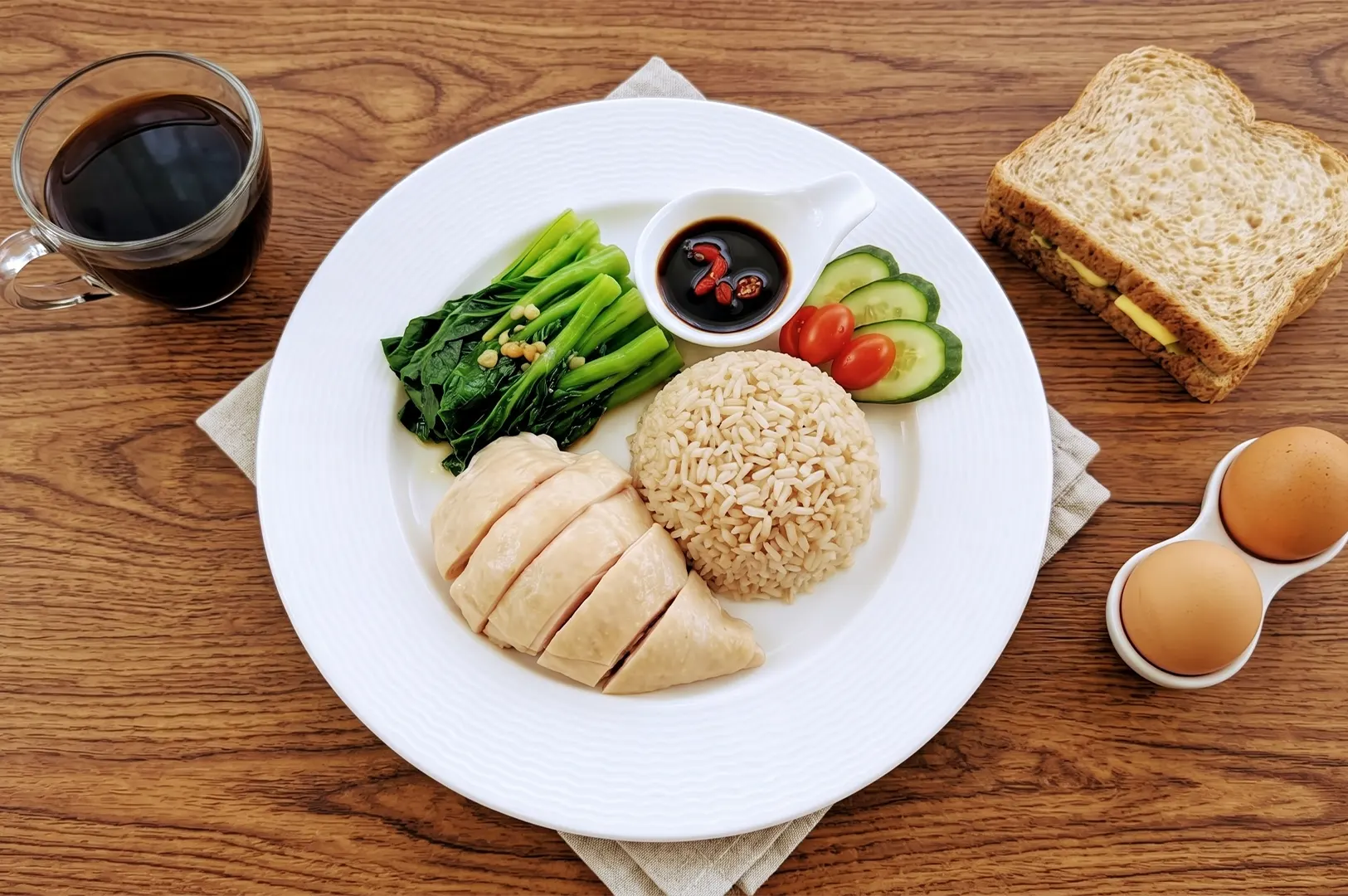
Choosing cooking methods like steaming, grilling, or roasting over fried foods also makes a massive difference. A beautiful plate of Hainanese steamed chicken (without the white rice or with brown rice as a healthier alternative) paired with a large serving of garlic bok choy is a phenomenal, diabetes-friendly option that sacrifices absolutely zero taste.
Building a Healthy Plate and Balanced Meals for Diabetes Management
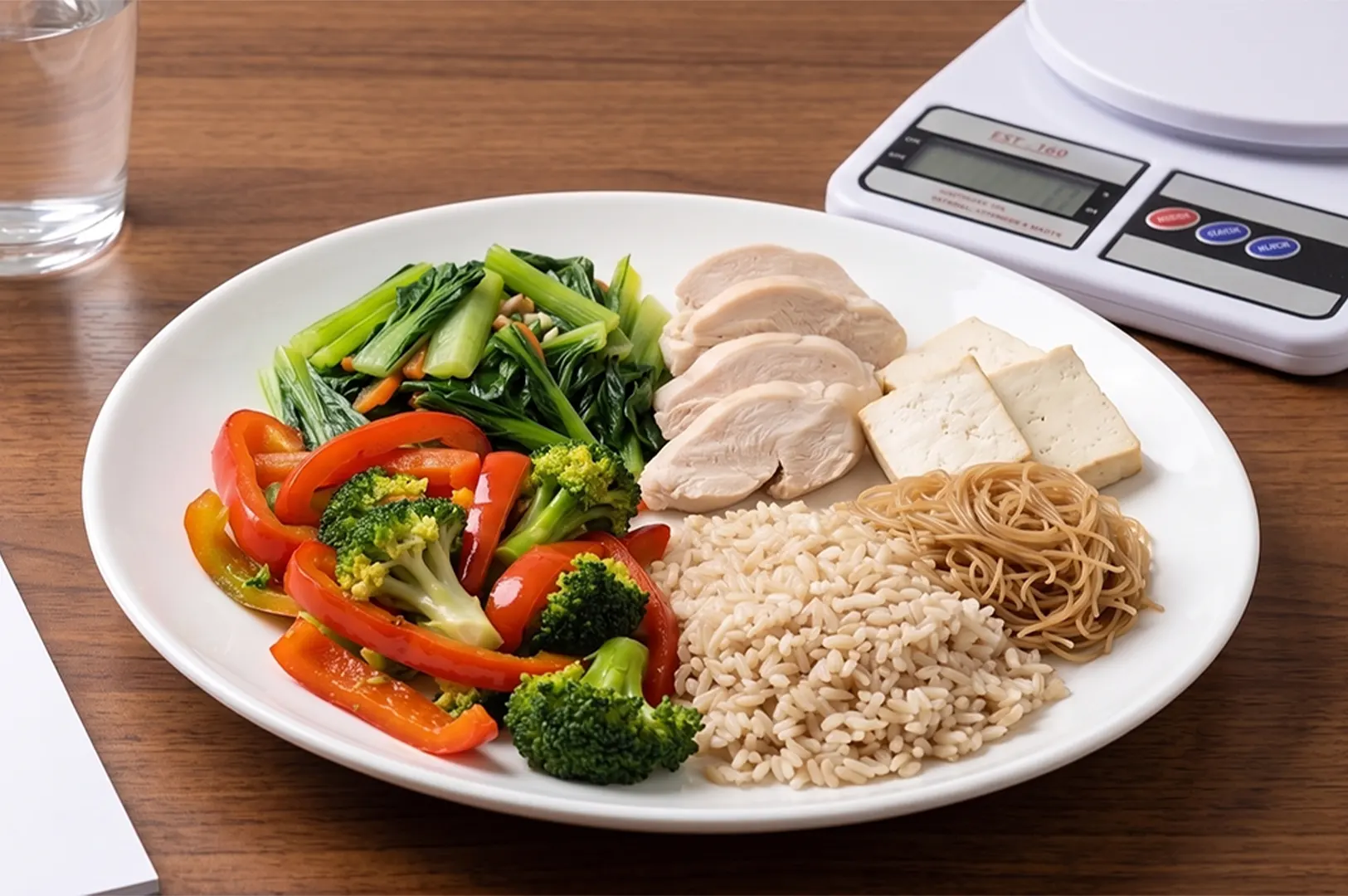
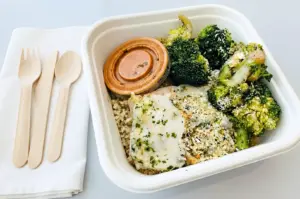
Managing diabetes effectively requires dietary management that focuses on balanced meals. The healthy plate approach recommended by the Health Promotion Board and American Diabetes Association suggests filling half your plate with non starchy vegetables, one quarter with protein foods such as lean meats or tofu, and one quarter with whole grains or starchy vegetables like brown rice bee hoon or sweet potatoes. This method helps regulate carbohydrate intake, supports weight management, and maintains a gradual rise in blood glucose levels.
Carbohydrate counting is also a valuable tool for diabetes management. Tracking the carbohydrate content of your meals ensures you do not consume too many carbs that could raise blood sugar levels excessively. A typical recommendation is to aim for about 45 to 60 grams of carbohydrates per main meal, tailored to your nutritional needs and lifestyle.
Smart Dietary Management for People with Diabetes: Special Diet Tips
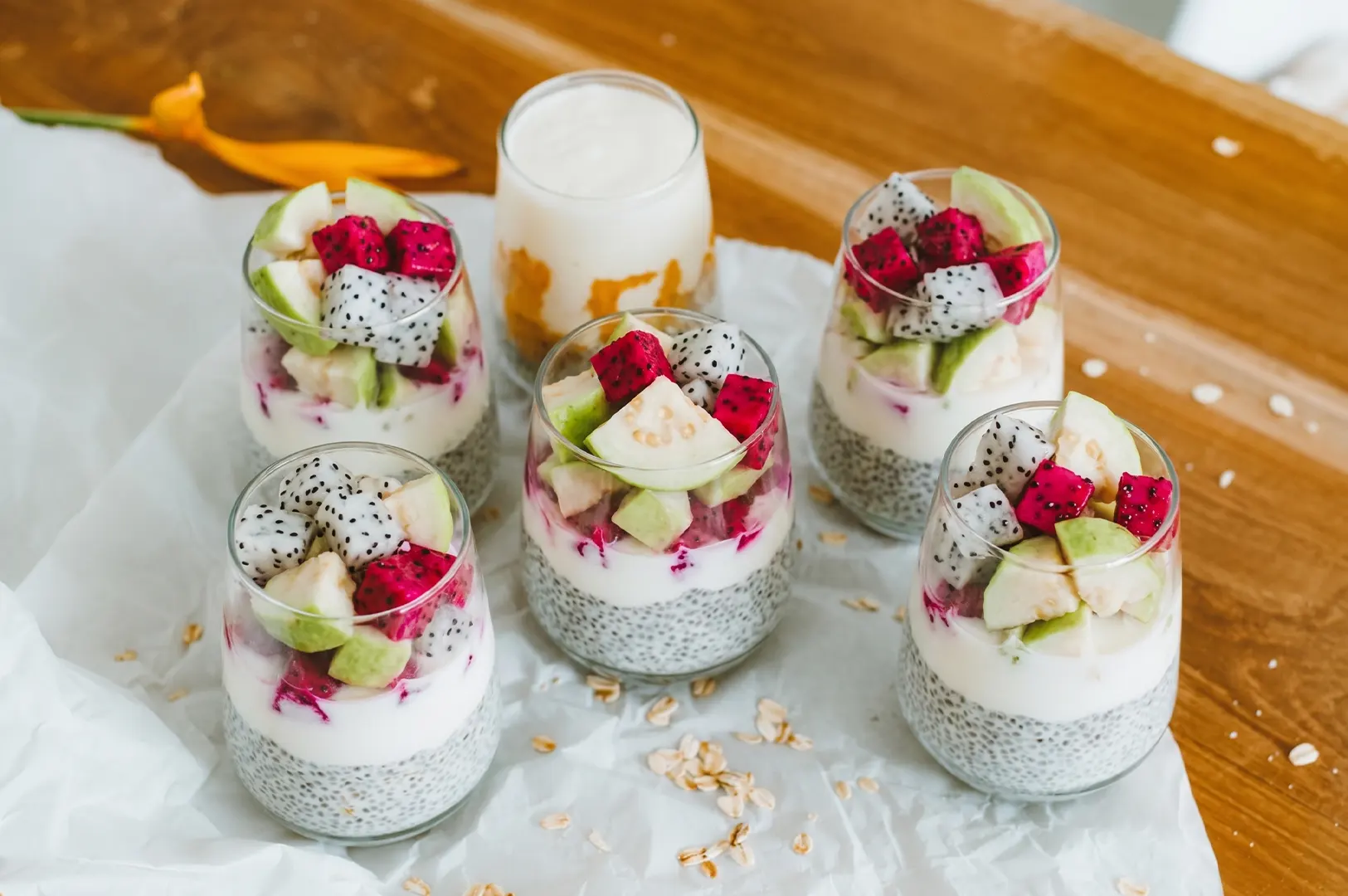
If you have diabetes, you don’t need to follow a special diet that means giving up all your favorite foods. Instead, it’s about making smarter, healthier choices and swapping in better alternatives. Try including many fruits with a low glycemic index, like guava and dragon fruit, and steer clear of sugary foods and drinks that can cause high blood sugar.
Eating regular meals spaced throughout the day can help keep your blood sugar levels steady and prevent unwanted weight gain. Choosing wholegrain bread and brown rice over refined carbohydrates like white rice adds fiber and essential nutrients that support diabetes control.
If you ever need a little extra help, meal replacements designed to meet the American Diabetes Association’s guidelines can be a great option. These products often contain whey protein, soluble fiber, and have a low glycemic index, providing balanced energy without causing spikes in blood glucose.
Eating Out and Making Healthier Options in Singapore
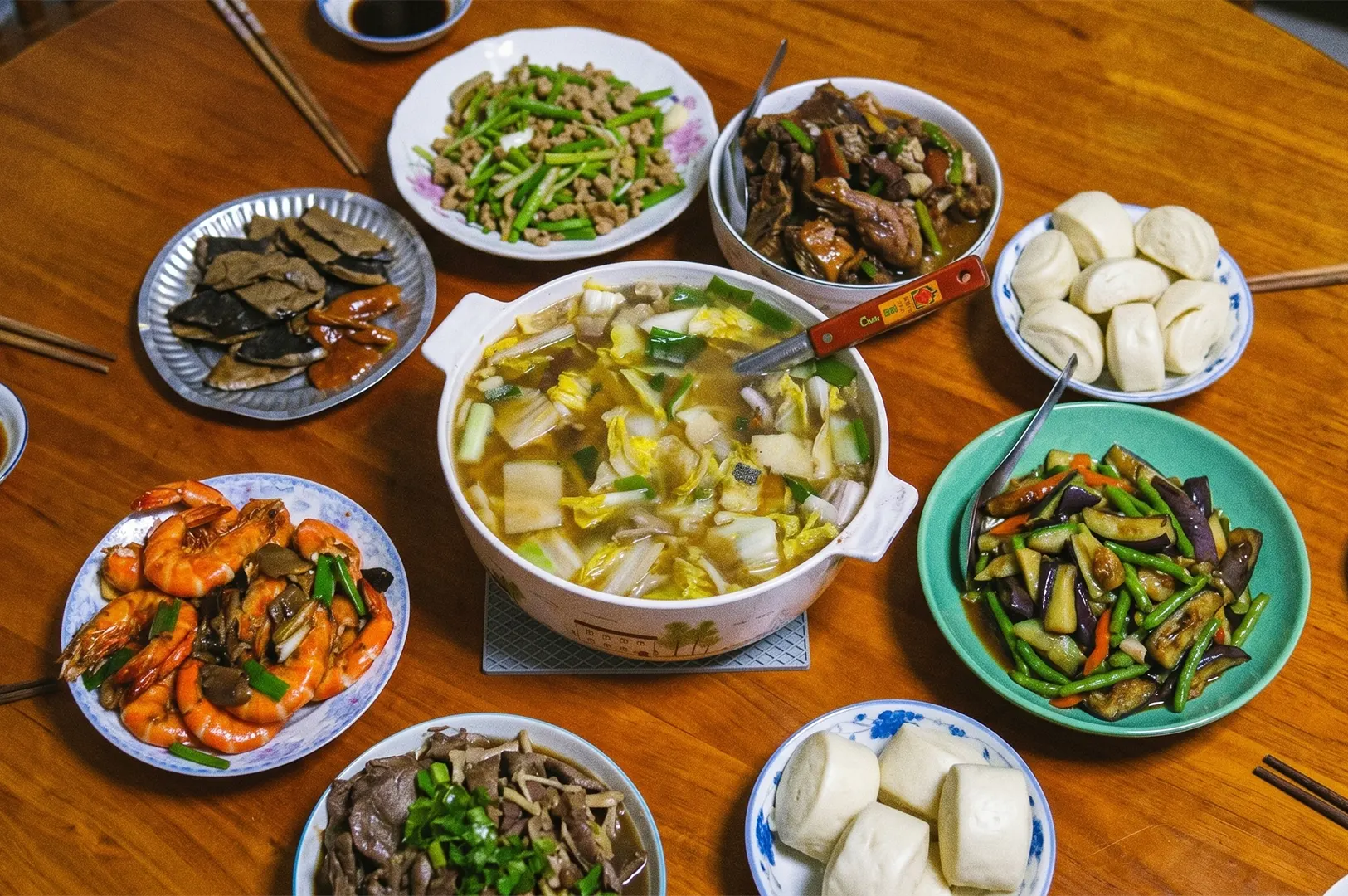
Navigating hawker centres, bustling cafes, and lively family gatherings should be a source of joy, not stress. The trick to finding healthier options is looking at the entire table rather than just your own plate.
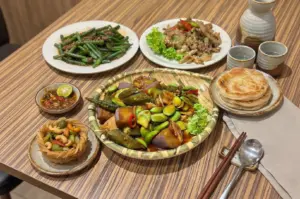
When you sit down for a tze char dinner with your family, you hold the power to shape the meal. Take the lead in ordering. Suggest sharing a large steamed seabass with ginger and soy, a claypot of mixed vegetables, and an egg foo young. You can still order that famous sweet and sour pork, but treat it as a small side dish to share rather than the main event. This shared approach naturally regulates portion sizes while allowing everyone to taste a bit of everything.
At the economic rice (cai fan) stall, the visual cues make building a balanced plate incredibly easy. Follow a simple visual rule: fill half your plate with colorful vegetables, a quarter with a lean protein like steamed egg or stir-fried sliced meat, and the remaining quarter with your rice. You are still eating the exact same beloved hawker food, just in proportions that beautifully support your body and blood sugar levels.
Treat Progress as Practice: Embracing a Healthy Lifestyle with Diabetes Food Singapore
Transforming your relationship with food is a journey, not a destination. You do not have to overhaul your entire life overnight. Healthy eating is not about rigid perfection; it is about making choices that honor both your health and your heritage more often than not.
I invite you to try a “one-week local flavours reset.” Challenge yourself to make just two gentle adjustments this week. Perhaps you will ask for your favorite iced tea without sugar, or maybe you will actively seek out an extra serving of green vegetables at lunch.
For more healthy picks, choices, and restaurants, visit and click A Singapore’s Hidden Vegetarian Haven: Fortune Center Food