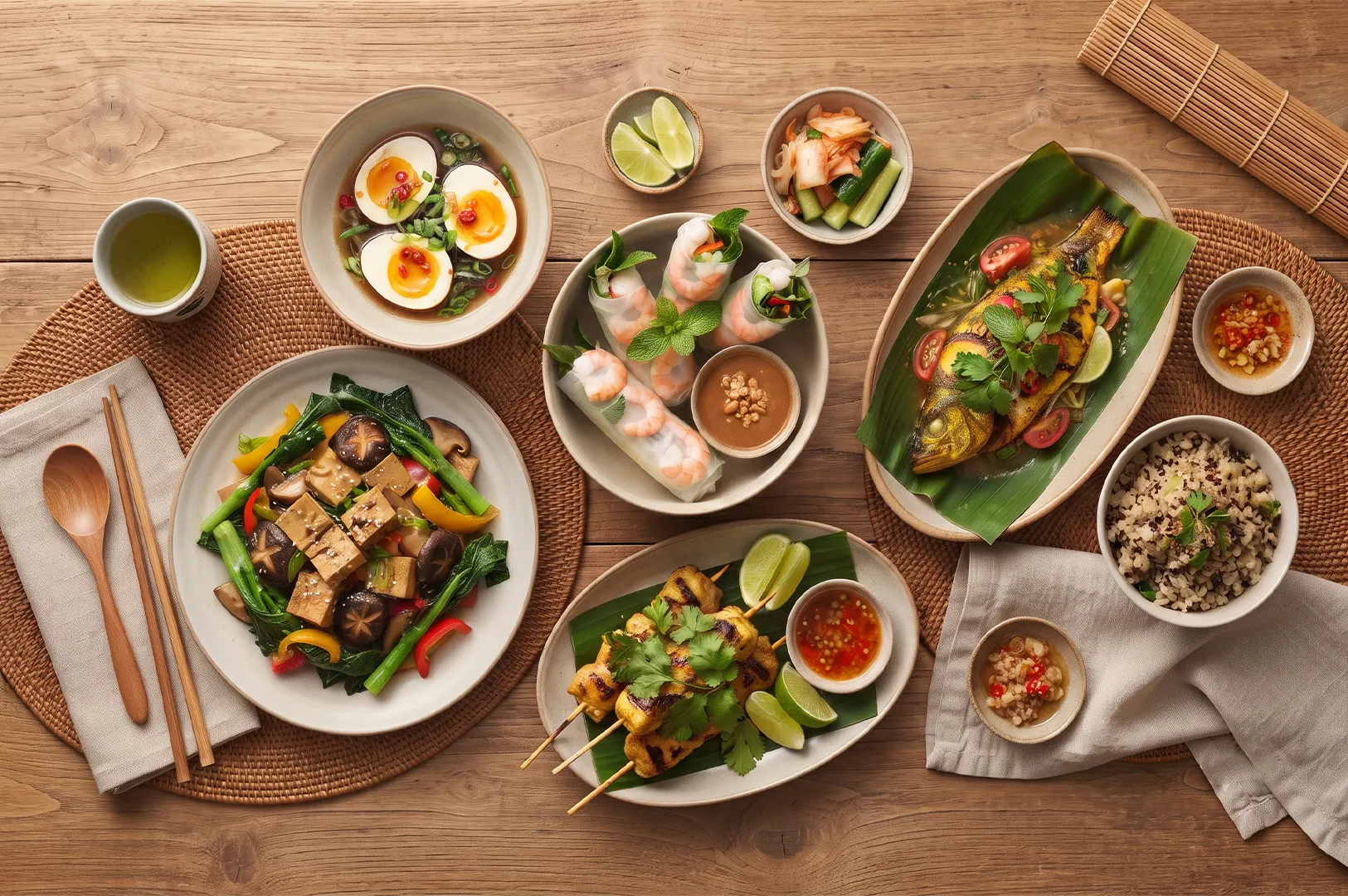
For years, I believed eating enough protein meant spending money I didn’t really have.
Grilled chicken breast in a plastic tub. A tub of imported whey. A quinoa bowl that cost more than my whole lunch usually did. I thought that was the price of healthy eating.
Then one ordinary afternoon, I sat down at my usual sliced fish soup stall, watched the uncle ladle thick slices of fresh fish into my bowl, and something clicked. This was protein. Real, honest protein. It had been in front of me the whole time.
I want to share what I’ve learned since, because I think a lot of us have been sold a story that doesn’t hold up. You don’t need a supplement aisle to eat well in Singapore. You just need to know where the protein already lives.
How Much High Protein Do You Actually Need?

Let me clear this up first, because the numbers get exaggerated online.
You don’t need 100 grams a day. Most people don’t need anywhere close to that.
The Health Promotion Board recommends roughly 0.8 grams of protein per kilogram of body weight for healthy adults aged 18 to 49. Once you hit 50 and above, that rises to about 1.2 grams per kilogram, partly to help with muscle repair and to hold onto muscle mass as we age.
So a 60kg adult in their thirties needs around 48 grams a day. That same person at 55 would aim for closer to 72 grams. Athletes and people training hard may need more, and that’s worth personalising.
Here’s what I’d tell you before anything else: stop chasing the biggest possible number. Instead, ask whether protein shows up consistently across your day. Breakfast, lunch, dinner, snacks. That steadiness, as part of a balanced diet, matters more than one heroic serving at night.
Pro tip: If maths isn’t your thing, use HPB’s My Healthy Plate instead. Fill a quarter of your plate with protein, a quarter with wholegrains like brown rice, and half with vegetables, fruit and other nutrients. A protein serving is roughly a palm-sized 90g portion of meat, poultry or fish. Tofu, eggs, beans and dairy count too.
How to Build a High-Protein Hawker Meal: A Step-by-Step Meal Plan
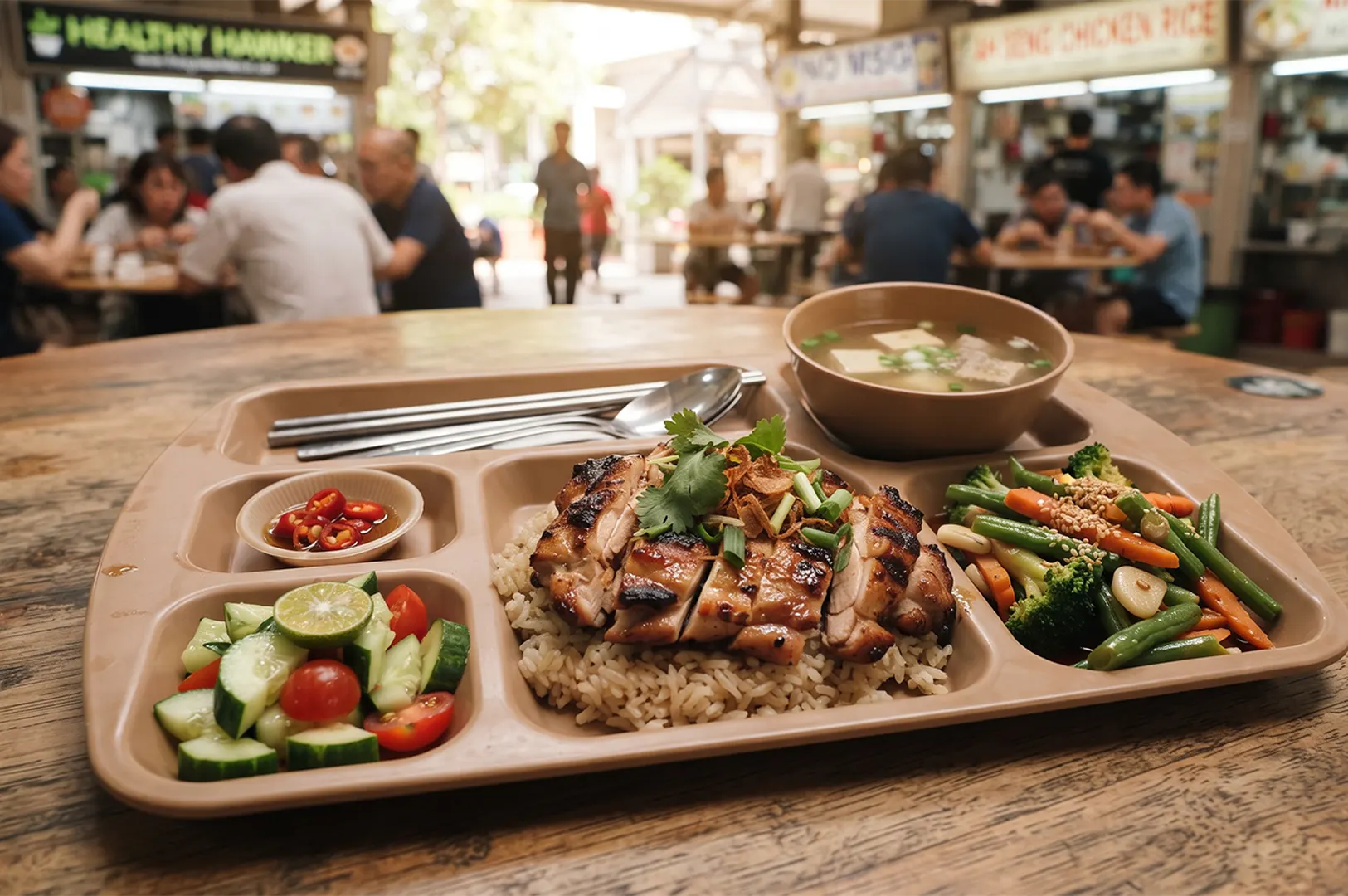
This is where it gets practical. Here’s the approach I use at hawker centres, and it’s simpler than it sounds.
Step 1: Find the protein. Before you order, ask one question. What is actually giving me protein here? Good answers are chicken, fish, egg, lean pork, prawns, tofu, tau kwa, tempeh, dhal or beans. If the honest answer is “just noodles and gravy,” the meal isn’t as strong as it looks.
Step 2: Check the portion. Aim for a palm-sized serving of meat or fish, or a decent helping of tofu or legumes. At the stall, this might mean asking for extra fish, less white rice, or two protein dishes at cai fan. Adding an extra egg is one of the cheapest upgrades you can make.
Step 3: Choose the less-processed option. Sliced fish over fried fish. Steamed chicken over crispy chicken skin. Braised tofu over deep-fried tau pok. Fresh egg over luncheon meat. Protein content alone doesn’t make a food nutritious. Watch for added sugar, saturated fat and sodium in sauces and fried items.
Step 4: Keep it balanced. A pile of meat with no vegetables isn’t the goal. Mix whole foods with more vegetables, lean protein and moderate carbohydrates across your day. Think right balance, not restriction.
Step 5: Spread it out. Most of us eat almost nothing at breakfast, a little at lunch, then load up at dinner. Try spreading it more evenly. Eggs in the morning, fish or tofu at lunch, yoghurt or milk as a snack, another palm-sized serving at night.
Insider knowledge: For older adults especially, spreading protein across smaller meals is often easier on the appetite and helps the body absorb and use protein more effectively for muscle repair.
High-Protein Hawker Foods: What to Order and What It Costs
Here’s the part I wish someone had shown me years ago. These are working estimates, not lab numbers, because no two stalls cook the same way.
Local meal | How I’d order it | Approx. protein |
|---|---|---|
Sliced fish soup | Extra fish, add tofu, skip fried fish | 25–40g |
Chicken rice | Breast meat, less rice, remove chicken skin | 25–40g |
Yong tau foo | Pick tofu, tau kwa, egg, fish paste, veg | 20–35g |
Cai fan | One lean meat plus egg, tofu or fish | 25–45g |
Ban mian soup | Add egg and minced meat, go easy on ikan bilis | 20–35g |
Thosai with dhal | Ask for extra dhal, add egg if you like | 15–25g |
Chapati set | Two chapatis with dhal, chickpeas or tandoori chicken | 18–35g |
Nasi lemak | Add egg and roasted chicken, reduce fried sides | 20–35g |
Nasi padang | Grilled chicken or fish, egg, two veg | 25–40g |
Tempeh (Malay/Indo) | Pair with rice, egg and more vegetables | 18–30g |
A basic hawker meal runs about S$4 to S$7. Add an egg, tofu or extra meat and you’re looking at S$6 to S$10. Extra fish or chicken usually adds S$1.50 to S$4. A food-court protein bowl might climb to S$16, but honestly, sliced fish soup often delivers the same protein content for a fraction of that.
I still remember the first time I asked, “Extra fish, how much?” at my regular stall. It was S$2 more. That single question turned a decent bowl into a genuinely protein-rich one. Small change, real difference.
Healthy Eating at Hawker Centres: Taste Good Without Giving Up What You Love
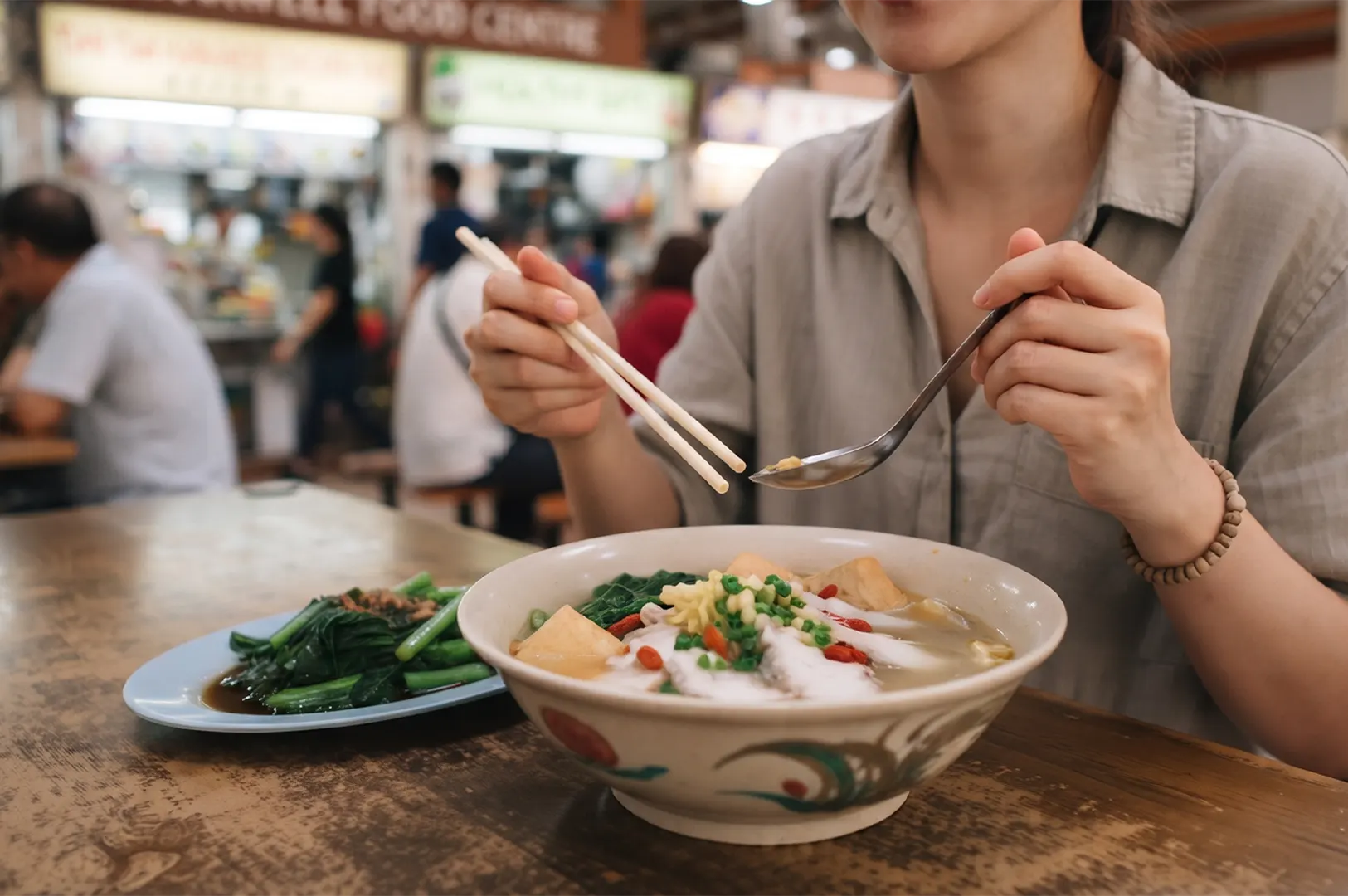
One thing I hear often is this: “Healthy food doesn’t taste good.”
I understand where that comes from. But I’d push back on it, because the best high protein food Singapore has to offer is already in the hawker centre, tasting exactly the way it always did.
Char kway teow won’t make the list. Neither will fried rice piled with luncheon meat. But steamed chicken rice, a bowl of sliced fish soup, a plate of yong tau foo with tofu and egg, these dishes are delicious, satisfying and genuinely nutritious when ordered thoughtfully. You’re not switching to a salad. You’re just making smarter picks from the same menu you already love.
For more delicious options, you might also enjoy exploring some hidden vegetarian gems at Orchard Plaza, as featured in this insightful article.
When I’m meal planning for the week, I don’t aim for perfection at every meal. I aim for a protein anchor at every sitting, reasonable carbohydrates like brown rice where I can get it, and enough vegetables and fruits to keep things balanced. The flavour is still there. So is the satisfaction.
Saturated Fat, Unsaturated Fat and What Actually Matters
I spent too long worrying about fat in the wrong ways.
Here’s the honest picture. Saturated fat, found in fatty meat, full-fat dairy, coconut milk and processed meats, is worth watching. Too much of it over time isn’t great for heart health. Trans fat, found in some fried and packaged foods, is even worse and worth avoiding where you can.
Unsaturated fat, the kind found in fish, tofu, eggs, nuts and olive oil, is a different story. It’s part of a balanced diet and not something to fear.
The practical takeaway? Choose lean protein more often. Go easy on heavily fried dishes, creamy gravies and added sugar in drinks. You don’t need to give up char kway teow forever. But having it every day while ignoring vegetables, fibre and whole foods is where the diet tips out of balance.
Can High-Protein Eating Help You Lose Weight?
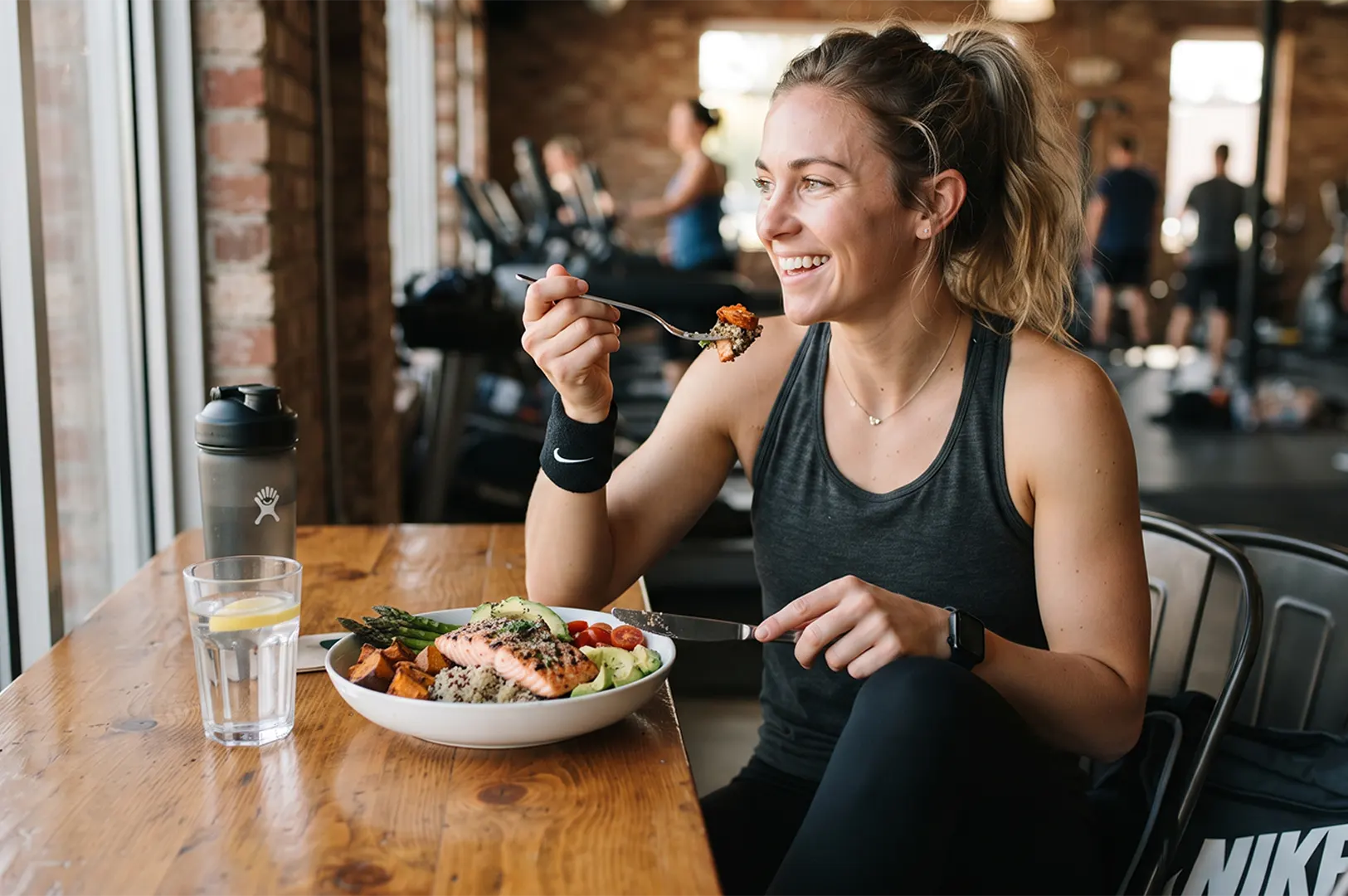
This comes up a lot, and the answer is nuanced.
Protein can help with weight management because it keeps you fuller for longer. A sliced fish soup with tofu and an egg will carry you further into the afternoon than a bowl of plain noodles with gravy. That’s real.
But protein alone won’t help you lose weight if the rest of the diet is working against it. Calories still matter. So does how much fried food, added sugar and saturated fat you’re consuming alongside the protein. And so does how active you are.
My honest advice: don’t frame it as a high protein diet versus everything else. Frame it as building meals with better balance. More protein, more vegetables, less refined carbohydrate, fewer sugary drinks. That combination, consistently applied, is what actually delivers the health benefits over time.
If weight loss is a specific medical goal for you, please speak to a doctor or dietitian. This guide gives general direction, not personalised clinical advice.
Common Mistakes I've Made (So You Don't Have To)
Let me be honest about where I went wrong, because I made most of these.
Skipping protein at breakfast. For years my morning was kaya toast and sweet kopi. Delicious, but almost pure carbohydrate with no protein to speak of. Adding two soft-boiled eggs alongside it, or switching to a cup of unsweetened soy milk, changed how full I felt right through to lunch.
Leaning on luncheon meat. It’s convenient, I know. But processed meats tend to be high in sodium and saturated fat. The Health Promotion Board suggests choosing fresh, lean protein more often. Fresh egg, tofu or chicken does the same job and delivers far better nutrients.
Removing meat without replacing it. Ordering vegetarian bee hoon and assuming it’s high in protein, when it’s really noodles, oil and a bit of mock food. If you take the meat out, you have to put plant protein back in. Tofu, tau kwa, tempeh, dhal. Rice and vegetables alone won’t deliver the protein content you need.
Cutting carbs but piling on fatty meat. I went through a phase of dropping all my white rice and doubling the char siew. My meals weren’t lighter or more nutritious. They were just greasier. Keep a moderate carbohydrate portion, choose lean protein, and add more vegetables to make up the rest.
Meal prep without planning protein. Doing a Sunday cook-up is a great idea, but I used to prep mostly rice, roasted carrots, some stir-fried veg and call it done. Without a clear protein in each container, I’d be hungry again in two hours. A better approach is to always prepare a protein alongside: hard-boiled eggs, cooked chicken breast, firm tofu or canned tuna. These keep well and make meal prep actually useful.
Questions I Get Asked All the Time
Do I need protein shakes?
Most of us don’t. You can meet ordinary protein needs through food and a sensible meal plan. Shakes are a convenience for people with small appetites, packed schedules or heavy training. They give you protein, but usually miss the fibre, vegetables and broader nutrients a real meal provides. If you want something portable and affordable, unsweetened soy milk, two boiled eggs, or tuna on wholemeal bread all work well.
Is plant protein inferior?
Not at all, as long as your meal actually contains a plant protein source. Tofu, tau kwa, tempeh, lentils, dhal, chickpeas, edamame and soy milk all deliver solid protein content. The mistake isn’t going plant-based. It’s forgetting to include the plant protein in the first place, and ending up with a plate of rice, tomatoes and vegetables that has almost no protein at all.
Will more protein automatically build muscle?
I wish it were that simple. Protein gives your body the raw materials for muscle repair, but muscle gain also needs resistance training, enough total food, recovery and sleep. Drinking shakes without lifting anything won’t move the needle much. The protein is one piece of a bigger picture.
Is a high-protein diet safe for me?
For most people with healthy kidneys, normal protein-containing meals are fine. But if you have chronic kidney disease, don’t increase your protein intake without speaking to your doctor or dietitian first. Your needs may be genuinely different, and this is one area where personal medical advice matters more than any guide.
A Few Words Before You Go
Here’s what I’ve come to believe, after all these years of overthinking it.
Eating enough high protein food in Singapore was never about buying special products or following a rigid diet. It was about noticing what’s already on the table. The fish in your soup. The extra egg you could add for two dollars. The tofu sitting quietly in the yong tau foo tray.
Three questions will carry you far at any hawker centre. Where’s the protein? Is the portion enough? What can I add or swap without spending much more?
Ask those at any stall, and you’ll eat better without turning your life upside down. Your favourite hawker meal can look after you, if you let it.
Start small. One better breakfast this week. One “extra fish, please” tomorrow. That’s how the change sticks and how a balanced diet actually becomes a lifestyle, not a chore.
If you’d like more honest, everyday guidance on healthy eating here at home, come have a look at Healthy Food Guide. Pull up a chair. There’s plenty to share.