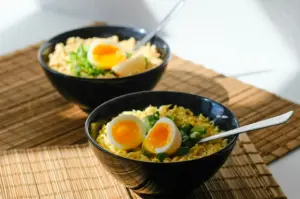
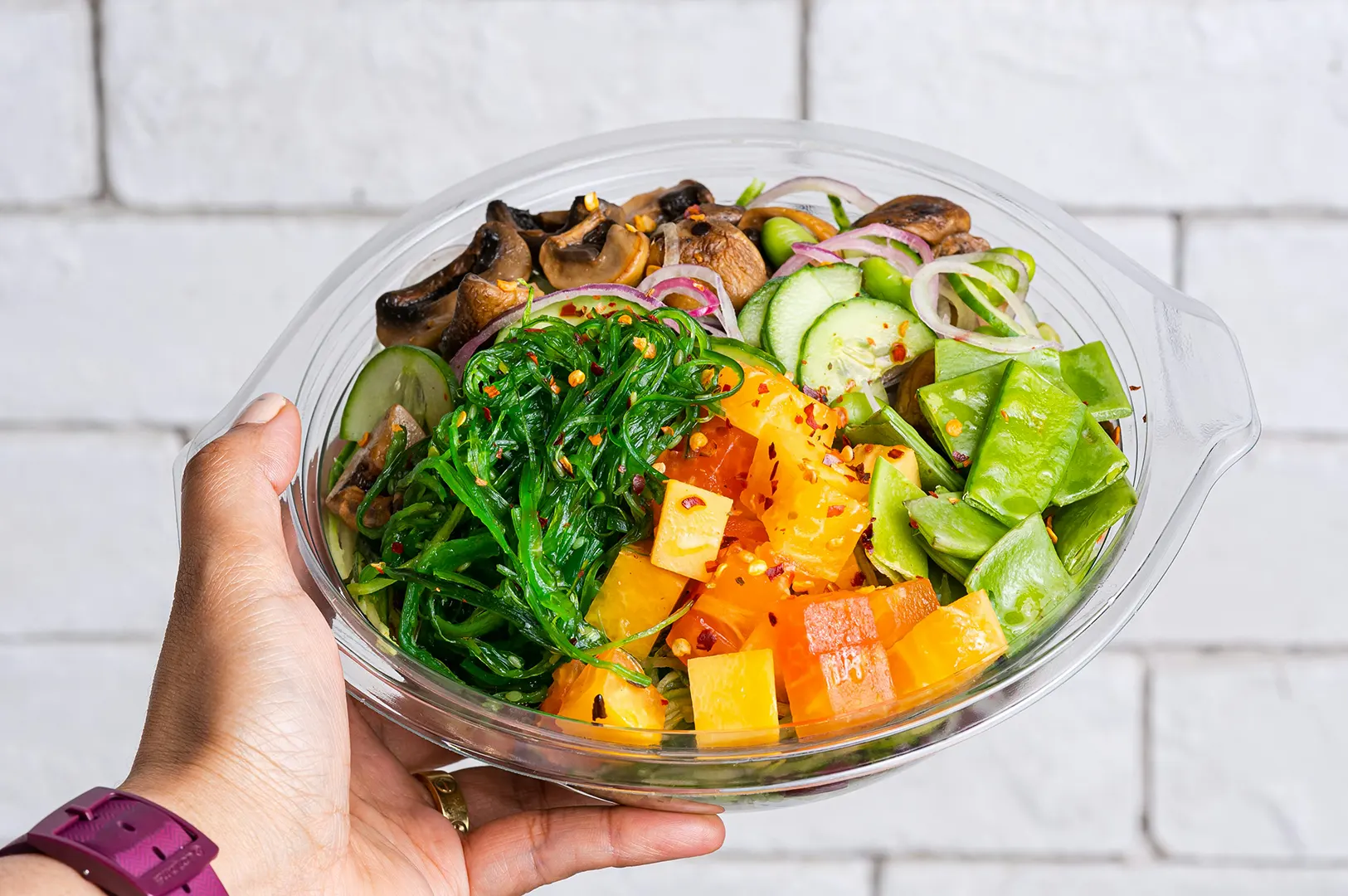
For a long time, I associated frozen meals with one thing: emergency food.
They were what I kept around for nights when I had no groceries, no energy and absolutely no interest in cooking. Convenience was the selling point, but I rarely expected much beyond that.
That perception is starting to feel outdated.
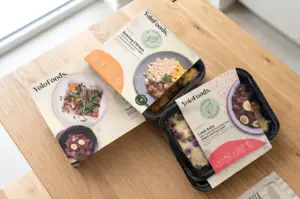
In Singapore, prepared meals are becoming a much bigger part of the food landscape. Meal-prep companies now offer chilled and frozen dishes built around portion control, protein targets and clearly listed calories or macronutrients. The Business Times reported in 2026 that demand for these services has been growing alongside greater interest in nutrition and fitness.
Supermarket freezers have changed too. FairPrice currently carries hundreds of ready-meal products, ranging from rice and noodle dishes to soups, proteins and complete meals. That variety alone tells me frozen food is no longer being treated as one sad category of microwave dinners.
I can see the appeal.
If I finish work late, a prepared chicken, rice and vegetable meal sitting in the freezer can be more useful than a recipe requiring ten ingredients I do not have. It also gives me another option between cooking everything from scratch and ordering delivery.
Singapore’s ready-meal scene is becoming more familiar in another way too. Local restaurants and food brands have been working with convenience retailers to turn recognisable dishes into prepared meals, giving people access to flavours they already know in formats designed for quick reheating.
That does not mean every frozen meal suddenly deserves a health halo.
When I am choosing one, I still look at what is actually inside. I want enough protein, some vegetables where possible, and a portion that feels like a proper meal rather than a snack. I also check sodium, especially with sauces, soups and heavily seasoned dishes, because convenience foods can vary considerably.
Sometimes I use frozen prepared food as a starting point instead of the entire meal. I might add frozen vegetables, fresh fruit, an egg or extra tofu. That small adjustment can make a convenient dinner feel more complete without creating more work.
I also think frozen food has one advantage that gets overlooked: it can help reduce the pressure to use everything immediately. Keeping a few prepared meals or frozen ingredients around gives me backup options when plans change, which can mean less unused food sitting in the fridge.
The reputation makeover makes sense to me. Frozen food is not becoming better simply because it is trendy; the category itself is becoming broader, more transparent and more suited to how people actually eat.
I am still happy to cook when I have time. I just no longer see reaching into the freezer as admitting defeat.
For more practical ways to make convenient food work within a balanced lifestyle, visit Healthy Food Guide.