

I have always found it interesting how I can finish a full meal, feel completely satisfied, and still somehow have room for dessert. I know I am not physically hungry, yet the idea of something sweet suddenly feels very appealing.
There is actually more going on here than simply having a “sweet tooth”.
Our appetite is not controlled by hunger alone. The brain also responds to food through pleasure and reward. Sweet foods are particularly good at activating these reward pathways, which helps explain why we may still want chocolate, cake, or ice cream even after our stomach is full. Research on food reward shows that pleasant foods can motivate us to keep eating even when our energy needs have already been met.
There is also the simple fact that eating something different can feel appealing. After a savoury meal, sweetness gives our taste buds a new experience. That contrast can make dessert seem interesting even when another serving of the main course would be completely unappealing.
Habit plays a role too. If I regularly finish dinner with dessert, my brain can start associating the end of a meal with something sweet. Eventually, I may find myself looking for dessert almost automatically. This is one reason cravings are not always a reliable sign that the body genuinely needs sugar.
It is also worth being cautious with the idea that sugar is simply “addictive”. Sweet foods certainly interact with the brain’s reward system, but research in humans does not support treating ordinary sugar cravings as the same thing as drug addiction.
So how do I make the craving less intense?
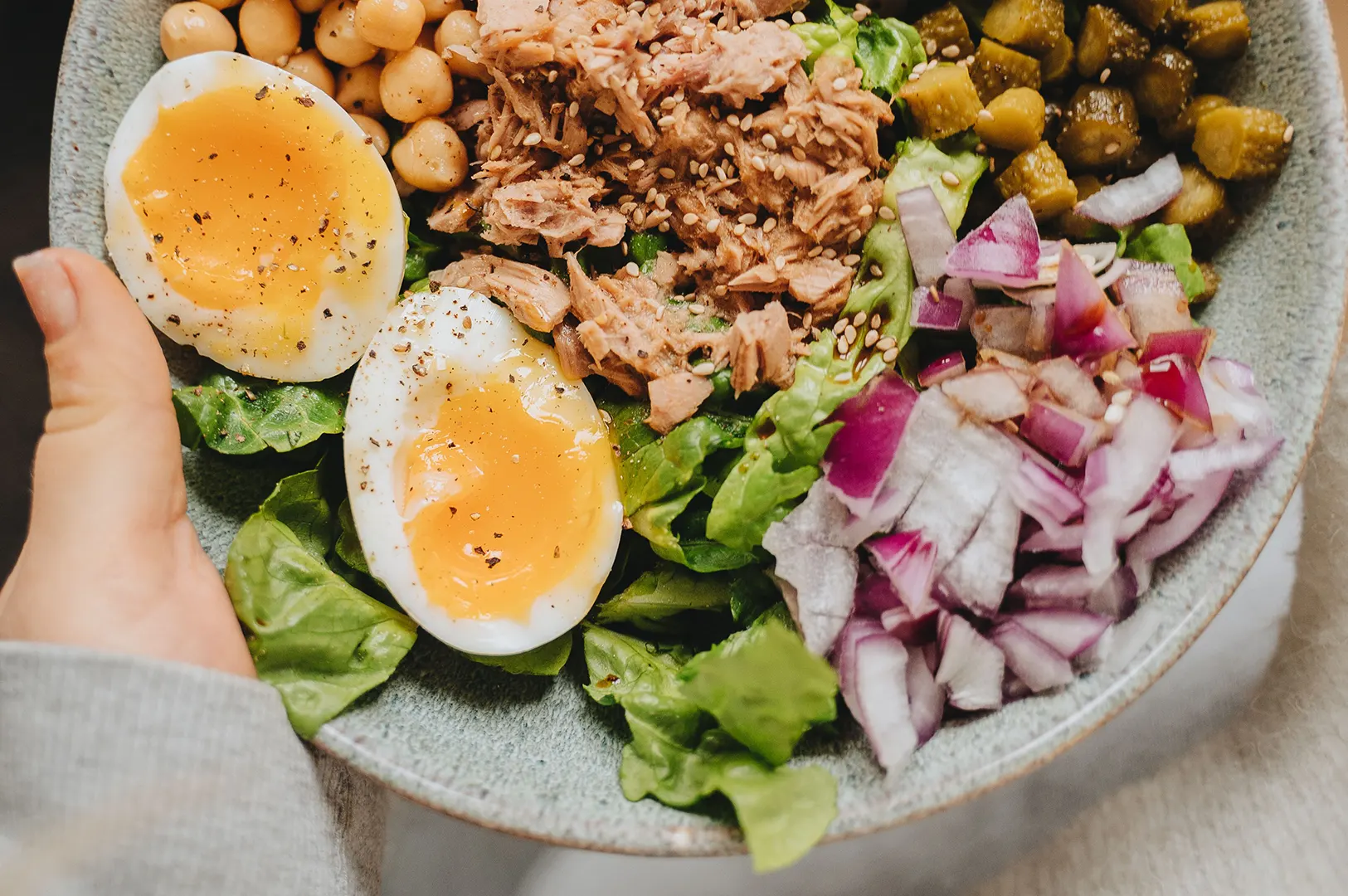
I start by looking at the meal itself. A meal with enough **protein, fibre, vegetables, and satisfying carbohydrates** is more likely to leave me properly full. Satiety signals from the digestive system help reduce the motivation to continue eating after a meal, although highly palatable foods can sometimes compete with those signals.
Then I give myself some time. Instead of immediately searching for dessert, I might have water or tea and wait 10 or 15 minutes. Sometimes the desire disappears once my brain catches up with the fact that the meal is finished.
I also do not believe banning dessert completely is necessary. Strict rules can make certain foods feel even more desirable. If I genuinely want something sweet, I would rather have a reasonable portion and enjoy it than spend the rest of the evening thinking about it.
Fruit, yoghurt with berries, or a few pieces of dark chocolate can also satisfy that desire when I want something lighter.
For me, the goal is not to eliminate sweet cravings. It is to recognise the difference between hunger, habit, and the simple pleasure of eating dessert. Once I understand what is driving the craving, it becomes much easier to decide whether I actually want that extra bite.
For more practical nutrition advice and healthier ways to approach everyday eating, visit Healthy Food Guide.