

Imagine walking into a bustling hawker centre just as the morning sun hits the colorful shop signs. The air is thick with the aroma of toasted coconut, rich spices, and freshly brewed kopi. You might assume the only options for a plant based eater are plain rice and a few wilted greens. Think again.
A plant-based diet is a diet consisting mostly or entirely of plant-based foods. ‘Mostly plants‘ means that plant foods make up the majority of your meals, though some animal products may still be included in smaller amounts.
The landscape of vegetarian and vegan diets Singapore has to offer is undergoing a thrilling renaissance. It goes far beyond the predictable bowl of mixed leaves. From heritage kopitiams to innovative modern cafes, this island is a playground for anyone looking to eat beautifully, healthfully, and sustainably with a healthy plant based diet.
Introduction to Plant Based Eating
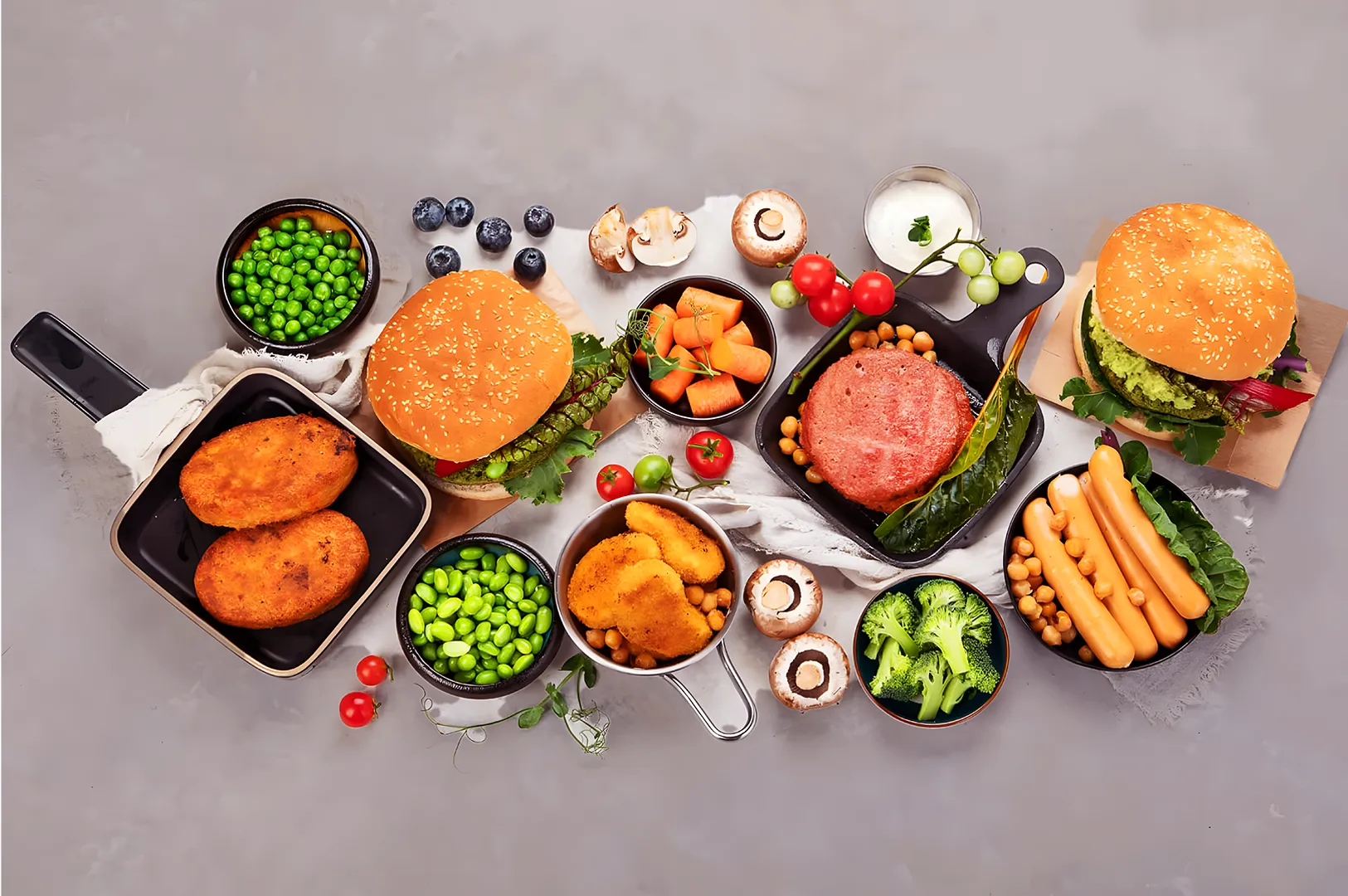
Plant-based eating has become more common globally, especially as more people like you and me look for alternatives to traditional diets. This way of eating usually means centering your meals around plant foods like fruits, vegetables, whole grains, legumes, nuts, and seeds, while cutting back on animal products and processed foods. Whether you’re exploring vegan options, leaning into vegetarian choices, or simply adding more plant foods to your current meals, this approach offers some health benefits worth considering.
Choosing plant-based foods can also feel good for the planet. Animal agriculture is a big contributor to greenhouse gas emissions, land use, and water consumption. By opting for plant-based foods, dairy alternatives, and meat substitutes, you can take a step toward reducing your environmental footprint—though, of course, how this plays out can depend on your local food choices and lifestyle.
A Tapestry of Culinary Traditions in Plant Based Eating Patterns
Singapore’s culinary magic lies in its vibrant cultural tapestry. Here, centuries-old Buddhist vegetarian traditions blend seamlessly with a rapidly growing modern plant based singapore movement. This unique intersection means you can find incredibly cheap, comforting meals at a local stall, then enjoy a visionary, chef-driven dinner at one of the best vegetarian restaurants singapore boasts. Plant-based eating patterns can vary greatly depending on personal preferences and the extent to which individuals choose to eat animal products.
Creative chefs across the island are rethinking what plant based foods can do. They are transforming humble roots and shoots into main events. What makes this scene so uniquely exciting is its accessibility. You do not need a massive budget to enjoy a nourishing, flavor-packed meal. Delicious plant based protein options are available across all price points, welcoming everyone to the table.
The Magic of the Hawker and Kopitiam: Plant Based Foods and Minimally Processed Foods
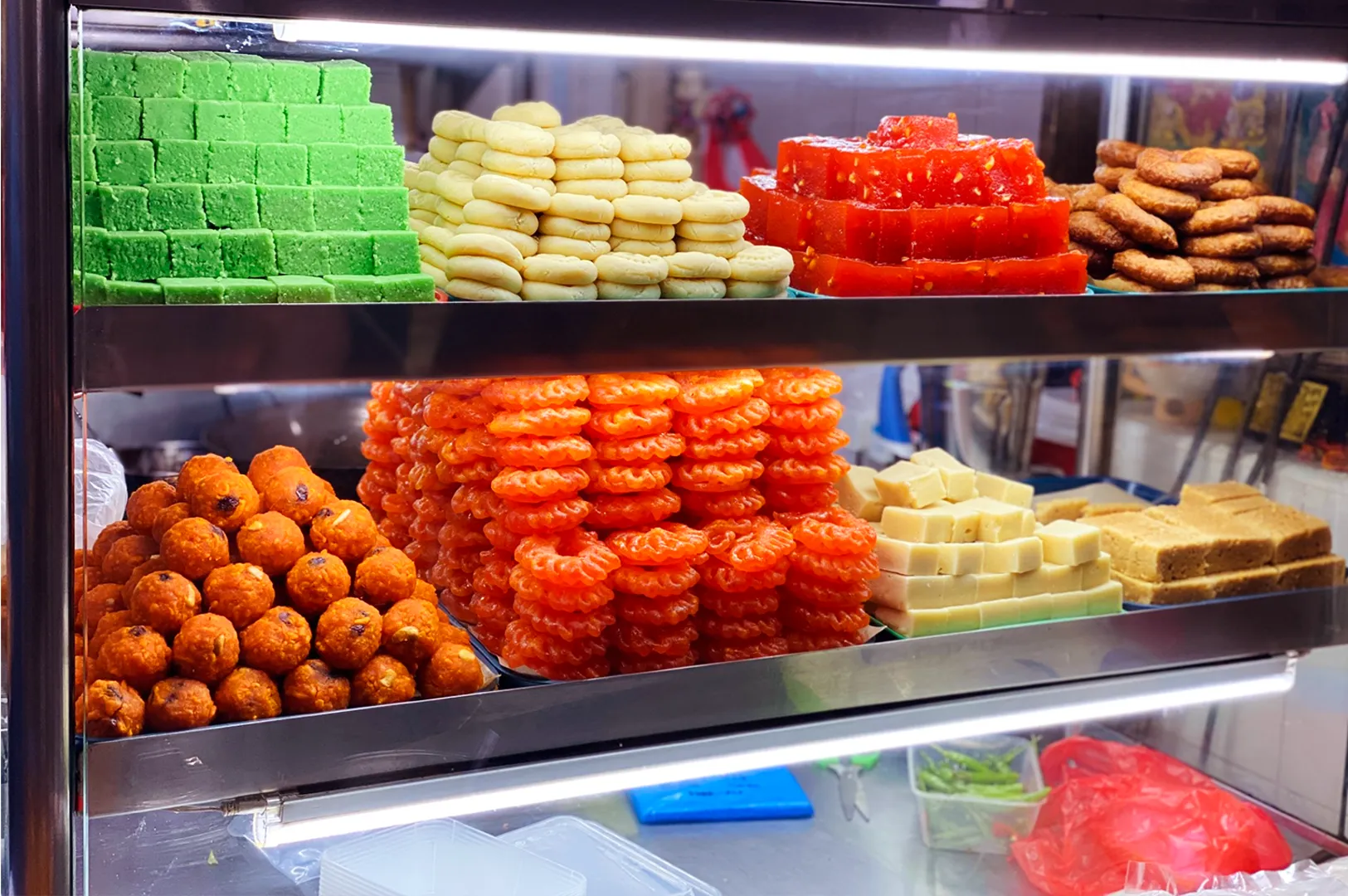
Let us start at the very heart of the city’s food culture. A true vegetarian hawker singapore experience is an absolute feast for the senses. These humble stalls are treasure troves of flavor, often run by aunties and uncles who have perfected their craft over decades. They use clever techniques to transform simple ingredients into savory masterpieces.
You will find chewy meat substitutes crafted from soy and wheat gluten, rich broths simmered with root vegetables, and an array of perfectly wok-fried greens. However, some vegetarian options at hawker stalls may include fast foods, refined grains like white rice or white bread, or sweetened fruit juices. Not all plant-based foods are equally healthy, as some may contain added salt, sugar, or fat.
These stalls are often underrated by newcomers, but they represent the true soul of local dining. The energy is infectious, the food is served piping hot, and the flavors are deeply comforting.
Local Favorites, Beautifully Reinvented: Plant Based Meats and Animal Welfare
The real joy comes when you discover plant based alternatives of beloved local classics. Picture a steaming bowl of laksa where the rich coconut milk broth is entirely free of shrimp paste, yet bursts with umami from mushrooms and seaweed. Think of diving into a plate of nasi lemak, complete with fragrant pandan rice, crispy tempeh, and a fiery, sambal-smothered eggplant. These dishes are made without eating meat, red meat, or processed meat, which are often limited or excluded in vegetarian and plant-based diets due to health and ethical reasons.
Do not miss out on Lei Cha (Thunder Tea Rice). This Hakka specialty is a nutritional powerhouse. It features a vibrant green herb soup poured over a bowl of brown rice, roasted peanuts, pressed tofu, and finely chopped vegetables. It is the ultimate healthy plant based diet comfort food. You can also find incredible claypot rice dishes where mushrooms replace chicken, creating a smoky, caramelized crust at the bottom of the pot that is completely irresistible.
Modern Veg-Forward Gastronomy: Health Benefits of Eating More Plant Based Foods

Moving beyond the traditional menus, the island is teeming with modern establishments doing incredible veg-forward cooking. These are places where eating healthy for your heart health translates to pure indulgence. Creative culinary minds are taking vegetables out of the side-dish category and placing them proudly on center stage.
Plant-based diets are associated with weight loss, reduced risk of diabetes, and lower body weight, making them a smart choice for those seeking long-term health benefits.
You might find thick roasted cauliflower steaks dripping in a rich tahini glaze, or vibrant beetroot carpaccio adorned with cultured cashew cheese and nutritional yeast. These meals prove that plant based diet means eating with more color, more texture, and more joy.
A World Tour on a Plate: Plant Based Foods and Lower Risk of Chronic Diseases
The exploration certainly does not stop at local borders. Singapore is a thriving hub for global vegetarian and vegan diets flavors. Take a stroll through Little India and you will find spectacular feasts. Enjoy massive, crispy dosas, rich lentil dals, and vibrant vegetable curries that have been naturally meat-free for centuries.
You can also explore Peranakan-inspired dishes featuring striking blue pea rice and spicy curried vegetables. For a more zen and mindful experience, Japanese shojin-style dining highlights the elegant, delicate flavors of seasonal produce. Meanwhile, Middle Eastern eateries across the city serve up magnificent communal spreads of creamy hummus, crispy falafel, and smoky baba ganoush.
For more insights to Peranakan dishes and restaurants, click and visit A Healthier Way To Taste Heritage: Peranakan Food Singapore Reimagined
Compared to non vegetarian diets and the habits of meat eaters, these plant-based options have a lower environmental impact. Vegetarian diets are also associated with a lower body mass index than non-vegetarian diets.
Nourishing Your Body: Expert Nutrition Insights on Plant Based Eating and Heart Disease
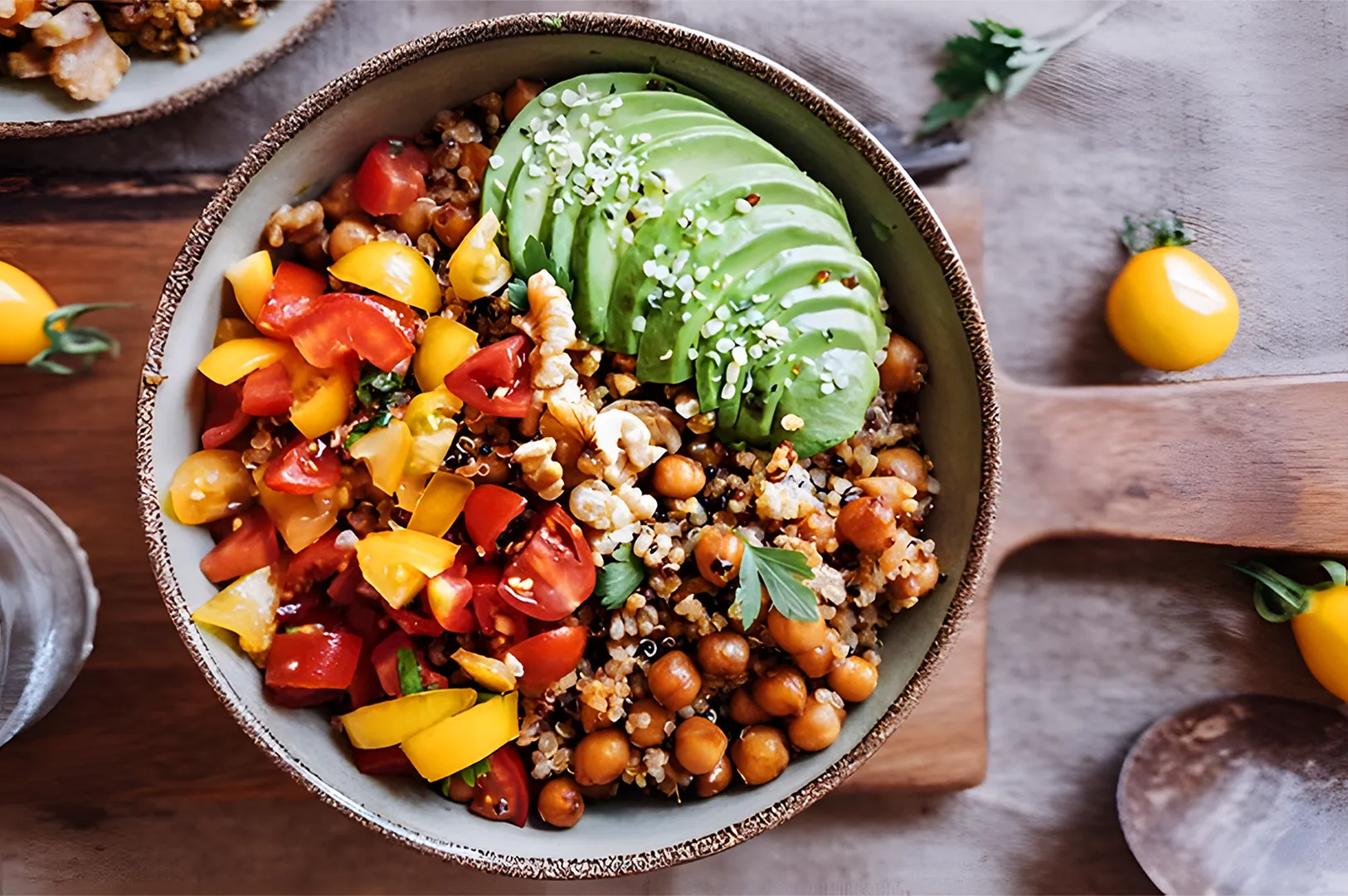
As you dive into this delicious world, keeping a few nutritional basics in mind ensures you feel as good as your food tastes. A well-planned plant based diet is wonderfully nourishing and incredibly empowering. The key to success is balance. Recent systematic reviews and randomized controlled trials have shown that plant-based diets are associated with significant health benefits, including reduced risk of chronic diseases.
Focus on getting enough plant protein from hearty sources like tofu, tempeh, lentils, nuts and seeds, and chickpeas. Protein adequacy in a plant-based diet can be achieved by consuming a variety of legumes, nuts, seeds, and soy products such as tofu. Embrace the abundant fiber found in whole grains like brown rice and fresh fruits and vegetables to keep your digestion smooth and your energy levels stable. Fiber is especially important as it lowers cholesterol and stabilizes blood sugar, supporting overall human health.
Iron is readily available in dark leafy greens and legumes (pairing them with a squeeze of lime or lemon helps your body absorb it better). Calcium can be easily found in fortified dairy products alternatives such as almond milk and coconut milk and certain firm tofu varieties. Vegans often need to consume fortified foods or take Vitamin B12 supplements to meet their nutritional needs.
Try the “Grain, Green, Bean” rule: build your meal with one grain, one green, and one legume, topped with a flavorful dressing. Batch cooking staple grains and legumes at the beginning of the week allows for quick assembly of meals during busy days. Beginning a plant-based lifestyle is easier when focusing on simple, flavorful meals that use familiar ingredients. When transitioning to a plant-based diet, center your meals around plant-based foods.
How to Spot a Truly Satisfying Plant Based Meal in Singapore while Paying Attention to Added Sugar
Look for texture contrast: A great dish balances soft elements (like braised eggplant) with something crunchy (like toasted peanuts or crispy shallots).
Find your protein anchors: Ensure your meal has a solid base of tofu, tempeh, seitan, or legumes to keep you energized and full throughout the day.
Balance your carbs: Pair rich, heavy dishes with complex carbohydrates like brown rice, quinoa, or whole-wheat noodles for sustained, lasting energy.
Embrace vegetable variety: The best meals feature a bright rainbow of fruits and vegetables, bringing different vitamins, minerals, and complex flavors to your plate.
Be mindful of added sugar and sugar sweetened beverages: Limit sugary drinks and refined foods like white bread, white rice, and white flour to support weight control and heart health.
Environmental Benefits: Why Plant Based Eating is More Environmentally Friendly

Beyond personal health, plant-based diets are gaining popularity due to their positive environmental impact. Plant-based diets offer lower greenhouse gas emissions, land use, and biodiversity loss compared to diets high in animal products. Eating less meat consumption helps to limit climate change and biodiversity loss.
High-income nations switching to plant-based diets could allow vast swaths of land used for animal agriculture to return to their natural state, which can help sequester carbon and restore ecosystems. Plant-based diets can reduce greenhouse gas emissions and land use by up to 70% and water use by 50%. Reducing the number of animal products in your diet also helps drive the local economy and reduces reliance on factory farming.
Your Next Delicious Discovery Awaits with Plant Based Eating and Lower Risk of Developing Heart Disease
The days of settling for a boring side salad are officially over. Singapore’s vibrant food scene proves that choosing plant based meals is a celebration of flavor, creativity, and incredible potential health benefits. Whether you are a lifelong herbivore or simply looking to incorporate more plant based foods into your busy week, there is a delicious discovery waiting right around the corner.
Step out of your culinary comfort zone today. Make a solid plan to visit a new hawker stall, book a table at a modern cafe, and try at least one new vegetarian spot this week. Share your fantastic finds with your friends and family. Your taste buds (and your vibrant, healthy body) will absolutely thank you.