
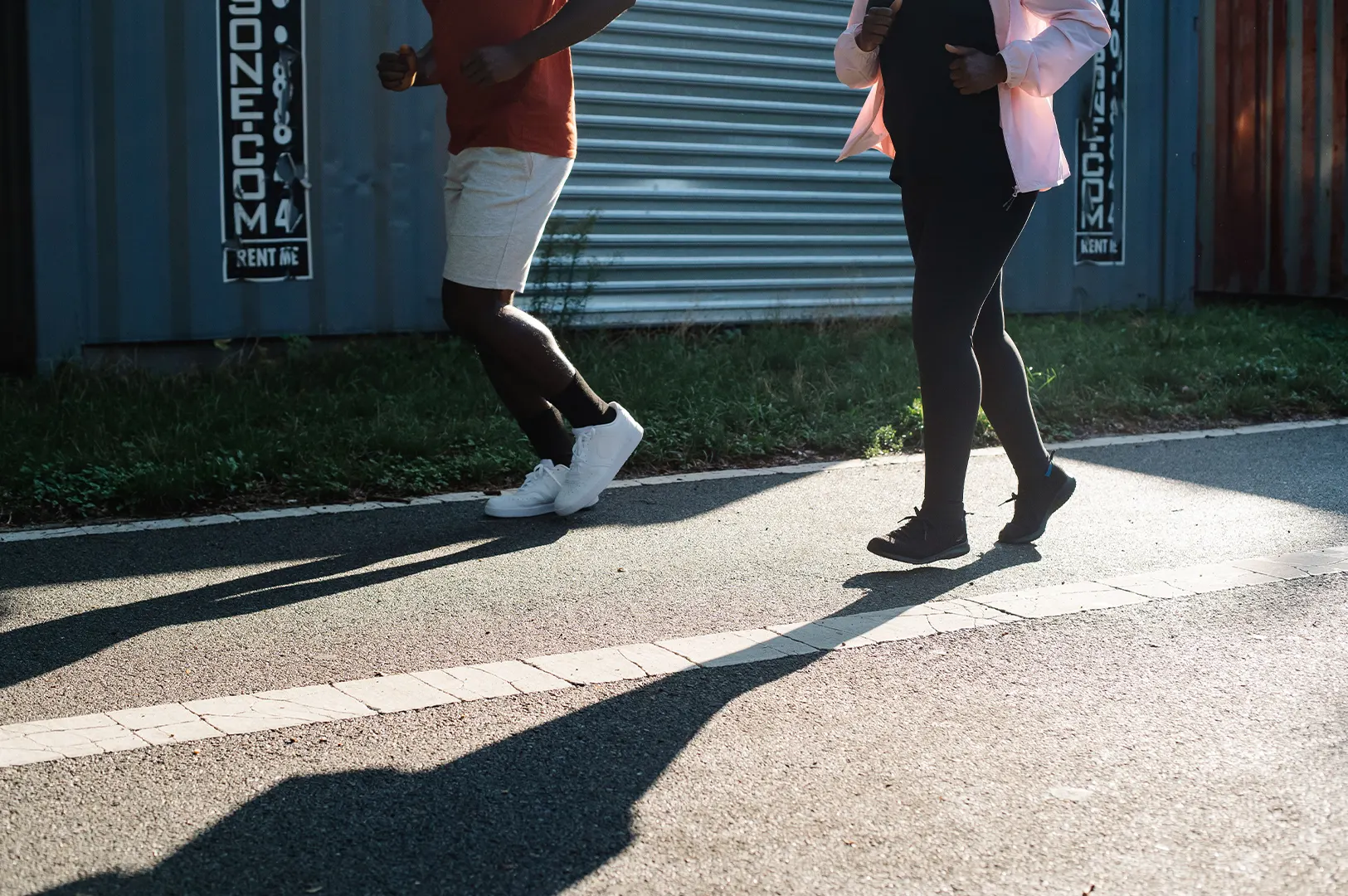
I think we sometimes make fitness more complicated than it needs to be. We picture gym memberships, intense workout plans, expensive equipment, and schedules that can be difficult to maintain. But one of the simplest forms of exercise is something many of us already do every day: walking.
Walking may not feel like a serious workout, but our bodies are still working. Our legs, hips, core, and cardiovascular system are all involved every time we move at a steady pace. A brisk walk can raise our heart rate, use energy, and help improve endurance over time.
That is why I see daily walking as a practical starting point for anyone who wants to become more active.
One of the biggest advantages is accessibility. I do not need special equipment or a fitness class. I can walk around my neighbourhood, head to a nearby park, take the stairs instead of the lift, or get off public transport one stop earlier. These small choices can add more movement to an otherwise sedentary day.
Walking regularly can also support cardiovascular fitness, muscle endurance, mobility, and weight management when combined with balanced eating habits. It may not build strength in the same way resistance training does, but it still gives the body a reason to move, adapt, and stay active.
I also like walking because it feels easier to make consistent. A demanding workout can be difficult to fit into a busy week, while a 20 or 30-minute walk can often be added before work, after lunch, or in the evening.
For me, consistency matters more than trying to make every workout exhausting. If I walk regularly, I am building a habit of movement. Once that habit becomes normal, adding other activities such as strength training, cycling, swimming, or jogging can feel much more manageable.
There is also a connection between movement and the way we approach our overall health. At Healthy Food Guide, we believe healthy living is not only about what is on the plate. Nutrition works alongside daily movement, sufficient sleep, hydration, and other habits that support the body.
That is why walking fits naturally into a healthy lifestyle. I can focus on eating balanced meals while also finding realistic ways to move more. Neither has to be extreme.
Of course, walking does not need to become a numbers competition. I do not think everyone needs to chase a specific step count every day. What matters is finding opportunities to move more than we currently do and gradually increasing the pace, distance, or frequency when it feels comfortable.
Fitness does not always begin with a difficult workout. Sometimes it begins by putting on a comfortable pair of shoes, stepping outside, and simply walking.