
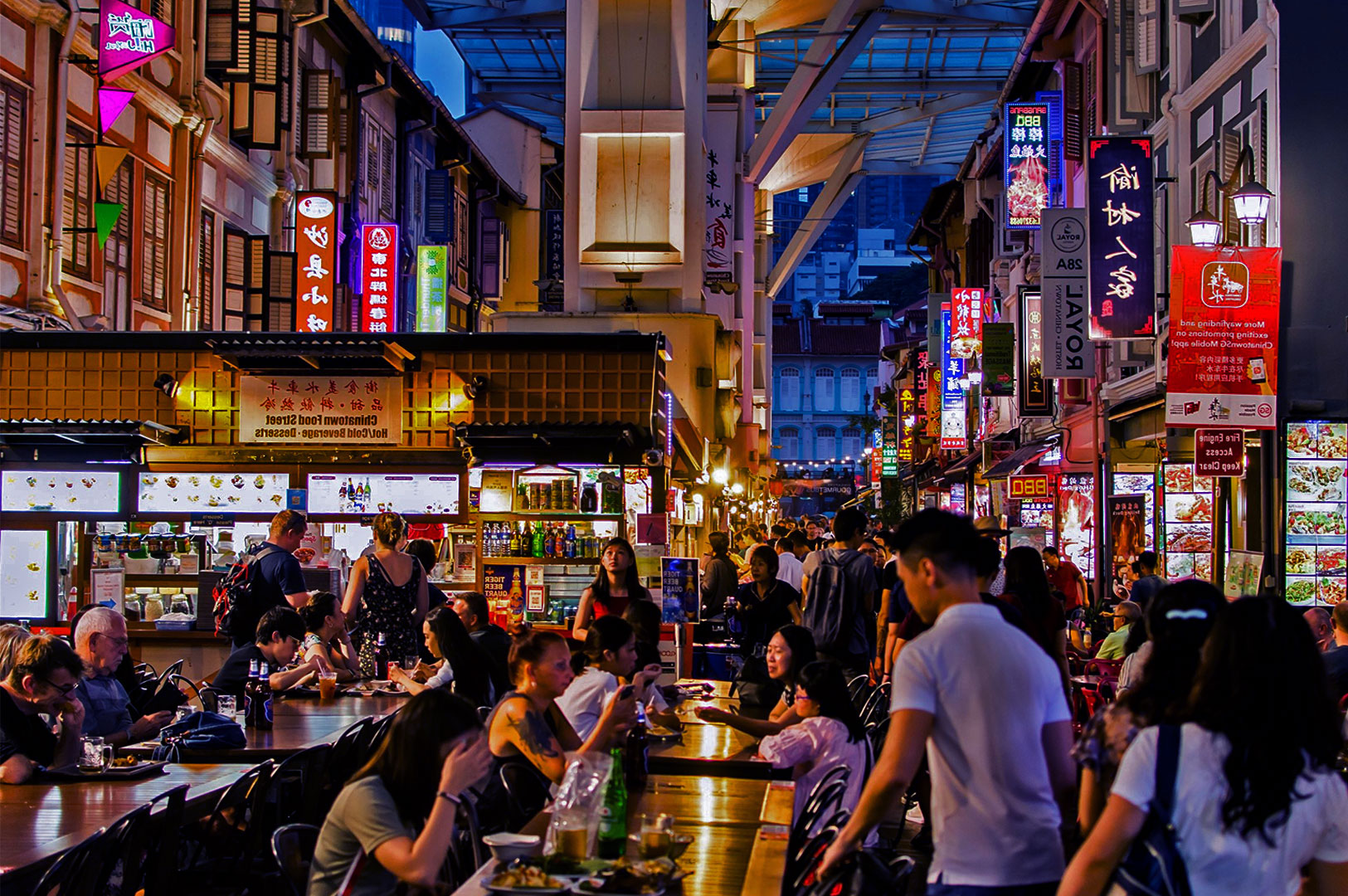
If you walk through the bustling streets of Singapore today, you might notice something subtle but powerful happening. The idea of farm to table Singapore isn’t just some fancy buzzword for faraway countryside estates, it’s here, on our sunny island, reshaping how we think about freshness, flavor, and nutrition.
For the longest time, I thought living in a city meant our food had to travel thousands of miles before reaching us. “Fresh” usually meant it was flown in just yesterday. But lately, I’ve seen a new wave of passionate chefs, urban farmers, and healthy cafe owners proving that wrong. They’re building a vibrant ecosystem where sustainable dining meets real nutritional goodness, celebrating local produce and the amazing flavors that come with it.
In this country, people tend to eat out more than almost anywhere else, so the demand for clean eating options is booming. And honestly, this is more than just a trend, it feels like a delicious awakening to the future of food here.
The Urban Harvest: Reimagining Farm to Table Singapore
What excites me most about this movement is the incredible variety of local produce now available. It’s not just leafy greens anymore. We’re talking mushrooms, eggs, fish, and even special herbs that used to be imported. This local supply chain doesn’t just cut down on carbon footprints; it slashes the time between harvest and when the food lands on our plates. Some top restaurants, such as a Michelin-starred establishment, source approximately 90% of their ingredients locally, often sourced directly from nearby farms.
When I eat a salad made with kale picked fresh that very morning in Singapore, I can actually taste the difference, it crunches louder, tastes sweeter, and feels so much more alive. I’ve heard restaurants say the flavors of locally harvested ingredients are way more intense than imported ones. Of course, with limited land and labor here, local produce can be pricier, but for me, the freshness is worth it.
Cultivating Flavor at Healthy Cafes: How Sourcing Shapes the Menu
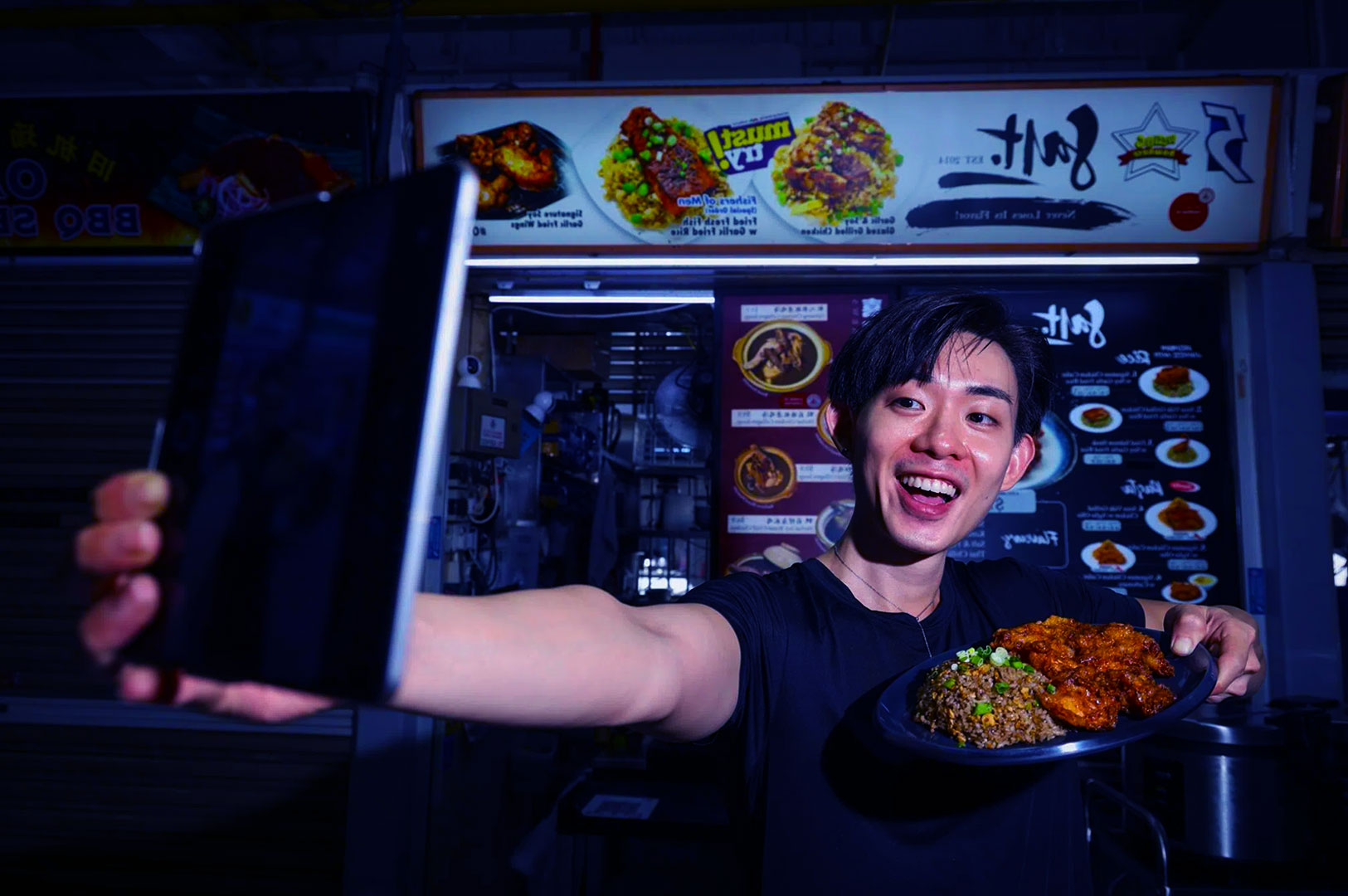
One thing I love about the rise of healthy cafe culture here is how it’s changing menus. Back in the day, chefs might decide on a dish first, then hunt for ingredients. Now, it’s the other way around — the ingredients lead the way. This seasonal, produce-first approach feels like true culinary artistry. It means kitchens have to be flexible and creative, adapting to what the land (or vertical farm) offers at the moment.
I’ve noticed many healthy cafes moving beyond the usual “avocado toast and smoothie” routine. They’re serving up complex, satisfying meals that just happen to be good for you. These dishes offer both nutrition and indulgence, showing that healthy eating can be a treat as well as nourishing. Grain bowls, superfoods, cold-pressed juices, and wellness shots are staples, all made with locally sourced ingredients. It’s proof that healthy food doesn’t have to be boring or repetitive.
These cafes are also great about catering to dietary needs — dairy-free, vegan, vegetarian, allergy-friendly options are common. Take Cultivate Cafe, for example. It’s the only place in Singapore offering 100% vegan, gluten-free, and GMO-free dining, with cold-pressed organic juices and wellness shots made from premium, sustainably sourced ingredients.
The Nutritional Advantage of Hyper-Local Eating: Why I Choose Local Produce
Here’s something I find fascinating: the closer my food is grown, the more nutrients it tends to have. Vitamins like C and B-complex start breaking down as soon as produce is harvested. Spinach, for example, can lose a big chunk of its folate within just a week. So, by supporting urban farming Singapore and buying local, I know I’m getting food that’s packed with more vitamins, minerals, and phytonutrients. Plus, local produce can ripen fully on the plant, unlike imported stuff that gets picked early to survive shipping.
Wellness Meets Culinary Creativity at Open Farm Community and Beyond
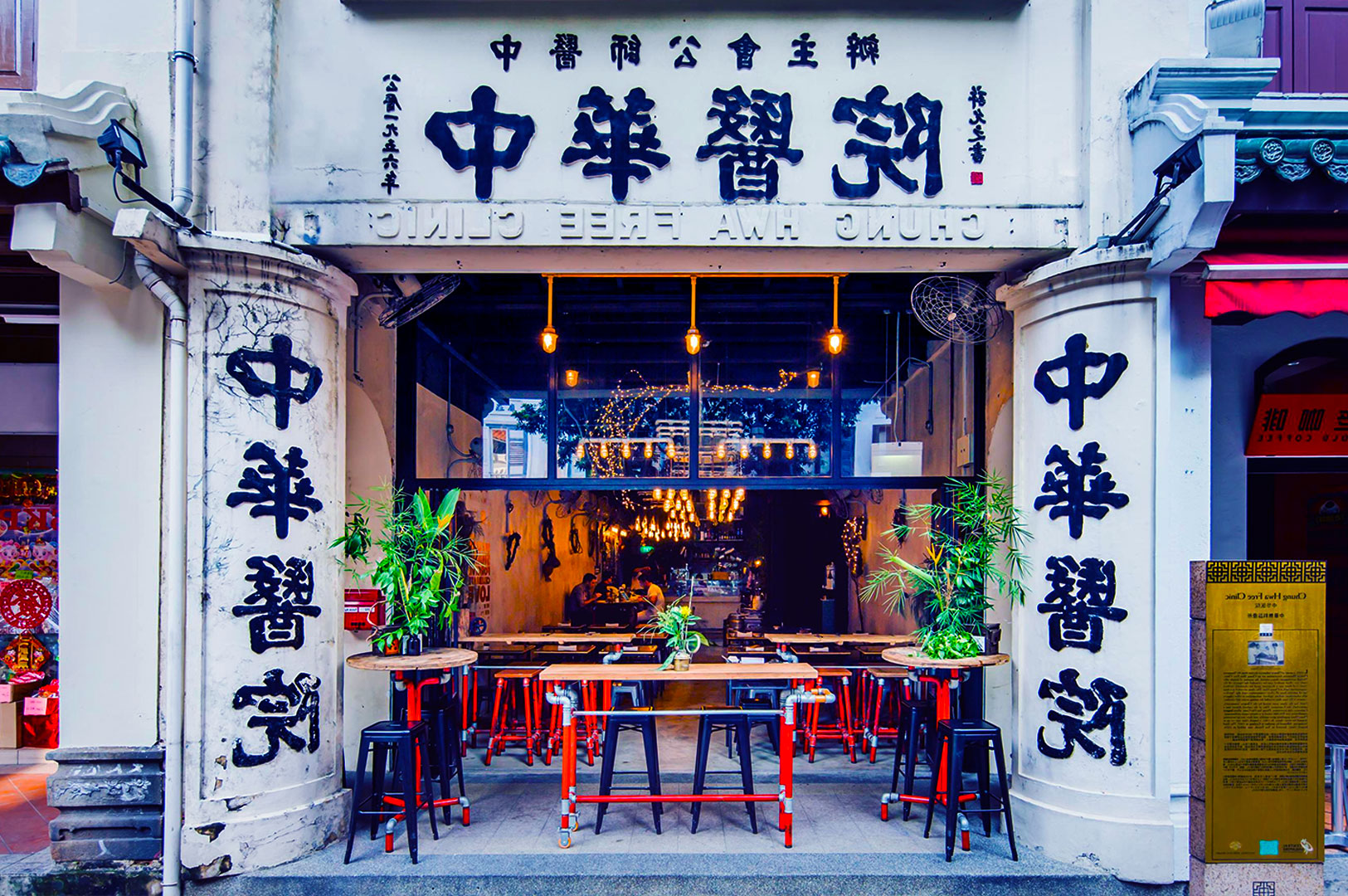
The healthy cafe scene in Singapore is such a fun place to explore. Gone are the days when health food meant munching on bland rabbit food. Now, wellness-focused spots are led by chefs who are bringing wellness, sustainability, and creativity into the dining experience. They’re mixing wellness, flavor, and artistry, blending global tastes with local produce to create dishes that really excite the palate.
I love how traditional Asian ingredients are being brought back to life in new ways. Herbs like ulam raja or laksa leaves show up in salads and grain bowls, adding unique fragrances you just don’t get from imported basil or parsley.
One place I really admired was Open Farm Community. It combined urban farming with a commitment to clean eating and wellness, creating a space where people could gather, savor, and learn about food’s journey from farm to table Singapore. Other popular farm-to-table restaurants in Singapore include Poison Ivy Bistro and Scaled by Ah Hua Kelong, while Noka by Tippling Club stands out as Singapore’s pioneer rooftop urban farm-to-table Japanese restaurant.
Community and Sustainability: Why Farm to Table Singapore Matters to Me
Supporting farm to table Singapore isn’t just about what’s on my plate — it’s about community. Healthy cafes and shops are popping up all over Singapore, with various locations across the city, making it easy to find fresh, local produce and wholesome meals no matter where you are. Many of these healthy cafes also offer takeaway and delivery services, providing added convenience and flexibility for customers.
This growing demand helps local farms thrive and diversify their crops. The movement is evolving too, with urban farming, high-tech greenhouses, and aquaculture expanding what’s available. That means more variety for chefs and home cooks alike, and a real sense of pride in our local produce. I mean, we’re starting to brag about our homegrown barramundi and leafy greens just like the French do about their cheeses!
Consumer Preferences and Trends: What Drives Singapore’s Farm-to-Table Movement
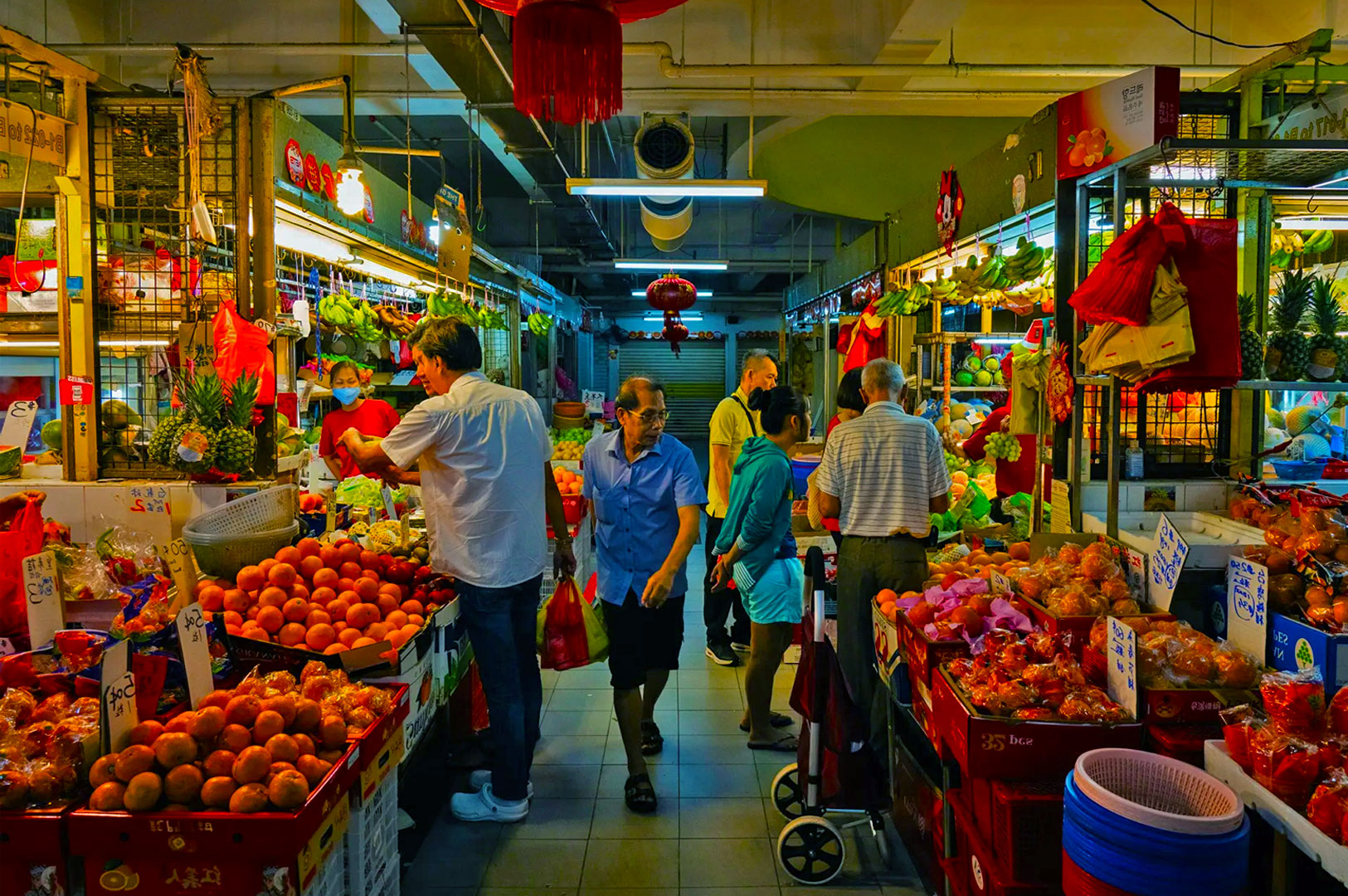
I’ve noticed a clear shift in how people in Singapore think about their food. Diners today want transparency about what’s on their plates, and it feels like the public’s expectations are finally catching up with what professional kitchens have always known: great dishes start with great ingredients.
Both established restaurants and new spots I’ve visited are changing how they source their produce to meet these higher standards. By connecting directly with farms, they cut out the middlemen, ensuring that the freshest, most nutrient-rich ingredients make it to the table.
I’ve seen this approach adopted widely, from event catering to buffet services, showing that local sourcing is becoming standard practice, not just a niche trend. It’s encouraging to see quality-focused cooking extending beyond specialty restaurants into everyday dining.
What’s even better is that many places have figured out how to offer mindful sourcing and skilled preparation without charging a premium. They focus on making the most of their ingredients rather than relying on high prices to signal quality, making farm-to-table dining more accessible for everyone.
Challenges and Opportunities in Singapore’s Farm-to-Table Movement
I won’t sugarcoat it, Singapore’s farm-to-table movement comes with its challenges. Limited land and higher production costs mean sourcing locally isn’t always easy or cheap. But places like Open Farm Community show that with the right planning and passion, sustainable sourcing can thrive alongside community engagement and education.
Workshops, farm visits, and transparency about where food comes from help build trust and understanding, proving that being environmentally responsible and commercially successful can go hand in hand.
I remember the first time I visited Open Farm Community. Walking through the lush greenery right in the heart of the city was a refreshing reminder of how close nature can be. Sitting down to a meal made from ingredients harvested just steps away made the flavors pop in a way I hadn’t experienced before. That day, I truly appreciated how farm-to-table dining isn’t just about food, it’s about connecting with the land and the people who nurture it.
Navigating the Scene: How I Spot Authentic Farm-to-Table and Healthy Cafes in Singapore
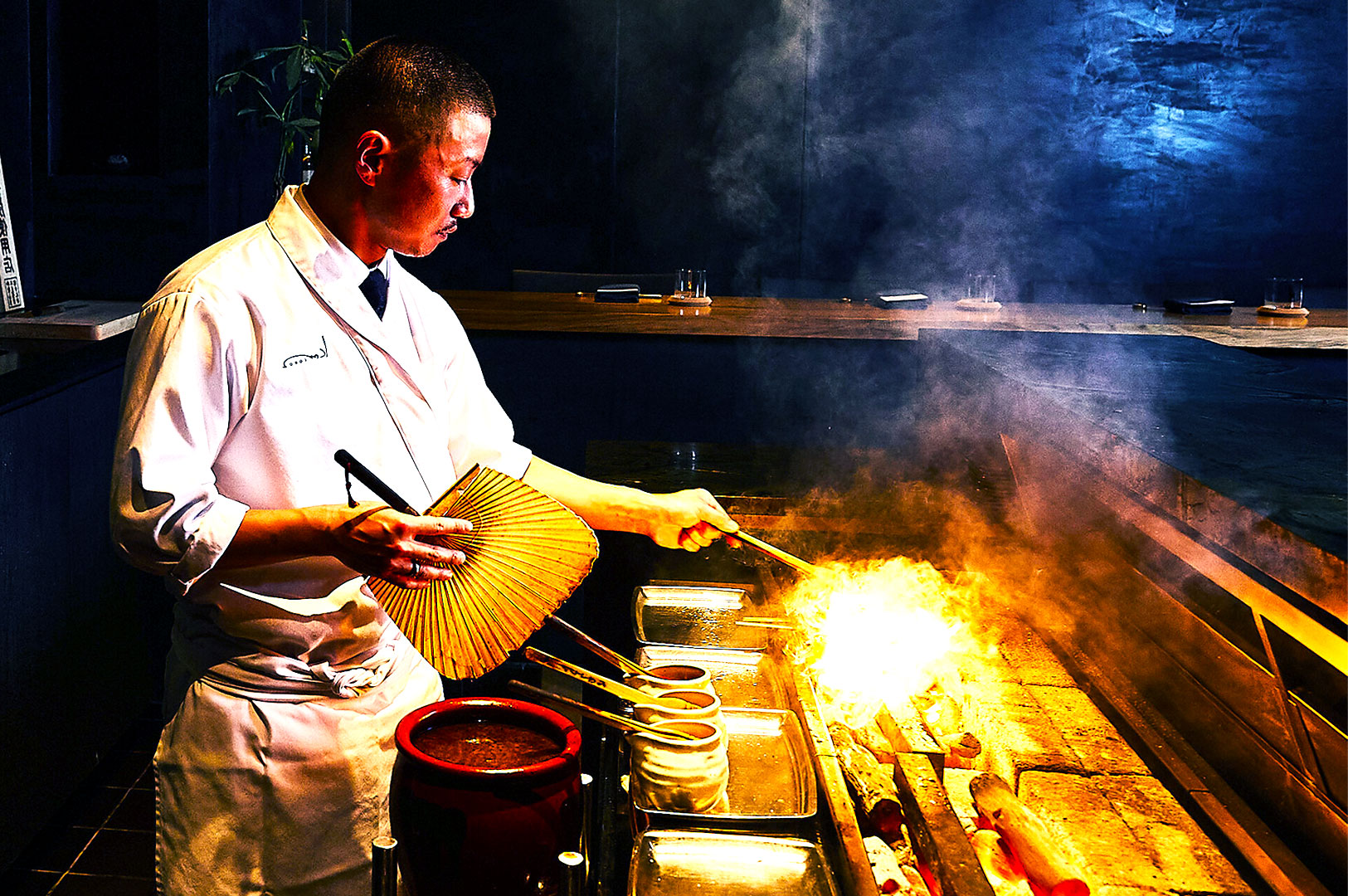
With so many places claiming to be “sustainable” or “farm-to-table,” it can get confusing. So here’s what I look for when choosing a spot:
First, transparency. Real farm-to-table places are proud to share their farmer partners. Their menus or websites often list the farms they work with, and servers usually know where the ingredients come from. If they don’t, that’s a red flag.
Second, menu flexibility. A truly seasonal restaurant changes its menu regularly. If strawberries are on the menu year-round, it’s probably not all local. Look for market-price items or chef’s specials that highlight what’s fresh from the local farms. Many authentic spots also use organic ingredients for purity and sustainability.
The Singapore Food Agency’s Farm-to-Table Recognition Programme (FTTRP) is a great guide too. It’s open to all food businesses, and those that source at least 15% local produce in one category earn a green logo. There are even higher tiers for those sourcing more categories. This helps me spot genuine farm-to-table venues that really care about local sourcing.
A Call to Explore: Join Me in Enjoying the Farm to Table Singapore Experience
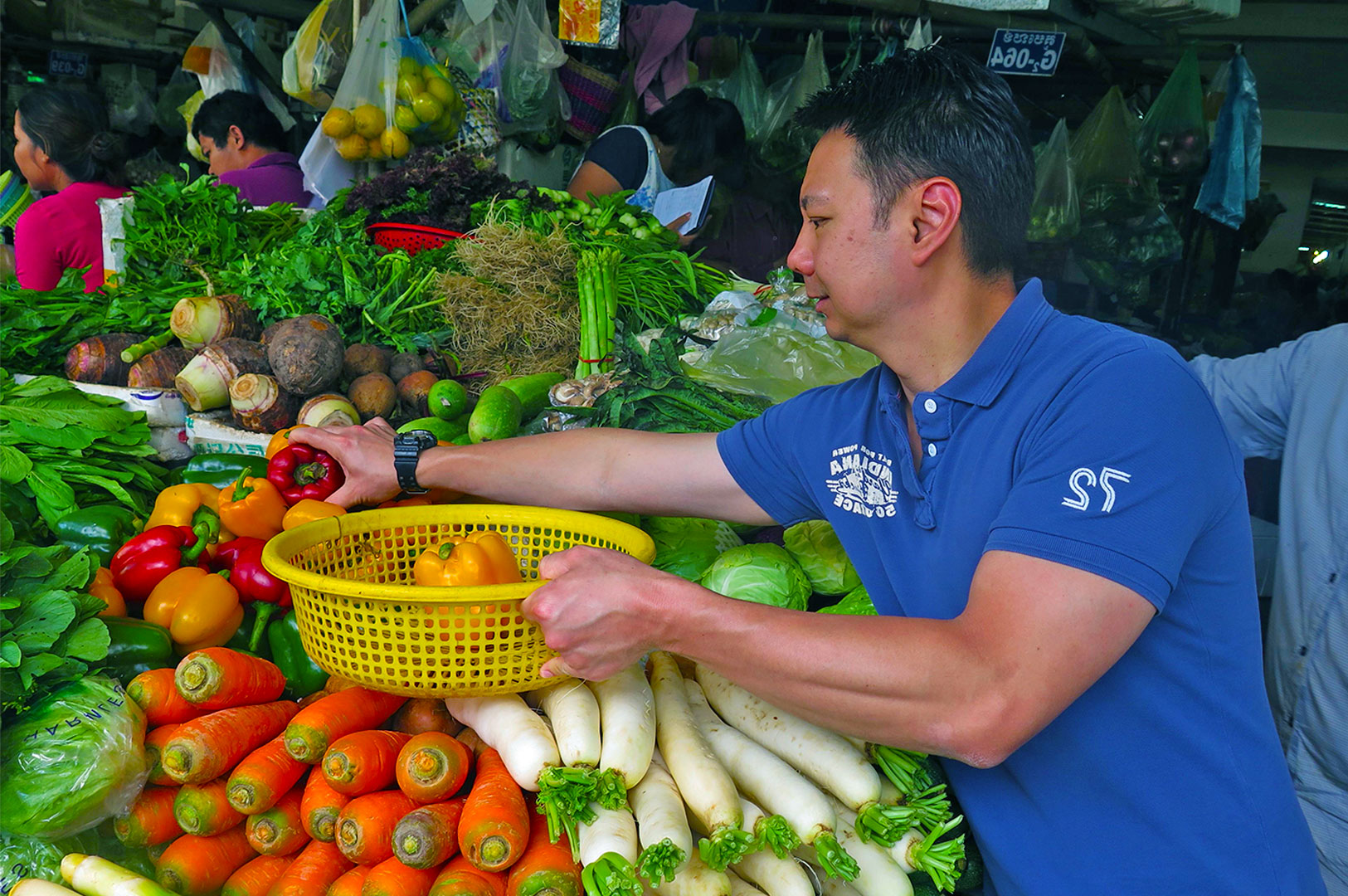
Singapore’s dining scene is changing, and it’s inviting all of us to be curious about where our food comes from. The farm to table Singapore movement isn’t about being perfect or eating only local — it’s about making conscious connections. It now includes restaurants, cafes, and even bars committed to sustainability and local ingredients. Some places even show the carbon footprint of their meals to help us make low-carbon choices. As of early 2026, some dining outlets display the carbon footprint of meals to promote low-carbon choices.
So why not join me this weekend? Seek out a healthy cafe that champions local farms. Visit a restaurant that changes its menu with the harvest. Taste the freshness and savor the difference. By exploring the amazing farm to table Singapore options, we nourish ourselves and help cultivate a greener, tastier future for our city.
Got a favorite farm-to-table spot or a story to share? I’d love to hear about it! Submit your suggestions or stories, or visit healthyfoodguide.com.sg for more great recommendations and tips on healthy dining.