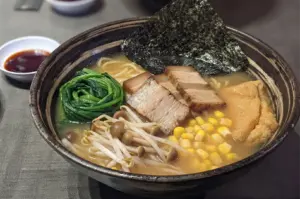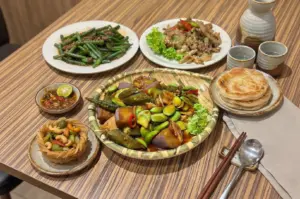
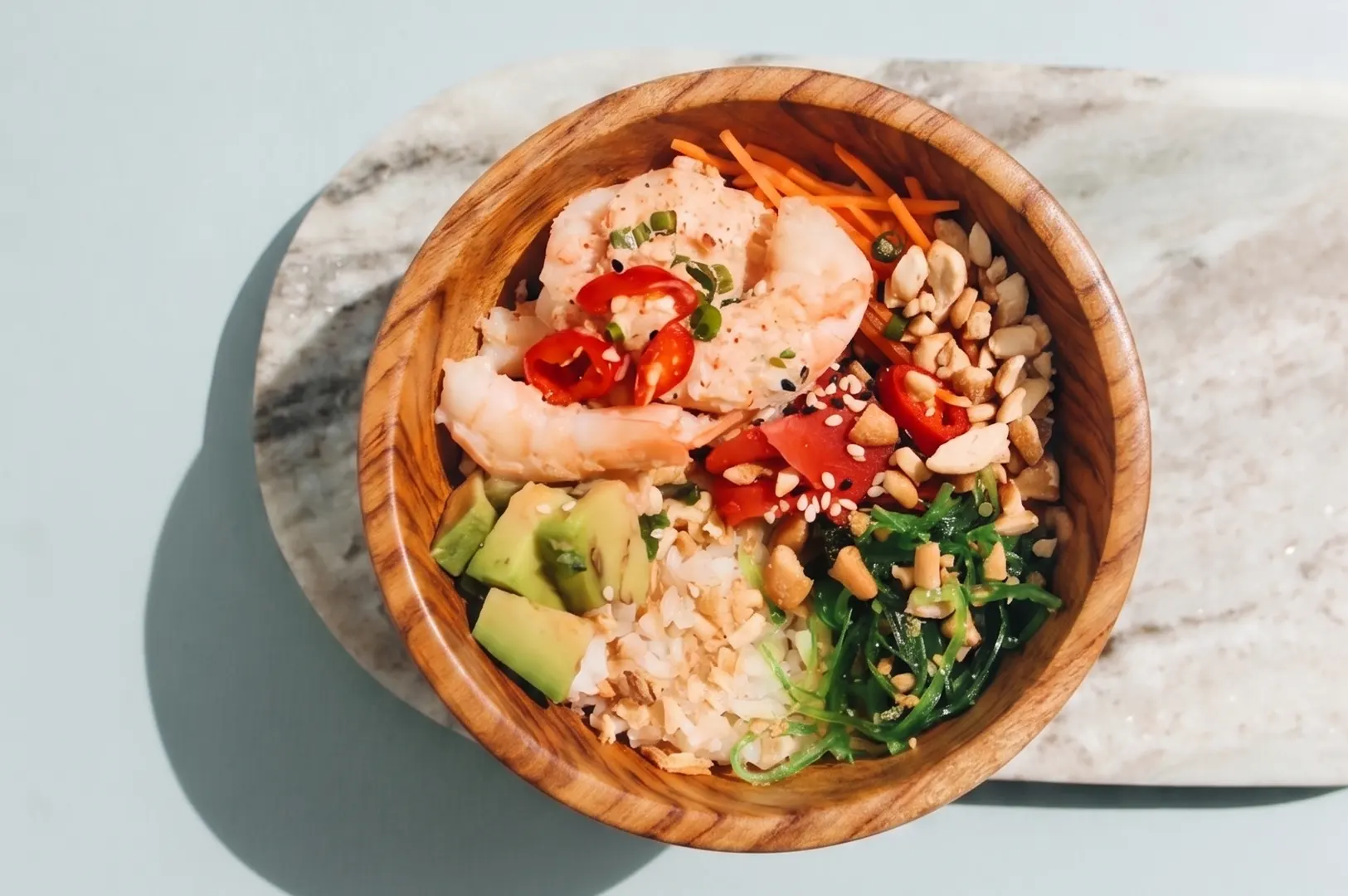
It is 12:30 PM on a Tuesday, and I am standing right in the middle of the Tanjong Pagar CBD lunch rush. The heat is sweltering, the queues are snaking around the tables, and the air smells incredibly comforting. The aroma of roasted meats, rich curries, and freshly brewed coffee is everywhere. I absolutely love this about our city. Food is our ultimate love language. But I also know what happens to most of those office workers by 3:00 PM. The dreaded afternoon energy crash hits, the brain fog rolls in, and metabolic health silently takes a beating over time.
We are facing a quiet crisis in health Singapore when it comes to metabolic health and blood sugar control. According to the national population health survey, rising rates of diabetes, obesity, and hypertension among the adult population are deeply concerning. However, I want to be perfectly clear. Managing your health does not mean giving up the local flavors that make life here so vibrant. Today, we are exploring nutritional solutions that fit into real life and support healthier lifestyles. Healthy eating in Singapore does not have to be a miserable exercise in deprivation. It is entirely possible to enjoy our rich food culture while feeling energetic and vibrant.
National Population Health Survey Insights: The Health Issue in Singapore Isn’t Just About Willpower

When we talk about weight management or metabolic issues, society often blames a lack of willpower. That is simply not true. You are fighting against an environment designed to make you crave quick energy. Singapore’s urban lifestyle, combined with easy access to high-calorie, low-nutrient foods, creates challenges that many find difficult to overcome. This is why the Ministry of Health and various agencies have emphasized the provision of community-based support through clinics and primary care providers to help individuals manage their health effectively.
The Healthier SG initiative, launched with a specified date of 1 February 2024 for expanded subsidies, encourages Singaporeans to establish a continuous relationship with a family doctor or clinic. Research shows that individuals with regular healthcare providers tend to have better health outcomes compared to those who seek care sporadically. This approach is especially important for children and seniors, who require tailored preventive care and chronic disease management.
What’s Actually Happening According to the National Health Survey
When you eat a massive plate of refined carbohydrates paired with a sweetened beverage, your blood sugar skyrockets. Your body responds by pumping out insulin to clear that sugar, leading to a dramatic blood sugar crash shortly after. This crash triggers intense cravings for more sugar. Combine this biological rollercoaster with hidden liquid calories, significant fiber gaps in our standard hawker meals, and the chronic stress of modern city living, and you have a perfect storm. It is biology, not a character flaw.
Healthier Lifestyles: My Early Mistake Trying to "Eat Clean" and Its Backfire
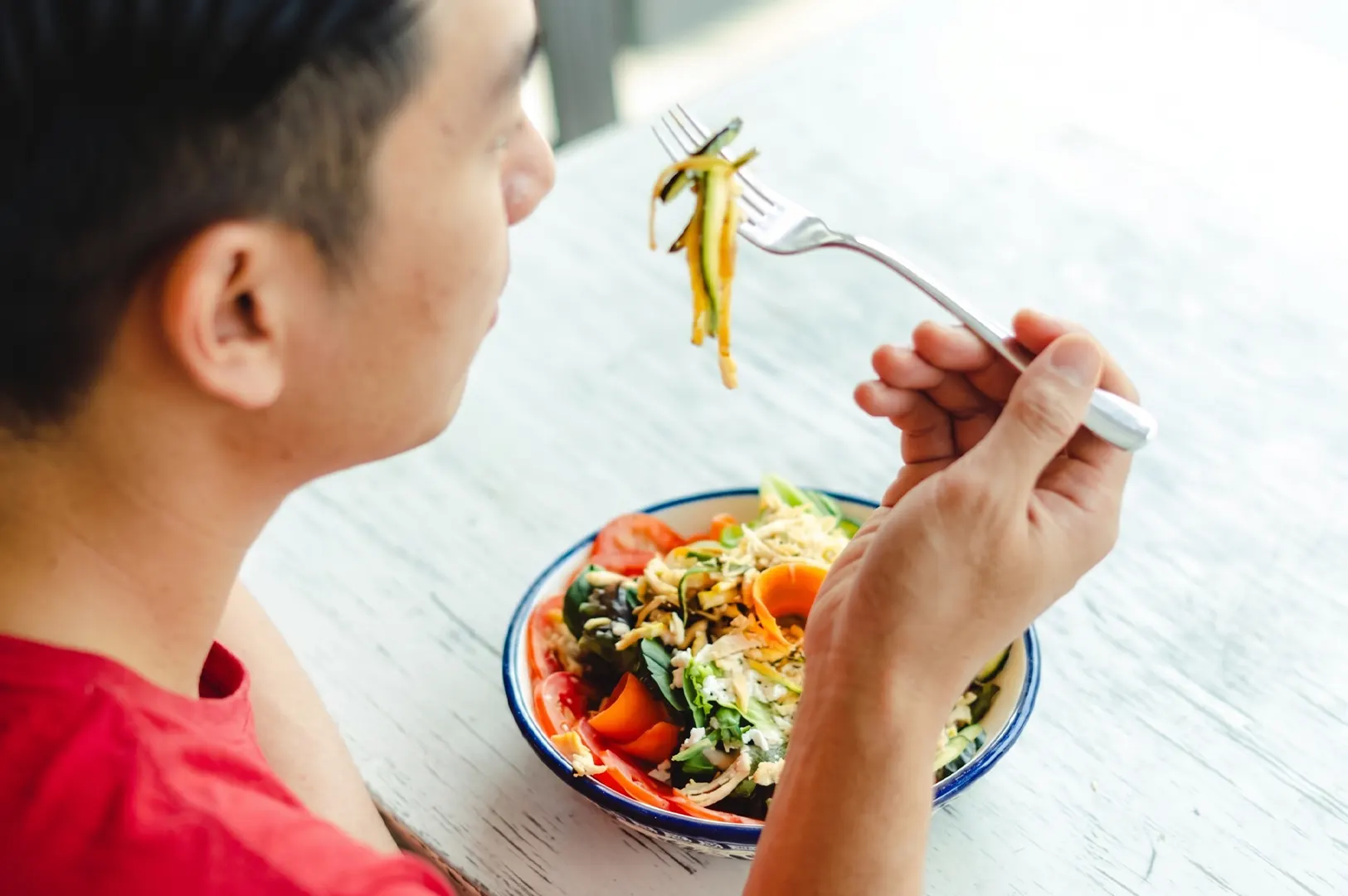
When I first decided to take my health seriously, I made a massive error. I thought the only way to succeed was to eat perfectly “clean.” I told myself that healthier food is expensive in Singapore, and I proved it by spending $15 a day on sad, unseasoned kale salads in the CBD. I completely cut out rice because I thought, “I’m afraid I’ll be hungry if I cut carbs, but I have to do it to be healthy.“
It was a total disaster. By 4:00 PM every day, I was exhausted and irritable. The social friction was awful, as I would sit at the hawker centre with my friends and eat my packed salad while staring enviously at their noodles. The inevitable rebound hit hard. One Friday night, my willpower snapped, and I found myself eating three plain pratas soaked in curry at 11:30 PM. The lesson I learned was profound. Extreme restriction always leads to extreme rebellion. You have to build a diet that includes joy and satisfaction.
Healthier SG Initiative: Nutritional Solutions That Work in Real Singapore Life
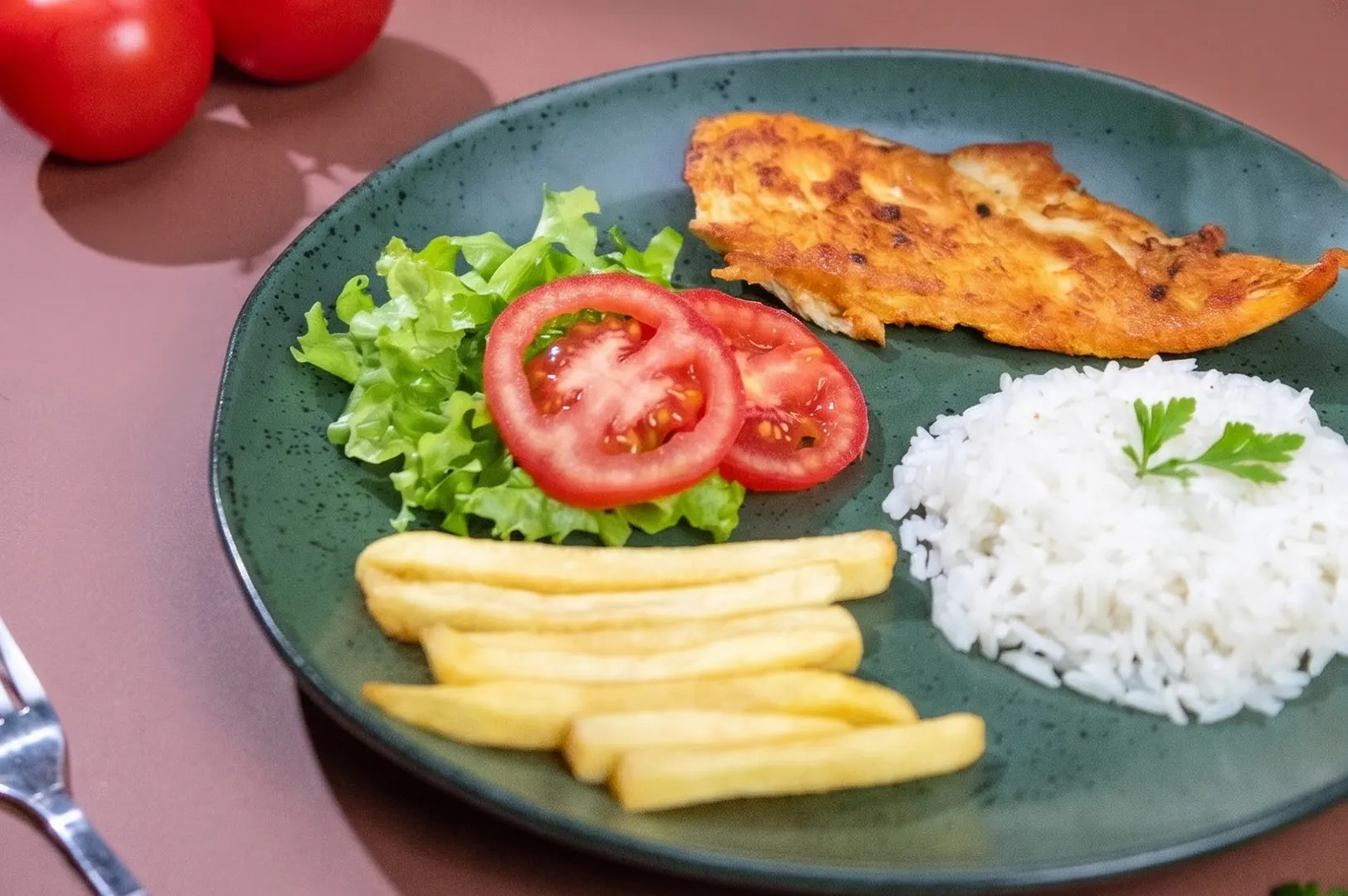
You do not need a complicated, rigid diet plan. You just need a few simple frameworks to guide your Singapore food choices. This aligns with the Healthier SG initiative’s emphasis on prevention and better health outcomes through community care and primary care.
Protein-first: Protein is the anchor of your meal. High protein meals slow down digestion and keep you satisfied for hours. Always identify your protein source before you decide on the rest of your plate.
Fiber buffer: Vegetables are not just a side dish; they are a metabolic buffer. A high fiber diet physically slows the absorption of sugars into your bloodstream.
Smarter carbs, not zero carbs: You do not have to banish rice or noodles. Simply ask for less rice, or choose complex options like brown rice when available.
Drink choices that don’t ambush you: A standard iced lemon tea or a cup of kopi can pack multiple teaspoons of sugar. Swapping these out is the fastest way to improve your health without changing your actual meal.
Bank Log In Details and Digital Tools: How Technology Supports Population Health Efforts

While making healthier food choices is crucial, the government and healthcare professionals also leverage digital platforms to support Singapore residents. For example, secure bank log in details enable residents to access subsidies and transfer money for healthcare services easily. These digital tools help with registration required for health screenings and follow up appointments, making early detection and intervention for chronic disease more accessible.
Practical Moves for the Foods Singapore Actually Eats: A Population Health Perspective
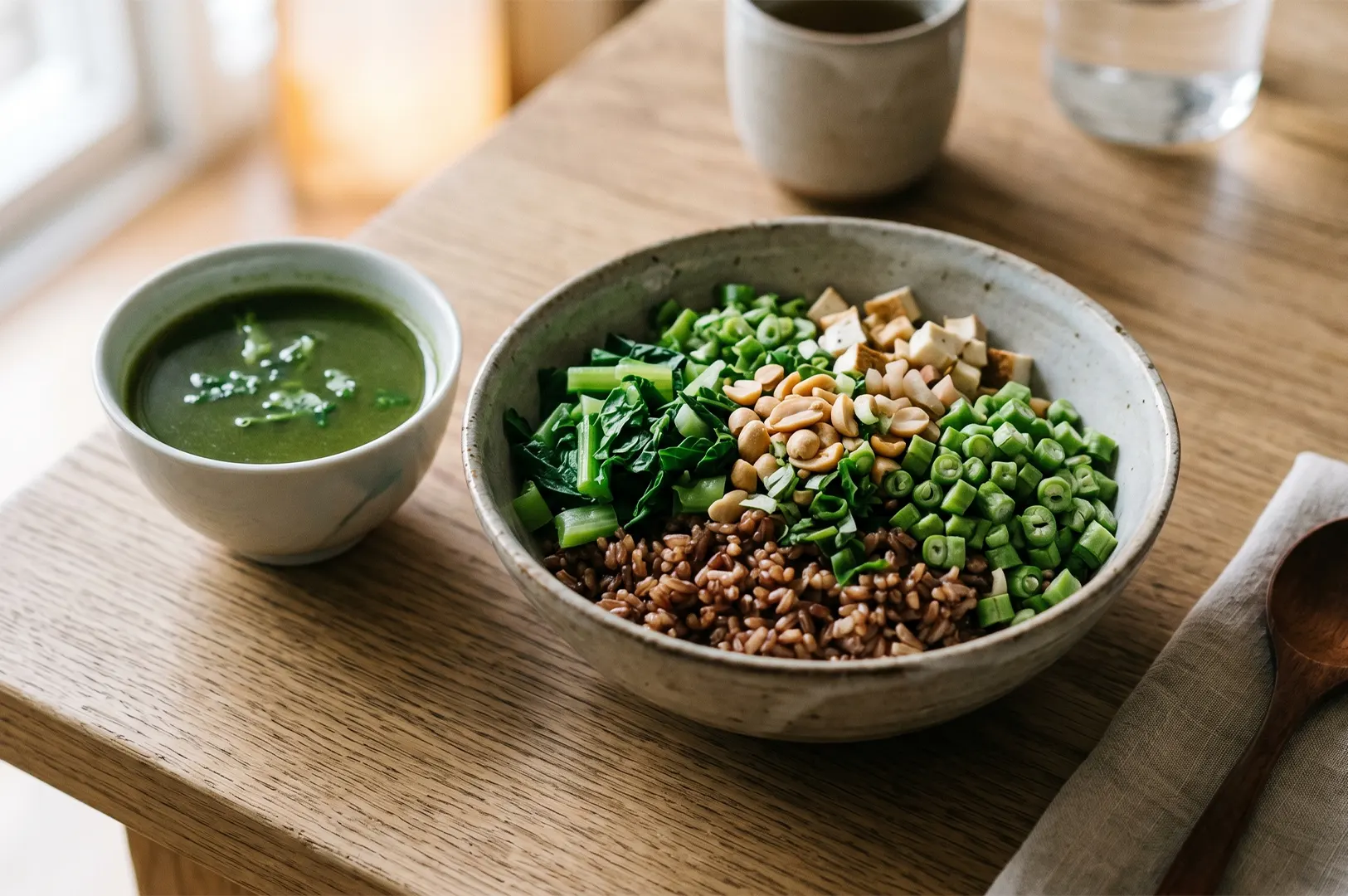
Let us get specific. Nutrition tips Singapore locals can actually use must involve real places and real prices. Here is how I navigate everyday meals with support from community partners like the People’s Association and Sport Singapore, which promote exercise regularly and healthier lifestyles.
The Cai Fan Stall near Jurong East MRT ($4.50)
Economic rice is an incredible tool for balanced meals Singapore style. I always ask for half a portion of rice to manage the carbohydrates. Then, I pick two vibrant vegetable dishes (like stir-fried broccoli and spinach) and one solid protein, such as steamed egg or braised chicken. I explicitly tell the auntie, “No curry gravy, please,” to avoid hidden calories and massive sodium spikes.
Thunder Tea Rice at Tanjong Pagar Plaza ($6.00)**
This is one of my absolute favorite lunches. Lei Cha is naturally packed with antioxidants, nuts, and finely chopped greens. It provides an incredible fiber buffer. I opt for brown rice instead of white, ensuring my blood sugar remains steady all afternoon.
Yong Tau Foo at a Bugis Junction Food Court ($6.50)**
Yong Tau Foo is brilliant because you control exactly what goes into your bowl. I skip the deep-fried items and the processed hotdogs. Instead, I load up on leafy greens, bitter gourd, and tofu stuffed with fish paste. I choose the clear broth over the thick laksa gravy, instantly saving hundreds of empty calories.
The Supermarket Run: FairPrice Finest in Tampines
People often tell me, “I don’t have time to meal prep.” You do not need to cook elaborate meals to succeed. On a weekend grocery run at FairPrice, I grab pre-cooked edamame ($3.50) and a bag of unsalted roasted almonds ($5.90) instead of potato chips. Having these high-protein, high-fiber snacks easily accessible in your pantry takes zero prep time and completely stops mindless evening snacking.
Tobacco Use and Other Risks: Addressing the Global Burden of Disease in Singapore
Singapore’s health challenges extend beyond diet. Tobacco use remains a significant risk factor for lung cancers, cardiovascular diseases, and other chronic diseases. The Ministry of Health continues to emphasize smoking cessation programs and screening initiatives to reduce the proportion of residents at higher risk. These efforts, supported by healthcare professionals and general practitioners, aim to improve health outcomes and reduce the global burden of disease.
Active Ageing Centres and Community Care: Supporting Seniors and Families for Better Health
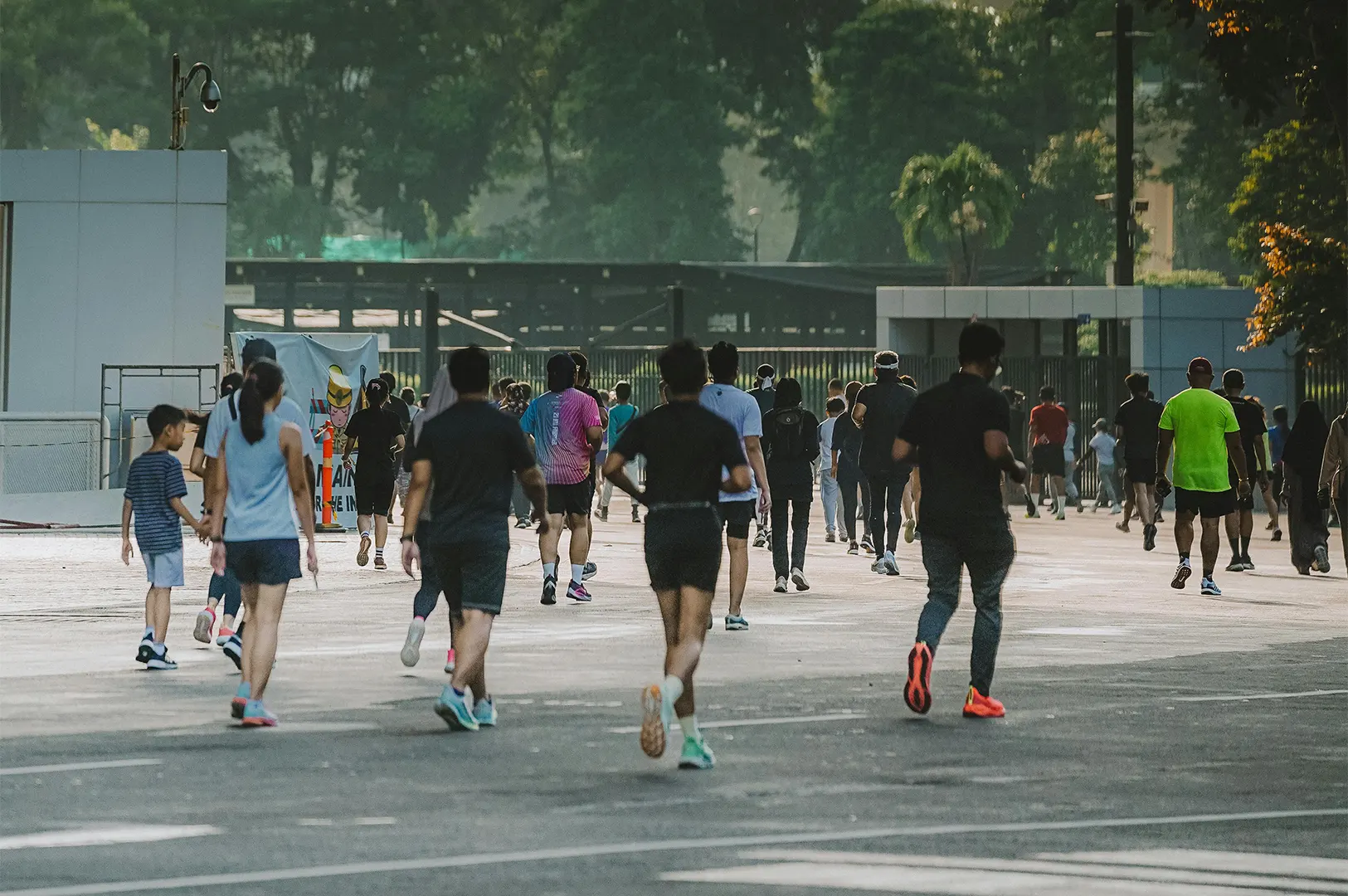
The government has placed strong emphasis on community care through active ageing centres, which provide seniors with opportunities to exercise regularly, socialize, and access healthcare services. Family doctors and general practitioners work closely with these centres and community partners to ensure seniors and other vulnerable groups receive affordable, comprehensive care. This integrated approach supports mental health and wellbeing, reducing hospital admissions and improving quality of life.
How to Make Better Choices at Hawker Centres Without Killing Joy: A Health Singapore Call to Action
A client once told me, “I eat out all the time, so what’s the point?” The point is that you have the power to upgrade your meals no matter where you are. In my experience, the hardest part of healthier hawker food is the queue pressure. When you are standing in line with three friends who are all ordering fried chicken cutlets, it takes a moment of courage to choose differently.
Here are a few swap ideas that feel entirely realistic:
Swap your standard Kopi for a Kopi O Kosong (black coffee, no sugar) or Kopi C Siew Dai (evaporated milk, less sugar).
Swap a thick, starchy gravy for a clear soup base.
Swap deep-fried tofu for steamed or braised silken tofu.
Instead of entirely skipping your favorite chicken rice, simply ask for “less rice, more cucumber, and add a side of steamed greens.”
The Quiet Game-Changers People Ignore: Sleep, Stress, and Follow Up in Healthier SG

We obsess over what is on our plates but often ignore the broader context of our lives. The Healthier SG initiative encourages regular follow up with family doctors and healthcare professionals to manage chronic disease and mental health concerns. Poor sleep and chronic stress can worsen health risks such as obesity, diabetes, and hypertension. Addressing these factors through community care and support networks is essential for better health outcomes.
A Simple "Next Meal" Reset You Can Do Today: Embracing Healthier Options for Better Health
Sometimes I hear people say, “My family member won’t eat ‘healthy’, so I just eat what they eat.” You do not have to force your family to change their entire lifestyle. You only need to manage your own plate.
At your very next meal, try this simple reset. Visually divide your plate. Fill half of it with whatever vegetables are available. Dedicate a quarter of the plate to a protein source, and leave the last quarter for your rice or noodles. Drink a glass of plain water or unsweetened tea alongside it. You do not need to count a single calorie to see massive benefits from this visual strategy.
Healthy eating does not require perfection; it requires consistency. You do not have to give up the immense joy of eating in this incredible city. Start by making just one small, positive change at your very next meal. Trust me, your future self will thank you for it.
If you’re looking for a restaurant that is diverse menu and has a clean and green environment just visit Healthyfoodguide.com for a more comprehensive look.