For years, I assumed every Japanese meal was healthy—sushi, ramen, all of it. But after a heavy tonkotsu ramen lunch left me bloated and sluggish, I realized Japanese food in Singapore isn’t automatically healthy. The good news? It’s one of the easiest cuisines to enjoy healthily once you know what to look for. This guide will help you order smarter, whether at a casual takeaway or a high-end omakase.
Why the Traditional Japanese Diet Is Renowned for Health
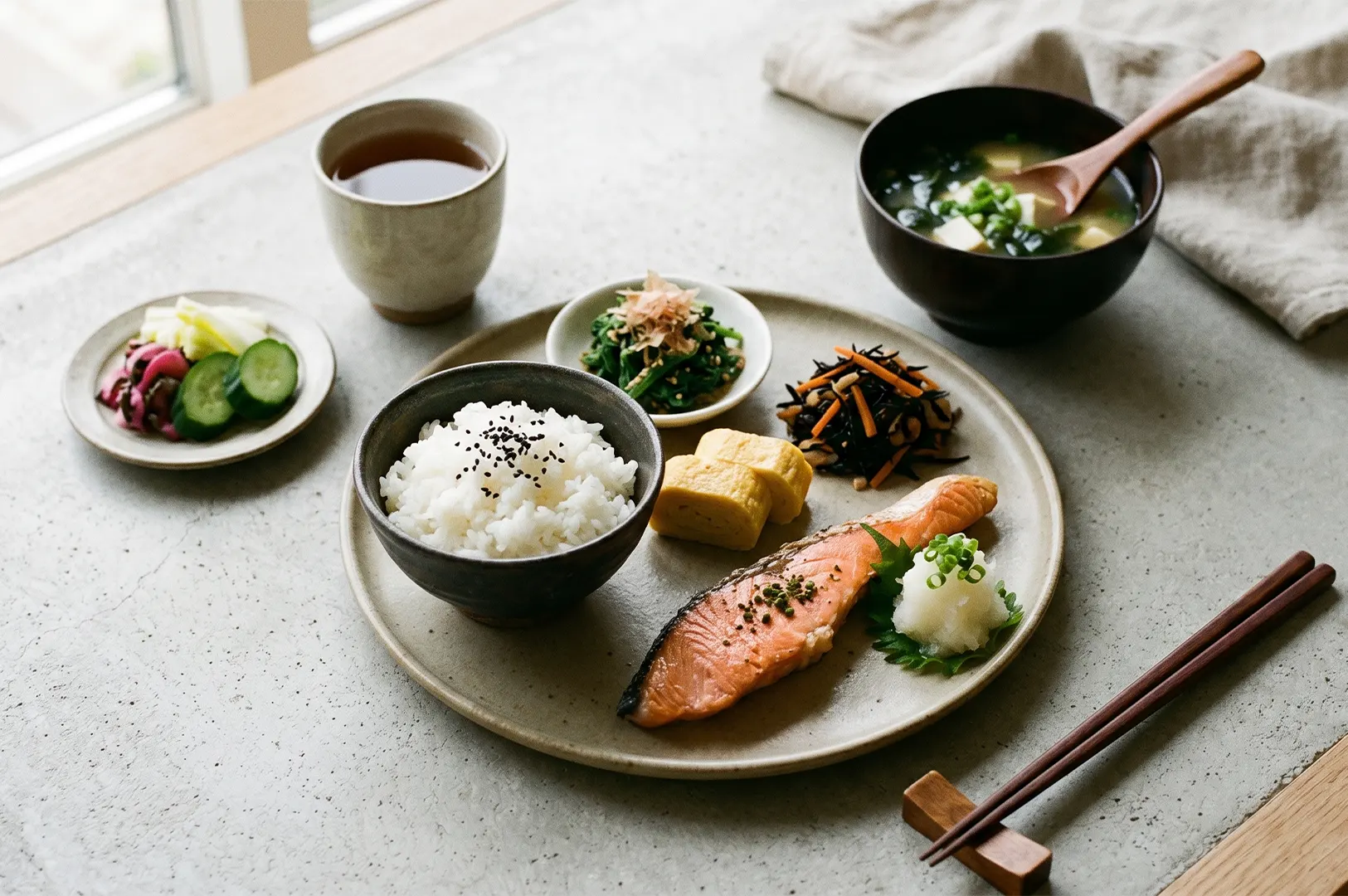
The traditional Japanese diet, or washoku, is celebrated worldwide for its balance and nutrient density. Most Japanese people eat meals centered on fish, rice, fresh vegetables, sea vegetables, soy products like tofu and fermented soybeans (e.g., miso, natto), pickled vegetables, and lightly cooked dishes. These whole foods and plant-based foods provide numerous health benefits, including dietary fiber, folic acid, vitamin C, and protein, with minimal reliance on red meat and processed foods.
This diet emphasizes small portions and the principle of hara hachi bu, eating until 80% full, which supports weight loss and overall health. The nutrient-rich meals aid digestion and promote bone health, heart disease prevention, and a strong immune system. Green tea, a staple drink in Japanese culture, adds antioxidants that further protect cells.
The Sodium Challenge in Japanese Cuisine
Despite its healthful foundation, Japanese food can be deceptively high in sodium. Soy sauce, miso, ramen broth, teriyaki glaze, and pickled vegetables all contribute significant salt. In Singapore, where many already exceed recommended sodium limits, this can be a hidden health risk. For example, ramen broth is often the largest sodium culprit; leaving it unfinished is a simple way to reduce intake.
Judging a Balanced Japanese Meal
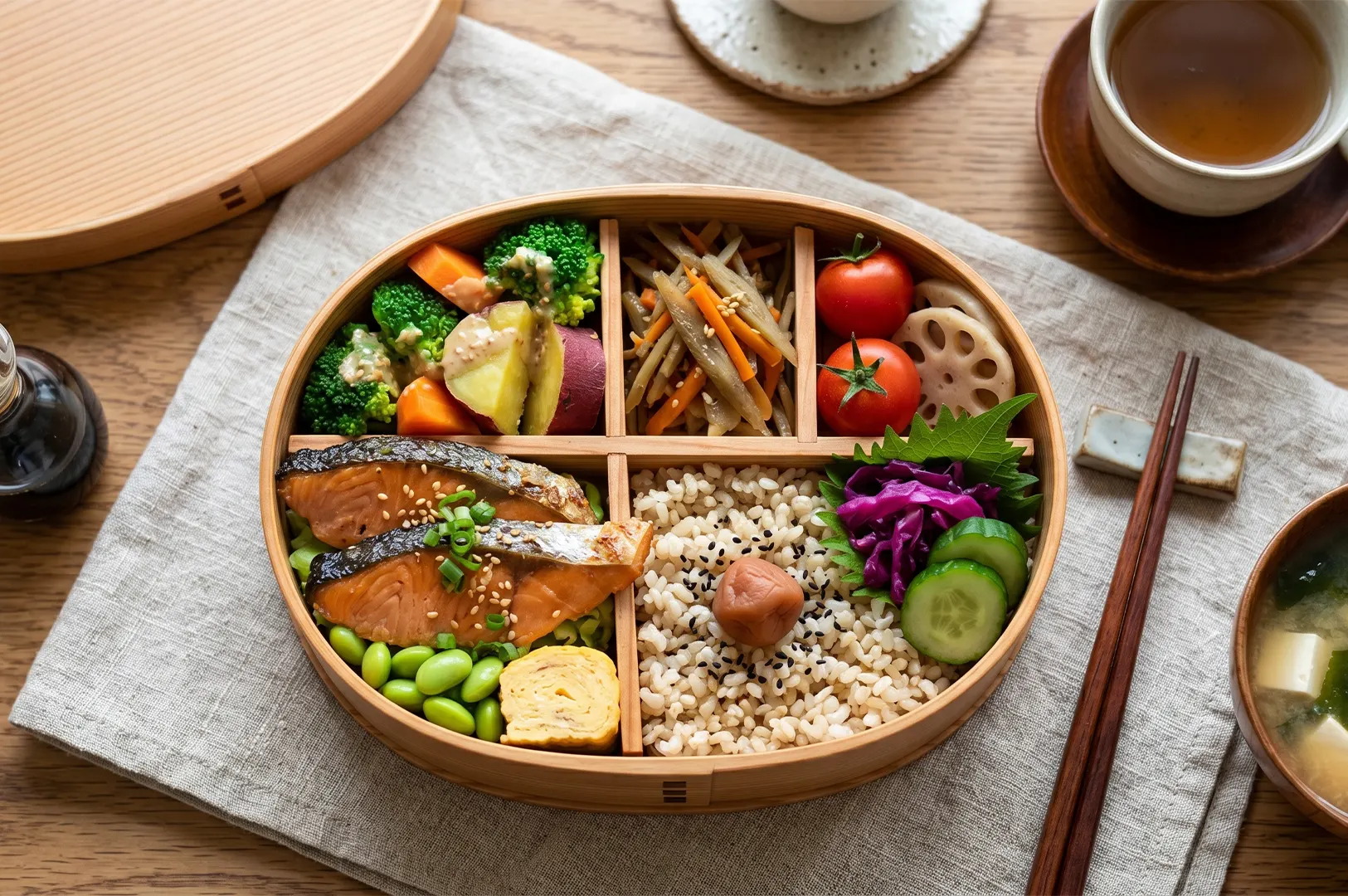
A balanced meal in Japanese cuisine follows a simple mental rule: half the plate with fresh vegetables or fruit, a quarter with protein (fish, tofu, or lean meat), and a quarter with staple foods like rice or soba noodles. Many Japanese meals, especially in Singapore, tend to be heavy on rice or noodles and light on vegetables, so consciously adding vegetable sides is key.
Meal Type | Main Protein | Carbohydrates | Vegetables & Sides | Notes |
|---|---|---|---|---|
Grilled Fish Bento | Grilled saba or salmon | Small portion of rice | Edamame, seaweed salad, pickled veggies | Balanced protein, fiber, and antioxidants |
Sashimi Set | Assorted raw fish | Small portion of rice | Spinach goma-ae, miso soup | High protein, low carb, fermented foods |
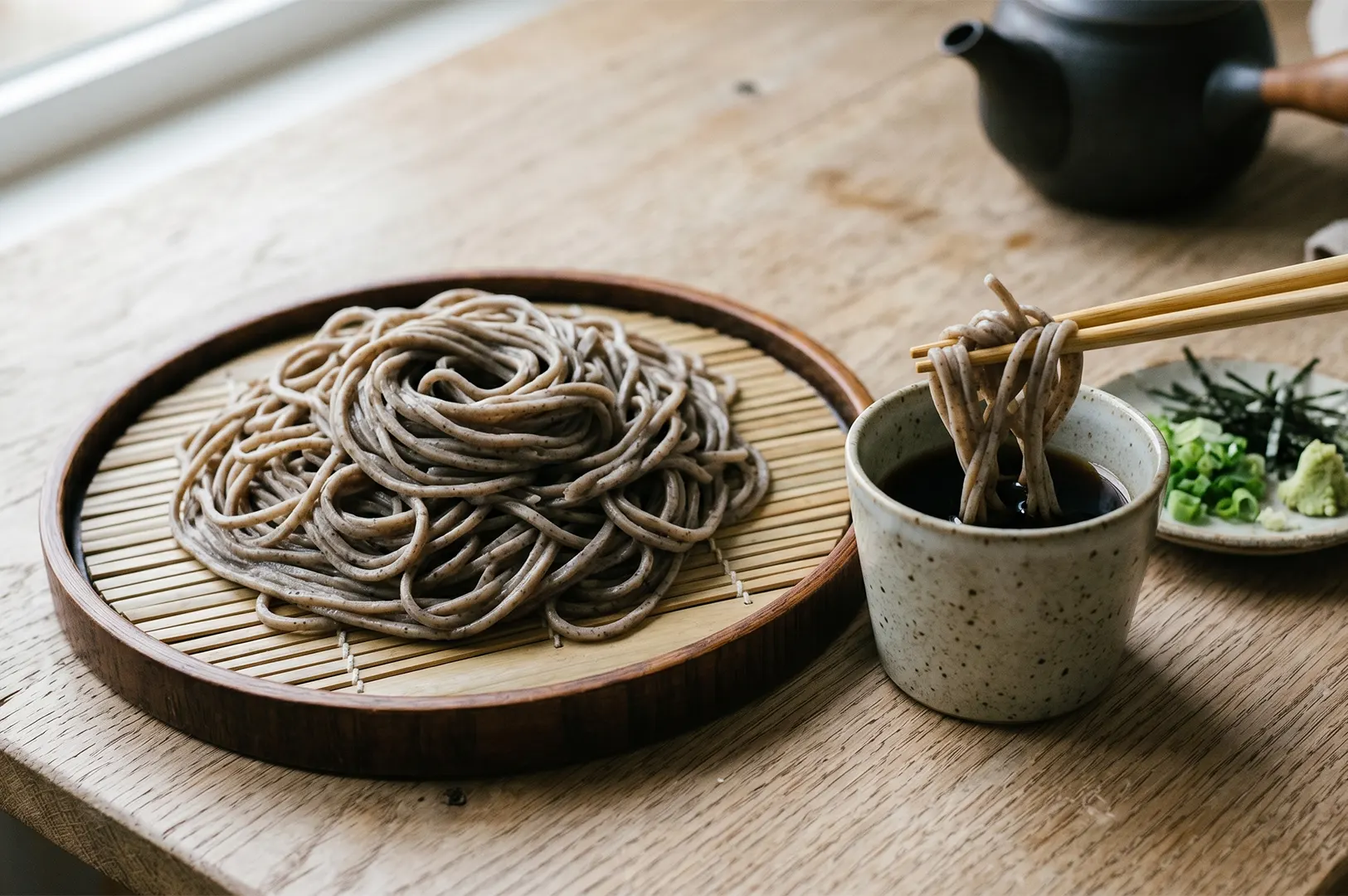
Soba Noodle Bowl | Buckwheat soba noodles | Soba noodles | Wakame seaweed, green onions, tempura bits (optional) | Nutrient-rich noodles, vegetable toppings |
Chawanmushi & Tofu | Steamed egg custard, tofu | Small rice or none | Spinach, shiitake mushrooms | Light, protein-rich, low in calories |
Vegetable & Natto Set | Natto and tofu | Rice | Pickled vegetables, miso soup | High in probiotics and fiber |
For more insights on the health benefits of traditional Japanese soups, visit Japanese Dining’s detailed guide.
Five Steps to Healthier Japanese Food Choices
1. Choose Cooking Methods Wisely
Opt for grilled, steamed, simmered, or raw dishes, such as salmon shioyaki, grilled saba, sashimi, or chawanmushi. Avoid fried foods like tempura, katsu, karaage, and heavily sauced dishes, which add unhealthy fats and calories.
2. Control Carbohydrate Portions
Rice is a staple food in Japan, but smaller portions paired with protein and vegetables are healthier. Choose soba noodles made from buckwheat over ramen noodles made from wheat flour, as soba offers more nutrients and less processing. Rice balls (onigiri) with pickled vegetables or umeboshi (pickled plums) are good examples of balanced snacks.
3. Manage Sauces and Condiments
Soy sauce and teriyaki glazes are delicious but high in sodium and sugar. Dip sushi lightly, ask for sauces on the side, and avoid heavy mayo or sweet sauces to keep meals lighter.
4. Add Vegetables Intentionally
Order sides like edamame, seaweed salad, spinach goma-ae, or cold tofu to increase fresh vegetable intake. These provide dietary fiber and aid digestion, while fermented foods like miso and natto support gut health and provide probiotics.
5. Choose Drinks Carefully
Stick to water or unsweetened green tea to avoid added sugars. Sweetened bottled teas and soft drinks can quickly add unnecessary calories and sugar to your meal.
Discovering Japanese Food Places in Orchard Plaza
Orchard Plaza is known for its wide array of Japanese dining options, offering something for every taste. From traditional dishes to modern twists, this food hub features numerous restaurants where you can enjoy authentic Japanese cuisine in Singapore.
To learn more about the rise of Orchard Plaza as a staple in Singapore’s Japanese food scene, check out this detailed article on Japanese food places in Orchard Plaza. It’s a great resource for discovering where to find balanced, delicious Japanese meals in the heart of the city, especially compared to fast food options common in western countries.
Japanese Omakase and the Sense of Balance
Japanese omakase dining epitomizes the traditional Japanese food philosophy, emphasizing balance and seasonality. In an omakase meal, chefs carefully select a series of small, artfully prepared dishes that showcase fresh, minimally processed ingredients. This approach aligns with the washoku principle of ichiju sansai, or “one soup, three dishes,” promoting variety and harmony in flavors and nutrients.
Omakase meals often include fish, vegetables, and small amounts of animal products, reflecting the traditional Japanese diet’s focus on nutrient density and portion control. The sense of balance in omakase not only enhances the dining experience but also supports health by offering a thoughtfully curated set meal that respects the natural flavors and nutritional benefits of each ingredient.
For those interested in exploring more casual yet health-conscious Japanese dining, the vibrant izakaya scene offers a variety of flavorful options that marry indulgence with mindful eating, as highlighted in this guide to the best izakayas in town.
Common Ordering Mistakes to Avoid
Assuming sushi is low-carb: Most sushi includes vinegared white rice, which adds sugar and calories.
Treating miso soup as a free health food: It’s fermented and nutritious but also salty.
Drinking all ramen broth: High in sodium, it’s better to leave most behind.
Defaulting to teriyaki: This sweet soy glaze adds sugar; shioyaki (salt-grilled) is a healthier choice.
Adding fried sides automatically: Share tempura, karaage, or gyoza rather than ordering individually.
The Health Benefits Rooted in Traditional Japanese Cuisine
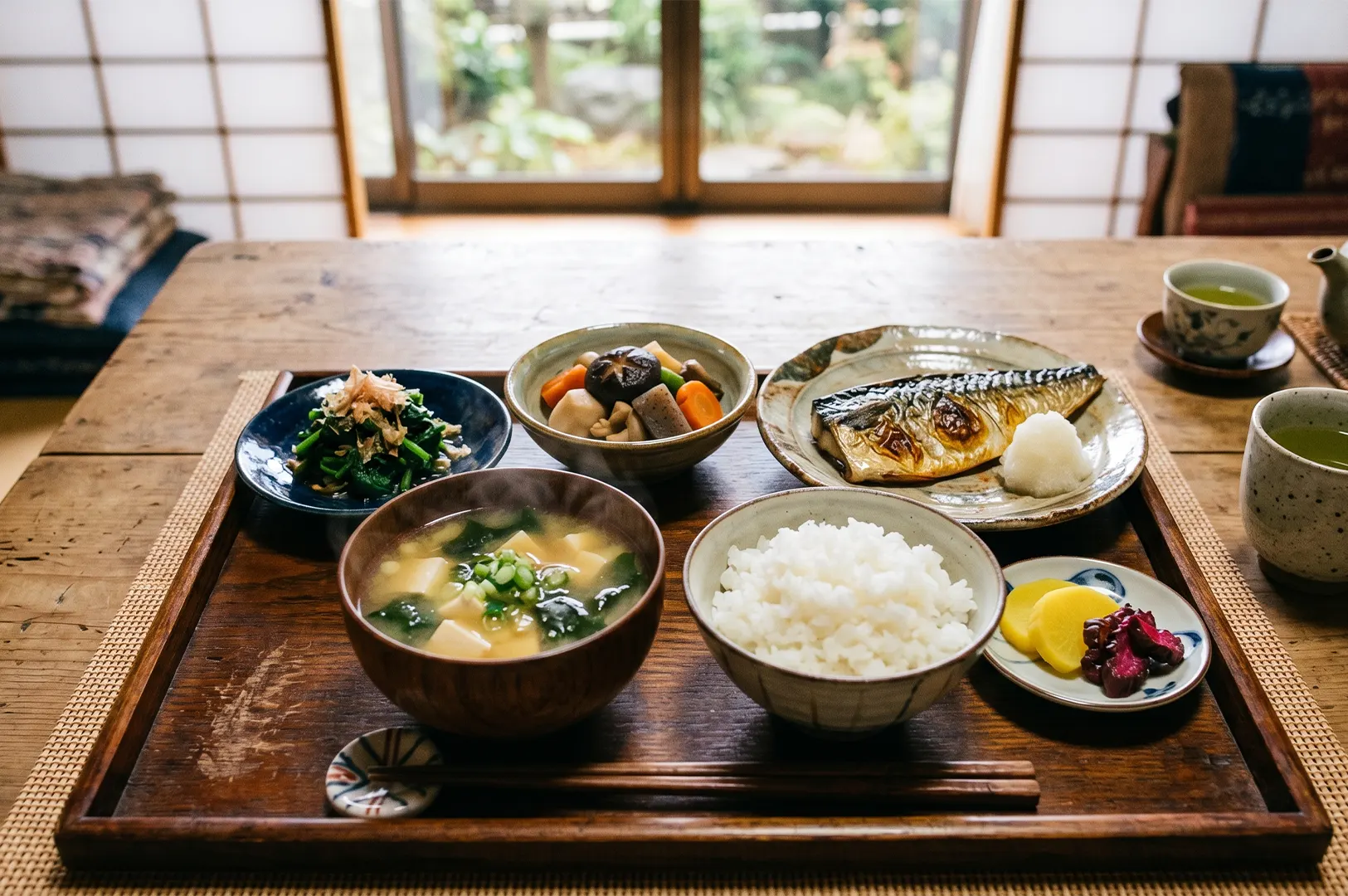
A key factor behind the health reputation of Japanese food is the power of umami, which enhances flavor without heavy reliance on fats or salt. The traditional Japanese diet, known as washoku, emphasizes small portions, fresh and seasonal ingredients, and minimal processing, which helps eliminate hidden sugars and unhealthy additives. This diet is naturally low in saturated fats and red meat, reducing the risk of chronic illnesses.
I learned that high consumption of fish provides essential omega-3 fatty acids that support cardiovascular health by lowering triglycerides. Fermented foods like miso and natto contribute probiotics that promote gut health, while ingredients such as green tea and seaweed deliver antioxidants that protect against cellular damage. Unique superfoods like umeboshi help combat physical fatigue and enhance calcium absorption.
Japan’s focus on balanced, nutrient-dense meals with a variety of smaller dishes—often following the ichiju sansai rule of “one soup, three dishes”—supports satiety and longevity. This traditional approach contributes significantly to Japan’s ranking as the second highest in global life expectancy at 85 years.
Frequently Asked Questions
Is sushi healthy?
Simple sushi like sashimi, nigiri, and cucumber maki are healthy. Avoid rolls with mayo, fried fillings, or sweet sauces.
Is ramen unhealthy?
Ramen, especially tonkotsu and miso, is high in sodium and calories. Enjoy occasionally, control portion size, and add vegetables.
Is sashimi safe?
Sashimi is rich in protein and omega-3 fats but requires careful sourcing to avoid foodborne illness. Vulnerable groups should opt for cooked dishes.
Is Japanese food good for weight loss?
Yes, when meals focus on lean protein, fresh vegetables, soup, and controlled rice portions.
Are vegetarian options available?
Yes, but watch for dashi broth, often fish-based. Cold tofu, edamame, and vegetable sides are safer vegetarian choices.
The Honest Takeaway
Is Japanese food healthy? The traditional Japanese diet is among the healthiest worldwide due to its emphasis on whole foods, fresh ingredients, fermented food, and balanced meals with small portions. However, modern Japanese cuisine, especially in Singapore, includes many processed foods, fried dishes, and high-sodium sauces that can undermine health.
By understanding Japanese culture’s focus on balance and nutrient density, and by making mindful choices; grilled over fried, smaller rice portions, sauce on the side, vegetable-rich sides, and water or green tea, you can enjoy Japanese food that supports your health. Small changes like leaving ramen broth or asking for less rice can have a big impact over time.
Japanese cuisine offers a wide variety of dishes, so with intention and knowledge, it’s one of the most adaptable cuisines for healthy eating in Singapore and beyond.