Deepavali has just passed in Singapore, and if there is one thing I associate with the celebration besides lights, visiting and brightly decorated homes, it is the snack table.
Murukku, laddu, burfi, nuts and all kinds of savoury bites seem to appear within arm’s reach. I am very happy about this.
Festive food sometimes gets discussed as if it falls into two categories: healthy or unhealthy. I think that misses the point. A lot of traditional Deepavali snacks contain ingredients that offer real nutritional value. What matters more is how they are made, how much I am eating and what the rest of my day looks like.
Take nuts, for example. Cashews, almonds and other nuts often show up in festive snack bowls or sweets. They provide unsaturated fats, protein and other nutrients. Singapore’s Health Promotion Board actually recommends baked or unsalted nuts as a more nutritious festive snack option compared with heavily salted, fried or sweetened versions.
Then there is laddu, which is really a broad family of sweets rather than one recipe. Some versions use besan, or chickpea flour. Chickpeas are naturally a source of plant protein, fibre, folate and iron, which gives the base ingredient more nutritional value than I might expect from something sitting on a dessert tray.
Of course, that does not make laddu a salad. Many recipes also contain sugar and ghee, so I still treat it as a sweet and enjoy it accordingly.
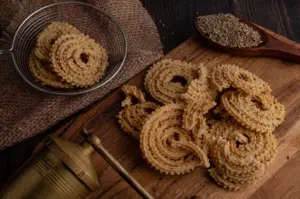
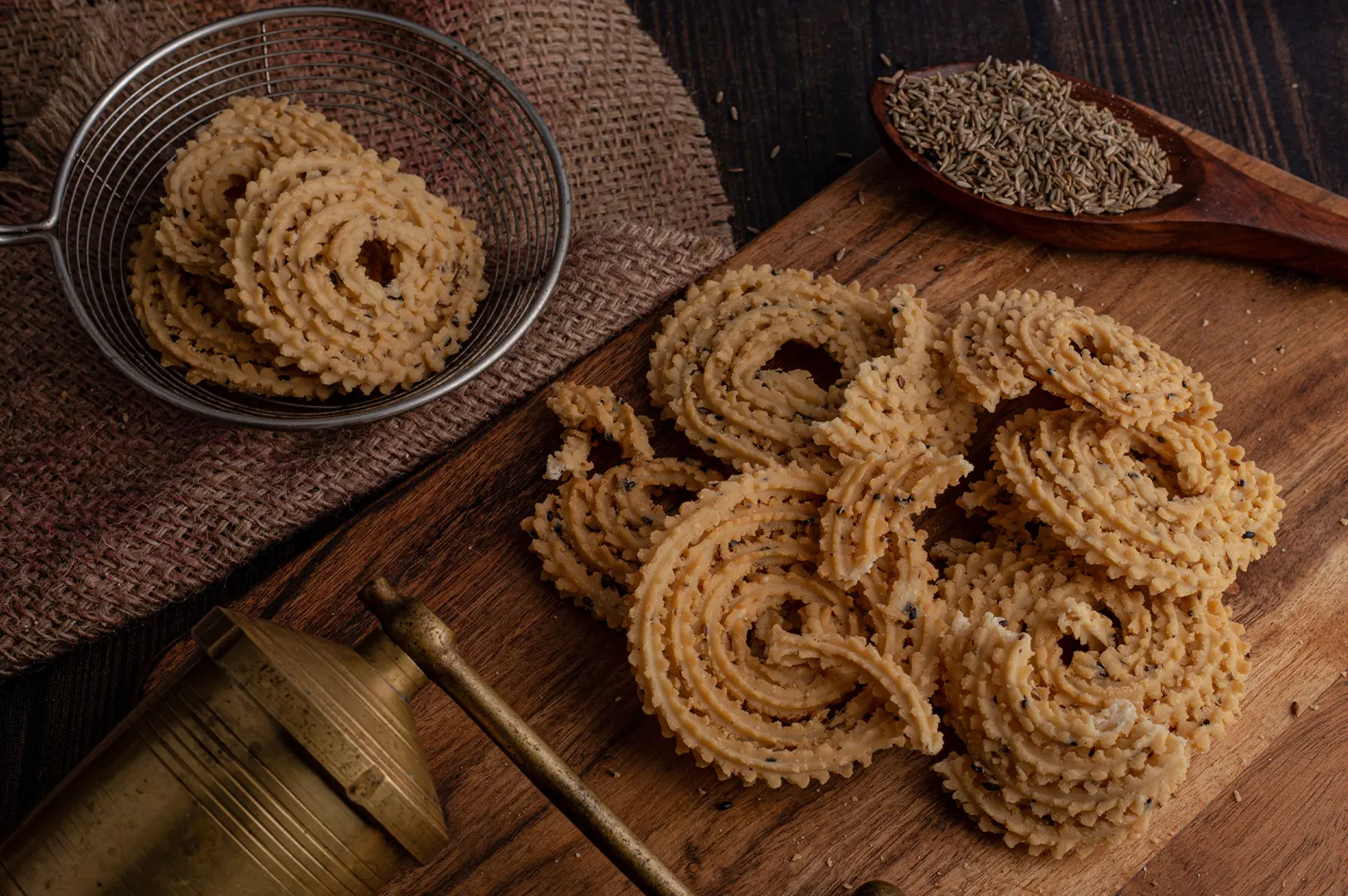
Murukku is another snack I would never want to remove from the celebration in the name of healthy eating. The classic crunchy version is usually fried, which is part of why it tastes so good. But if I am making it at home, baking or air-frying can be an easy way to reduce how much oil goes into the final snack. HealthHub recommends this approach for Deepavali cooking, along with using less salt where possible.
Burfi also has more flexibility than I used to realise. Traditional versions can be rich in sugar, milk and sometimes nuts, but homemade recipes give me control over sweetness. HealthHub suggests reducing added sugar and using ingredients such as dates or figs in some recipes, while reminding us that naturally derived sweeteners still count as sugar.
That last point is probably what I like most about approaching festive food this way. I do not need to pretend sweets are health foods, and I do not need to feel guilty for eating them either.
I can have the murukku. I can enjoy the laddu. I can also put some roasted nuts and fruit on the table, pay attention to portions and stop when I have had enough.
Deepavali snacks do not need a wellness makeover to deserve their place in the celebration. Sometimes, understanding what is already in them, then making a few small choices around preparation and portions, is more than enough.
For more practical ways to enjoy festive food while keeping everyday nutrition in perspective, visit Healthy Food Guide.