
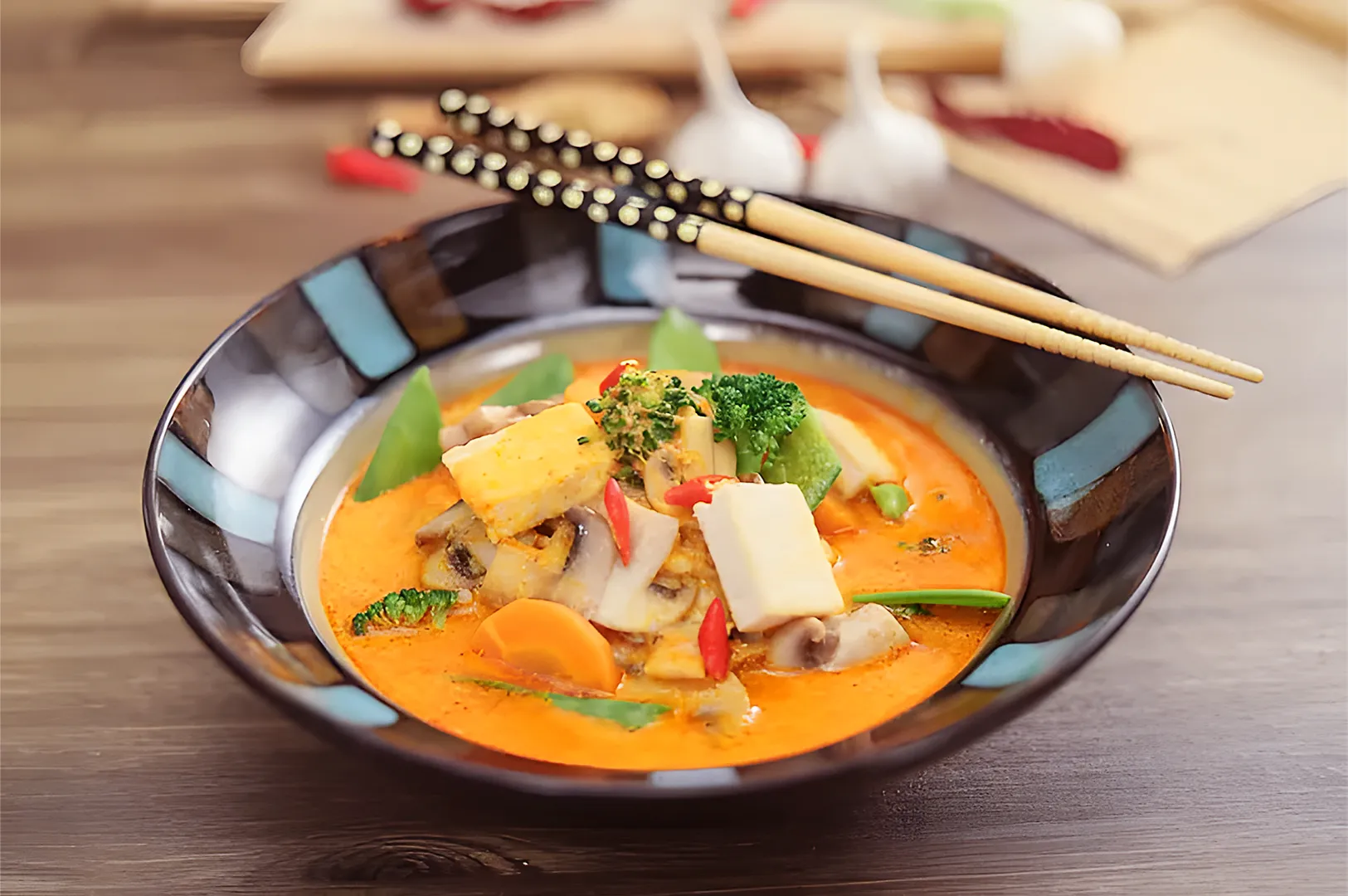
I grew up eating food that announced itself long before it hit the table. The sharp, intoxicating aroma of toasted belacan, the sweet perfume of pandan leaves, and the rich steam rising from a bowl of spicy coconut milk laksa broth are the defining scents of my childhood. Like many of us, my identity is deeply intertwined with Singapore hawker food.
For a long time, I believed that exploring a more plant-forward lifestyle meant saying goodbye to these cherished local Singapore flavours. I worried that leaving out the dried shrimp or the chicken breast would result in a pale, sad imitation of the food I loved.
But the first time I tried a masterfully crafted vegan version of laksa, my entire perspective shifted. I realized that going meatless does not mean compromising on our culinary heritage. In fact, it opens up a thrilling new world of ingredient mastery and creative cooking.
The Soul of Our Hawker Heritage: Nasi Lemak and Coconut Rice
To understand why these dishes matter, we have to look at what they represent. A plate of nasi lemak or a steaming bowl of laksa is never just a meal. It is a unifying cultural experience. These recipes are passed down through generations, representing the beautiful collision of Malay, Chinese, Indian, and Peranakan cultures across Southeast Asia. They are our ultimate comfort foods, offering solace after a long workday and bringing families together on Sunday mornings.
Common toppings for nasi lemak include roasted peanuts, crunchy fried anchovies, and slices of cucumber, which provide textural contrast and freshness. Vegan adaptations often incorporate pan-fried tempeh or tofu to replicate the protein component traditionally provided by fried chicken or eggs. These toppings not only respect the dish’s heritage but also cater to modern dietary preferences, making nasi lemak accessible to a wider audience while maintaining its iconic taste.
Redefining "Plant-Powered" Flavor: The Role of Sambal Paste and Laksa Paste
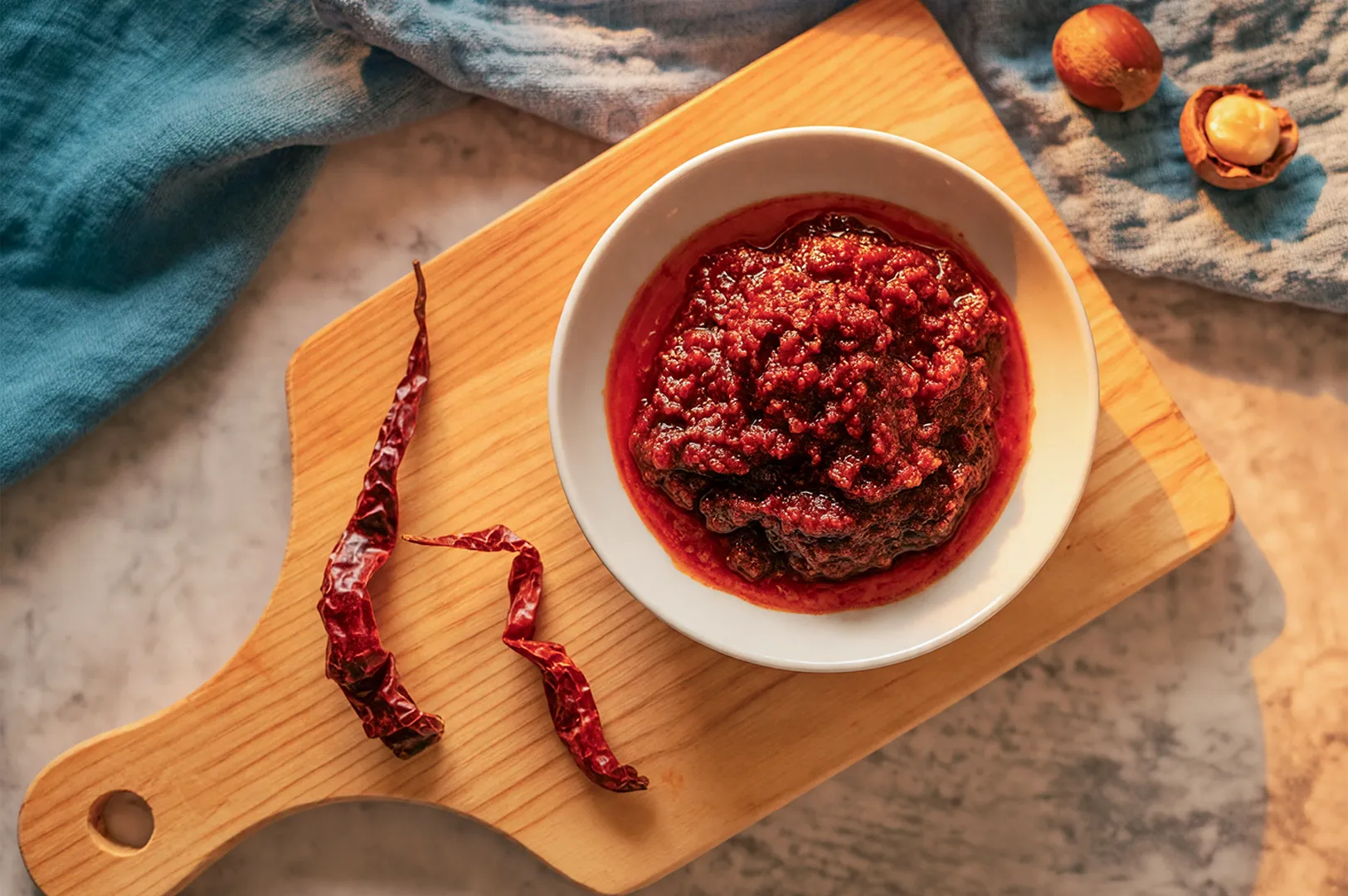
In my experience, the biggest misconception about vegan Asian food is that it relies on highly processed, uninspiring substitutes. True plant-powered cooking is the exact opposite of a “sad substitute.” It requires a deep understanding of food science, smarter techniques, and layered seasoning.
Creating a robust plant-based dish is an exercise in ingredient mastery. It is about understanding exactly what makes a dish sing. Are we craving the umami of fermented seafood like dried shrimp, the crunch of fried anchovies or crispy fried shallots, or the slow-burning heat of a good chilli paste or thick sambal? Once we identify those core flavor profiles, we can use the incredible bounty of the plant kingdom and commonly found toppings such as fried tofu puffs, rice vermicelli noodles, and bean sprouts to replicate and even elevate them.
Pro Tip: To deepen the umami flavor in plant-based laksa or nasi lemak, toast “all the seeds” such as coriander and cumin before grinding them into your spice paste. This releases essential oils and enhances the aromatic complexity, making your dish pleasantly surprised with layers of flavor that rival traditional versions.
Decoding Plant-Based Laksa: Crafting the Perfect Laksa Broth and Soup Base
A truly great laksa lives and dies by its broth. Traditionally, that unforgettable depth comes from dried shrimp and prawn paste pounded into the rempah (spice paste). Taking those out might seem like a recipe for disaster, but the plant kingdom offers incredible alternatives for building umami.
To create a spectacular vegan laksa Singapore diners will actually respect, we have to layer savory notes strategically. I love using a blend of rehydrated shiitake mushrooms seasoned with mushroom seasoning and kelp (kombu) to create a deeply savory seafood-like chicken stock substitute. A spoonful of fermented soybean paste or miso can seamlessly replace the funkiness of prawn paste in the laksa paste.
When you fry this customized spice paste in flavoured oil over medium heat until the oil starts to separate or pecah minyak, stirring frequently in a large saucepan, then pour in rich, dairy-free coconut milk, magic happens. The broth becomes fiery, fragrant, and incredibly complex.
My tip: Top it with spongy deep fried tofu, tofu puffs, fish cakes, shredded chicken (or vegan substitutes), fresh laksa leaves, bean sprouts, and a dollop of homemade sambal made from dried chilies, gula melaka, tamarind paste, and sour asam.
The result is a plant-based laksa that hits every single comforting note you crave, proving that depth of flavor comes from technique, not just animal proteins.
Reimagining Plant-Based Nasi Lemak: From Jasmine Rice to Crispy Toppings
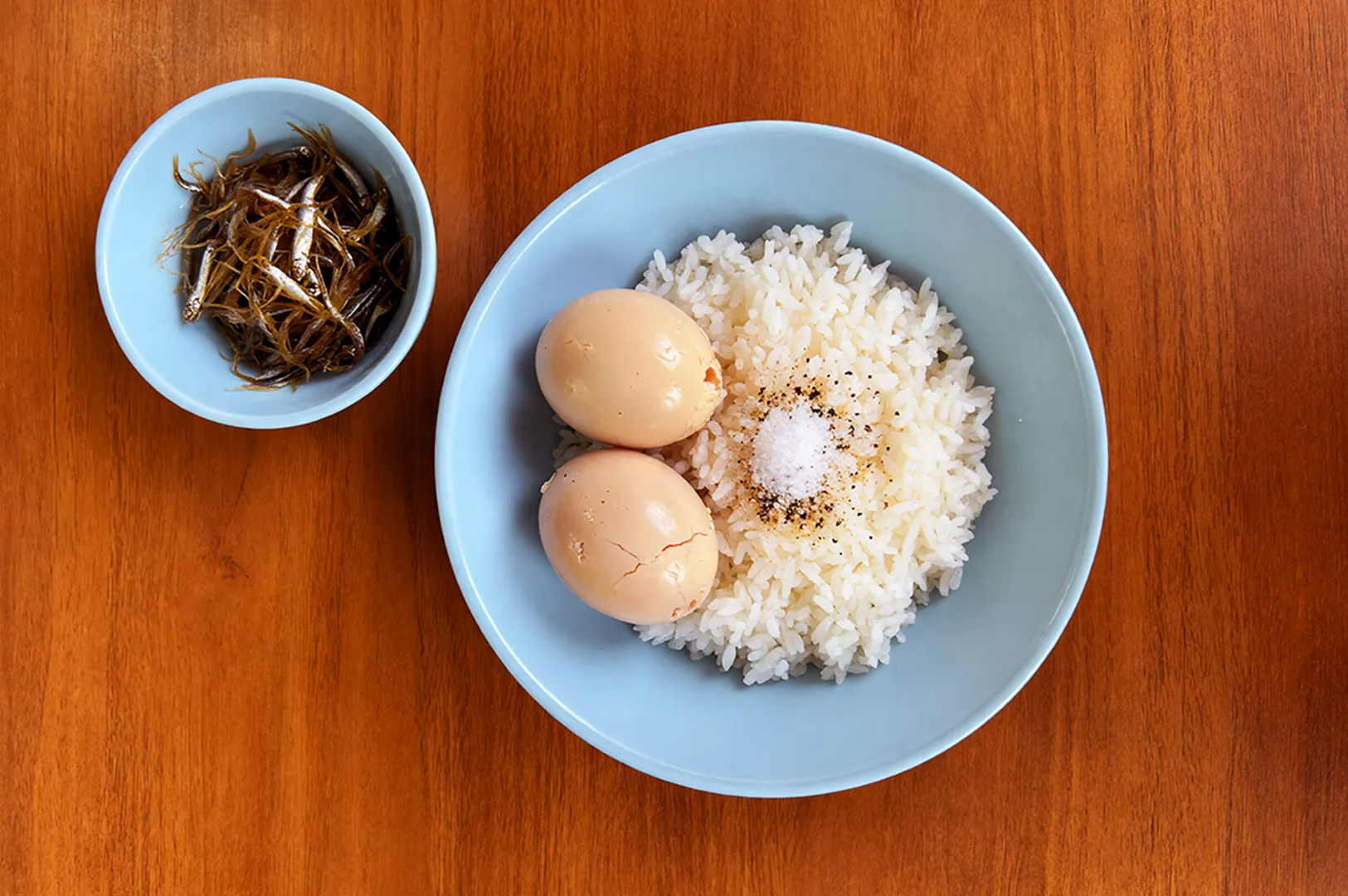
Nasi lemak translates to “rich rice,” and for me, getting that foundation right is non-negotiable. Perfecting plant-based nasi lemak starts with the coconut rice. I simmer high-quality jasmine rice with fresh coconut cream, pandan leaves, lemongrass, ginger, and a pinch of salt in my rice cooker to achieve that glorious, unmistakable fragrance.
The next hurdle I face is the sambal paste. Traditional nasi lemak sambal relies heavily on ikan bilis (anchovies) for its sweet, spicy, and salty kick. To build a vegan nasi lemak sambal, I cook deeply caramelized yellow onions and garlic over medium low heat until the onions start to turn golden brown.
Slowly cooking red onions down until they are jammy and sweet provides the perfect base. Then, I add finely minced mushrooms or even crushed seaweed to introduce that essential taste of the ocean.
Finally, I focus on the textural contrast. I toss roasted peanuts or fried peanuts with crispy toasted coconut flakes or thinly sliced, pan-fried tempeh and fried tofu. I pair this with refreshing cucumber slices and a piece of spiced, grilled tofu or hard boiled eggs seasoned with black salt in place of the usual fried chicken or egg. The resulting plate offers me the exact same rich, textural joy as the original.
The Nutrition Equation: Balancing Saturated Fat and Enhancing Taste
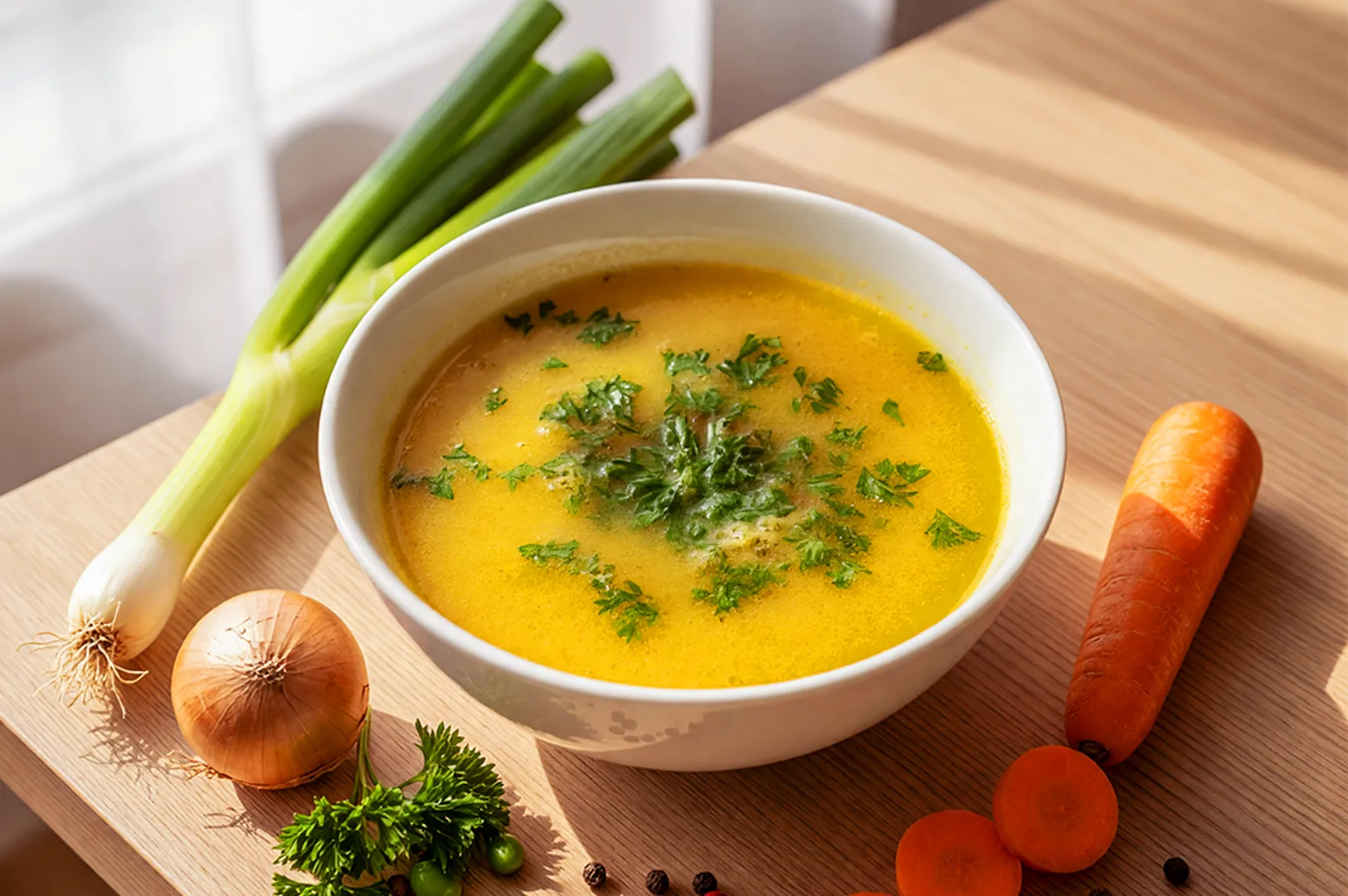
One of the greatest benefits of exploring healthier swaps in our local cuisine is the opportunity to optimize our nutrition. While coconut milk is a staple in both laksa and nasi lemak, it is high in saturated fat. By enjoying these dishes mindfully and occasionally diluting the coconut base with a lighter unsweetened soy or oat milk, we can maintain the creamy mouthfeel while balancing our fat intake.
Going plant-based naturally boosts our dietary fiber and vitamin C intake. By incorporating ingredients like tempeh, edamame, and generous servings of vegetables, we easily meet our daily fiber and protein goals. It is also crucial to keep an eye on sodium. Hawker broths and chilli pastes can be incredibly salty.
When cooking at home, you control the salt and fish sauce, allowing you to build flavor through toasted spices, lime juice, and aromatics rather than relying entirely on sodium or taste enhancers. Ultimately, it all comes down to portion balance.
You can absolutely enjoy a rich, creamy bowl of coconut broth; just balance it with plenty of fresh greens and lean plant proteins.
Honoring Authenticity Through Evolution: Embracing Laksa Paste and Homemade Sambal
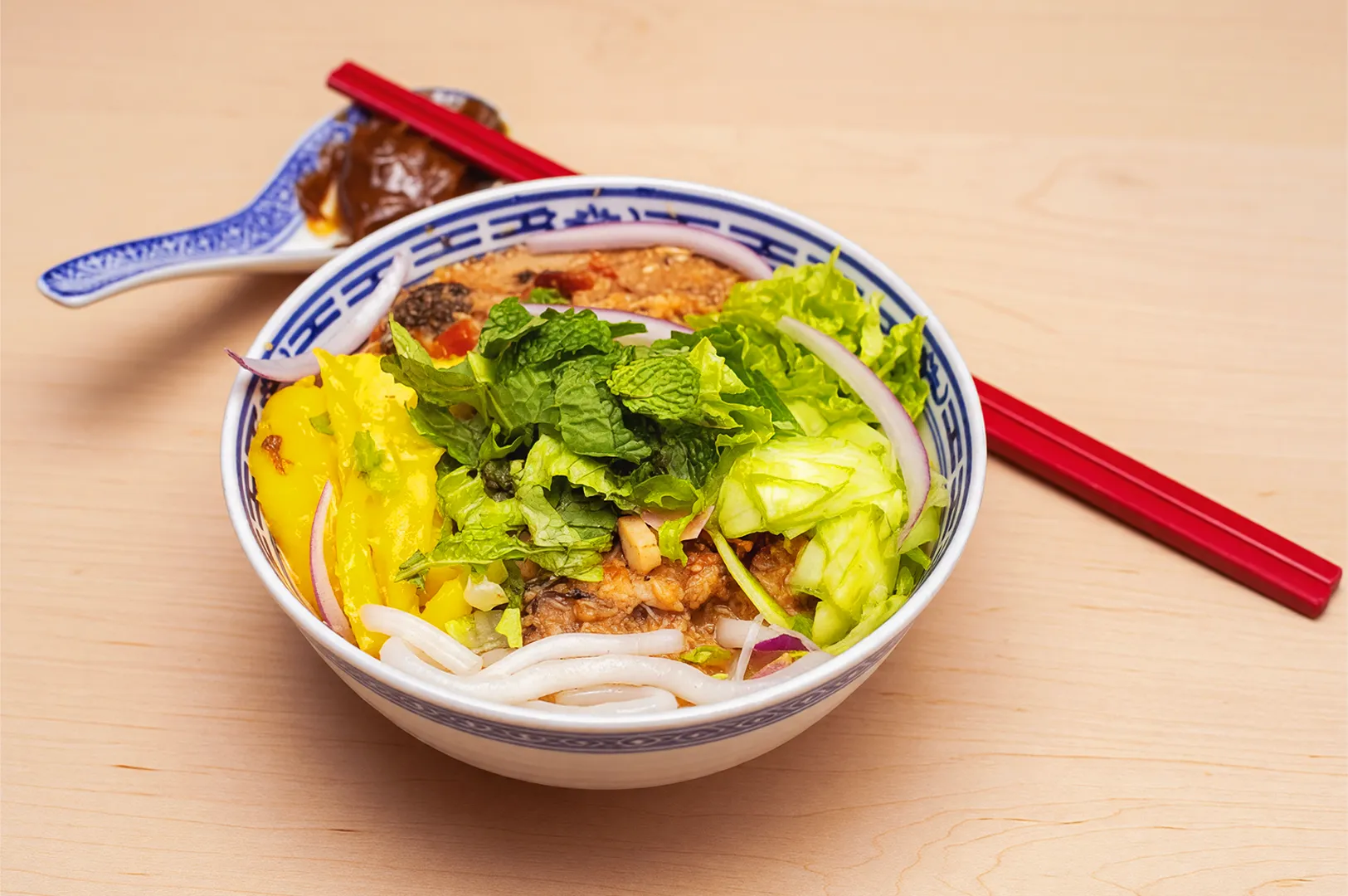
I often hear purists argue that altering a traditional recipe disrespects its origins. But if we look closely at the history of Singapore food, evolution is its defining characteristic. Our ancestors constantly adapted their recipes based on the ingredients available to them in a new land.
Authenticity is not a static set of rules locked in the past. It is a living, breathing expression of culture. By adapting laksa and nasi lemak for modern, plant-powered lifestyles, including using laksa paste from Asian grocery stores and crafting homemade sambal, we are keeping these dishes relevant. We are showing the utmost respect for tradition by ensuring these iconic meals can be enjoyed by the next generation, regardless of their dietary choices.
Moreover, embracing techniques like frying the laksa paste with fresh aromatics such as garlic, ginger, lemongrass, and red chillies before adding coconut milk enhances the depth and complexity of the laksa broth. This approach helps develop the signature spicy, fragrant taste that defines laksa.
Using ingredients like brown sugar and asam jawa (tamarind) in the sambal or laksa paste balances the flavors with subtle sweetness and sourness, creating a harmonious taste profile without relying on taste MSG or excessive salt.
Your Turn to Stir the Pot: Try This Laksa Recipe and Vegan Nasi Lemak at Home
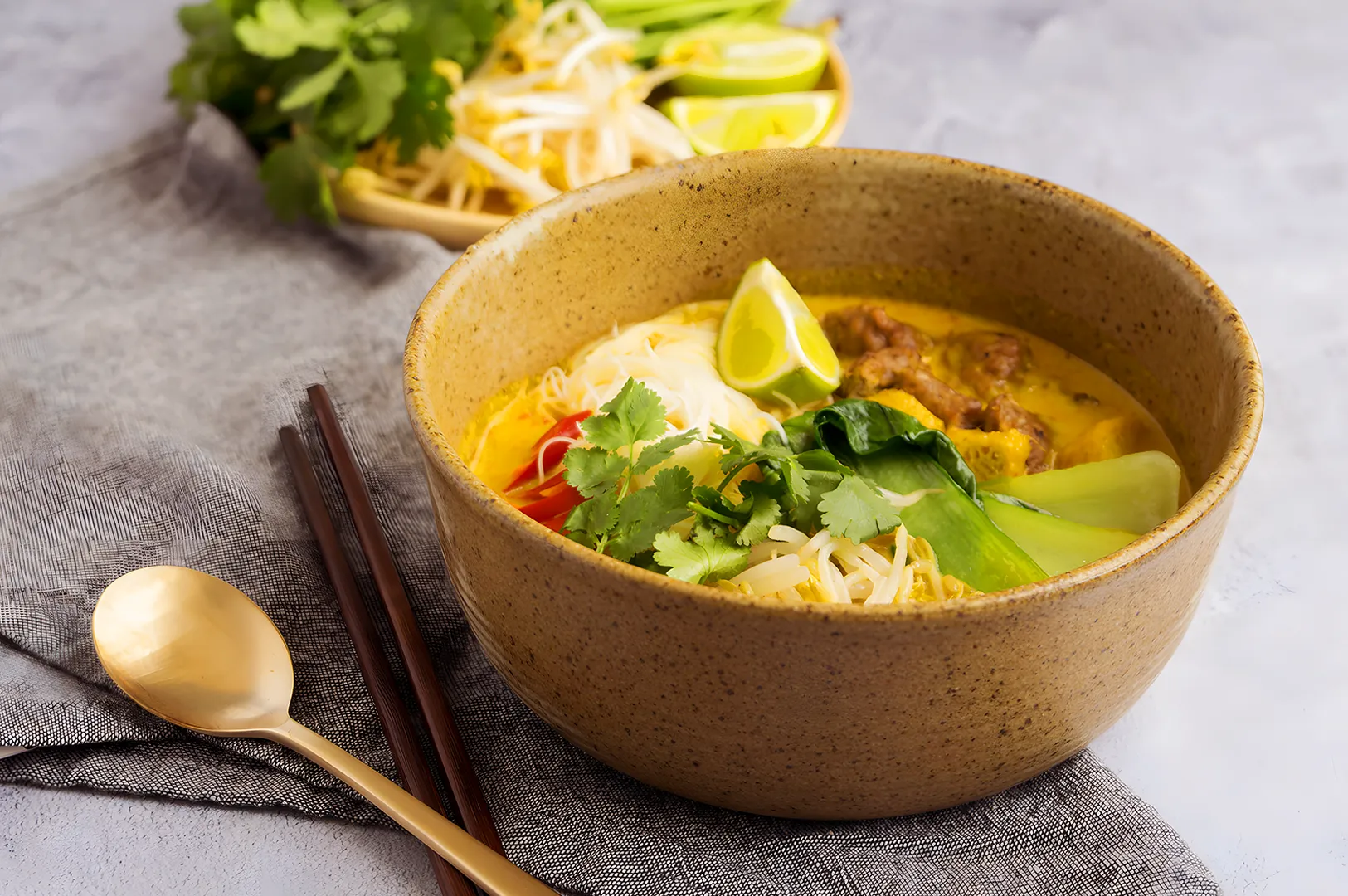
We are living in an incredibly exciting time for food. The boundaries between tradition and modern wellness are blurring, resulting in meals that nourish both the body and the soul. You do not have to commit to a strict vegan diet to enjoy the benefits of these culinary innovations.
I challenge you to step into your kitchen this weekend and experiment. Try making a batch of mushroom-based sambal, or order a bowl of plant-powered laksa the next time you visit a progressive local eatery. Embrace the joy of healthier swaps and discover just how vibrant and satisfying plant-based eating can be. Share your creations, invite your family to taste the difference, and join the beautiful, ongoing evolution of our beloved local cuisine.
For a more healthy Singapore plant-based contents, be sure to visit Beyond Salad: Exploring Singapore’s Most Exciting Plant Based Food.