
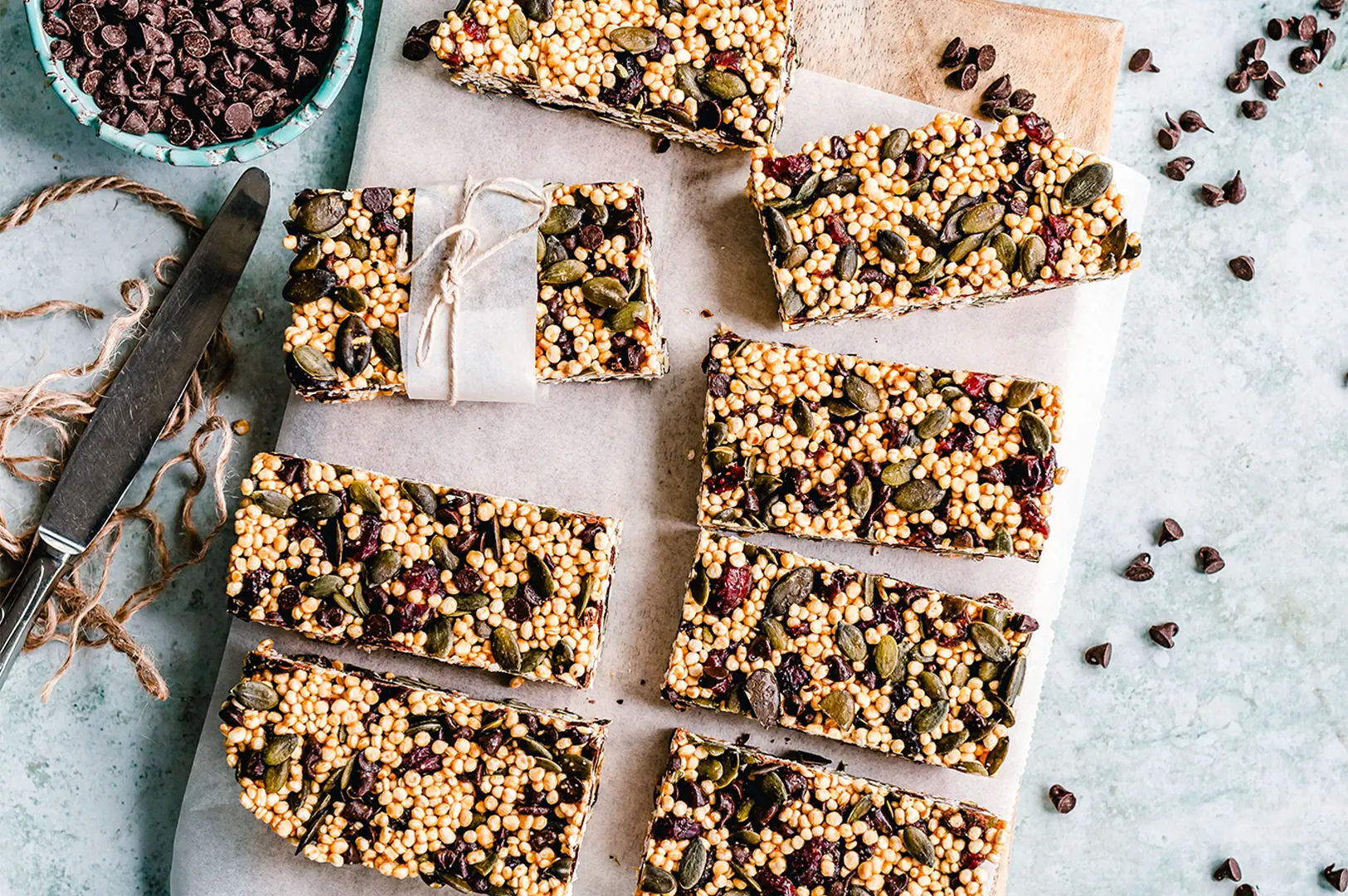
I have reached for a protein bar in plenty of familiar situations: between meetings, after a workout, while travelling, or during an afternoon when lunch felt like a distant memory. They are portable, easy to store, and usually marketed as a smart alternative to biscuits, chocolate bars, or fast food.
But are protein bars genuinely healthy, or are they simply sweets wearing fitness-friendly packaging?
The honest answer is that they can be useful, but the details matter.
The strongest argument for protein bars is convenience. A bar can provide around 10 to 20 grams of protein without refrigeration, cooking, or preparation. Mayo Clinic suggests looking for options with at least 10 grams of protein and minimal added sugar. This can make protein bars practical for commuters, busy professionals, students, frequent travellers, and people who need something quick after exercise.
Protein also helps support muscle maintenance, recovery, bone health, and many essential functions in the body. For someone who regularly skips meals or struggles to prepare protein-rich snacks, keeping a bar nearby may prevent an impulsive trip to the vending machine.
The problem is that the words “high protein” do not automatically mean “healthy.”
Some bars contain large amounts of added sugar, saturated fat, sodium, sweeteners, or highly processed ingredients. A bar may deliver protein, but it can also contain similar calories and sugar levels to a conventional chocolate bar. The FDA recommends checking added sugars on the Nutrition Facts label rather than relying on claims printed across the front of the wrapper.

I usually compare protein bars using four details: protein, added sugar, fibre, and total calories. I look for at least 10 grams of protein, a useful amount of fibre, and an added-sugar level that makes sense for my overall diet. I also check the serving size because an oversized bar can contain far more calories than I need from a snack.
Protein bars are particularly suitable for active people, shift workers, travellers, and anyone who cannot reliably access a balanced meal. They may also help people with reduced appetites meet their nutritional needs, although individual medical requirements should always be discussed with a qualified healthcare professional.
They are less suitable as an automatic daily meal replacement. A bar rarely provides the variety, volume, and satisfaction of a proper meal containing vegetables, fruit, whole grains, and a minimally processed protein source. People with significant kidney disease or other conditions requiring controlled protein intake should also seek professional advice before regularly using high-protein products.
My view is simple: protein bars are tools, not miracle foods. I would happily keep one in my bag for emergencies, but I would not let it replace yoghurt, eggs, tofu, nuts, fish, beans, or a balanced meal whenever those options are available.
“Convenience can support a healthy diet, but it should never stop us from reading the label.”
Make more confident everyday food choices with practical nutrition advice from Healthy Food Guide.