I think salads have been given an almost automatic health halo. We see a bowl of greens on a menu and assume it must be the smartest choice available.
Sometimes it is. Sometimes it is not.
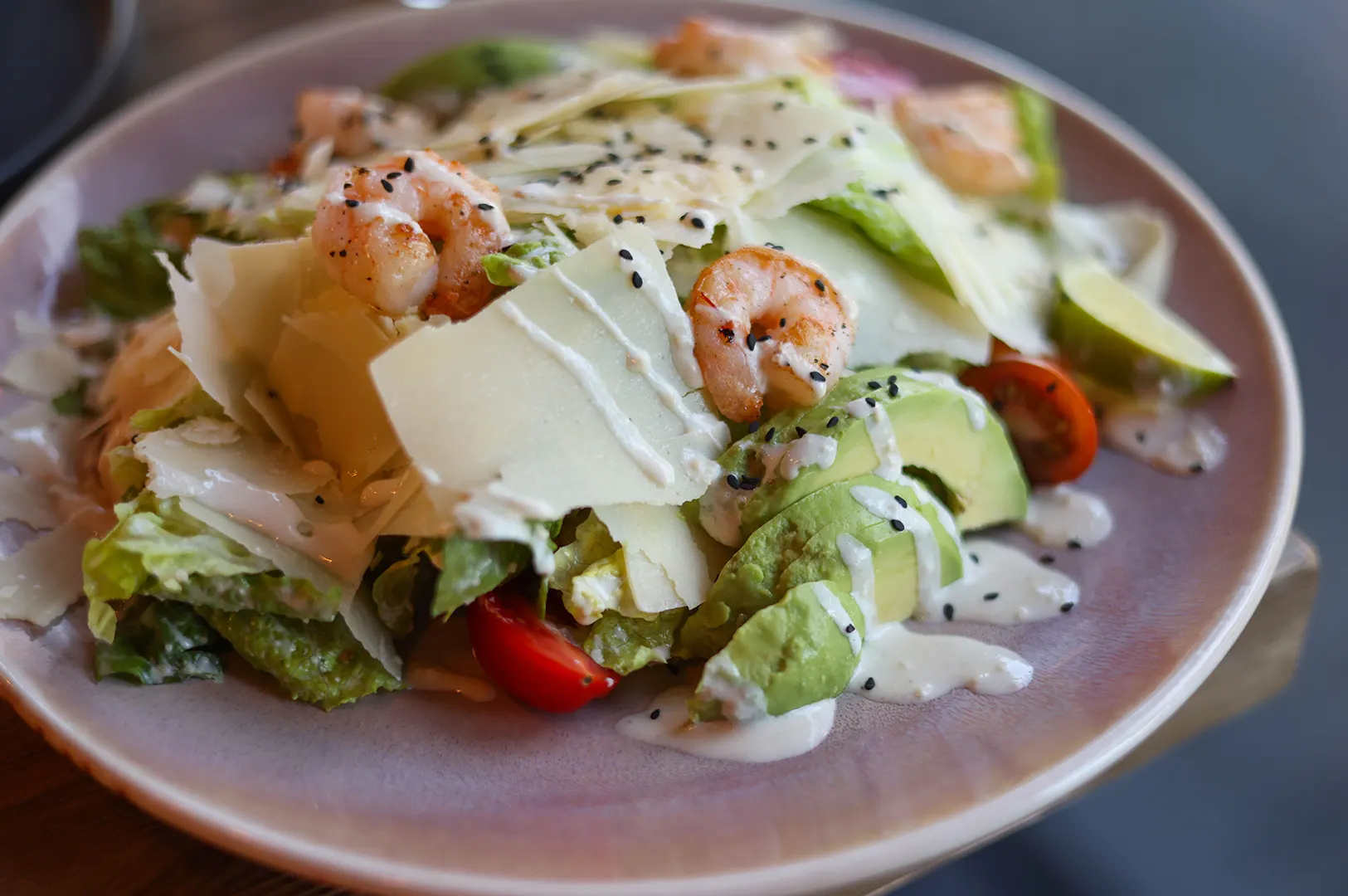
What matters much more to me is what actually goes into that bowl. A salad built with vegetables, a good source of protein, some carbohydrates and a sensible amount of dressing can make a balanced and satisfying meal. But another salad might be mostly lettuce covered with creamy dressing, fried toppings, processed meat and a large amount of cheese. The word “salad” alone does not tell us much.
This is why I try to look past the name of the dish and pay attention to its ingredients.
The first thing I check is protein. A bowl of vegetables might look nutritious, but I am unlikely to stay satisfied for long if that is all I am eating. Chicken, fish, eggs, tofu, beans, lentils or other protein-rich ingredients can make a salad feel much more like a proper meal.
I also do not automatically avoid carbohydrates. Brown rice, quinoa, corn, potatoes or even a piece of bread on the side can add energy and make the meal more filling. A salad does not need to be as low in carbohydrates as possible to be a sensible choice.

Dressings are another area worth paying attention to. I am not suggesting eating dry lettuce. Dressing adds flavour and can make vegetables much more enjoyable. However, some salads come heavily coated in creamy or sweet dressings. If I want more control, I might ask for the dressing on the side and add enough to make the salad taste good without drowning everything in it.
Then there are the toppings. Nuts, seeds, avocado and cheese can all contribute flavour and nutrients, but portions can add up quickly when several rich ingredients are piled into the same bowl. Fried chicken, crispy noodles, bacon bits or heavily coated croutons can also change the overall nutritional profile considerably.
That does not mean these ingredients are forbidden. I simply think it helps to know what I am ordering rather than assuming anything served over lettuce is automatically light or balanced.
I also compare the salad with the rest of the menu. Sometimes a grilled fish dish with vegetables and rice may offer more protein, variety and satisfaction than the salad beside it. A soup, grain bowl or mixed rice meal can also be a perfectly reasonable option.
For me, healthier eating becomes much easier when I stop judging meals by labels. Instead of asking, “Is this a salad?” I would rather ask, “What is actually in this meal, and will it satisfy me?”
A salad can absolutely be a nutritious choice. It just does not deserve the healthiest spot on the menu by default.
For more practical tips on making informed food choices without giving up enjoyable meals, visit Healthy Food Guide.