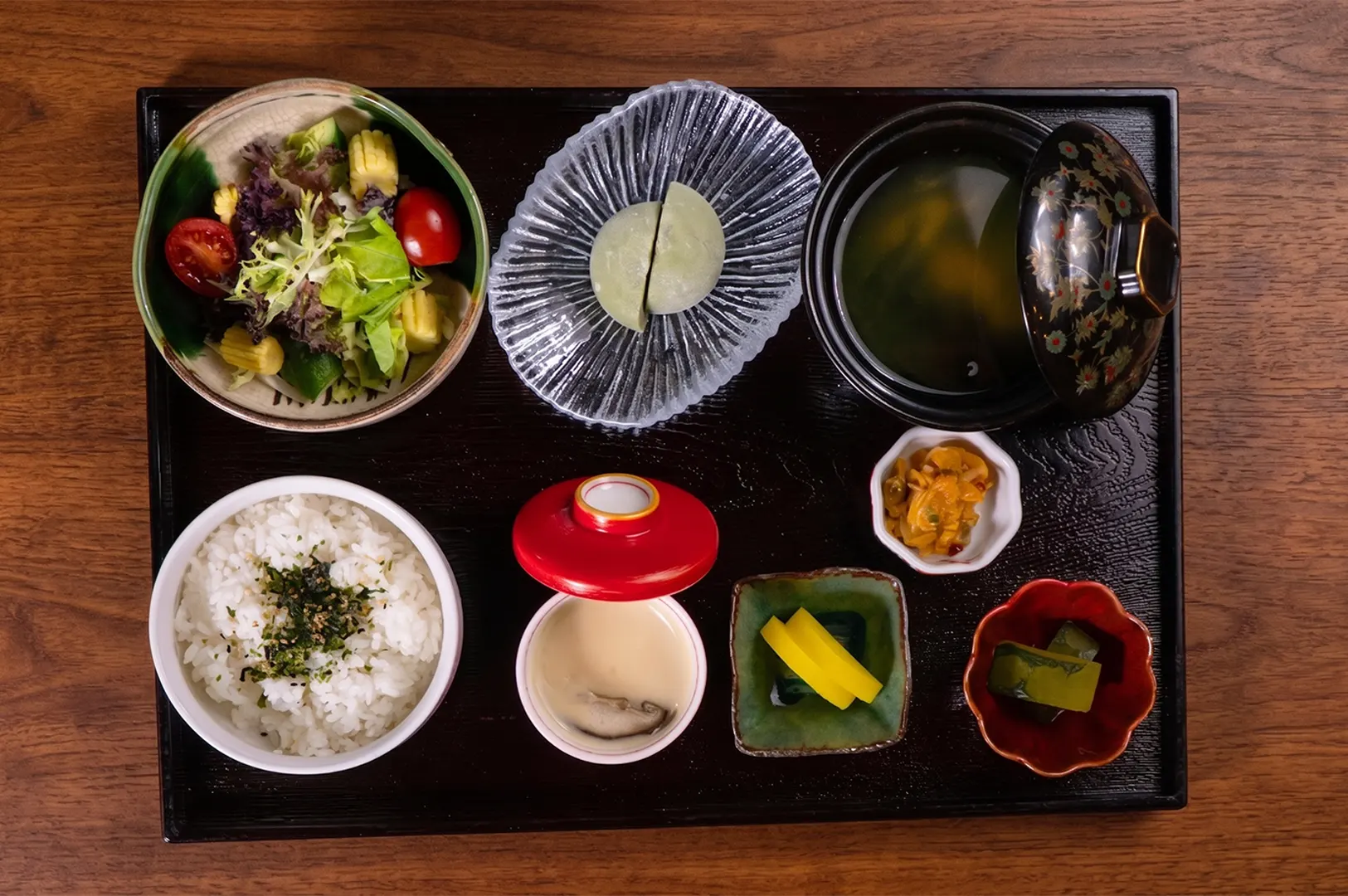
From the first time I tasted a simple bowl of miso soup paired with sticky rice, lightly grilled fish, and a scattering of pickled vegetables, I noticed something different about traditional Japanese cuisine. After a Japanese meal, I’d leave the table feeling satisfied, never sluggish, as if my body was fueled but not weighed down. This contrast is especially vivid after so many fast food lunches or Western diets built around oversized portions and heavy sauces.
It’s no surprise people often wonder: is Japanese food healthy? With images of plates loaded with raw fish, beautifully arranged small portions, and colorful seasonal vegetables, Japanese food is synonymous with fresh ingredients and balanced meals. But, as with any cuisine, the answer depends on how you eat it and the choices you make.
Wondering what makes the traditional Japanese diet and eating habits feel so different? Let’s take a look at key health benefits, the structure of Japanese meals, clever cooking techniques, the subtle power of fermented foods, where things get less healthy, and what Singapore diners can learn for their own life.
Is Japanese Food Healthy? Structure and Balance in Japanese Cuisine
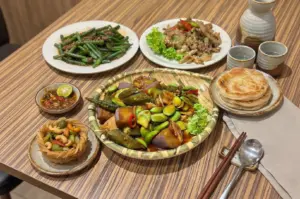
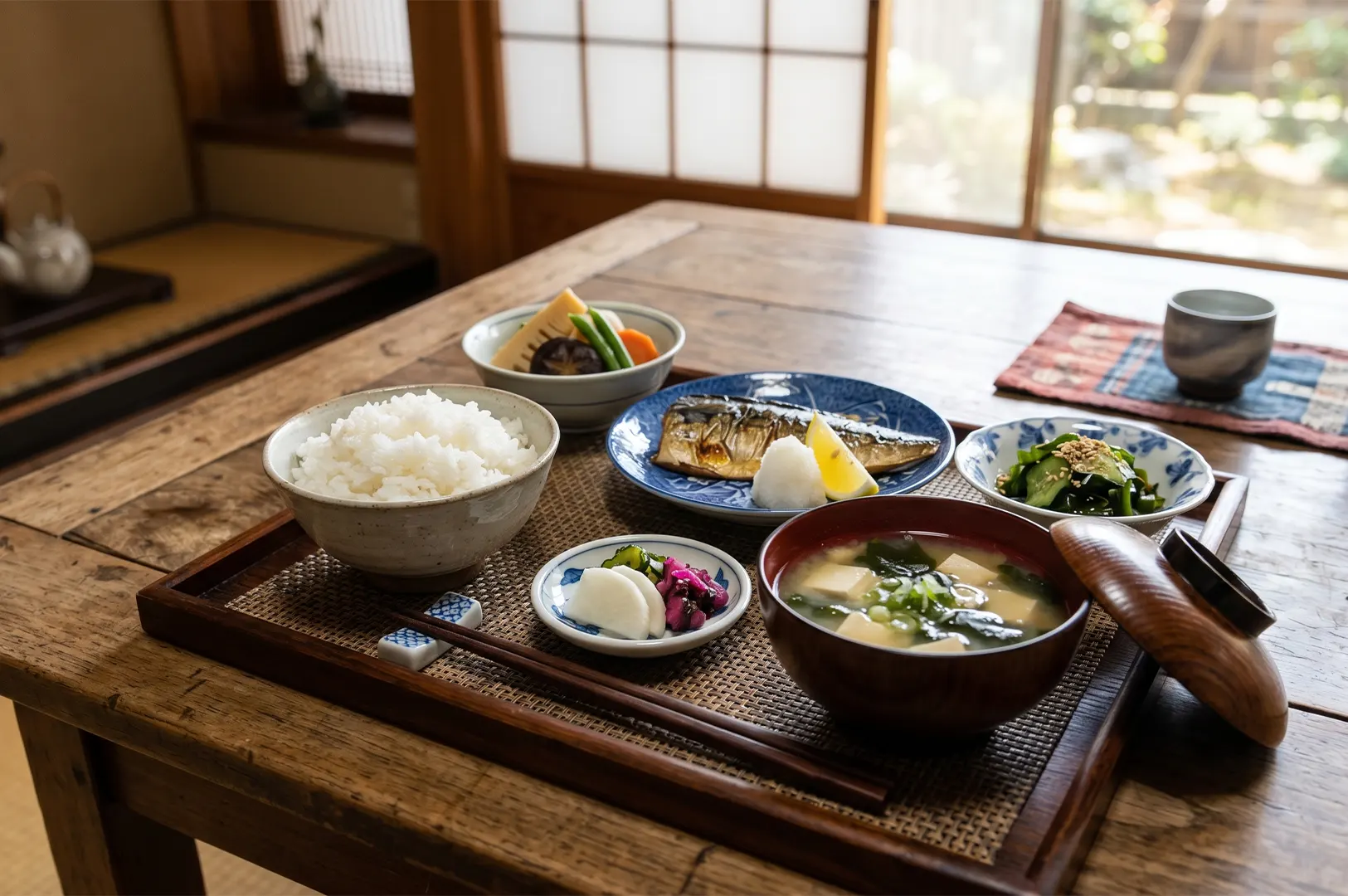
At the heart of Japanese cuisine is a structure that’s stood the test of time: small bowls of rice, miso soup, seasonal vegetables, protein that’s often served raw or lightly cooked, and tangy pickled vegetables. This “one soup, three dishes” model a tradition known as ichiju-sansai creates a true balanced meal.
You see much less reliance on excessive seasoning, heavy cream, or butter than in many Western countries. Instead, Japanese dishes build flavor with dashi broth (made from kombu and bonito flakes), soy sauce, fermented soybean paste (miso), seaweed, and minimal dairy. Likely you’ll find yourself enjoying a grilled piece of fatty fish, a steaming small bowl of rice, a side of bamboo shoots, and perhaps a medley of gut health-supporting fermented foods all served in small portions, each with its own texture and nutritional value.
The Healthiest Japanese Food Choices for Nutritional Balance
Food Item | Description | Key Nutrients and Benefits |
|---|---|---|
Sashimi (Raw Fish) | Served raw and sliced with precision, sashimi is a lean protein with omega-3s. | Rich in omega-3s, vitamin B, folic acid; supports bone health |
Grilled Fish/Yakizakana | Often seasoned just with soy sauce and a touch of salt, grilled fish is rich in healthy fats and B vitamins. | Healthy fats, B vitamins; satisfying texture |
Soba Noodles | Made from buckwheat, soba is high in dietary fiber and B vitamins, offering a nutty flavor compared to white rice noodles. | High dietary fiber, B vitamins |
Miso Soup | Built on fermented soybean paste, miso soup is a foundation of the traditional Japanese diet. | Packed with probiotics that promote gut health and overall well-being |
Tofu | Silky or firm, tofu is plant-based protein that is low in saturated fat and high in nutritional value. | Low in saturated fat; high-quality plant-based protein |
Seaweed and Bamboo Shoots | Seaweed salads (like wakame) and bamboo shoot sides provide minerals, vitamin C, and dietary fiber. | Minerals, vitamin C, dietary fiber; benefits for gut and bone health |
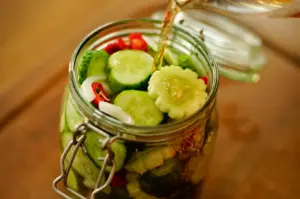
Natto (fermented soybeans), tsukemono (pickled vegetables), and kimchi support gut health and complement minimal processing. | Probiotics; support gut health and digestion | |
Rice Bowls with Balance | Donburi or chirashi bowls mix rice with vegetables and protein, creating variety and nutrients in every meal. | Balanced combination of carbohydrates, proteins, and vegetables |
Green Tea | Virtually every Japanese meal includes green tea, an antioxidant-rich drink supporting metabolism and hydration. | Antioxidants; supports metabolism and hydration |
Omakase Dining: Key Health Benefits and Cooking Techniques
When people ask, “why does omakase dining feel so different from a normal restaurant meal?” it all comes down to pacing, ingredient quality, and portioning. Traditional omakase in which the chef selects each course offers a window into Japanese cooking and a philosophy of eating that’s all about mindfulness.
An omakase meal might deliver 12–20 small servings, each highlighting the natural flavors of seasonal vegetables, delicate fish, or a slice of wagyu beef prepared with minimal seasoning. Because portions are controlled and dishes arrive one by one, you eat slowly, giving your body time to register fullness and enjoy the variety.
Mindful eating is built in, so you rarely leave feeling heavy (unless you go for modern “luxury” omakase with lots of heavy sauces, fatty seafood, or red meat). Even in high-end omakase Singapore venues, you’ll notice that meals emphasize fresh ingredients, traditional Japanese cooking methods, and a focus on balance rather than excess. As Rubbish Eat Rubbish Grow highlights, the use of premium seafood combined with a balanced approach to cooking is central to the authentic Japanese dining experience.
Japanese Cooking vs Fast Food and Modern Western Diets
What makes Japanese meals stand apart from fast food or quick-service modern eating habits? A few things:
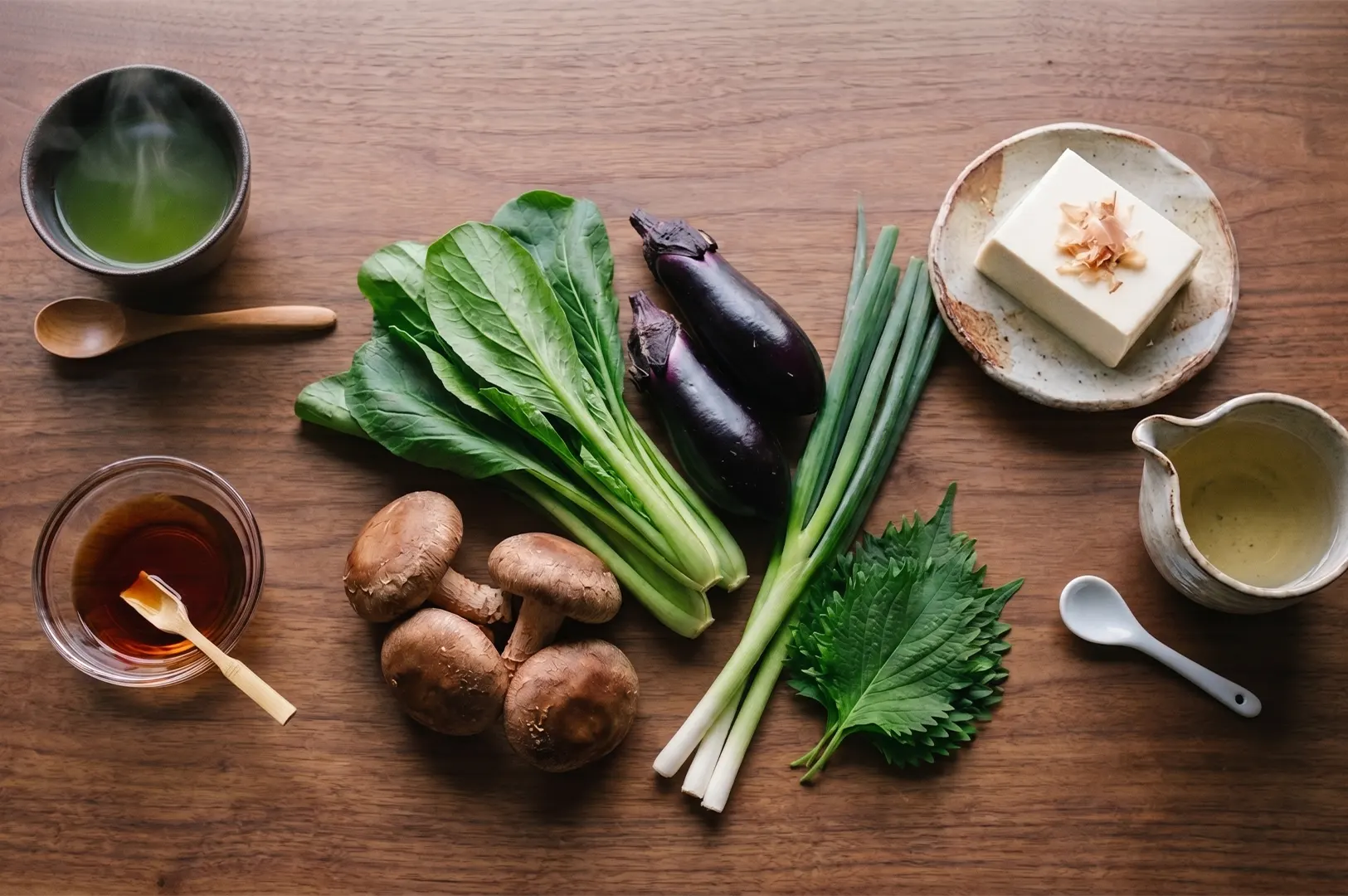
Simpler seasoning: Instead of heavy sauces, much of the flavor comes from umami-rich broths, a dash of soy sauce, or an infusion of green tea.
Less processed foods: The focus is on whole foods, from plant based vegetables and soy products to lightly cooked proteins, rather than processed, deep-fried options.
Lighter batter and less frequent fried foods: Sure, tempura or karaage exist, but they aren’t the backbone of the traditional Japanese diet.
Portion control: Each component comes in its own small bowl or plate, encouraging mindful eating and nutritional balance.
Fewer liquid calories: Instead of soda or creamy drinks, most meals are accompanied by green tea or hot water.
Emphasis on seasonal vegetables and fresh ingredients: Eating what’s in season is a valued habit.
Ultimately, these habits support a balanced diet and healthier eating, moving away from the excesses of many Western countries.
Japanese Food Isn’t Always Healthy: Fried Food, Sodium, and More
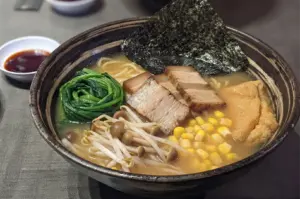
Despite all these health benefits, it’s absolutely possible to go overboard with Japanese food. Dishes like tempura, katsu (fried pork), mayo-laden sushi rolls, and even rich ramen bowls often found in modern Japanese restaurants can be heavy with sodium, refined white rice, excessive seasoning, and unhealthy fats.
Some fried food is tossed in light batter and fried just until crisp, but others can be greasy and calorically dense. Dishes heavy in fermented soybean paste or soy sauce should be enjoyed mindfully if you have high blood pressure due to the sodium content.
Omakase meals in Singapore can be extremely rich, featuring multiple indulgent courses. Westernized sushi and processed foods in food courts may also drown healthy ingredients in heavy sauces or excessive rice. Eating habits matter; balance is the key factor for making the most of Japanese food healthy benefits.
Fresh Ingredients and Healthy Japanese Habits: Lessons for Singapore
So what can Singapore diners and anyone looking to improve their own life learn from traditional Japanese food culture?
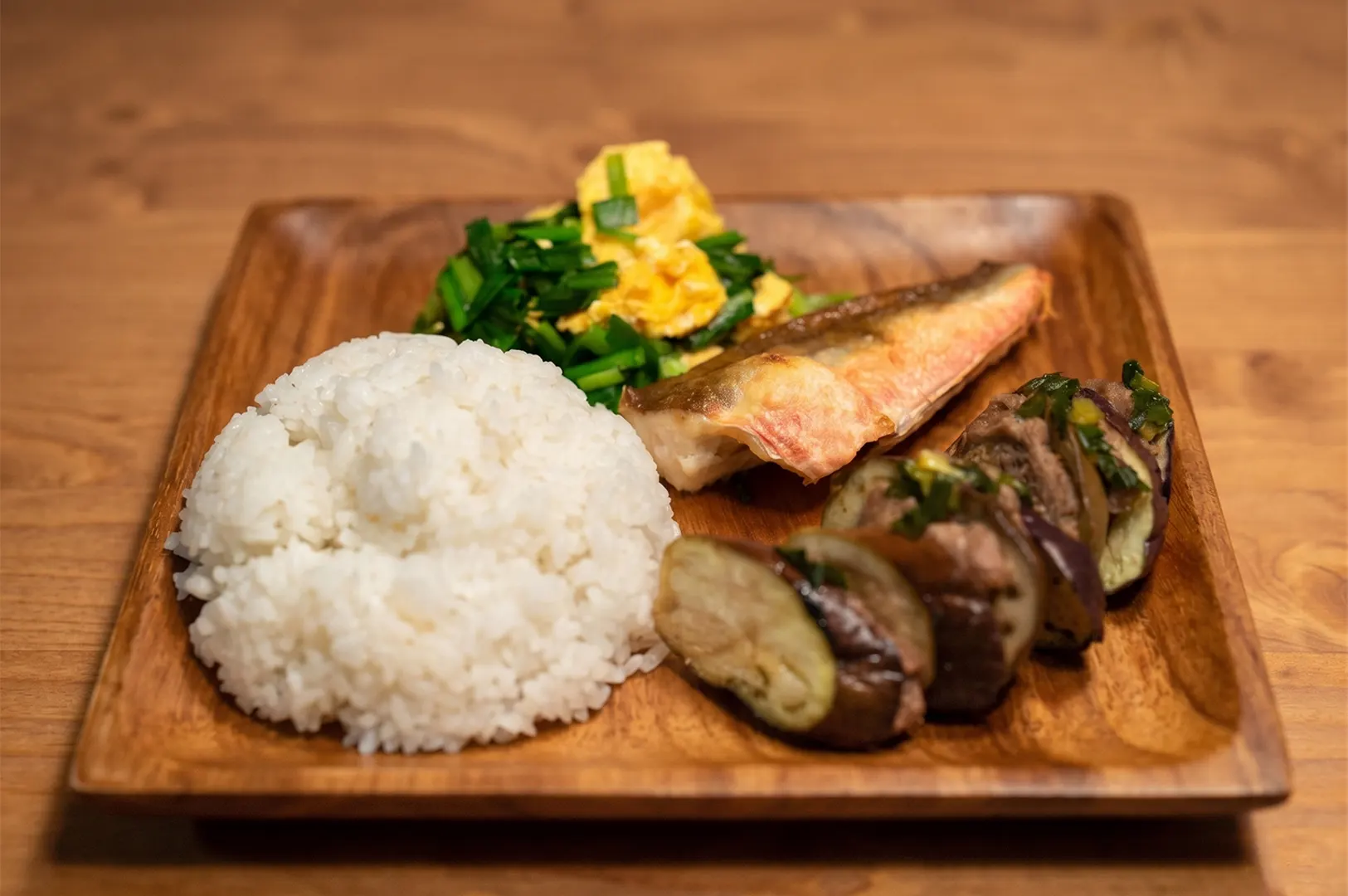
Prioritize variety: Mix different vegetables, proteins, and grains in your meals emulate “one soup, three dishes.”
Small portions add up: Enjoying small, separate servings supports portion control, even with healthy foods.
Appreciate natural taste: Focus meals on seasonal vegetables, simply grilled fish, or sticky rice. Minimal seasoning lets natural flavors shine.
Include fermented foods regularly: Beyond gut health, these boost flavor and nutrient absorption.
Mind your rice: White rice can spike blood sugar, but balancing your bowl with plenty of vegetables and protein softens the effect.
Choose lighter cooking techniques: Steam, simmer, grill, or enjoy foods served raw instead of always opting for fried food.
Swap sugary drinks for green tea: This tiny shift can offer big benefits, especially for bone health and metabolic control.
Making just a couple of these changes can help support gut health, dietary fiber intake, and overall well being, even in the bustle of a city life.
Conclusion: Is Japanese Food Healthy? A Balanced Take
Returning to our big question: is Japanese food healthy? Overall, Japanese cuisine when built on the principles of the traditional Japanese diet, balanced meals, and choosing nutrient dense foods delivers key health benefits and is one of the healthiest cuisines worldwide.
So next time you sit down to a Japanese meal whether a humble homecooked donburi or an omakase dining night out take note of the structure, savor the natural tastes, and build habits that work for your own life. One balanced meal at a time can shape a healthier, happier you.
For those interested in exploring authentic Japanese dining experiences, discovering the best izakayas in Singapore offers a great way to enjoy traditional flavors in a lively setting.