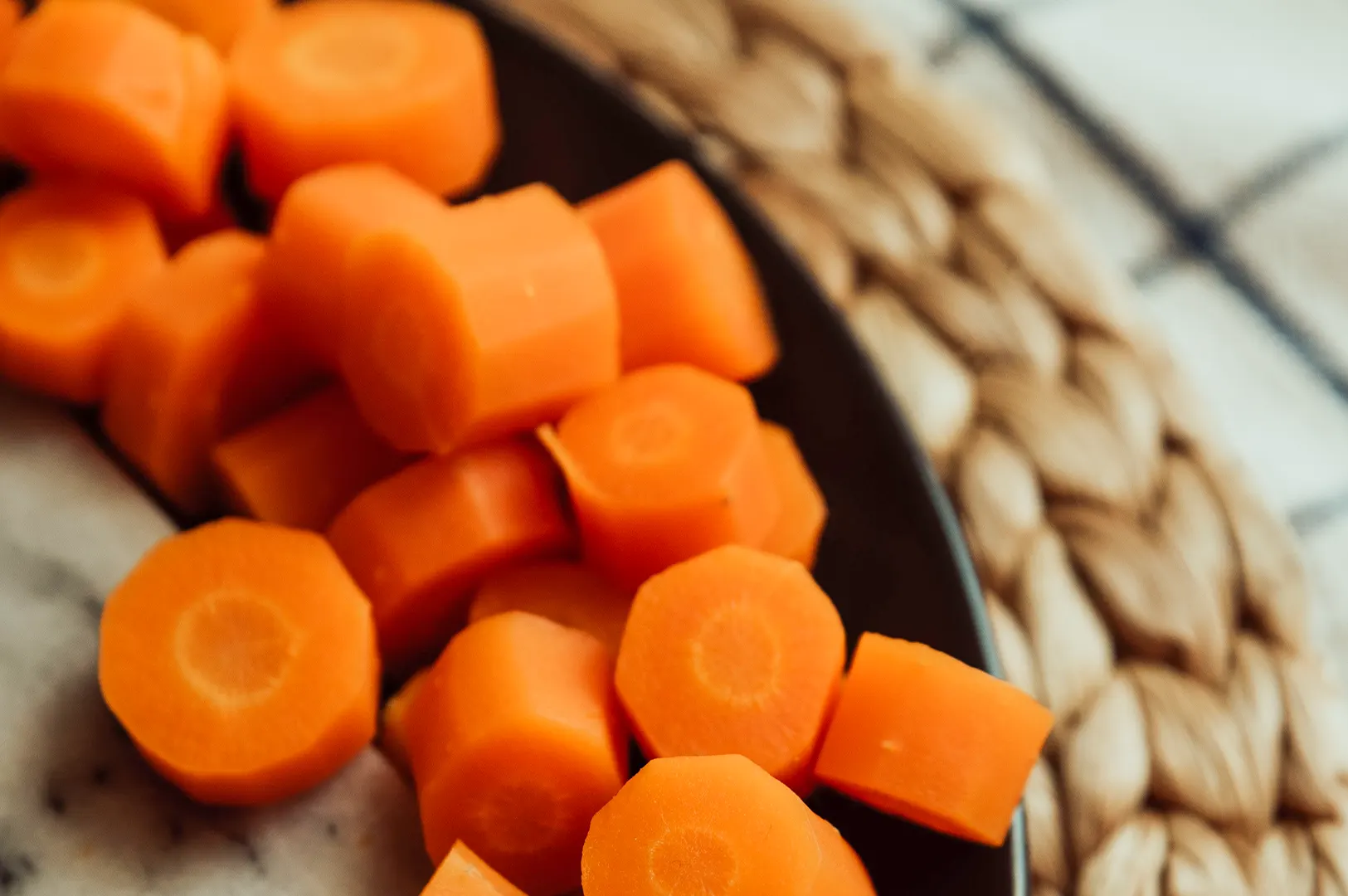
Carrots are one of those ingredients I almost always have around.
They are affordable, easy to store, simple to prep and useful in everything from soups to stir-fries. They also bring plenty of nutritional value to the table, including beta-carotene and fibre.
The problem is that carrots can get boring very quickly if I only ever slice them into coins and boil them.
As a cook, I think the easiest way to make carrots more interesting is to change the cooking method before changing the ingredient.
Roasting is probably my favourite place to start. High heat brings out more sweetness and gives the edges some colour. I usually toss carrots with a little olive oil, salt and pepper, then add something extra depending on the meal. Cumin and paprika work well for something savoury, while a little honey or maple syrup can balance stronger spices.
If I want something faster, I grate carrots instead.
Grated carrot can go straight into fried rice, noodles, omelettes or wraps. It cooks quickly and adds colour and texture without needing much effort. I also like mixing grated carrot with cabbage, lime juice and a little sesame oil for a quick slaw that works with grilled chicken, tofu or fish.
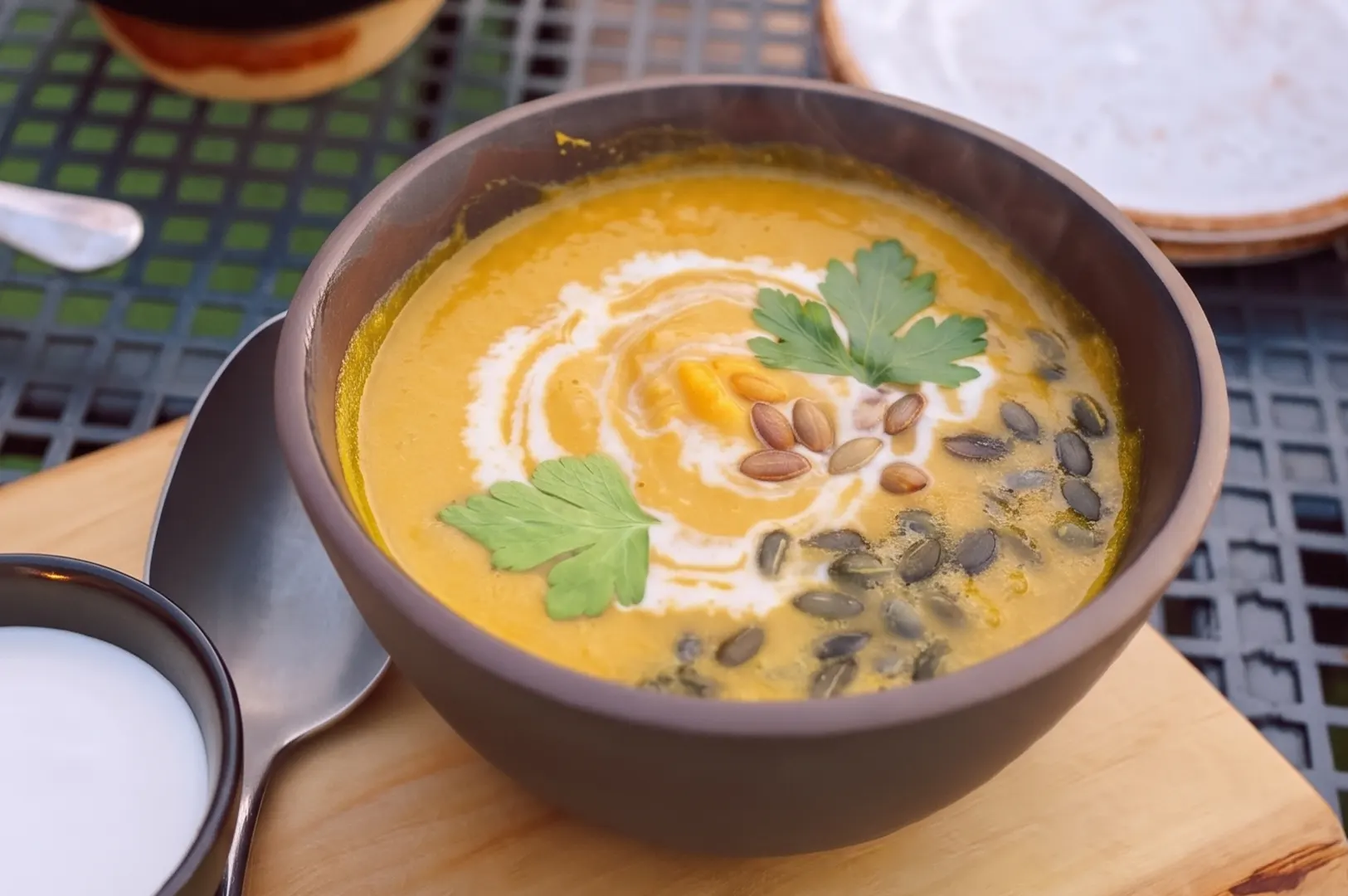
Soup is another easy option. Carrot, ginger and onion make a simple base, especially when blended until smooth. I sometimes add lentils or white beans to make it more filling, then finish with yogurt, herbs or toasted seeds.
Carrots also work surprisingly well in more substantial meals. I can add them to curries, pasta sauces, grain bowls or stir-fries, where they bring sweetness without needing extra sugar. Thin carrot ribbons are useful too; I make them with a vegetable peeler and quickly toss them in a hot pan with garlic, sesame and soy sauce.
From a nutrition point of view, carrots are especially known for beta-carotene, which the body can convert into vitamin A. Vitamin A supports normal vision and immune function, and carrots also contribute fibre to the diet.
I also like that carrots do not require much planning. They keep well, they are easy to find and they work with both simple and bold flavours. That makes them useful on the kind of weekday when I want to cook something decent without buying ten ingredients.
The key, for me, is to stop treating carrots as a background vegetable.
Roast them until caramelised. Grate them into something fresh. Blend them into soup. Pair them with spice, acid, herbs or something creamy.
Carrots are already convenient and nutritious. A few better cooking choices are usually all it takes to make them worth getting excited about.
For more simple ways to turn everyday ingredients into healthy, satisfying meals, visit Healthy Food Guide.