If you enjoy Japanese cuisine, you may have wondered: is sashimi healthy? Sashimi can be an excellent choice because it centres on fish rather than fried coatings or large portions of rice. But when you eat raw fish, freshness and food safety matter as much as nutrition.
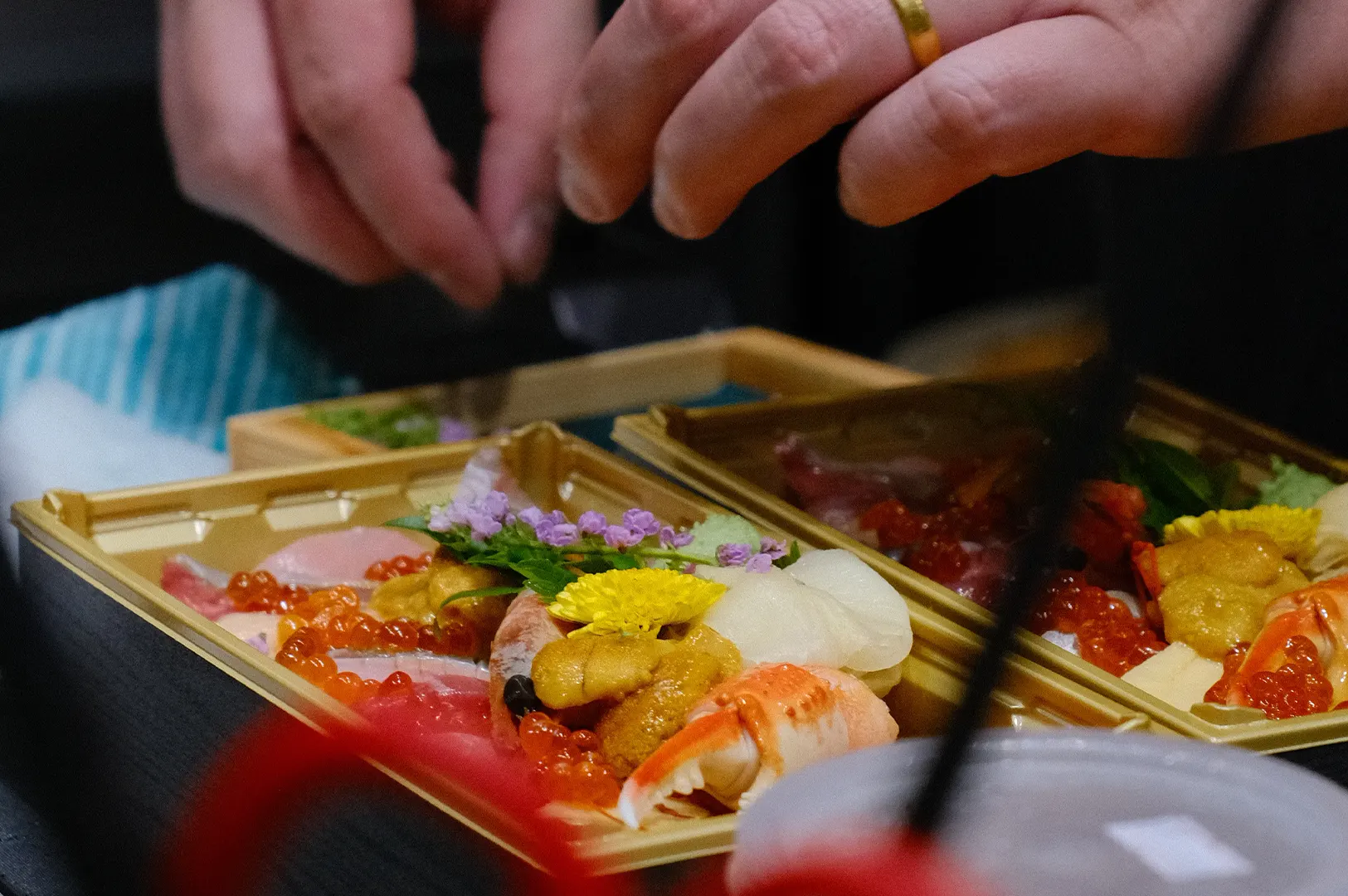
Sashimi consists of thinly sliced raw fish or raw seafood, usually served with soy sauce, a common ingredient in Japanese cuisine, plus wasabi and pickled ginger. Unlike sushi, it has no sushi rice or vinegared rice as its base. Nigiri sushi pairs seafood with rice, while maki sushi and other sushi rolls combine rice, nori and other ingredients. That distinction affects calories and meal balance.
Why Salmon Sashimi Can Be a Nutrient Rich Choice
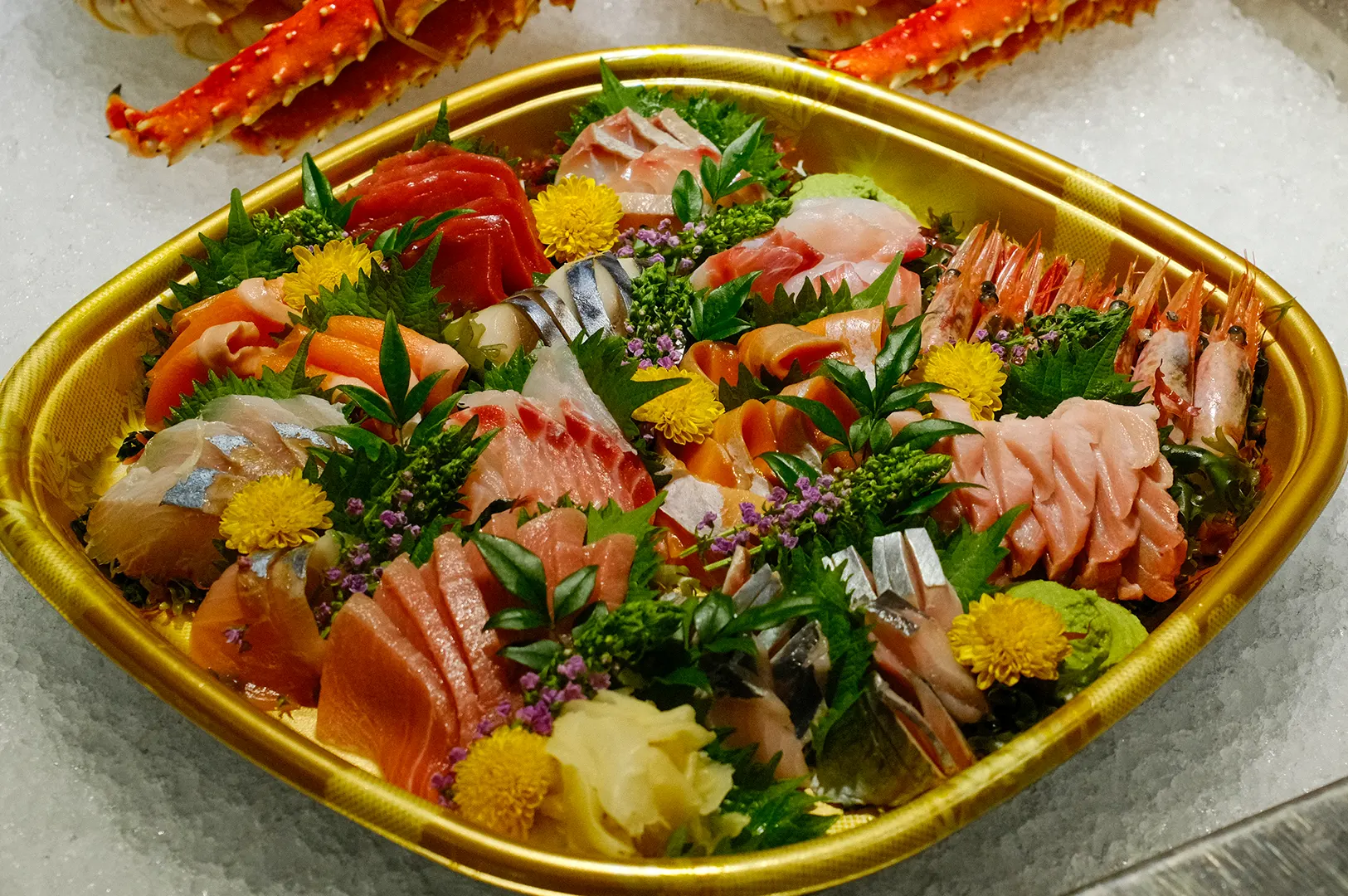
Fish is a good source of lean protein and high quality protein, plus essential vitamins, B vitamins, selenium and other nutrients. Fatty fish such as salmon and tuna provide omega 3 fatty acids, a type of healthy fats important to normal body functions. Research from the National Institutes of Health and Harvard T.H. Chan School of Public Health supports eating fish as part of a balanced diet and links seafood intake with heart health.
Sashimi can be a protein packed, low calorie option. Protein supports muscle growth and helps meals feel satisfying, while seafood can contribute to a nutritious meal and supply nutrients for immune function. Fish contains heart healthy fats, although health benefits depend on the overall diet. It is not a weight loss solution; replacing foods higher in saturated fat with fish can support a healthy meal pattern.
Salmon sashimi is one of the most popular types, offering protein and omega 3 fatty acids. Tuna is another good source of protein, while seasonal fish can provide other nutrients and vitamins that people consume through food.
Raw Fish vs. Sushi Rolls: What Changes?
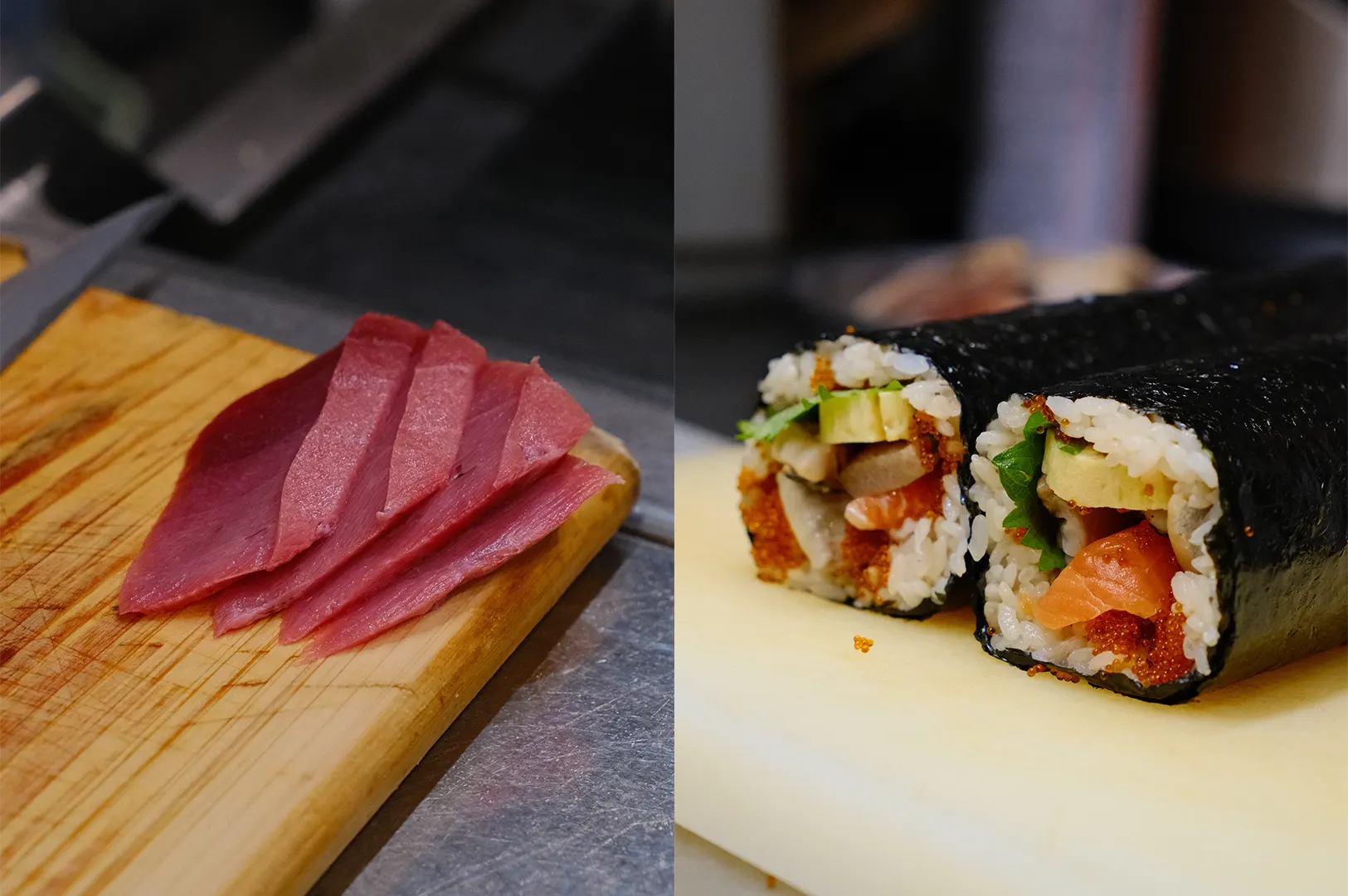
Sashimi is often lighter than sushi because it skips the rice. A sashimi platter can be an excellent source of protein without additional calories from rice, while sushi can still be healthy depending on its ingredients and portion size. Sushi rice can raise blood sugar more quickly than a meal built mainly around protein and vegetables, especially when portions are large.
Common additions change the picture. Avocado and vegetables add fibre, while cream cheese, rich sauces and fried fillings can increase calories and saturated fat. The worst sushi is not one particular roll; often, it is a combination of large portions, fried ingredients and rich sauces. Fried chicken can make a seafood-focused meal heavier.
You do not need to avoid sushi. Choose vegetables, nori and fish, and enjoy richer foods in moderation.
Does Eating Raw Fish Have Health Benefits and Risks?
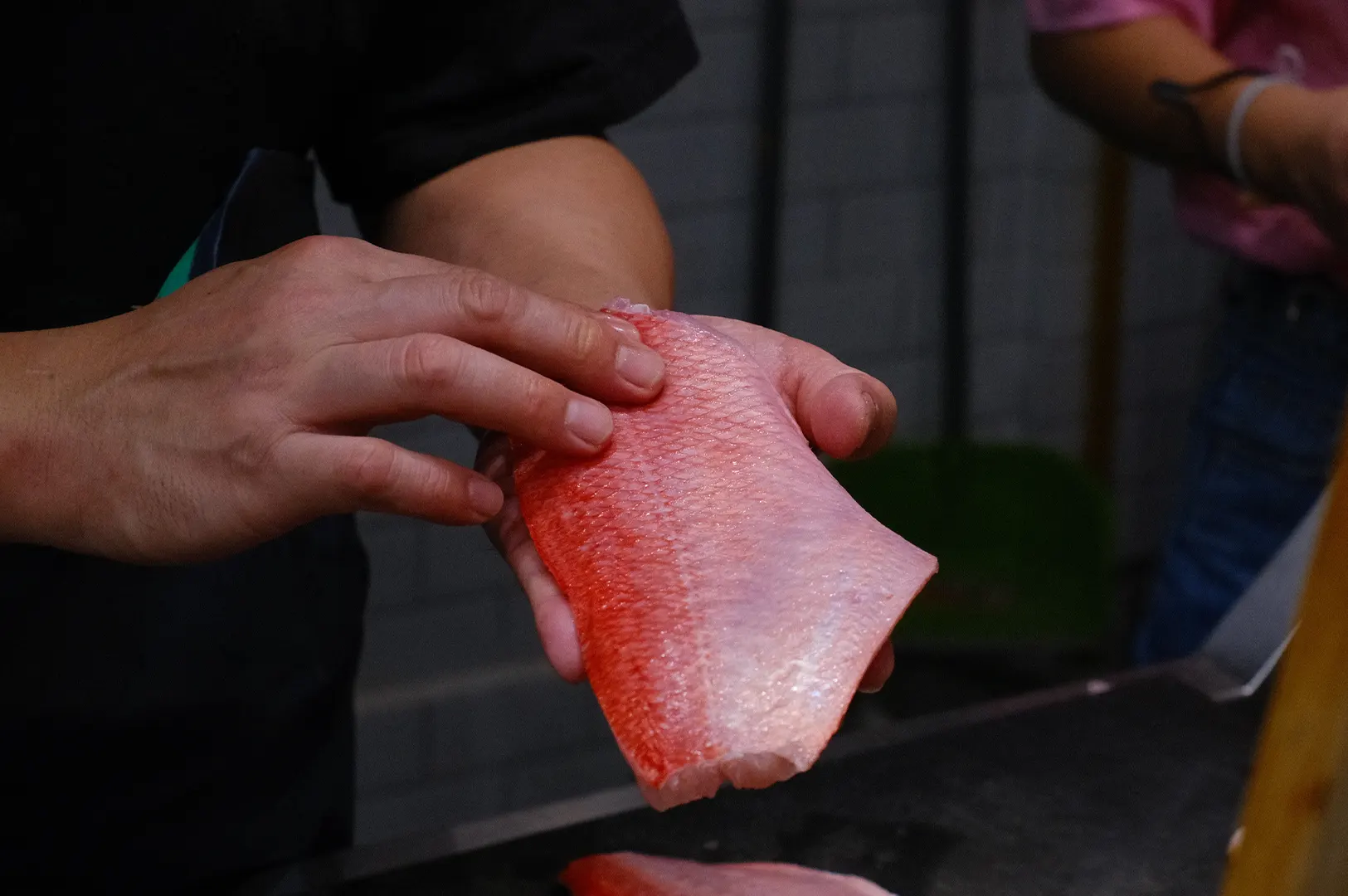
The main difference between raw seafood and cooked fish is food safety. Raw foods, including raw fish, can contain parasites or bacteria that cooking would normally destroy. The FDA and CDC identify raw or undercooked fish as a higher-risk choice for food poisoning than properly cooked seafood.
You can still eat raw fish, but choose reputable sushi restaurants or specialist fishmongers with appropriate cold-chain and handling practices. “Sashimi-grade” is not a universal safety guarantee, so provenance matters. Raw meat carries similar food-safety concerns.
Pregnant women should be particularly cautious. FDA guidance recommends that pregnant people avoid raw or undercooked finfish and shellfish because of the increased risk of foodborne illness. Older adults and people with weakened immune systems should also take extra care with raw seafood.
What Fish Quality and Freshness Really Mean
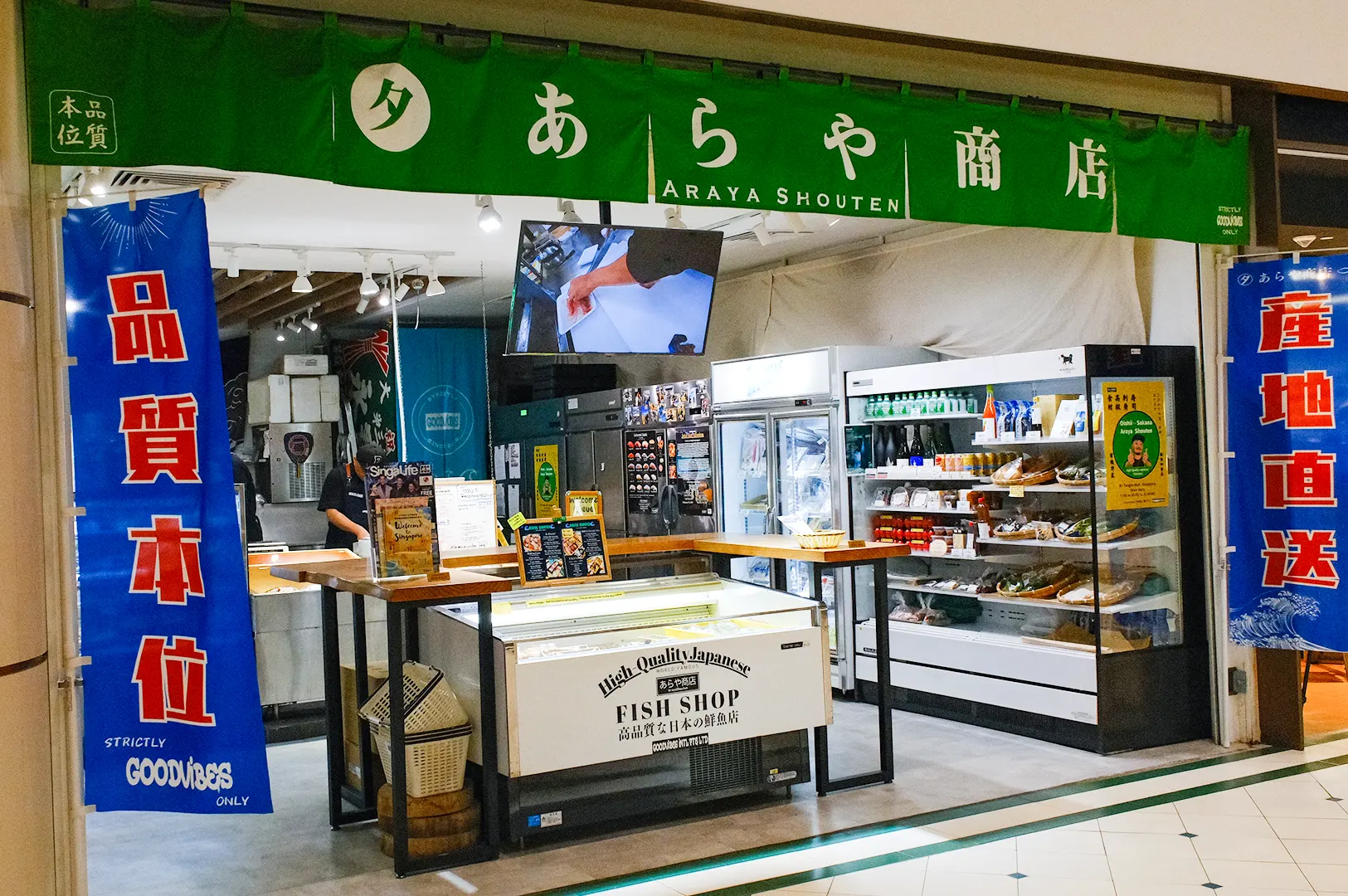
This is where Araya Shouten adds an interesting real-world perspective. Founder Araya-san grew up in Tomakomai, Hokkaido, in a fishing family and later spent about 13 years in frozen-fish logistics and import-export. His experience sits on the supply side of Japanese seafood: how fish moves from port to market, and where quality can be protected or lost.
Araya Shouten sources from Japanese fishing ports including Choshi, Hakodate and Shimonoseki, with a focus on seasonal fish. The brand also works with suppliers on Shinkei Jime and Sumotoshiki, handling techniques designed to manage fish soon after catch and preserve quality. For sashimi, that journey matters because the fish is eaten without cooking.
The company has supplied Michelin-starred Japanese restaurants in Singapore, with Wakugin at Marina Bay Sands as its first major client in 2012, according to the brand. It is restaurant supply opened to the public: sourcing, handling, seasonality and traceability.
How to Build a Healthier Sashimi Meal: Omega 3 Fatty Acids and Essential Vitamins
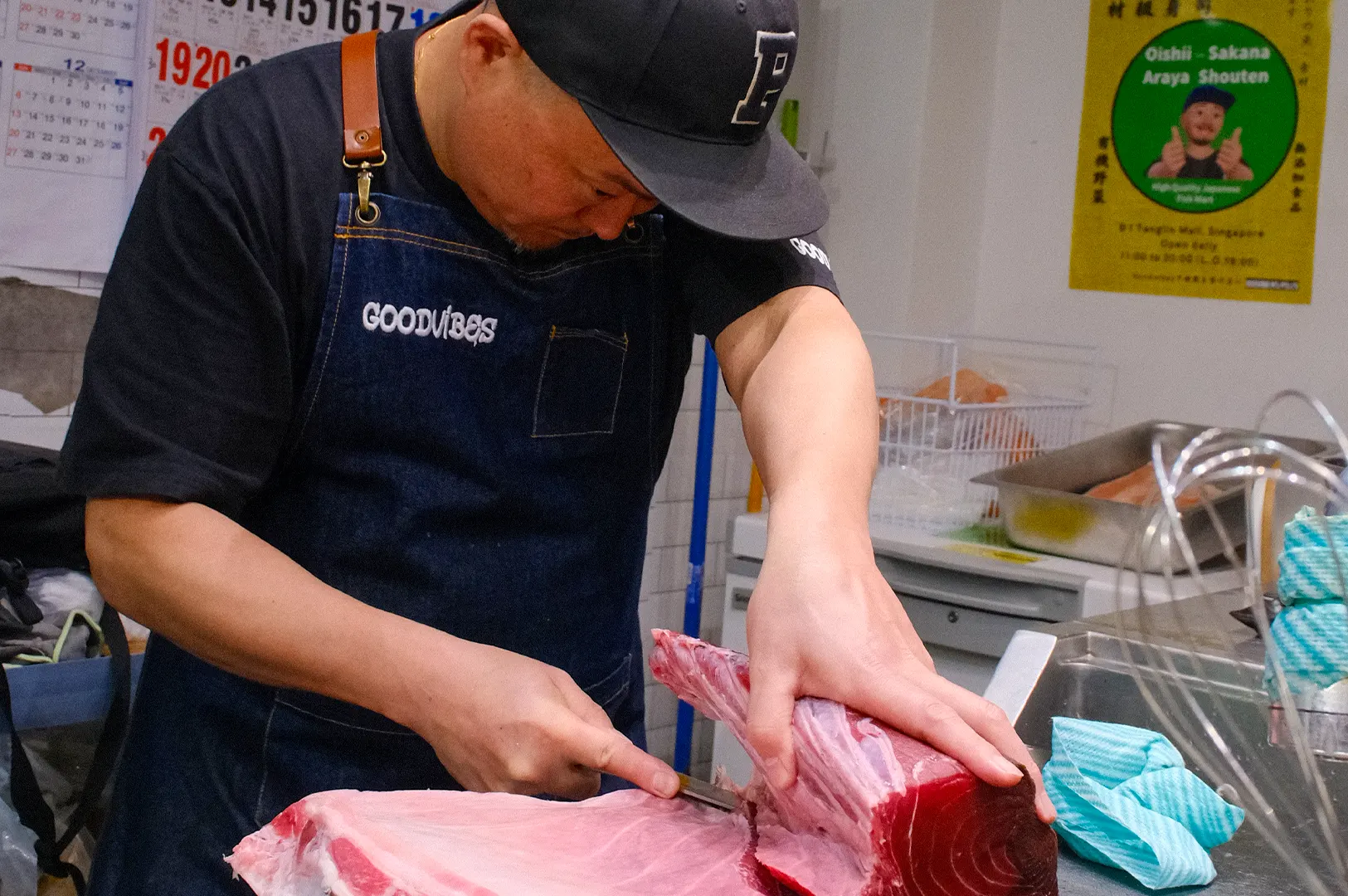
A healthy meal does not have to mean eating sashimi alone. Pair sashimi with vegetables, nori or miso soup, and use soy sauce and other sauces in moderation. Pickled ginger can refresh the palate, while vegetables add fibre and other nutrients. Salmon and tuna can contribute healthy fats and protein, while leaner fish can offer high quality protein with fewer calories.
There is no need to rely on dietary supplements simply because you eat fish. Whole foods provide a combination of nutrients, and a varied diet remains the foundation of healthy eating.
For health written guidance, the public health message is simple: seafood can be nutritious, but raw preparation adds a food-safety consideration. The National Institutes of Health and Harvard Chan School highlight fish as a source of omega-3s and other nutrients, while food-safety agencies emphasise the additional risks of eating it raw. Calling any nutrient a “powerful antioxidant” can also oversimplify nutrition.
So, Is Sashimi Healthy?
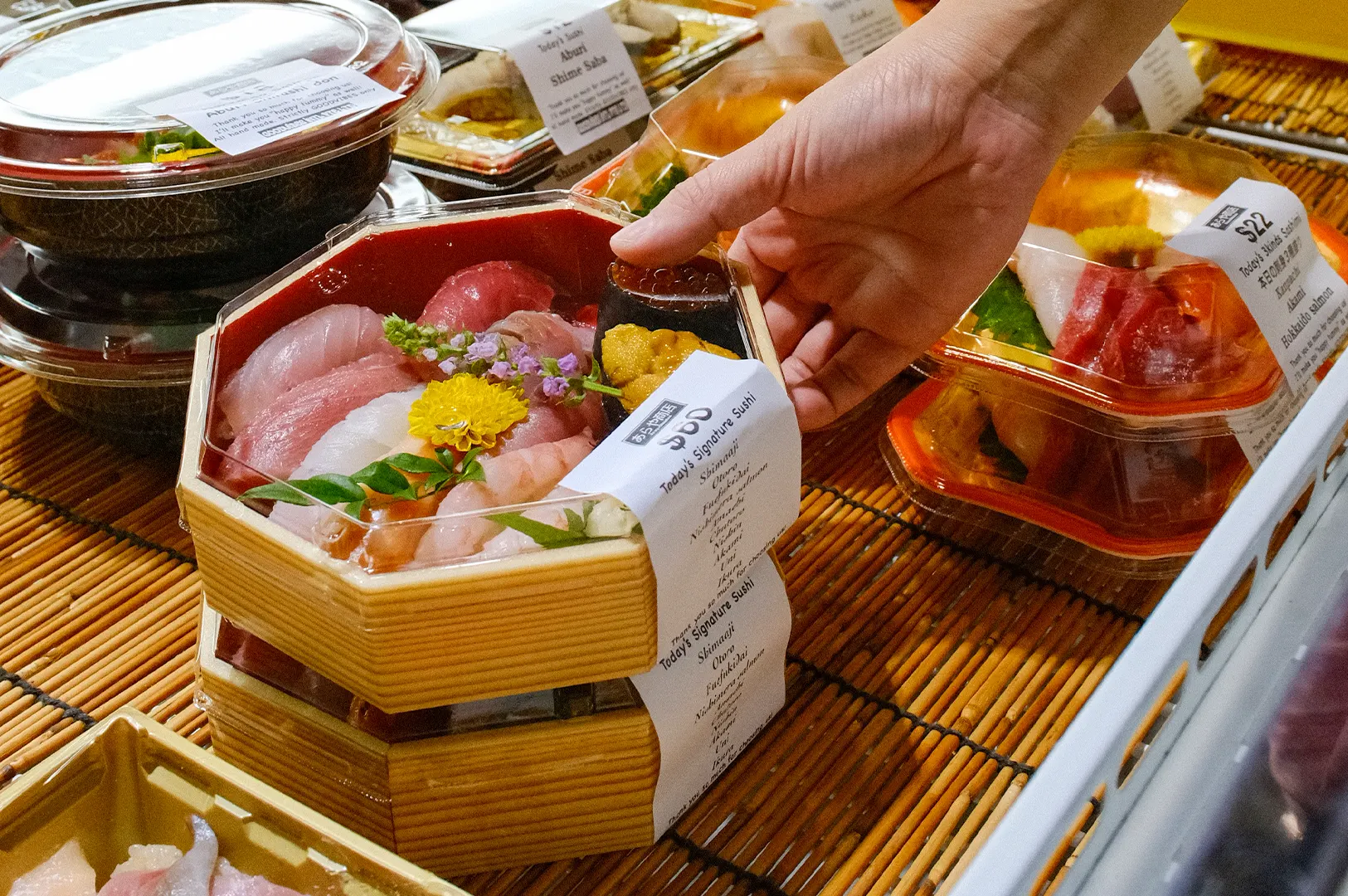
Sashimi can be an excellent choice when made with high quality fish, handled appropriately and enjoyed as part of a balanced diet. Salmon sashimi, tuna and other fish provide protein, healthy fats, vitamins and other nutrients without the rice-heavy format of many sushi dishes.
But healthy eating is not simply about whether food is raw. Fish quality, preparation, accompaniments and individual health needs matter. If you eat raw fish, choose a reputable specialist such as Araya Shouten and enjoy sashimi in moderation: Japanese cuisine where fish quality speaks for itself.
For more guides on healthy lifestyle when it comes to food, check our article on vegetarian options in Fortune Food Centre!