
You are sitting at your desk, staring at a spreadsheet, when that familiar mid-afternoon slump hits. From the office pantry, the rich aroma of freshly brewed kopi wafts through the air. Someone pops open a tin of crispy, golden diabetic biscuits. Suddenly, your craving is loud and undeniable. For many of us in Singapore, snacking is deeply social. It is the bridge between meetings, the comfort after a long commute, and the centerpiece of a late-night chat at the kitchen table.
But when you are managing your blood sugar levels and diabetes, these everyday moments can suddenly feel fraught with anxiety. The tension between satisfying a sweet tooth and staying in control of blood glucose is very real. You might wonder if you have to give up your favorite pantry staples entirely. The wonderful truth is that you do not. Managing a diabetic eating plan Singapore style can still feel delicious, social, and deeply satisfying. It is all about celebrating your food choices and building confidence, rather than living in a state of restriction. Today, we are going to explore how to navigate those cravings and make smart, empowering choices that honor both your health benefits and your taste buds.
Safety note: The insights shared here are meant to empower your daily diabetes care. Always follow your personal medical advice and consult your healthcare team before making major dietary changes, especially if you manage other health conditions such as digestive and kidney diseases.
Why diabetic biscuits feel "safe," and why they are complicated for blood sugar management
Diabetic biscuits hold a special place in our local food culture as convenient, perfectly portioned snacks. Whether you are dipping a plain cracker into a hot cup of Milo or grabbing a quick bite before running to catch the MRT, biscuits feel like a simple, harmless snack. They do not require cooking, and they stay fresh in your bag for days.
However, the reality of many baked goods is a bit more complicated. Many biscuits marketed as “healthy” or “light” are still crafted with refined flours and palm oil that digest rapidly, causing glucose to build quickly in the bloodstream. Because they are so small and crispy, they are remarkably easy to overeat. You might start with two, but before you know it, half the packet is gone. Even if a biscuit is not overly sweet, hidden sugars and foods high in carbohydrate content add up quickly, leading to an unexpected spike in blood sugar levels. Understanding this dynamic is the first step toward reclaiming your snack time and preventing insulin resistance.
What matters most for a diabetes-friendly biscuit and healthy eating
To build a snack that truly satisfies without sending your blood sugar on a rollercoaster, it’s important to look beyond the front packaging and food labels. When you understand what makes a biscuit genuinely supportive of your diabetes management, you gain real power and confidence the next time you’re in the supermarket aisle.
Carbohydrates, added sugars, and glycemic index
When evaluating low sugar biscuits or sugar-free biscuits, it is crucial to remember that carbohydrates are the primary driver of blood glucose changes. A label claiming “no sugar added” does not mean the biscuit is free of carbohydrates or hidden sugars.
The flour itself converts to glucose in your body. We must look at the total carbohydrate content, not just the sugar content, to truly understand the glycemic index impact of the snack. Choosing biscuits made with whole grains like oats or brown rice helps moderate blood sugar levels by slowing glucose absorption.
Fibre and healthy fats
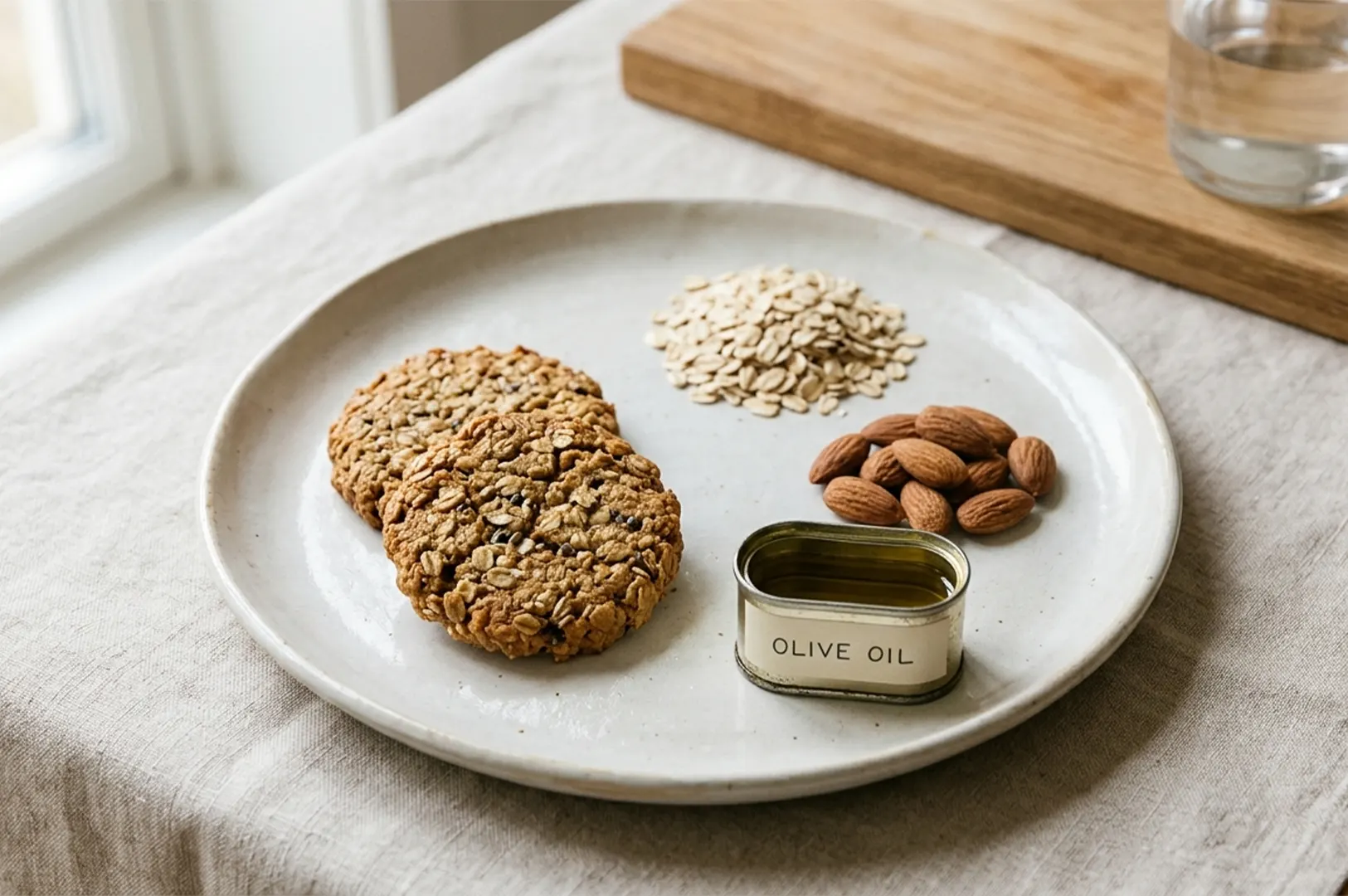
Fibre is the unsung hero of blood sugar management. It acts as a natural buffer, slowing down the digestive tract and providing a steady release of energy. Choosing high fibre snacks means you will feel fuller for a longer period, supporting weight loss and diabetes care. Biscuits containing healthy fats such as monounsaturated and polyunsaturated fats, found in nuts and olive oil, help lower high cholesterol and heart disease risk. Avoid unhealthy fats like palm oil and trans fats, which increase the risk of digestive and kidney diseases.
Protein and balanced meals
Biscuits are inherently carbohydrate-heavy, which is why pairing matters so much. When a biscuit contains added nuts or seeds, these elements slow gastric emptying. Protein and fats directly affect satiety. If the biscuit itself lacks these nutrients, balance your snack by pairing it with lean protein sources like low fat dairy products, lean meats, or beans. This creates a much more stable metabolic response and supports balanced meals throughout the day.
Ingredients to watch for diabetes management
The ingredient list tells the true story of your food. Watch out for refined flours listed as the very first ingredient, as well as hidden syrups, artificial sweeteners, and added sugars. We also need to be mindful of “health halos” products that look incredibly healthy on the packaging but are packed with simple starches or foods high in carbohydrates. Sugar alcohols, often used in sugar-free food products, are generally fine but can cause digestive upset for some people if consumed in large amounts.
Portion reality and meal planning
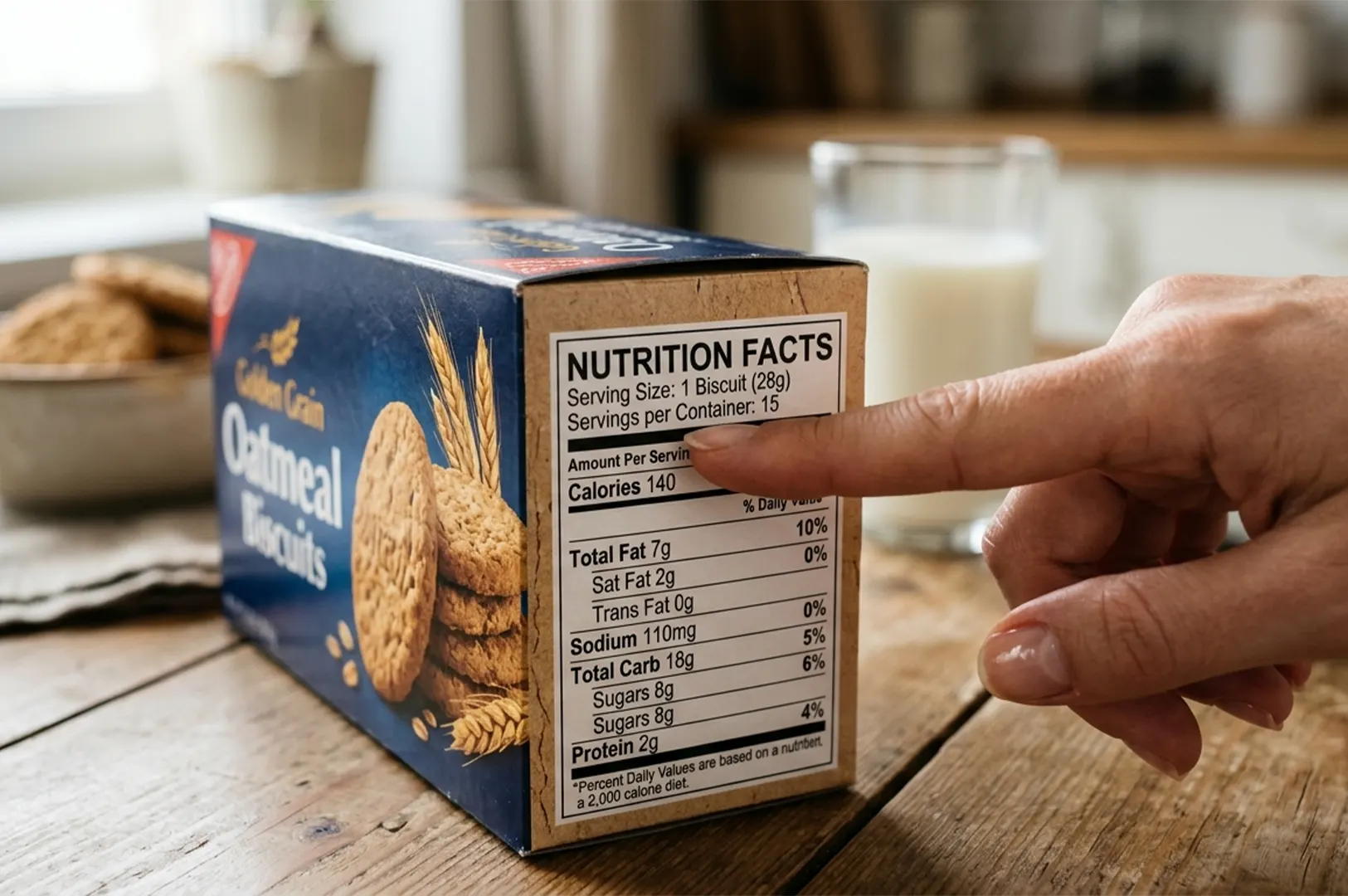
There is often a massive disconnect between the recommended serving size and what people actually eat. A nutrition panel might base its numbers on just two small crackers. To master portion control and manage blood sugar levels, we need to align the serving size on the box with our actual appetite and plan our snacks accordingly. Regular meals and consistent carbohydrate intake are important for maintaining low blood sugar and preventing glucose spikes.
"Diabetic biscuits" in Singapore: what the label really means for eating healthy
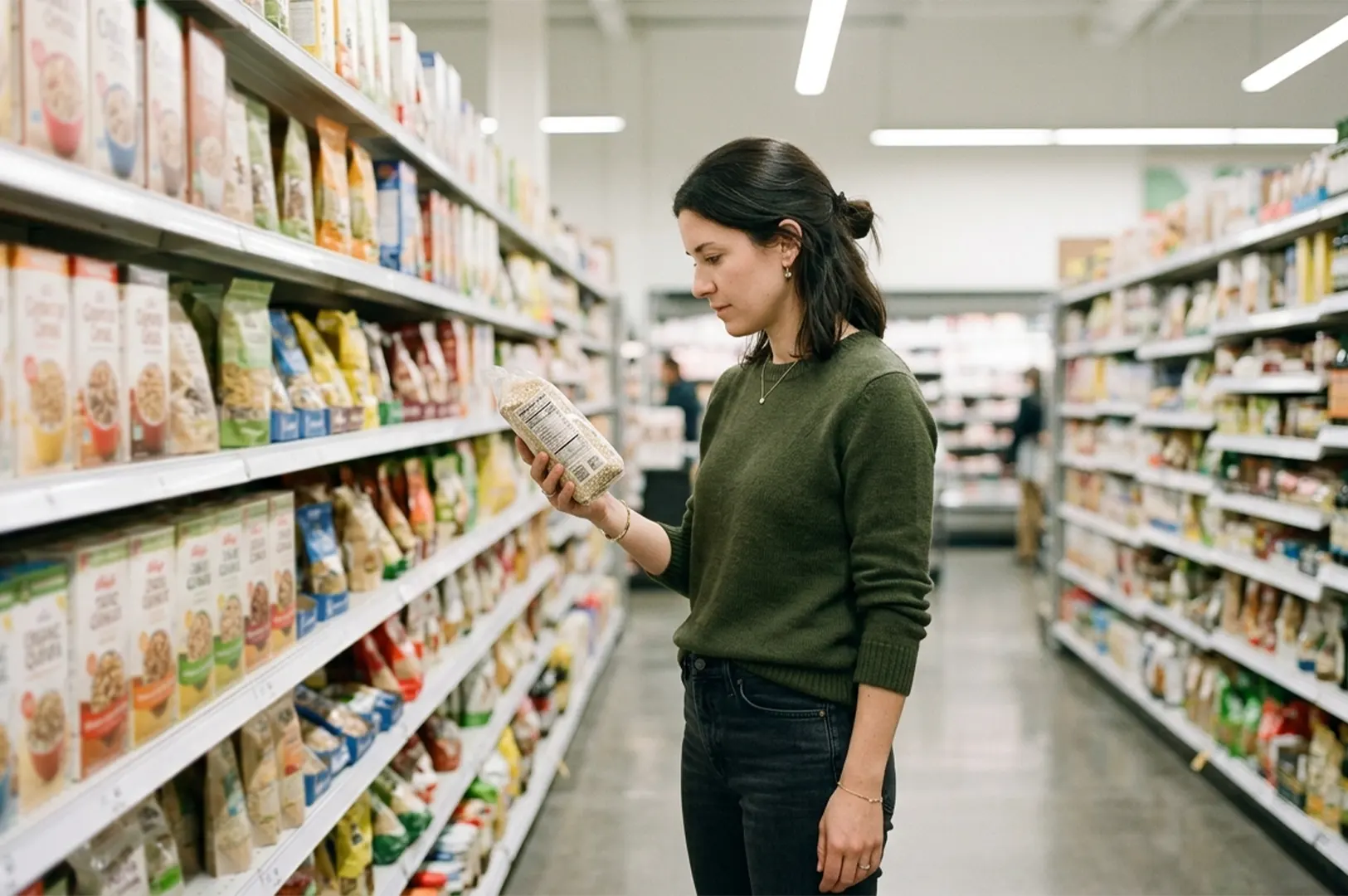
Walking through the pharmacy or supermarket, you will likely see entire sections dedicated to diabetic food products. It is important to clarify that “diabetic-friendly” is very often a marketing term. There is no magic formula that makes a baked good perfectly harmless to blood sugar. When seeking out diabetic biscuits in Singapore, shoppers must still act as their own advocates and carefully read food labels.
To help you navigate the aisles with confidence, here is a practical checklist inspired by the American Diabetes Association:
A quick label check before you buy:
Total carbohydrates per serving (check how many grams you are actually getting)
Fibre grams (aim for higher fibre to blunt the blood sugar response)
Added sugars and artificial sweeteners (keep added sugars as low as possible)
Ingredients order (look for whole grains, nuts, or seeds near the top)
Serving size (ensure it matches a realistic snack portion)
Calories (make sure it fits within your overall daily energy needs)
Type of fats (choose foods with monounsaturated and polyunsaturated fats like olive oil, not unhealthy fats like palm oil)
Note sugar alcohol sensitivity (such as maltitol or xylitol) in case of stomach sensitivity
Make diabetic biscuits work better with smart context and balanced meals
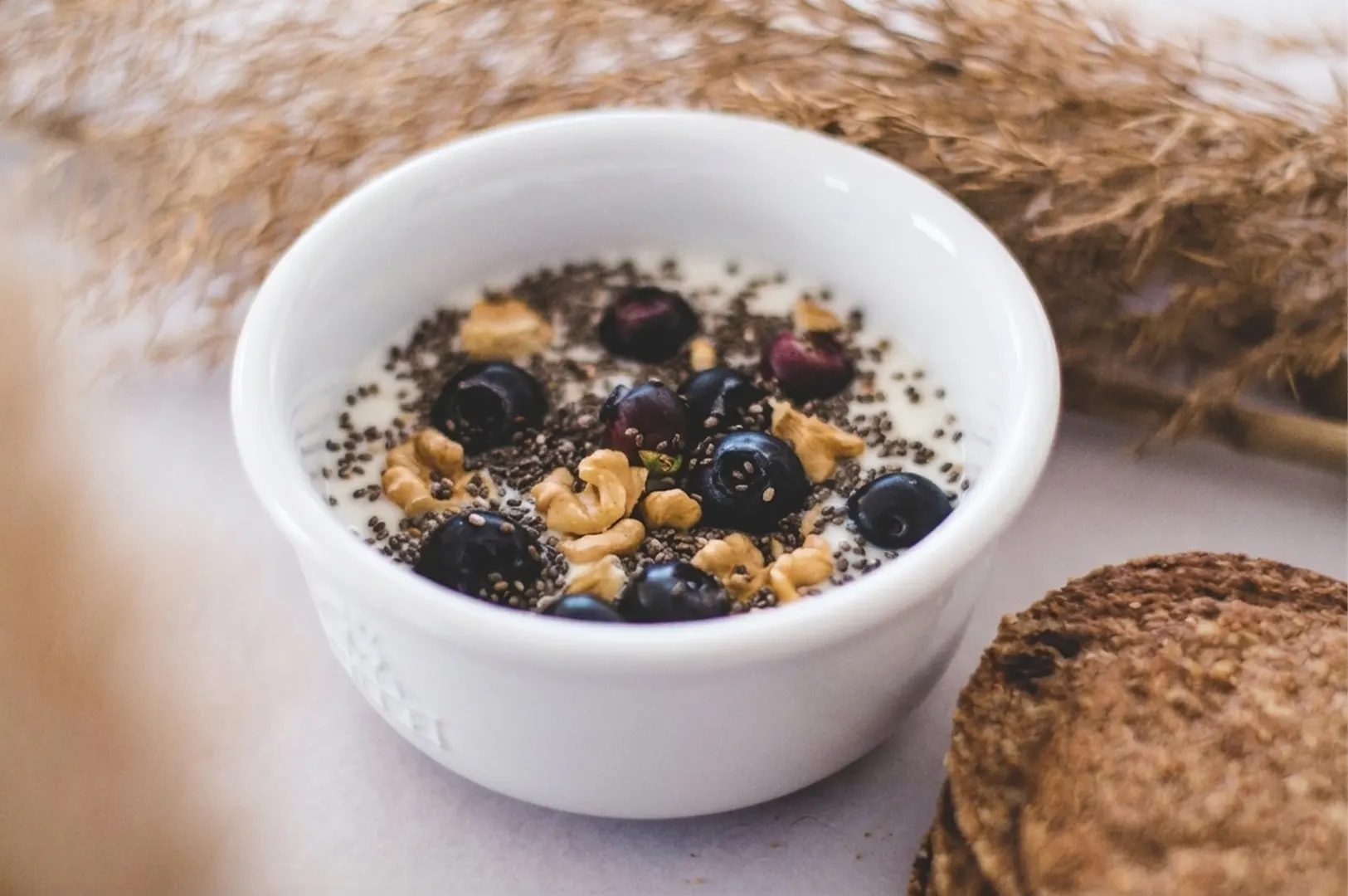
We do not believe in strict deprivation. Instead of banning your favorite treats, we encourage you to make them work better for your body through smart context and meal planning. How and when you eat matters just as much as what you eat.
Start by elevating your snack through thoughtful pairings. If you love a crisp, savory cracker, try pairing it with a spoonful of low fat milk yogurt or a small handful of nuts. If you prefer a sweet oat biscuit, enjoy it alongside a boiled egg or a serving of non starchy vegetables like carrots or broccoli. The added lean protein and healthy fats will completely change the glycemic index impact of the meal, keeping your energy stable and your stomach full.
Timing also plays a vital role. Enjoying your diabetes-friendly snacks Singapore style during an active part of your day (like a mid-morning break with physical activity) is often better than mindless late-night grazing in front of the television.
Finally, build a snack ritual. Instead of eating directly from a crinkling plastic packet, take a moment to place two or three diabetic biscuits on a beautiful small plate. Fill half your plate with more vegetables or low fat dairy products, and fill one quarter with lean protein or whole grains like brown rice or oats. Sit down, breathe, and savor the texture and flavor. This simple act of mindfulness naturally enhances portion control and brings immense joy back to eating healthy meals.
The emotional side of diabetes management: cravings are data, not failure

It is time we stop viewing cravings as a sign of weakness. Cravings are simply data. They are your body communicating with you. When you suddenly desperately want a sleeve of sweet biscuits, your body might be telling you that you did not eat enough protein at lunch, that you are dehydrated, or that you are severely lacking sleep.
Living in a fast-paced city brings a lot of stress, and stress directly impacts blood sugar and appetite. Normalize these feelings. When a craving hits, take a gentle pause. Ask yourself if you need physical nourishment or emotional comfort. You are entirely capable of navigating these moments. Swap the shame for curiosity. You are not failing; you are simply learning how to balance your unique needs.
Confident food choices for everyday joy and diabetes care
Managing your health is not about achieving flawless dietary perfection. It is about consistency, self-compassion, and growing your confidence every single day. You can absolutely enjoy the comforting crunch of diabetic biscuits while actively supporting your wellness goals. Blood sugar friendly snacks and healthy foods are well within your reach when you know what to look for and how to enjoy them.
I encourage you to pick one practical action today. The next time you visit the supermarket, choose one new diabetic biscuit option and practice your label reading. Or, if you already have a favorite snack at home, practice portioning it onto a small plate and pairing it with a handful of walnuts or a glass of low fat milk.
Every small, positive choice you make is a victory. Share this article with a friend or family member who might need a little encouragement today, try the label check on your next grocery run, and continue to explore more delicious, empowering ways to thrive in your daily life with diabetes management.
For a more deep dive into diabetes, visit and click Rethinking Local Flavours with Diabetes Food Singapore: A Guide to Healthy Eating and Blood Sugar Control for more healthy eating choices