It’s four in the afternoon. Lunch feels like a distant memory. My stomach starts making noises, and my hand drifts, almost on its own, toward the tin of biscuits in the office pantry. Or the chips. Or the kopi that will keep me wired until midnight.
I’ve lived that moment more times than I can count.
For years I told myself the 4pm raid didn’t matter. A few biscuits here, a packet of chips there. But I noticed I’d feel hungry again by 5pm, then sluggish by 6pm, and somehow still reaching for dinner like I hadn’t eaten at all. Less guilt, more energy — that’s what I was after. It just took a while to find the right snacks to get there.
So let me share what I’ve learned since. Not as some nutrition guru, but as someone who got the 4pm thing wrong plenty of times before working out something that actually holds.
Here’s the honest starting point: good snacking isn’t about resisting food between meals. It’s about choosing something satisfying enough to carry you to the next proper meal, without turning your whole day into constant grazing.
What Actually Counts as Healthy Snacks in Singapore
This tripped me up for a long time. I used to think “healthy” meant whatever the packet said. Organic. Baked. Protein. Low-fat. Vegan.
None of those words guarantee much.
A baked snack can still be packed with sodium. A protein bar can behave more like a chocolate bar wearing a gym singlet. I’ve been fooled by all of them. Even snacks made with natural ingredients can be loaded with added sugar or salt if you don’t check.
What I look for now is simpler. A useful everyday snack should tick at least two of these three boxes:
Protein: yoghurt, milk, soy milk, eggs, nuts, edamame, chickpeas
Fibre: fruits, vegetables, wholegrains, legumes, nuts
Minimal added sugar and sodium: plain or lightly seasoned, not heavily flavoured
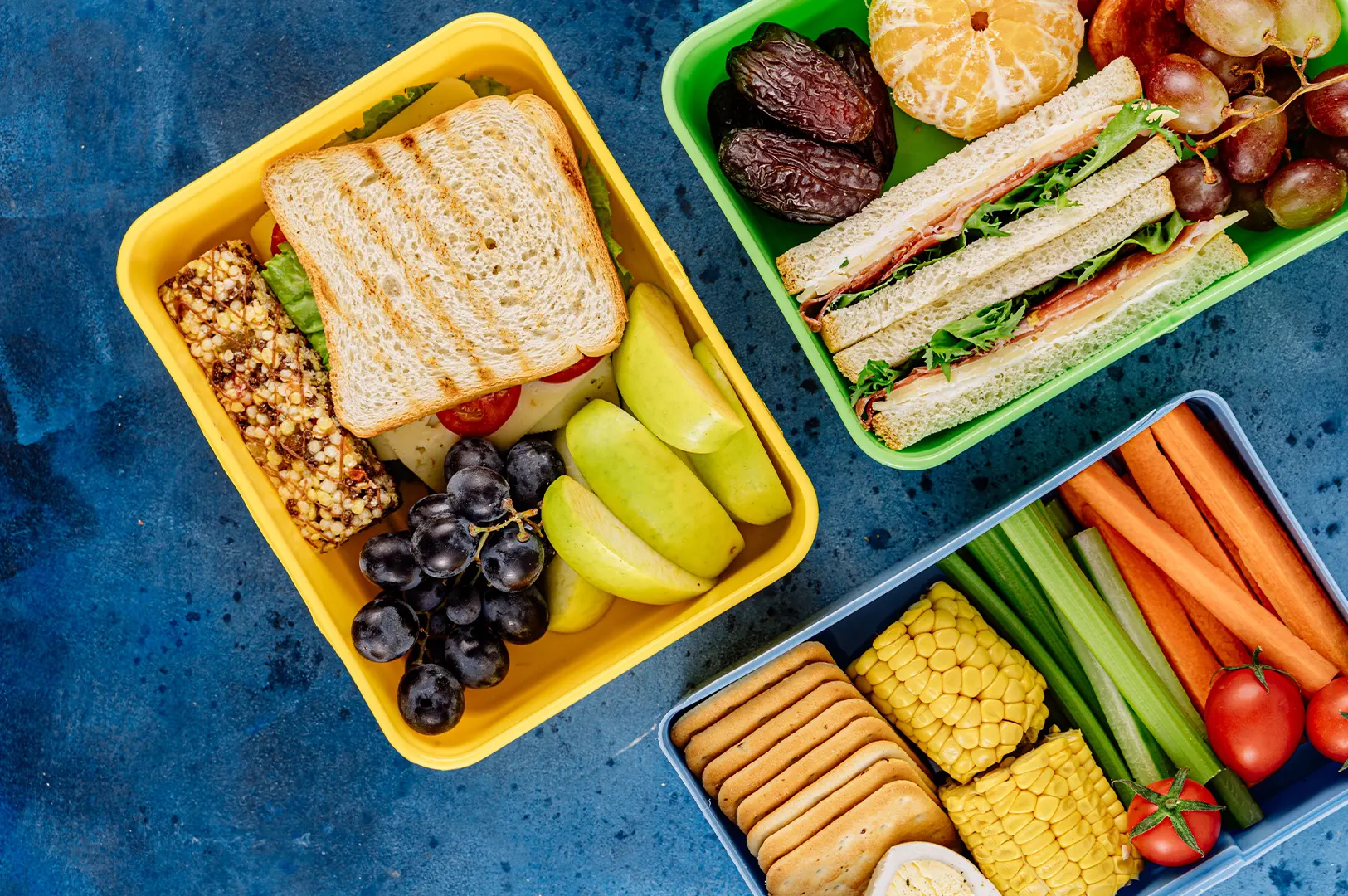
Banana and yoghurt gives you fibre plus protein. Apple and nuts gives you fibre plus fat and protein. Edamame does both in one food. Once you think this way, you stop memorizing product lists and start building your own combinations. Your tastebuds adjust faster than you’d expect, and your body follows.
Pro tip: If a snack is mostly refined carbohydrate on its own, like plain crackers or a sweet biscuit, you’ll likely feel hungry again within the hour. Add a little protein or fat and it carries you much further — and helps keep blood sugar steadier too.
A Simple 5-Step Supermarket Check
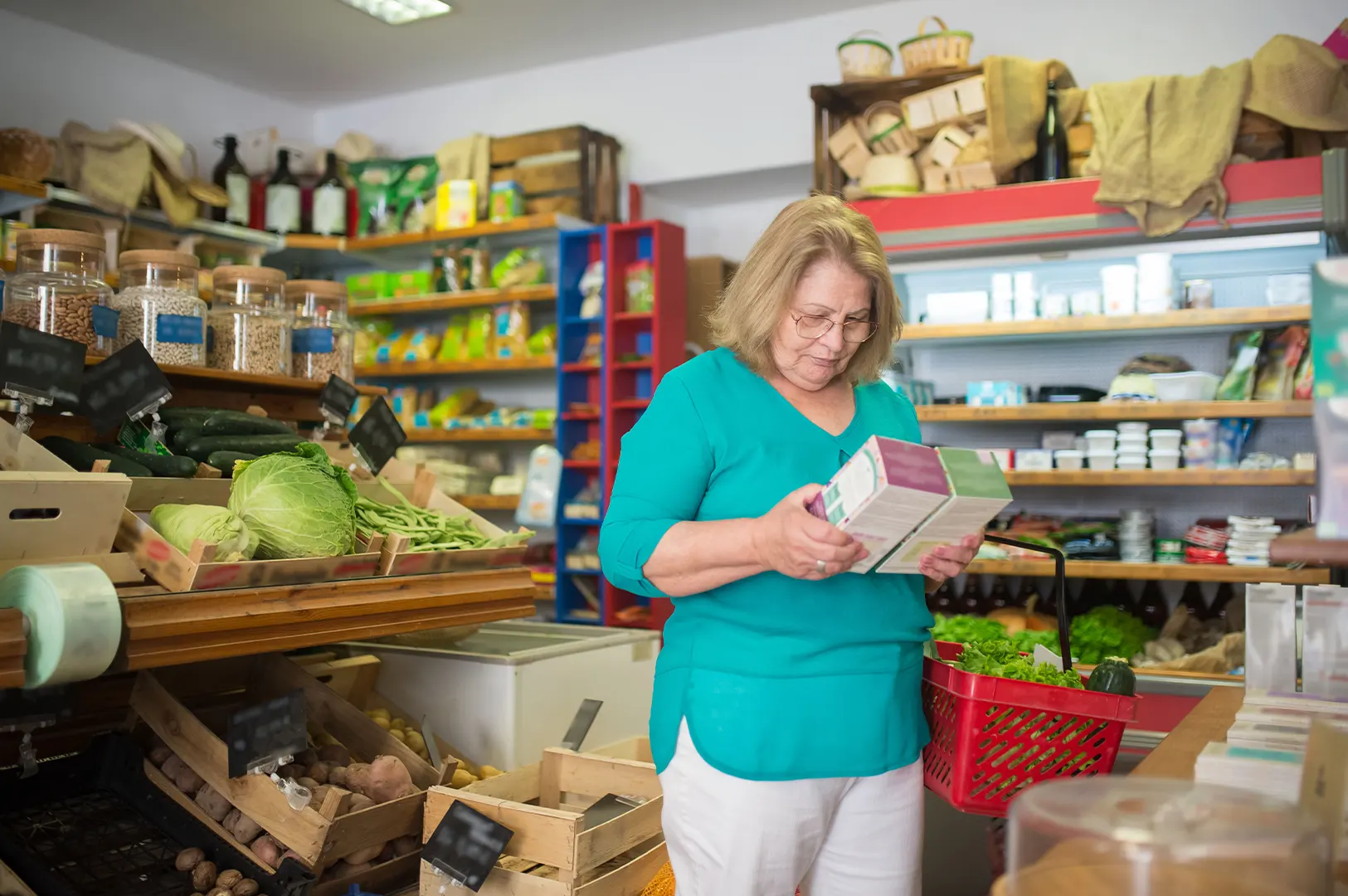
You don’t need to decode every label in NTUC. I use five quick questions instead.
1. Am I actually hungry? Sometimes it’s boredom or stress, not hunger. Even nutritious food adds up if you’re eating out of habit.
2. Can I start with something minimally processed? Fresh fruit, plain yoghurt, edamame, roasted nuts, roasted chickpeas. Less label reading needed.
3. Is there fibre or protein? These make a snack far more satisfying than sweets or a sweetened drink alone.
4. What do the sugar and sodium look like? HealthHub’s steady advice is to choose lower sugar and lower sodium, and to compare similar products within the same category.
5. What’s the serving size? A good food can still become an oversized snack. Watch your calories this way, not by avoiding food altogether. This one caught me out for years, and I’ll get to that.
Healthy Snack Ideas: Singapore Combinations I Come Back To
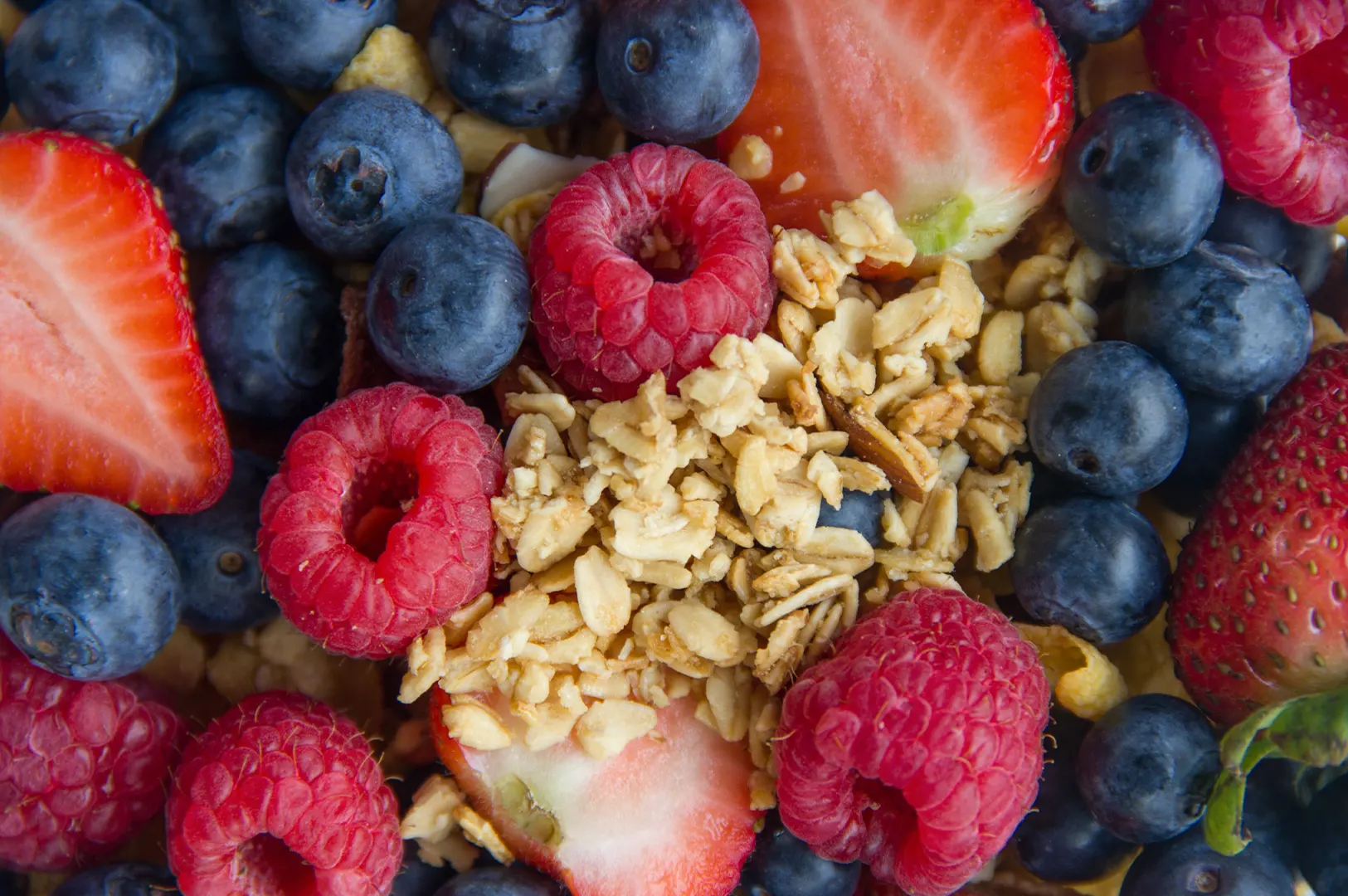
None of this has to look Western. Some of my favourites are the ones I grew up seeing — and they’re perfect for everyday convenience.
Fresh fruit. One serving. Fibre, vitamins, naturally sweet. An apple, a banana, a carton of cut papaya from the provision shop. Hard to overthink.
Plain Greek yoghurt with fruit. A small cup, creamy and filling. I keep the plain kind and add my own fruits, so I control the sugar. Mix in some sunflower seeds for crunch and a little extra fat.
Roasted nuts. A small handful, not the whole packet. Rich in nutrients, satisfying to chew.
Steamed edamame. About half a cup. Plant protein and fibre together, and frozen packs make it almost effortless. A good snack sign is when it keeps you energised until dinner.
Hard-boiled egg with fruit. An egg costs next to nothing when you boil a few at home.
Lower-sugar soy milk. A small carton, easy to grab. Check the Nutri-Grade label when buying packaged versions.
Kacang puteh. The old-school roasted chickpea snack many of us remember from the cinema. HealthHub actually points to this as a sensible option, and I love that something this familiar still holds up.
Steamed sweet potato or steamed corn. Warm, filling, quietly satisfying. My grandmother kept steamed sweet potato around, and I’ve come back to it as an adult without quite realising why.
Veggie chips with hummus. Carrot sticks, cucumber slices, celery. Dip them into hummus for fibre plus protein and a crunch that actually does something for you.
Popcorn. Unsweetened, plain. A high-volume wholegrain snack that feels like more than it is.
Insider knowledge: Two snacks can look almost identical but sit worlds apart nutritionally. Steamed edamame versus heavily salted snack beans. Plain popcorn versus caramel popcorn. Steamed chickpeas versus deep-fried nuts. Steamed, grilled, baked or dry roasted usually beats deep fried — and your skin and body will thank you for it over time.
Reading Labels, and Using HCS and Nutri-Grade
Singapore actually gives us good tools here. I just had to learn to use them properly.
The Healthier Choice Symbol(HCS) marks products that are healthier than comparable ones in the same category, whether that’s lower sodium, less sugar, or more wholegrains. There are around 4,000 of these products now.
But here’s the misconception I held for too long: HCS does not mean “eat without limits.” An HCS ice cream is still ice cream. It’s healthier than a similar product, not the equal of an apple. Even HCS products deserve moderation.
For drinks, Nutri-Grade grades beverages from A to D based on sugar and saturated fat. Water first. A or B when you want something packaged. Go easy on C and D.
When comparing packaged snacks, I read the per 100g column rather than trusting the manufacturer’s serving size, which can be suspiciously small. I watch added sugar in flavoured yoghurts and granola bars, sodium in seaweed snacks and crackers, and saturated fat in coconut-based or “keto” snacks. Don’t let the texture or taste fool you — a rich, creamy snack that feels indulgent often is.
The Health Halo Mistakes I’ve Made
Let me be honest about where I got it wrong.
“Natural.” I assumed this meant low sugar. It doesn’t mean anything reliable at all. Some products made with natural ingredients still throw in a surprising amount of salt or chocolate coating.
“Protein.” I bought protein cookies thinking I’d made a smart choice. Some carry as much sugar and saturated fat as a regular treat. The nutrition panel matters more than the word on the front.
“Gluten-free.” Genuinely important if you need it medically. But it isn’t automatically healthier, and I wasted money treating it like a health badge.
“Low-fat.” Manufacturers often make up for lost fat with extra sugar. I learned to check.
“No added sugar.” The product can still be full of naturally occurring sugars or concentrated dried fruit — which brings me to the next section.
The habit that fixed all this was boring but effective: turn the packet around and read the back instead of believing the front.
What You Should Know About Dried Fruit
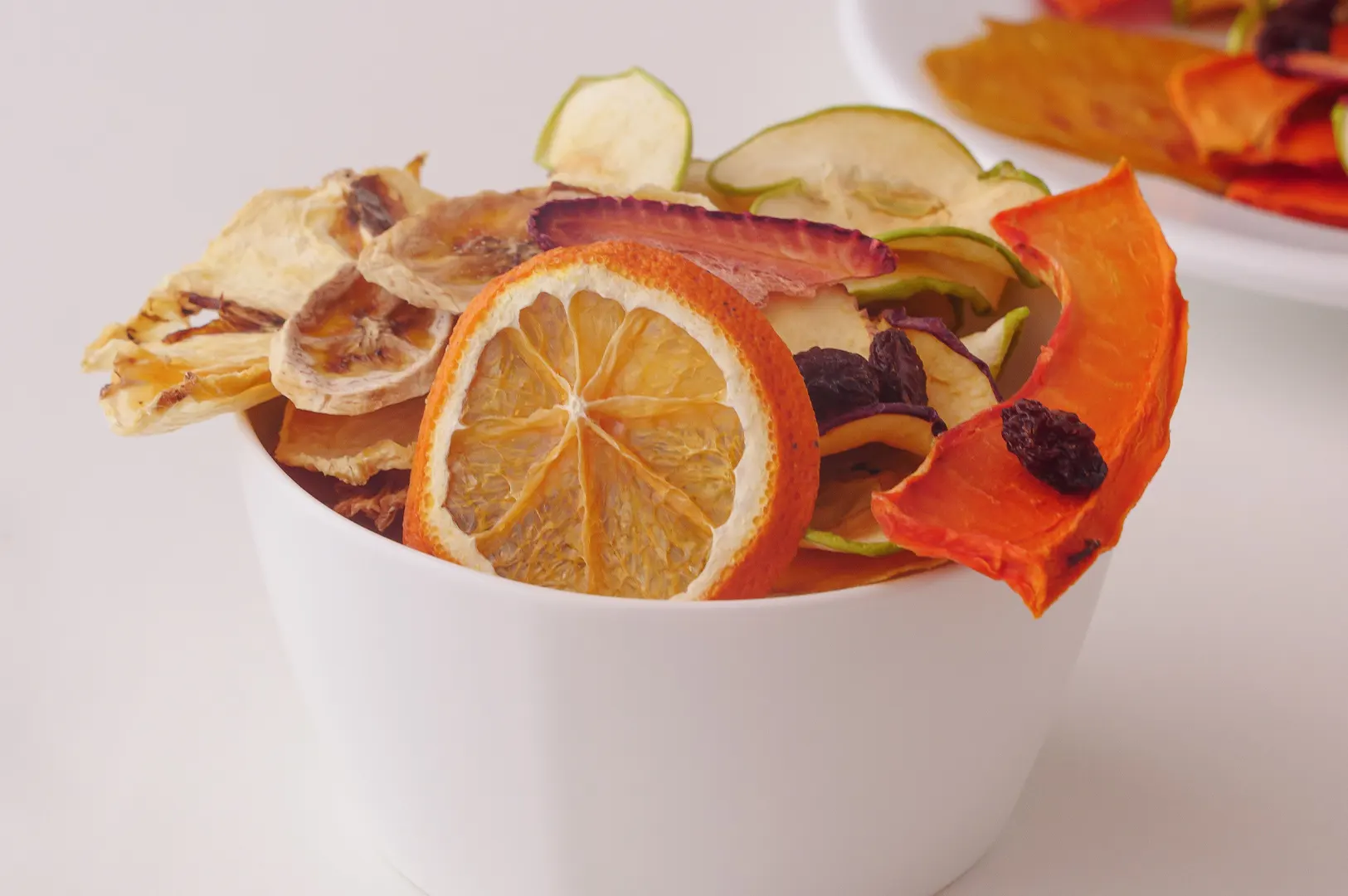
Dried fruit is one of the sneakiest snacks in the health food box.
I used to buy dried mango and dried cranberries by the bag, thinking I was doing myself a favour. And in some ways, I was. Dried fruit contributes real nutrients — fibre, vitamins, minerals. But it’s also concentrated. You can eat four times the volume of fresh fruit without realising it, and the sugar adds up fast.
Unsweetened versions are better than sweetened ones, but the portion still matters. A small handful of dried apricots or raisins is a reasonable addition to oats or yoghurt. A fistful straight from the packet every afternoon is a different story. Mix it with nuts and seeds if you’re making a trail mix, so protein and fat slow the sugar absorption a little.
I still enjoy dried fruit. I just buy it in smaller packs now, or bake it into something where the portion is already fixed.
A Word on Dark Chocolate
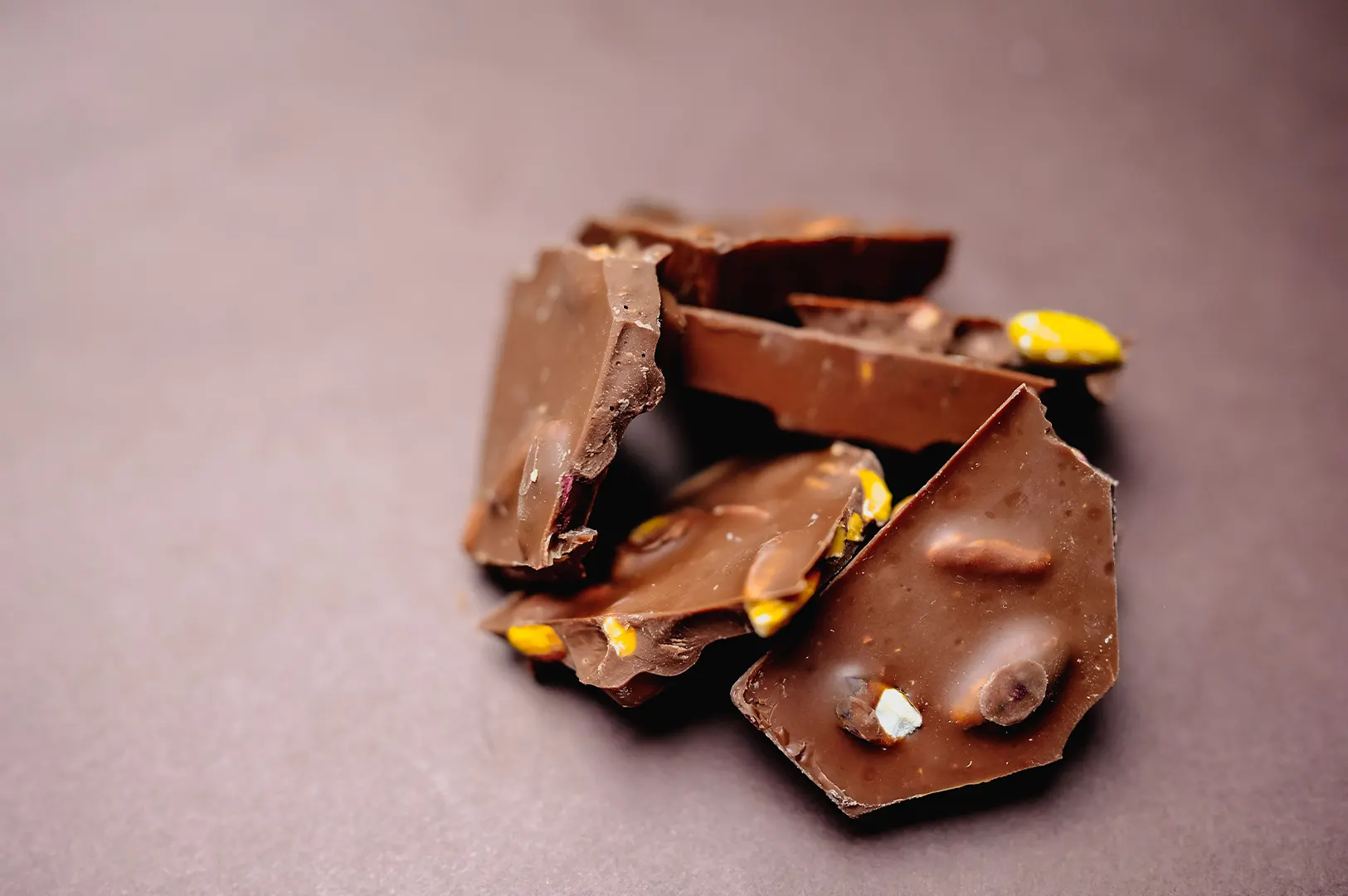
Dark chocolate is probably the snack I’m most often asked about, and my honest answer is: it depends on the bar.
Good dark chocolate — typically 70% cocoa or higher — contains real nutrients. Antioxidants, some fibre, less sugar than milk chocolate. A square or two in the afternoon satisfies something that nothing else quite reaches. I’ve found it pairs well with a handful of nuts. The bitter richness of dark chocolate with the crunch of almonds is one of the better combinations I’ve landed on.
The problem is that “dark chocolate” on a label doesn’t always mean what you’d hope. Some bars in that section of the supermarket are only marginally darker than a regular milk variety, with enough added sugar to cancel any benefit. Check the ingredients list: cocoa solids should come first, and sugar should be low on the list, not second.
I treat dark chocolate as a daily flavour I enjoy in small portions, not a health food I consume freely. That framing has kept it pleasant rather than guilt-ridden.
Pro tip: A square of 70%+ dark chocolate alongside a small handful of roasted nuts is one of my favourite late-afternoon combinations. It satisfies the mouth without derailing the rest of the day.
Real Singapore Scenarios
The 4pm office pantry raid. You had economical rice at noon, and now it’s biscuits, instant coffee and chips staring at you. My fix isn’t willpower. It’s stocking my drawer beforehand, so the easiest available snack is already a decent one. A piece of fresh fruit, a plain yoghurt, individual nut portions, some wholegrain crackers.
The late-night convenience store stop. You finish work hungry and walk into a 7-Eleven. Instead of crisps and sweet tea on autopilot, reach for a lower-sugar milk or soy drink with some nuts, or yoghurt with fruit where they have it. Nutri-Grade A or B on the drink is a quick shortcut.
The student after school. Bubble tea, fries, packaged sweets. Cheap, social, convenient. Telling teenagers to simply stop is useless, and I’d never say it. Smaller swaps work better. Bubble tea less often, or a smaller cup. A steamed pau or fruit some days instead of fried snacks. Water instead of the sweetest drink.
The weight loss portion trap. This was my mistake, and it stung. I swapped potato chips for almonds, felt very pleased with myself, then ate straight from a 500g bag while watching TV. The calories didn’t change much at all. Nuts are nutritious and energy-dense at the same time. Portion the handful out, then put the bag away.
What Healthy Snacks Actually Cost
Good snacking here does not require a specialty health-food shop or expensive protein powders. That’s the part I most want you to believe.
Some rough numbers from the supermarket:
Frozen unsalted edamame: around S$2.95 for 500g, which works out to under a dollar per portion
Basic yoghurt cup: around S$1.85 for 130g for some local options
Higher-protein imported yoghurt: roughly S$3.50 to S$4.40 per cup or pouch
A banana or basic fruit: S$0.50 to S$1.50
Boiled eggs at home: around S$0.50 to S$1 each
A homemade portion of roasted nuts: S$0.80 to S$2
Compare that to a café smoothie or protein snack, which commonly runs S$6 to S$12 or more. Bananas, eggs, soy milk, peanuts, chickpeas and a big tub of plain yoghurt will quietly out-perform most branded “health foods.”
Pro tip: Larger yoghurt tubs almost always give better value per serving than single-serve cups. Buy one plain tub, portion it yourself, and add your own fruits and a sprinkle of sunflower seeds.
For those exploring healthier options, you might also enjoy our guide to vegetarian restaurants in Singapore, offering delicious and nutritious meals that complement a balanced diet.
A Few Questions I Get Asked
Do I even need to snack? No. Snacking earns its place when real hunger shows up and the next meal is still far off. If it’s habit or boredom, that’s worth noticing.
Are roasted nuts healthy even though they’re high in calories? Yes, in moderation. Plain or HCS varieties, a small handful, not the bag.
Are dried fruits as good as fresh? They carry nutrients but concentrate quickly, and they’re very easy to overeat. Unsweetened and smaller portions make more sense. I still prefer whole fruit most of the time.
Is granola always a healthy snack? No. Some are heavy with added sugar, oils or chocolate. Read the panel and compare similar products before you buy.
Can chips ever be reasonable? Occasionally. Veggie chips or HCS versions can be lower in sodium or portioned into smaller packs. Just don’t let them crowd out fresh fruit, yoghurt or nuts.
Is fruit juice a healthy snack drink? Whole fruit is generally more filling because it keeps its fibre. Water stays the default for me.
One Last Thought Before You Go
Here’s what I’ve come to believe, after all the 4pm raids and the almond-bag lesson.
Singapore’s real snacking challenge was never scarcity. Food is everywhere, often until late. The challenge is constant availability, and the quiet pull of whatever happens to be within reach.
So I stopped sorting foods into “good” and “bad.” A curry puff or a kaya toast now and then isn’t the enemy. Frequency and portion matter just as much as the food itself. On most days, I lean on fresh fruit, yoghurt, nuts, edamame, eggs, soy milk and a warm steamed sweet potato. On some days, I enjoy a square of dark chocolate and don’t overthink it. That balance holds better than any strict rule I ever tried.
Start small. Stock one drawer. Portion one handful. Read one label from the back.
If you’d like more grounded, everyday guidance on eating well here at home, come and sit with us at Healthy Food Guide. Pull up a chair. There’s plenty more to share.