
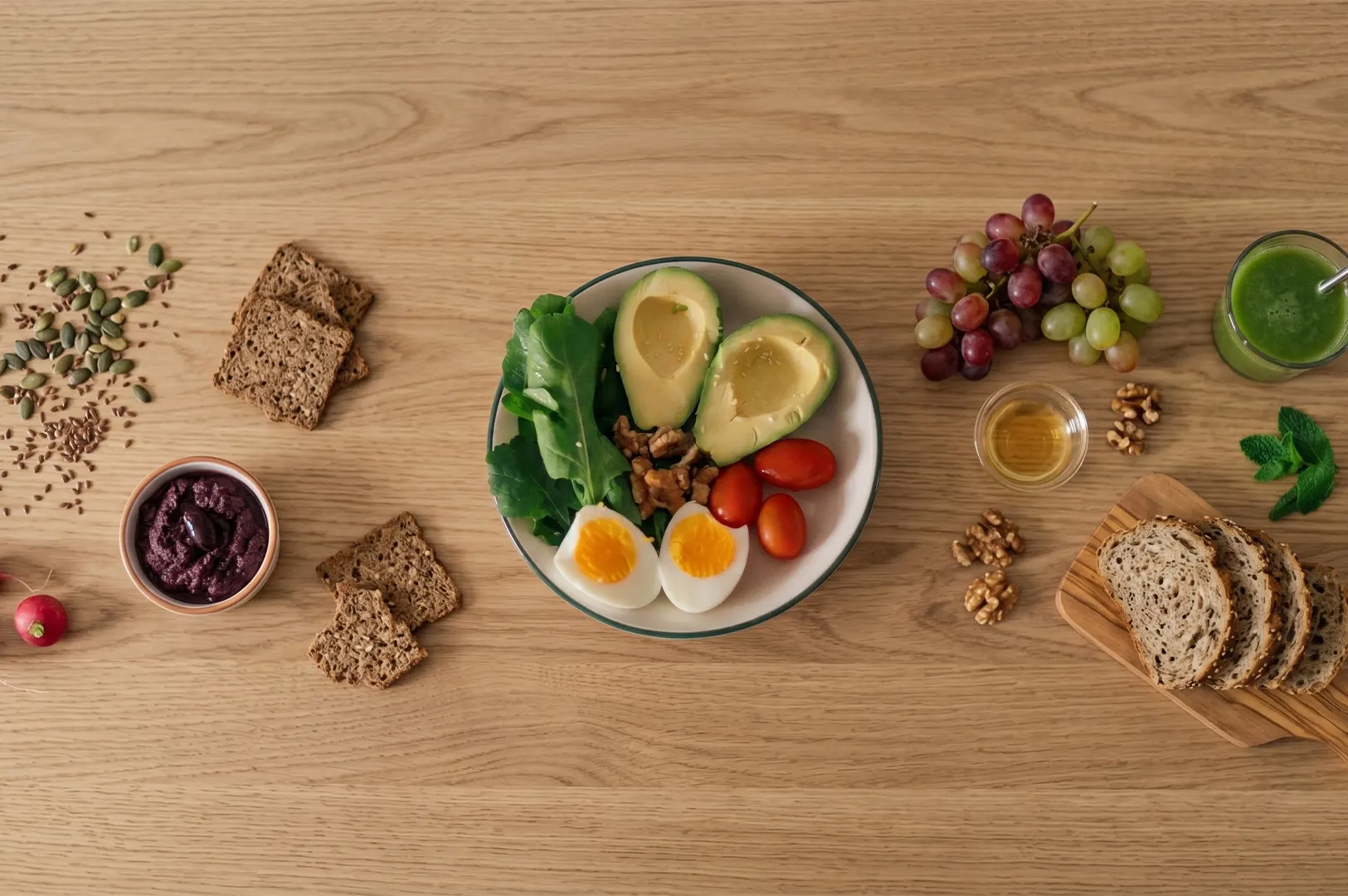
I used to think the ultimate health flex was ordering a salad with the dressing on the side. I vividly remember sitting in a bustling cafe, aggressively stabbing at dry lettuce, convinced I was doing my body a massive favor by dodging every single drop of oil. The reality? I was absolutely starving an hour later. I learned the hard way that avoiding dietary fat does not make you healthier. It just makes you miserable, endlessly hungry, and incredibly prone to late-night snacking.
For decades, we have been told that eating fat automatically leads to weight gain and high blood cholesterol levels. We panicked over butter, feared avocados, and bought millions of boxes of low fat cookies. Today, I want to clear up the massive confusion surrounding fat nutrition. We are going to uncomplicate the science, banish the lingering keto and seed oil misconceptions, and figure out how to actually enjoy your food again, focusing on the importance of saturated and trans fats, animal fats, dairy fat, and tropical oils in our diets.
Why Fat Got a Bad Reputation (and why it stuck)
The fear of dietary fat really took off in the late twentieth century. Dietary guidelines pointed the finger at fat as the primary cause of heart disease and expanding waistlines. The logic seemed simple enough: fat has more calories per gram than protein or carbohydrates, so eating fat must make you fat.
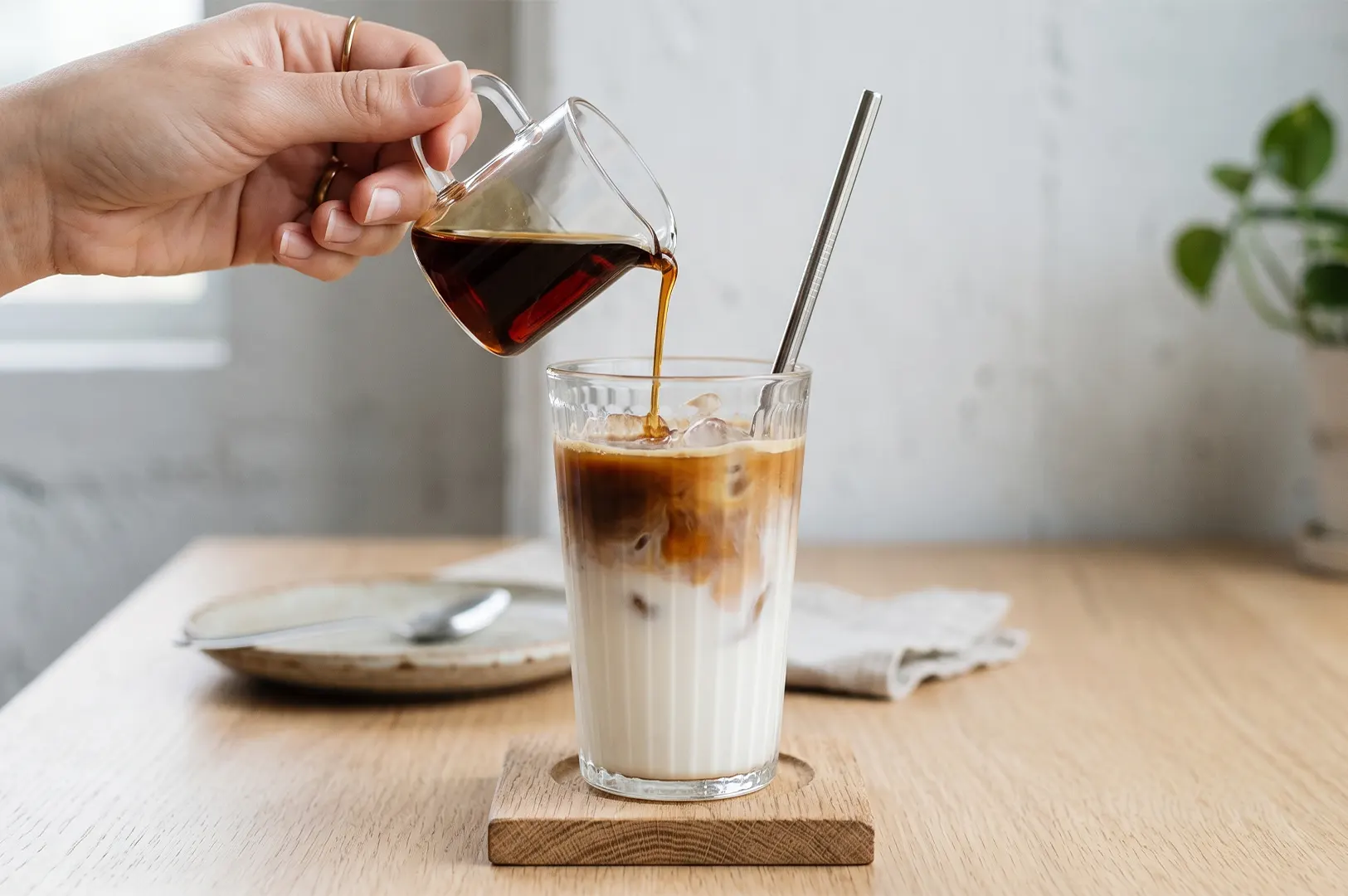
But human biology is far more complex than simple addition and subtraction. When the food supply rushed to create “low fat” products, they removed the fat but lost all the flavor. To make these foods palatable again, they replaced the fat with massive amounts of refined sugar and artificial fillers. We traded a vital macronutrient for empty sugar spikes. We became a society terrified of a drizzle of extra virgin olive oil, yet totally fine with drinking 50 grams of liquid sugar in our morning coffees.
What Fat Actually Does in Your Body: Dietary Fat and Its Role
When I first tried building balanced meals, I viewed fat as an optional extra. In reality, fat plays a biological necessity. Your brain is composed of nearly 60 percent fat, and it relies on dietary fat to function optimally.
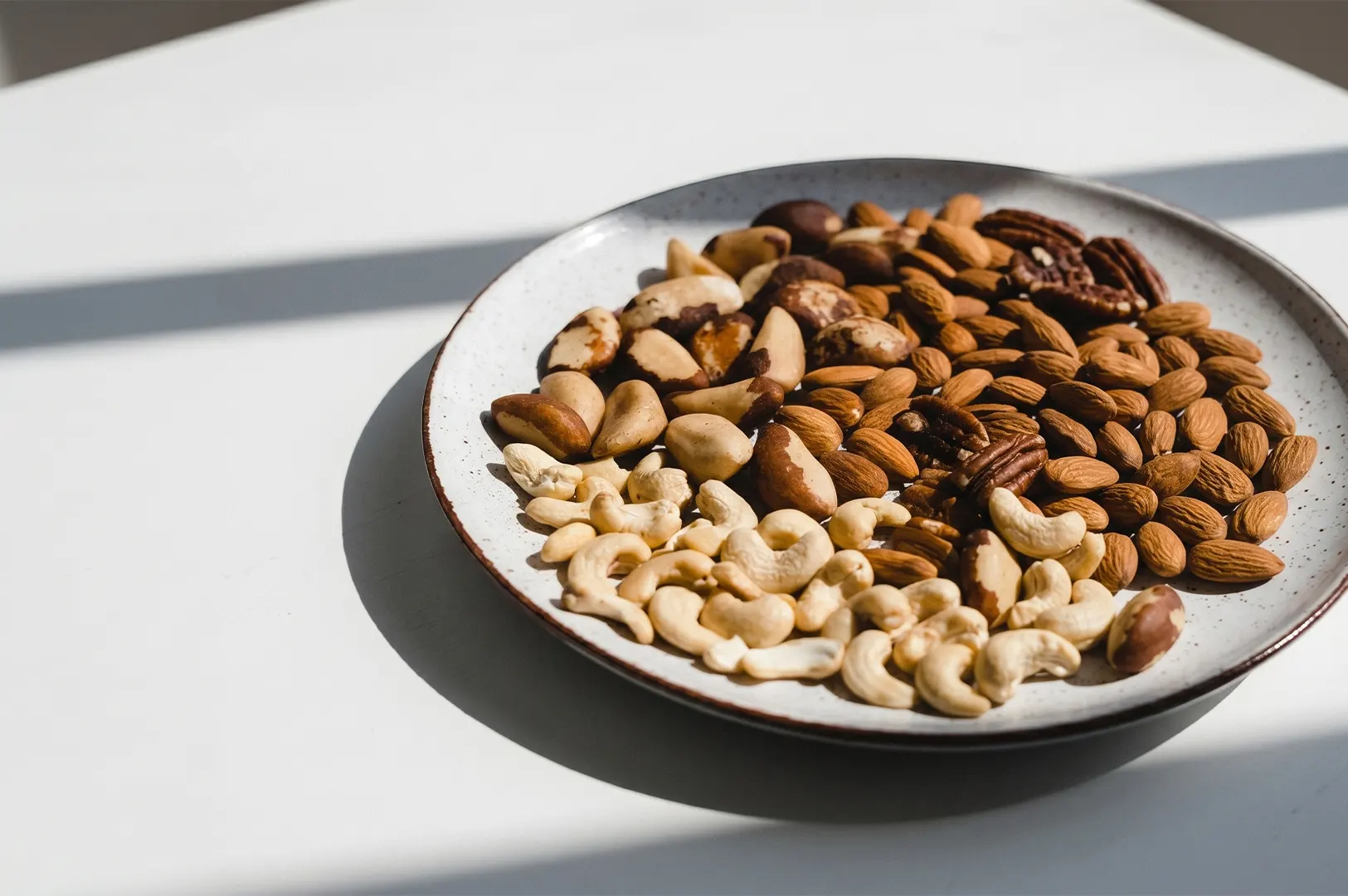
Fat is the foundational building block for your hormones and the body’s cells. If you chronically restrict it, you might notice your energy levels crashing, your mood swinging wildly, or your blood pressure suffering. Furthermore, your body simply cannot absorb essential fat soluble vitamins A, D, E, and K without the presence of fat. You could eat a massive mountain of dry spinach, but without a little oil or nuts, your body will struggle to extract the vitamins locked inside those leaves.
Insider knowledge: Fat acts as a braking system for your digestion. When you pair fat with carbohydrates, it slows the release of glucose into your bloodstream, preventing those massive energy spikes and subsequent crashes.
My Biggest Mistake With "Eating Low Fat" (and what I do now)
I used to navigate supermarket aisles like a low fat detective. My biggest mistake was falling for the “health halo” of low fat dairy products. I would buy tubs of low fat strawberry yogurt, thinking I was making the smart choice. In my experience, those sweetened, low fat dairy foods just spiked my blood sugar and left my stomach growling.
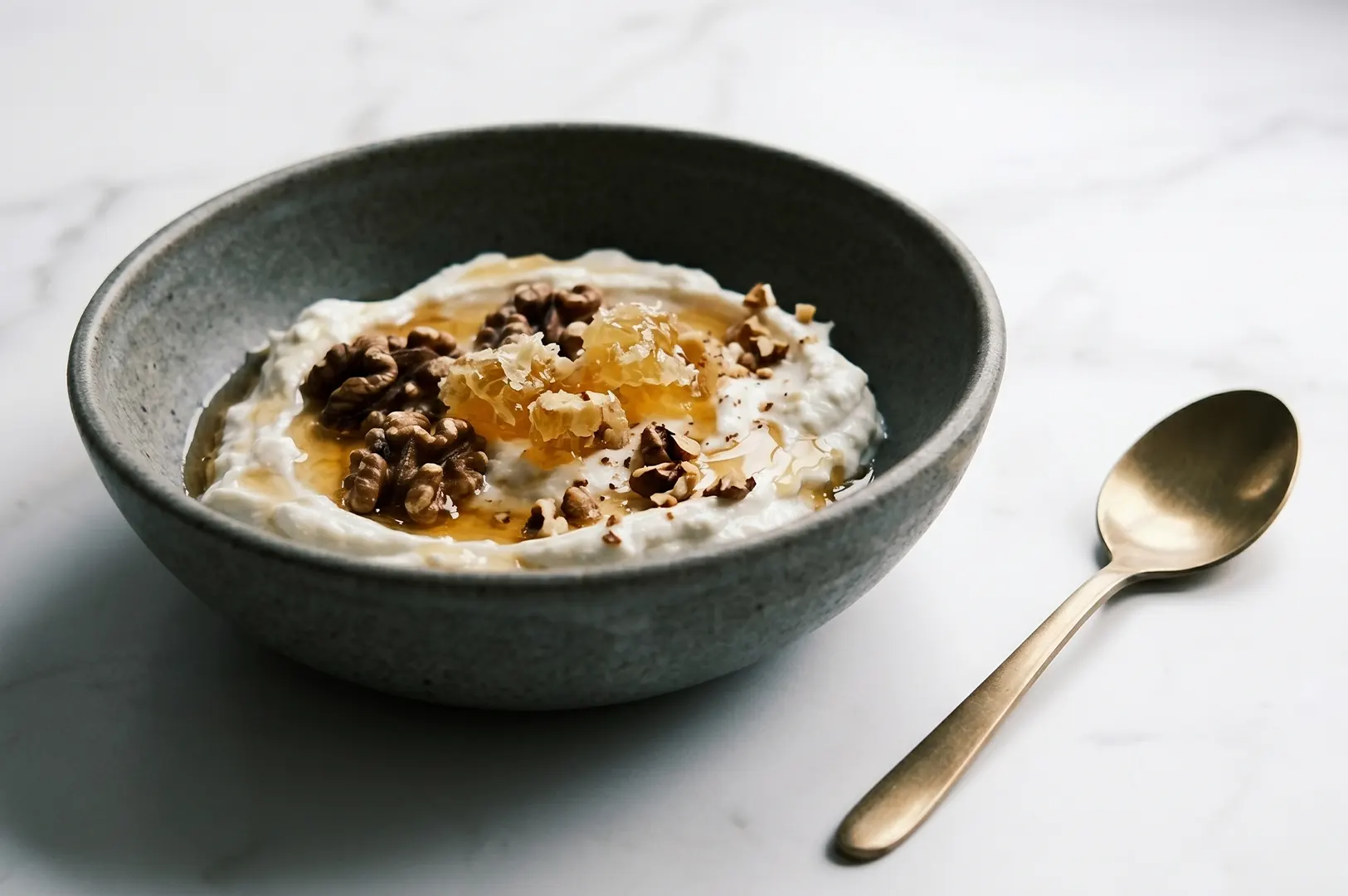
Once I switched to full fat, unsweetened Greek yogurt, everything changed. A small bowl of high fat dairy products like full fat yogurt topped with a handful of walnut oil-rich nuts kept me completely full from breakfast until a late lunch. The rich texture made it feel like a treat, not a punishment. I stopped over-snacking because my meals were finally satisfying.
As a practical guide, fat can make up about 25–30% of total energy intake, or roughly 55–65 grams a day on a 2,000 kcal diet. Within a healthy diet, saturated fat is best kept below 10% of daily calories, around 20 grams on a 2,000 calorie diet. The palatability of real food is crucial. When your food tastes good and physically sustains you, you stop obsessing over your next snack.
The Types of Fat Most People Confuse: Saturated Fat, Unsaturated Fats, and Trans Fats
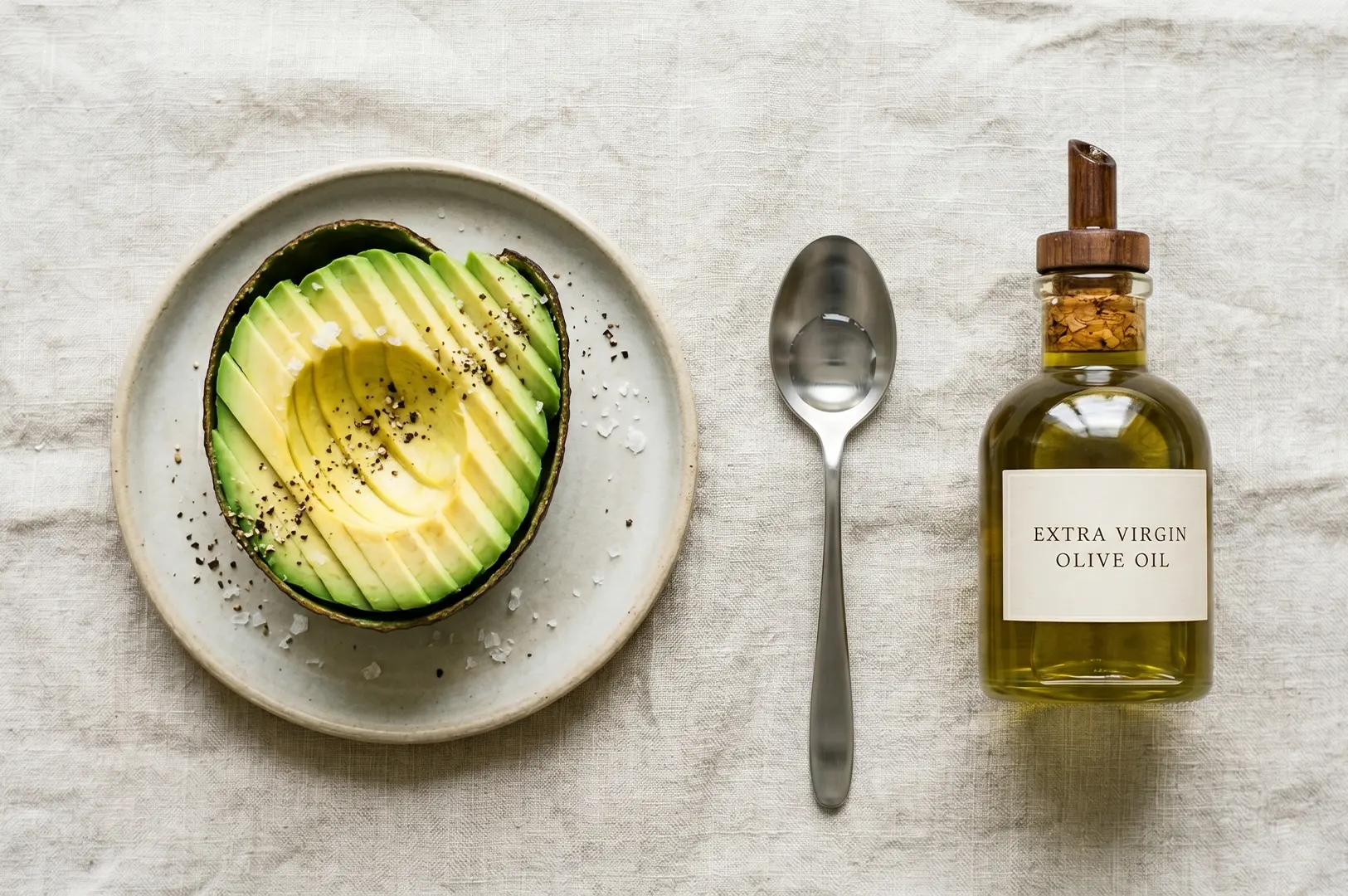
You do not need a biochemistry degree to make smart choices. You just need to know the basic cast of characters among the types of saturated and unsaturated fats.
Unsaturated fats are your absolute best friends. These include monounsaturated fats and polyunsaturated fats, commonly found in avocados, extra virgin olive oil, canola oil, soybean oil, walnut oil, and fatty fish like salmon. They are phenomenal for heart health and keeping your cell membranes flexible. They can also improve blood cholesterol levels, reduce inflammation, and lower heart disease risk.
Then we have saturated fats, found mainly in animal foods such as dairy and meat, alongside coconut oil and palm oil. Unlike unsaturated fats, which are often liquid at room temperature, these fats are usually solid at room temperature because of their molecular structure, which also affects cardiovascular health. You do not need to panic over saturated fat intake, but you should not drink it by the gallon like some extreme keto diets suggest. It is simply about mindful moderation.
The only fat you truly need to actively avoid is trans fats. These are artificially created fats often labeled as partially hydrogenated oils or partially hydrogenated palm oil, and they are notorious for raising low density lipoprotein (LDL) cholesterol, or bad cholesterol, while lowering high density lipoprotein (HDL) cholesterol, increasing the risk of heart disease and cardiovascular disease.
What about the great omega-3 versus omega-6 fatty acids debate? Keep it simple. Omega-6 fats are found in many vegetable oils and processed foods, including corn oil, and we generally get plenty of them. These polyunsaturated fats are essential fatty acids the body cannot make on its own. Omega-3 fats are anti-inflammatory champions found in especially oily fish, chia seeds, and walnuts. Most of us just need to eat more omega-3s to balance the scales, without getting paralyzed by fear over every drop of liquid vegetable oils.
How to Eat Fat Without Overthinking It: Healthy Fats in Your Balanced Diet
Building a balanced diet in Singapore means navigating an incredible, but sometimes tricky, food landscape. You can absolutely enjoy dietary fat on purpose without letting it sneak up on you, especially when you treat it as part of your overall dietary intake.
Let us look at some realistic, everyday fat foods scenarios. If you are grabbing a quick $14 to $16 salmon grain bowl at a cafe in the CBD, the fat from the fatty fish and the avocado is fantastic. But if that bowl is also drenched in a heavy mayonnaise-based dressing, the caloric load doubles instantly and can quietly pile on excess calories. Ask for a simple extra virgin olive oil vinaigrette on the side.
Hawker food realities require a bit more strategy. A beautiful $6.50 nasi padang plate with beef rendang is undeniably delicious, but the rich coconut oil and palm oil make it very heavy and high in saturated fats. You do not have to banish it; just balance it. Treat the rendang as a rich component and pair it with plain steamed rice and non-oily plant foods, rather than adding a fried egg and extra curry gravy.
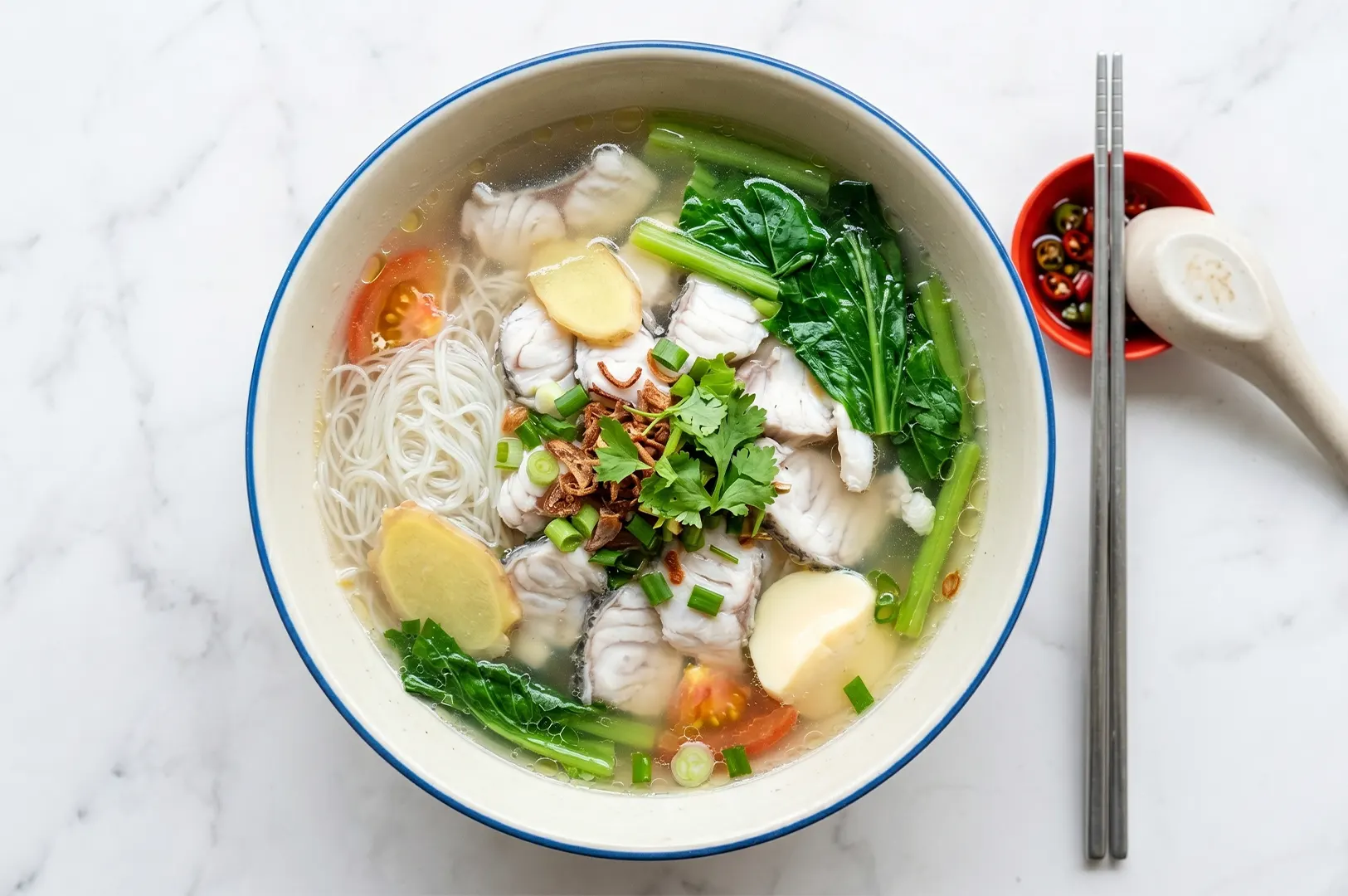
If you want a comforting lunch, a $5.50 sliced fish soup at Amoy Street Food Centre is brilliant. The clear broth is light, and the fish provides excellent lean meat protein. To hit your healthy fat goals for the day, simply snack on a small handful of unsalted nuts or sesame seeds back at your desk.
Pro tip: Do not rely on deep-fried foods to get your daily fats. High-heat frying degrades oil quality and increases unhealthy fats. Prioritize whole-food fat sources like nut oils, seeds, eggs, and especially oily fish instead.
Aim for fat to provide about 25 to 30% of your daily energy, or roughly 55 to 65 grams on a 2,000 kcal diet. Also remember that plant oils often show up in processed foods, and the balance of saturated and unsaturated fats matters more than assuming every oil is equally healthy.
Here is a quick food label checklist to keep things simple:
Scan total fat first, then check the ingredient list for partially hydrogenated oils (skip these entirely).
Look for whole-food fat sources listed early in the ingredients (like almonds, olive oil, or whole milk).
If a product claims to be fat free, immediately check the sugar content to see what they added to replace the flavor.
Reclaiming the Joy of Eating Fat Foods
Your body desperately needs dietary fat to thrive. It protects your brain, balances your hormones, and makes your food taste incredible. You do not need to drown your meals in butter or high fat dairy products, but you also do not need to aggressively avoid every drop of liquid oil.
This week, I challenge you to make peace with the misunderstood nutrient on your plate. Instead of asking how to remove fat from your next meal, ask yourself how you can add a high-quality fat to make it more satisfying.
Top your morning oats with real peanut butter, enjoy the extra virgin olive oil on your salad, and notice how much better your energy feels throughout the afternoon. You are entirely capable of building a diet that is both deeply nourishing and wonderfully delicious.
Finding healthy food and restaurants can be a bit of challenging especially if you are a health concious individual, we have currated list of places and food for a more green and healthy environment, just visit and click Healthyfoodguide.com