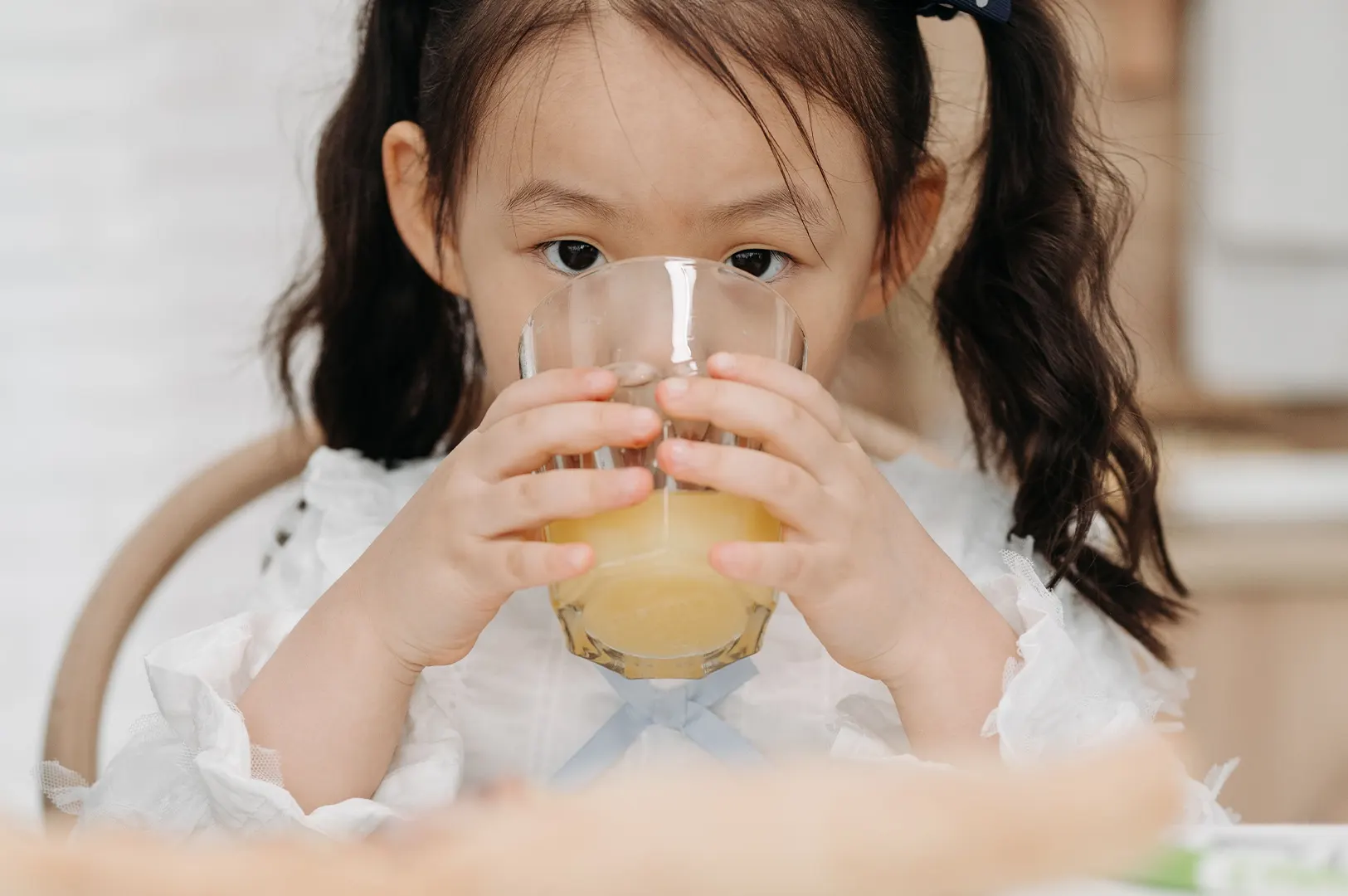
When a child asks for a snack after school, many of us picture something to eat. Yet for students across Singapore, the snack may be a bottled juice, sweetened tea, flavoured milk, soft drink or bubble tea.
I understand why parents buy these drinks. Juice sounds healthier than soda, colourful packaging appeals to children, and a cold drink feels refreshing after a long school day. The problem is that drinks are easy to consume quickly, and the sugar they contain may barely register as part of a child’s daily food intake.
Singapore’s Ministry of Health has identified sugar-sweetened beverages as the country’s largest source of dietary sugar. More recent government data also states that beverages contribute to over half of Singaporeans’ sugar intake.
For children, that matters because a drink can add calories without providing the fullness of a proper snack. When sweet drinks become a daily habit, they may contribute to excessive calorie intake and weight gain. Childhood obesity is already a serious local concern. KK Women’s and Children’s Hospital reported that obesity among primary and secondary school students increased from 13 per cent in 2017 to 16 per cent in 2021.
Sugar also affects dental health. Children who regularly sip sweet drinks expose their teeth to sugar repeatedly throughout the day. This is especially concerning when juice boxes or sweetened drinks are carried around and consumed slowly between meals.
Fruit juice deserves particular attention. I often hear parents say, “But it is made from fruit.” That may be true, but juice is not nutritionally identical to whole fruit. HealthHub explains that fruit juice contains less fibre than whole fruit and can contribute to excessive sugar intake. Its advice is straightforward: fresh fruit is the better option, and water should be the default drink.
This does not mean children must never have juice or a sweet drink. I prefer to think about frequency and portion size. An occasional small drink enjoyed with a meal is different from buying one every afternoon as a routine snack.
When shopping, I check Singapore’s Nutri-Grade label. Drinks are graded from A to D according to their sugar and saturated fat content. Pre-packaged drinks with higher levels must display a C or D mark, making it easier for families to compare products. However, even a better grade does not automatically make a drink essential. Water remains the simplest everyday choice.
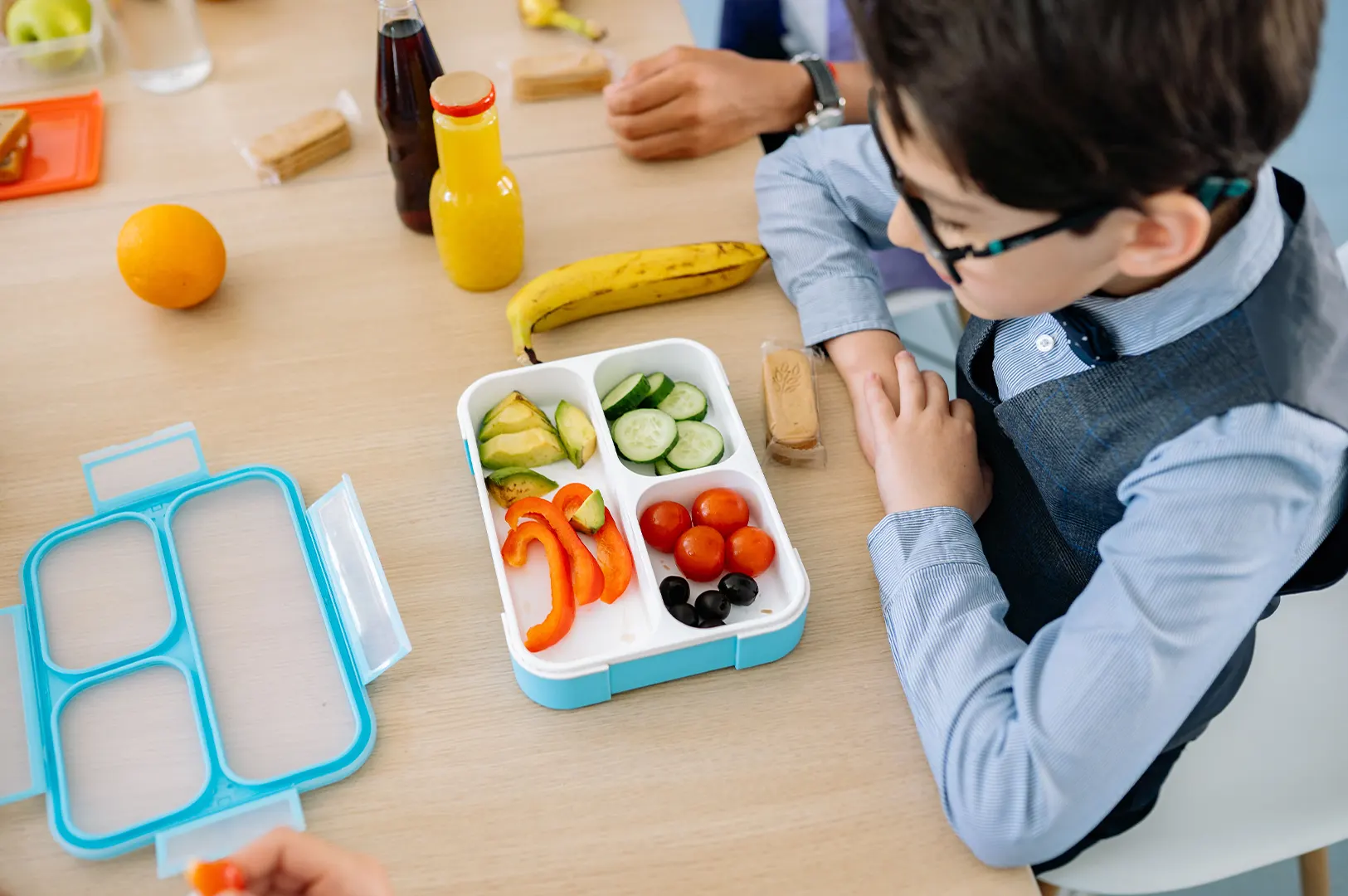
I would build an after-school snack around something that provides actual nourishment, such as fresh fruit with yoghurt, wholemeal bread with egg, unsweetened milk, nuts for older children, or a small sandwich. Then I would add water rather than treating a sweet drink as the snack itself.
Parents can also involve children in the decision. Show them the Nutri-Grade mark, compare sugar levels and explain that “no added sugar” does not always mean sugar-free. Most importantly, adults should model the habit. It is difficult to persuade children to choose water when everyone around them regularly orders sweet drinks.
Sugary drinks are not harmful because of one juice box or one bubble tea. The concern begins when sweetness becomes the everyday expectation. By making water normal and sweet drinks occasional, we can help children build habits that protect their teeth, weight and long-term health.
Visit Healthy Food Guide for practical ideas that help Singapore families make healthier food and drink choices every day.