I still remember the meal that showed me I had no idea what I was talking about.
Years ago, I invited a friend over for lunch. She’d just gone vegan, and I wanted to get it right. I made a big pot of vegetable curry, laid out rice, felt quite pleased with myself. Then she asked, gently, whether I’d used ghee.
I had. And there was a splash of milk in the curry too.
She ate the rice and vegetables around it, kind about the whole thing. But I sat there realizing I’d assumed “vegetarian” and “vegan” were more or less the same. They aren’t. Not even close.
So let me share what I’ve learned since. Not as an expert wagging a finger, but as someone who got it wrong first, and slowly got it a little more right.
Vegan vs Vegetarian: What's the Core Difference?
Here’s the simplest way I can put it.
A vegetarian diet excludes meat, poultry and seafood, that is, animal flesh. A vegan diet goes further, cutting out everything that comes from animal origin: no eggs, no dairy products, usually no honey. In that sense, veganism is the strictest form of plant-based eating.
So a vegan diet is a kind of vegetarian diet. But not every vegetarian is vegan. That was my mistake, exactly.
Understanding the key differences between the various vegetarian and vegan diets helps you make better food choices. Here’s a quick look:
Diet | Meat & seafood | Eggs | Dairy | Honey |
|---|---|---|---|---|
Lacto-ovo vegetarian | No | Yes | Yes | Usually yes |
Lacto-vegetarian | No | No | Yes | Usually yes |
Ovo-vegetarian | No | Yes | No | Usually yes |
Vegan | No | No | No | Usually no |
Flexitarian | Occasionally | Yes | Yes | Yes |
Most vegetarians I know are lacto-ovo vegetarians. They still enjoy kaya toast with soft-boiled eggs, still eat cheese and yoghurt. A flexitarian eats mostly plant foods but has meat now and then. And a vegan draws the firmest line of all, avoiding animal products and in many cases non-food items like leather too.
One more word worth watching: “plant-based.” It sounds vegan, but it isn’t a promise. A plant-based dish can still contain butter or fish sauce. I read ingredients now, no matter what the front of the pack says.
Vegetarian Diets: What They Include and Why People Choose Them
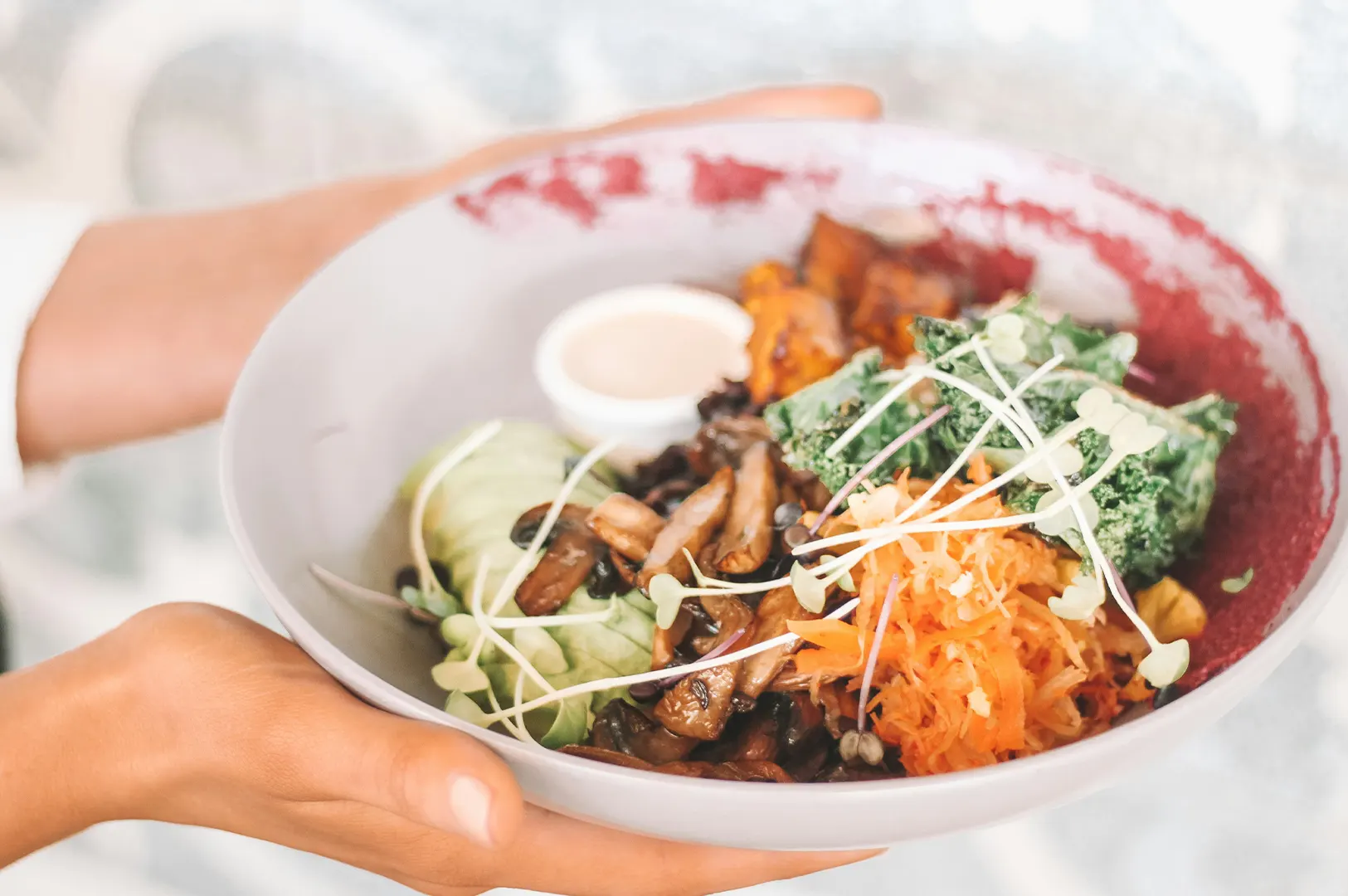
Vegetarian diets exclude meat, poultry and fish, what we’d call animal flesh, but most vegetarians still consume dairy products, eggs and honey. That’s what makes them easier to follow in social settings and at hawker centres where dairy foods and eggs are everywhere.
Most vegetarians choose this path for a mix of health reasons, ethical concerns, religious beliefs or environmental reasons. Some want to reduce the impact of animal agriculture. Others feel strongly about animal welfare but still feel comfortable eating animal byproducts like dairy and eggs, since no killing animals is involved.
From a nutrition standpoint, vegetarian diets tend to be nutritionally adequate when planned well. Lacto-ovo vegetarians generally have no trouble meeting their protein and calcium needs because they still eat eggs and dairy. Diet quality is what really matters. A plate of white rice with processed foods doesn’t become healthy just by removing the meat.
Vegan Diets: Going Further Than Just Food
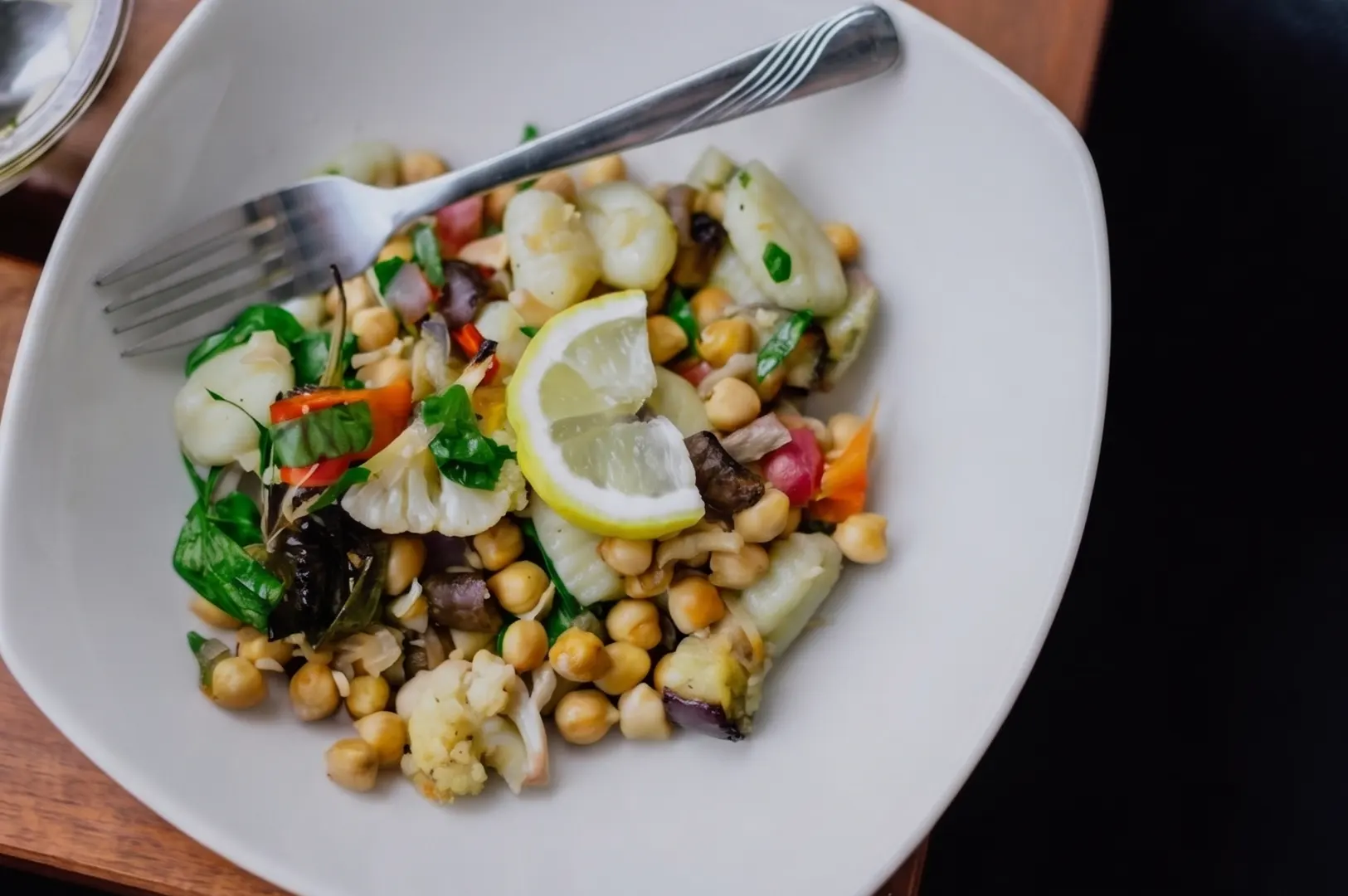
Vegan diets eliminate all animal-derived products, including dairy products, eggs and honey. Many vegans also extend this to non-food items such as clothing, cosmetics, and anything connected to animal exploitation or animal slaughter. That’s an important distinction: veganism, for many, is a lifestyle, not just a food choice.
The ethical reasons are often central. Many vegans object to eating animal products not because of health effects alone, but because of what animal agriculture involves, from killing animals to the broader impact on the earth’s resources. For others, it starts as a dietary shift and grows from there.
On the nutrition side, vegan diets require more careful planning. Without dairy foods or eggs, it takes thought to cover calcium, vitamin D, vitamin B12, iron, zinc, iodine and omega-3 fatty acids. Plant foods don’t naturally contain vitamin B12 in reliable amounts, and the fatty acids found in oily fish, EPA and DHA, are absent unless you use algae-based supplements. HealthHub is clear that poorly planned vegan diets can fall short on several key nutrients. That doesn’t mean they can’t work. It means they need attention.
Vegetarian and Vegan Diets: What the Research Suggests
Both vegetarian and vegan diets, when planned well, are linked to some real health benefits. People following these diets often show a lower body mass index than non-vegetarians, and some research connects them with a reduced risk of heart disease and certain diseases. But the headline shouldn’t overshadow the detail.
Many vegans and most vegetarians see these benefits partly because of lifestyle factors. They tend to eat more whole grains, vegetables and plant-based foods, and less processed food overall. Non-vegetarian diets can also be healthy. The issue isn’t the label. It’s diet quality.
A vegan meal of fried mock meat, white rice and a sugary drink is technically vegan. So is a bowl of brown rice, tofu, lentils and leafy greens. The nutrients in those two meals are worlds apart.
Vegetarian or Vegan Diet: How to Choose
If you’re weighing this up, here’s the path I’d walk you through.
1. Start with your reason. Health, faith, animal welfare, environmental reasons, or personal preference. Each one leads to a different place, and there’s no wrong answer.
2. Decide what you’ll exclude. If you’re comfortable eating eggs and dairy products, a lacto-ovo vegetarian diet is far easier when dining out in Singapore. If your concern is animal exploitation more broadly, vegan makes more sense.
3. Look at what you already eat. You might be surprised. Plain thosai, tofu rice, vegetable bee hoon without egg: a lot of your everyday meals may already qualify as vegetarian or vegan.
4. Replace the protein, not just the meat. Taking the chicken out of your rice and vegetables doesn’t make a balanced meal. Put tofu, tempeh, lentils or beans back in its place. Eating animal products isn’t the only way to get protein, but you have to be deliberate about the swap.
5. Plan your key nutrients. Protein, vitamin B12, iron, calcium, vitamin D and fatty acids. These need some thought, especially for vegan and vegetarian diets that exclude dairy and eggs.
6. Transition gradually if needed. Two meat-free meals a week. Swapping dairy milk for fortified soy. Learning three tofu or lentil dishes you actually enjoy. Then moving from vegetarian to vegan once the replacements are in place.
Pro tip: Soy milk isn’t the same as almond or rice milk when it comes to protein. If protein matters to you, choose soy, and pick one fortified with calcium and B12, with less added sugar.
Vegan and Vegetarian Diets: Fatty Acids and Other Nutrients Worth Watching
One area that surprises people is fatty acids. Oily fish is a reliable source of EPA and DHA, two omega-3 fatty acids important for heart health. Vegetarians who consume fish are covered. Vegans are not, unless they use algae-based supplements, which is where these fatty acids originally come from anyway.
Other nutrients to watch across both vegan and vegetarian diets:
Vitamin B12 – found almost exclusively in animal-derived products. Vegans especially need fortified foods or supplements. Don’t assume every plant milk has it; check the label.
Iron – plant iron is absorbed less efficiently than iron from animal foods. Pair beans, lentils, tofu and dark greens with vitamin C foods like guava, oranges or tomatoes to support absorption. Hold the tea and coffee until after your meal.
Calcium – lacto vegetarians who consume dairy are generally fine. Vegans should look for calcium-set tofu, fortified soy milk and leafy greens.
Vitamin D – most people in Singapore get some sun exposure, but fortified foods and supplementation may still be relevant, especially for those who spend most of the day indoors.
Iodine – this one slips through the cracks. Check whether your fortified foods cover it, or speak to a healthcare professional.
Insider knowledge: Breakfast cereals are one of the more convenient fortified foods to have on hand. Many are fortified with iron, B12 and vitamin D, so they do more quiet work than most people realise.
Plant-Based Diets: Just Food, or Something More?
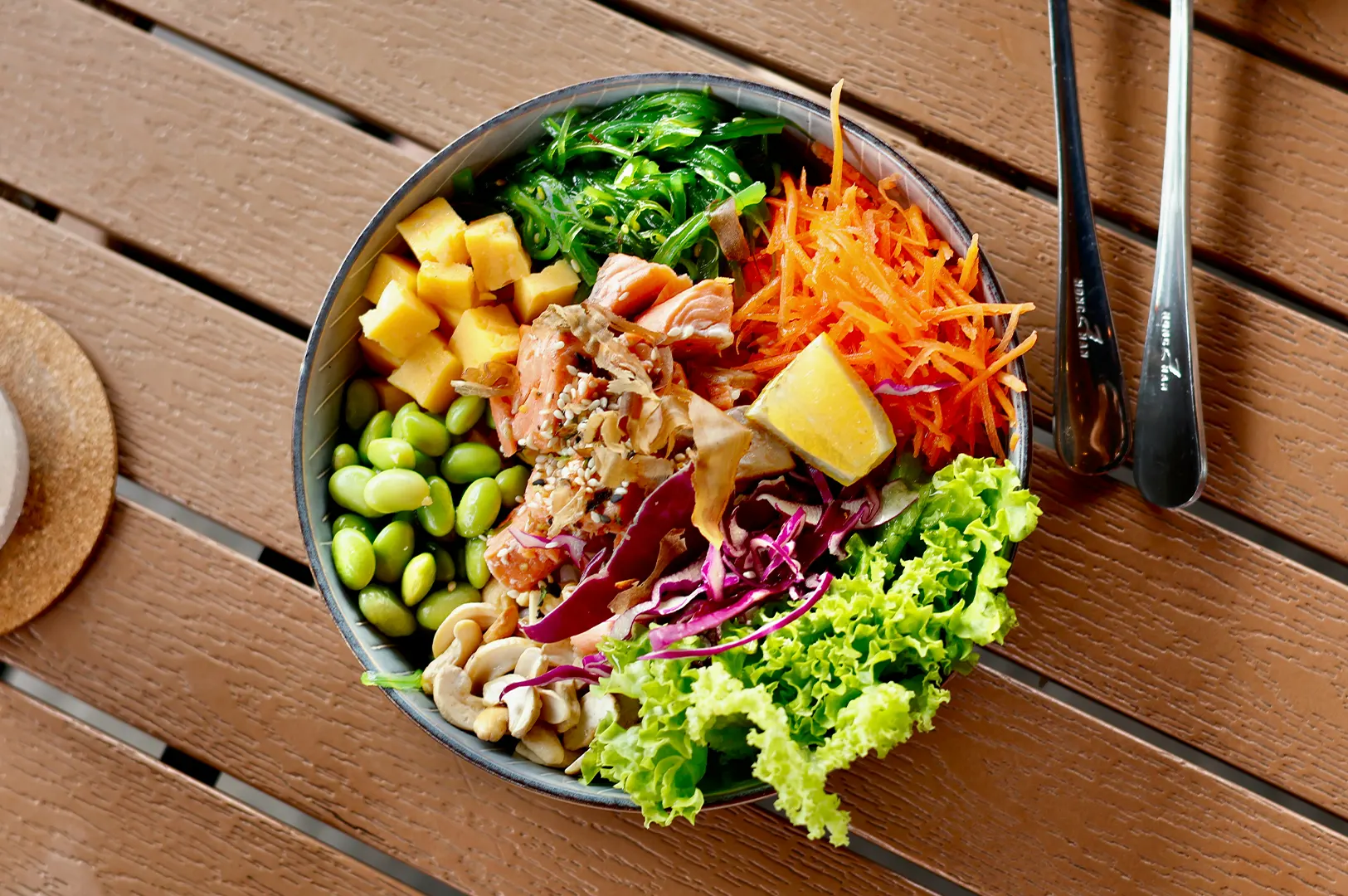
“Plant-based” has become a popular term, but it means different things to different people. For some, it simply describes a diet built mostly around plant foods, including vegetables, whole grains, legumes, nuts and seeds, without committing to fully eliminating animal products. For others, it means vegan.
This distinction matters when you’re navigating a menu or a supermarket label. “Plant-based” on packaging doesn’t automatically mean vegan, vegetarian or even particularly healthy. I’ve seen plant-based products heavy in saturated fat, sodium and processed ingredients.
What I’ve found more useful is asking: is this mostly whole, minimally processed plant food? That question tells me more than the label ever does.
Eating Out in Singapore: Vegetarian or Vegan?
This is where it gets real, because Singapore’s food culture doesn’t fit neatly into English labels.
At a hawker centre, “vegetarian” can mean many things. Vegetable dishes are often cooked with oyster sauce, chicken stock or lard. I’ve learned to ask plainly: “Is the stock vegetarian?” or “Can you cook it without oyster sauce?” A vegetarian bee hoon might still have egg, and a mock meat might be bound by egg white.
At an Indian stall, “pure vegetarian” usually means no meat or fish, but dairy is often central. Paneer, yoghurt, ghee, milky desserts. If you’re vegan, ask for dhal without ghee, chana masala, chapati without butter.
At a Malay or Indonesian stall, watch for shrimp paste and fish sauce in the sambal. But tempeh and tahu are quietly some of the best plant proteins available, right there on the counter.
Then there’s the language on signboards:
素 / 素食 – vegetarian, though exact rules vary
斋 / 齋 – often Buddhist vegetarian
纯素 / 纯素 – vegan
蛋奶素 – includes eggs and dairy
Insider knowledge: Buddhist vegetarian (斋) food often skips onion and garlic for religious reasons, which is separate from veganism entirely. It may still contain egg or dairy. The sign is a starting point, never the final answer. Ask the stallholder.
On cost: plant eating here doesn’t have to be expensive. A pack of tofu at FairPrice runs around S$0.95, tau kwa around S$1.45. Build your meals around these and you’ll eat well for very little. It’s the imported vegan cheese and branded meat substitutes that quietly empty the wallet.
A rough guide to eating out: a hawker vegetarian mixed rice sits around S$4 to S$7, a casual food-court meal around S$7 to S$15, and a dedicated restaurant like Whole Earth closer to S$15 to S$35 or more, where plant-based cooking becomes a full dining experience rather than just food with meat removed. Here’s a helpful guide to vegetarian dining options in Singapore that can make your transition easier and more enjoyable.
Common Mistakes I've Made (So You Don't Have To)
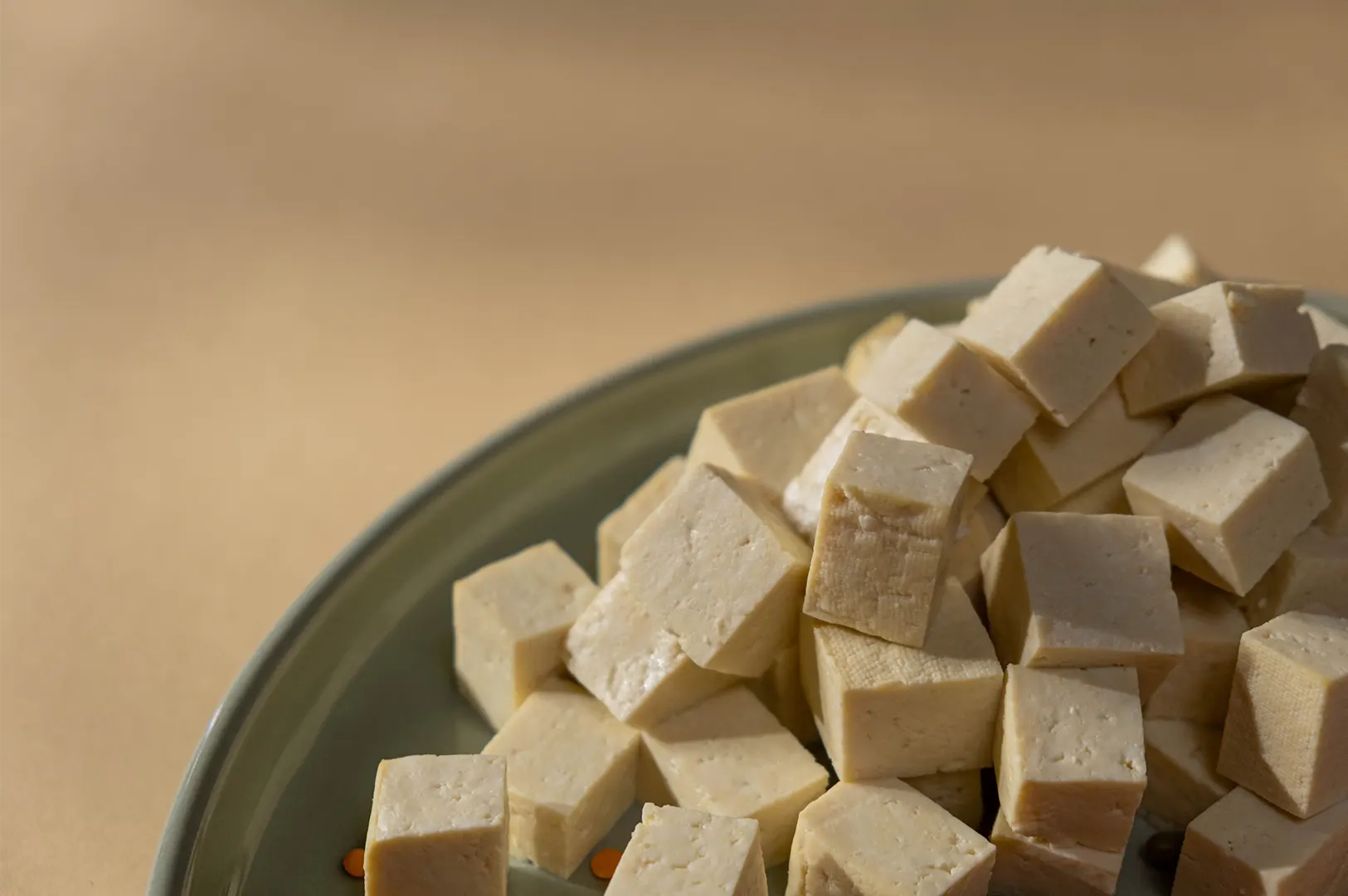
Assuming vegetarian means vegan. My ghee curry taught me this. A vegetarian dish can carry milk, butter, cheese, whey or egg. An “eggless” cake may still contain butter and condensed milk.
Removing the meat without replacing the protein. I used to order vegetables and rice and call it a healthy meal. It wasn’t balanced. It was just missing something. Add the tofu. Add the dhal.
Leaning on mock meat for everything. Mock meats helped me in social settings. But many are highly processed and high in sodium. Tofu, tempeh, lentils, chickpeas and beans are the real foundation.
Buying everything at once. I once loaded a trolley with vegan cheese, nuggets, desserts and protein powder, decided it was too expensive, and abandoned the whole idea. The fix was going back to familiar staples: tempeh, peanuts, dhal, tofu stir-fry.
Questions I Get Asked
Where do vegans get protein? Tofu, tau kwa, tempeh, edamame, lentils, dhal, chickpeas, beans, soy milk, nuts and seeds. You don’t need complicated protein combining. Just eat varied plant foods across the day.
Do vegans and vegetarians need vitamin B12? Vegans definitely do, and strict vegetarians who consume very little dairy or eggs should check too. Reliable B12 is mainly animal-derived. Use fortified foods or talk to a healthcare professional. Don’t assume every plant milk has it; check the label for an actual amount.
Will I become iron-deficient? Not if you plan a little. Pair plant iron sources with vitamin C foods, and hold the tea and coffee for a bit after your meal.
Is Buddhist vegetarian food vegan? Sometimes, not always. Practices vary. Ask rather than assume.
Is vegan food automatically healthier? No. Diet quality matters far more than the label. Heavily processed vegan food with added sugar and saturated fat is still heavily processed food. The plate matters more than the word on the packet.
Before You Go
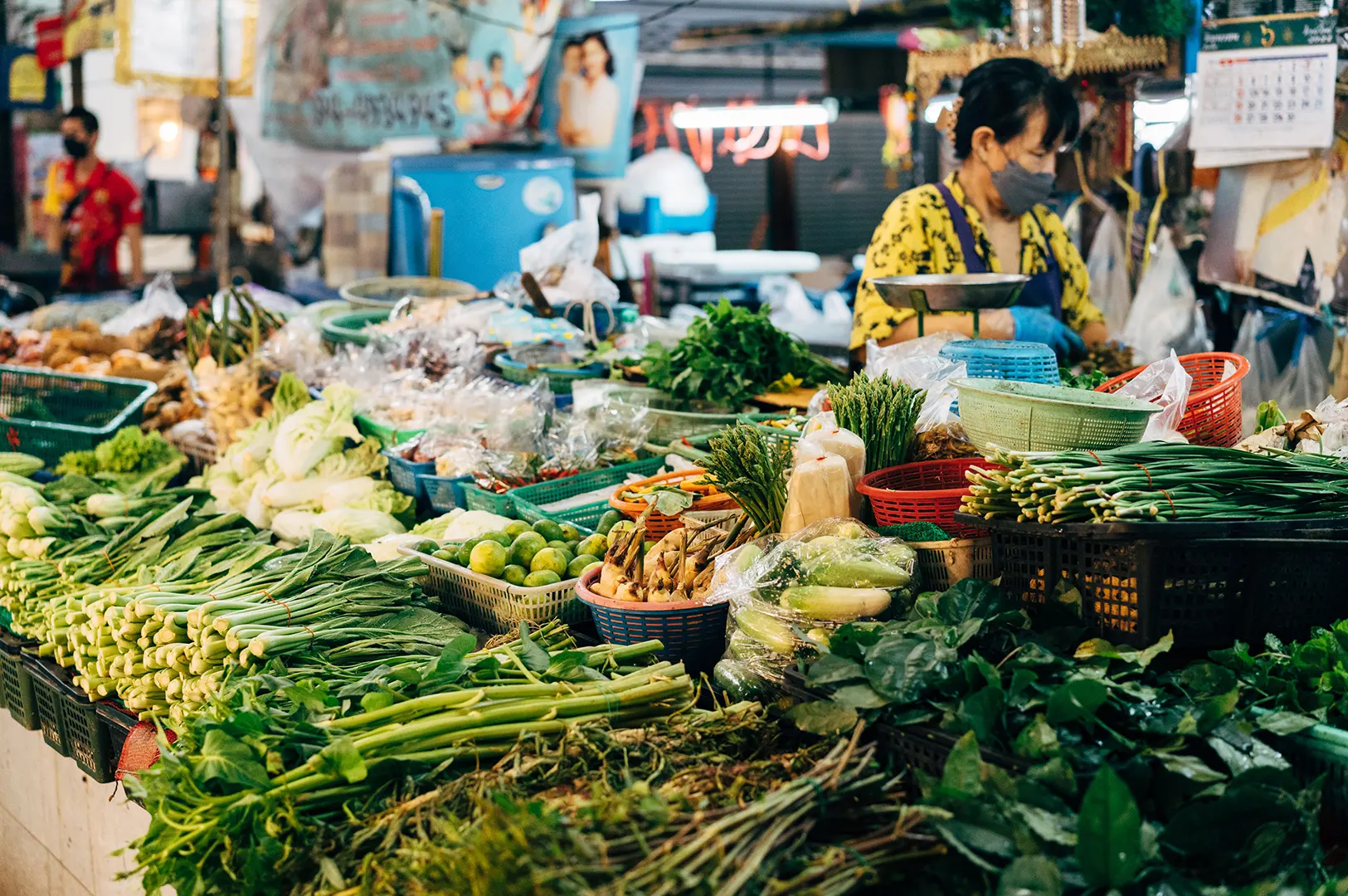
Here’s what I’ve come to believe, after that ghee curry and everything since.
This was never really “vegan vs vegetarian, which one wins?” Vegetarian eating gives you more flexibility, easier at hawker centres, family dinners, old kopitiams. Vegan asks for stricter limits and more careful planning. Both can nourish you well across all life stages. Neither guarantees it on its own.
Start where you already are. The tofu, the tempeh, the dhal, the bean dishes our kitchens have known for generations. You don’t need a trolley full of imported substitutes to begin.
One better meal this week. One honest question at the stall. That’s how it holds.
If you’d like more grounded, everyday guidance on eating well here at home, come sit with us at Healthy Food Guide. Pull up a chair. There’s plenty to share.