I had actually gone to Sushi to Sumi with the free-flow sushi in mind.
I missed the window.
For about thirty seconds, I was disappointed. Then I looked at the dinner menu and ordered the S$50 Ume set instead: chawanmushi, eight pieces of sushi, grilled seafood and miso soup.
By the time the soup arrived, I had stopped thinking about the free-flow entirely.
What I ended up liking most was not the number of sushi pieces, but the way the meal moved through seafood in different forms without ever feeling too heavy.
Sushi to Sumi at Dinner Feels Different
Sushi to Sumi sits at 20 Cecil Street, PLUS #02-01, in Raffles Place.
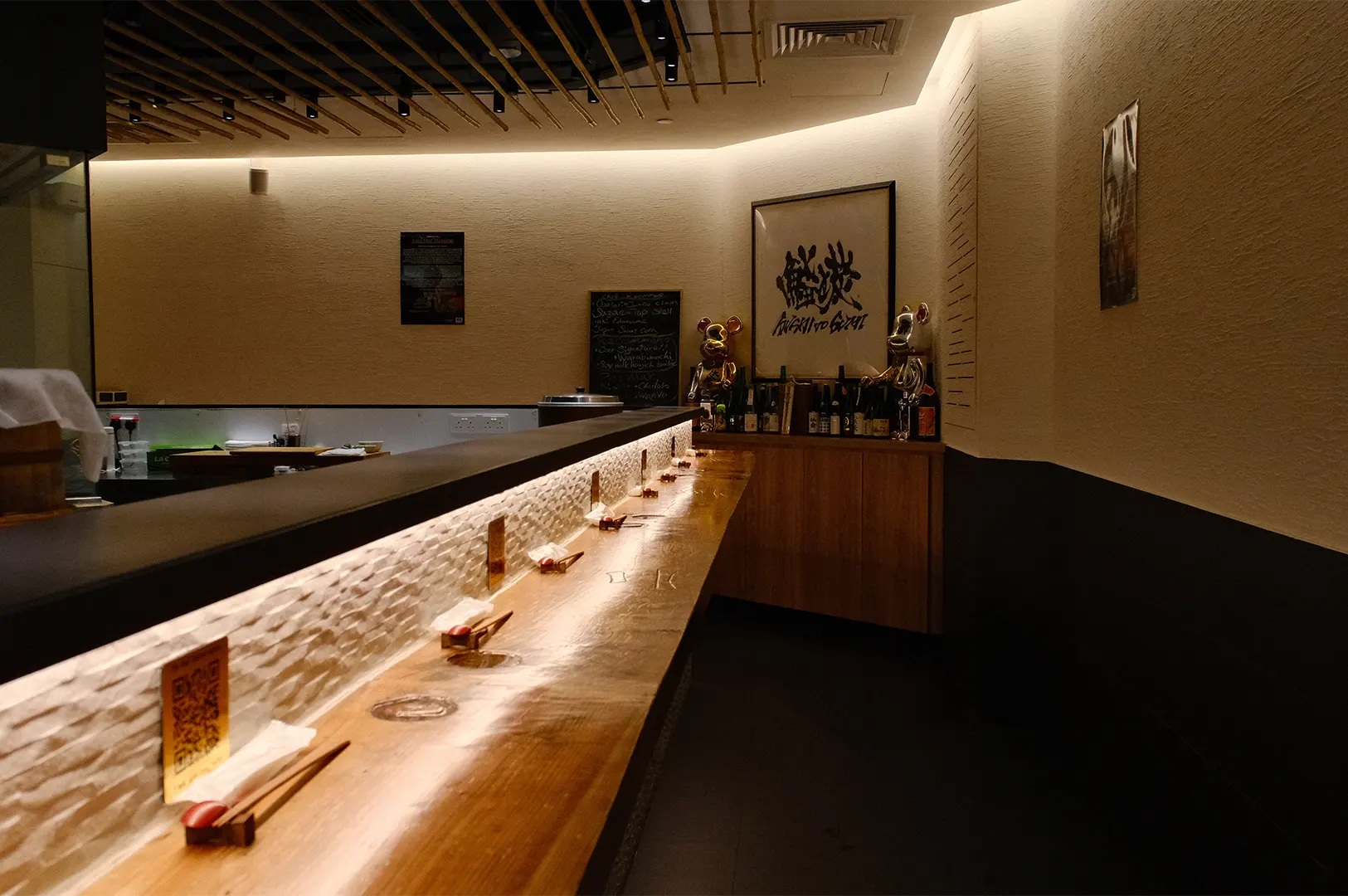
Lunch is known for the standing sushi format, but dinner has chairs and a slower rhythm. I liked that immediately. After a full day, I was happy to sit down, watch the counter and let someone else decide the sequence for an hour.
The Ume set is compact enough to understand at a glance. You get something steamed, sushi, something grilled and soup.
There is no enormous tasting menu to work through and no pressure to turn dinner into a three-hour event.
For me, that was part of the appeal.
Chawanmushi First, Then Eight Pieces of Sushi
The chawanmushi arrived warm and almost custard-soft.
I always like chawanmushi as the beginning of a Japanese set because it changes your pace immediately. You cannot rush it in the same way you might rush a plate of sushi. The steamed egg was savoury and gentle, enough to wake up my appetite without filling me before the main part of dinner.
Then came the sushi.
I am not going to pretend I sat there analysing every one of the eight pieces. I did not. Some disappeared in a bite or two, exactly as good sushi often should.
Two stood out clearly.
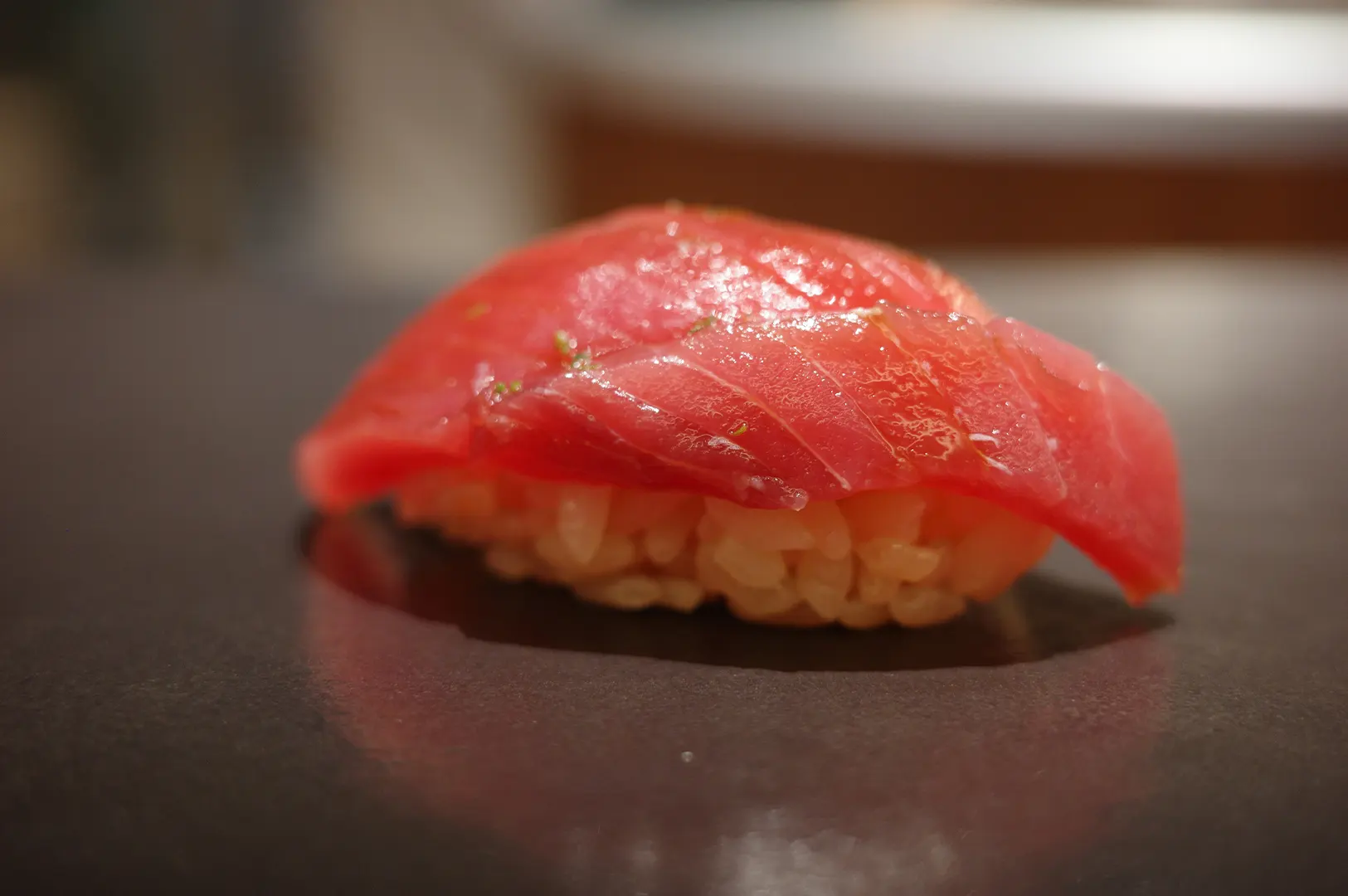
The akami had the directness I like in lean tuna. It was firm without being tough, clean-tasting and noticeably less fatty than the tuna cuts that tend to attract more attention. The seasoned rice underneath brought a little acidity, which kept the bite lively rather than flat.
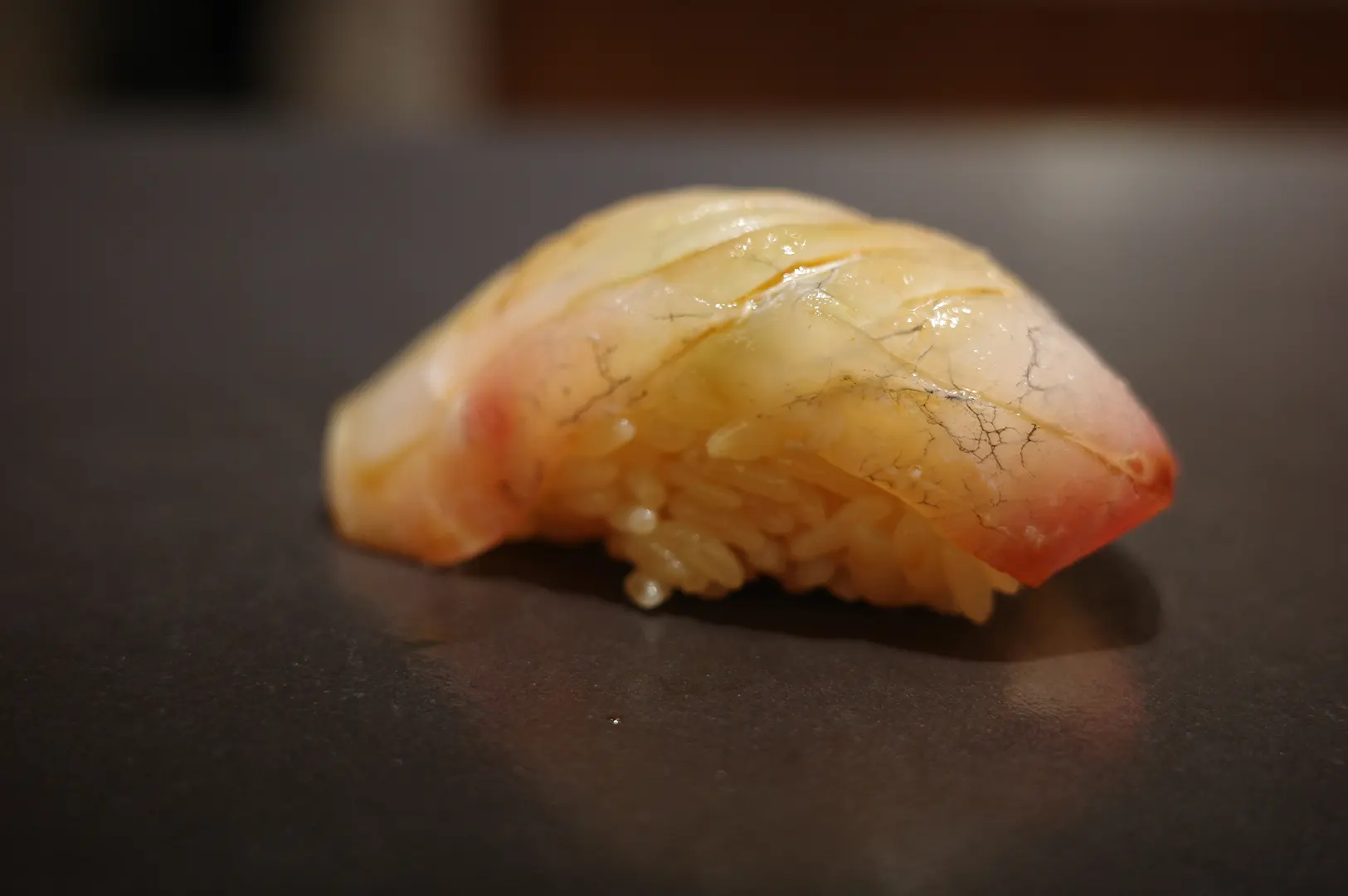
The sea bream, or tai, went in a completely different direction.
It was pale, delicate and slightly firm, with a subtle sweetness that revealed itself more slowly than the tuna. Nothing about it shouted. I actually liked that. After the stronger personality of the akami, the sea bream made me pay attention to texture.
Those two pieces reminded me that good sushi does not need every bite to become richer than the last. Contrast can be just as satisfying.
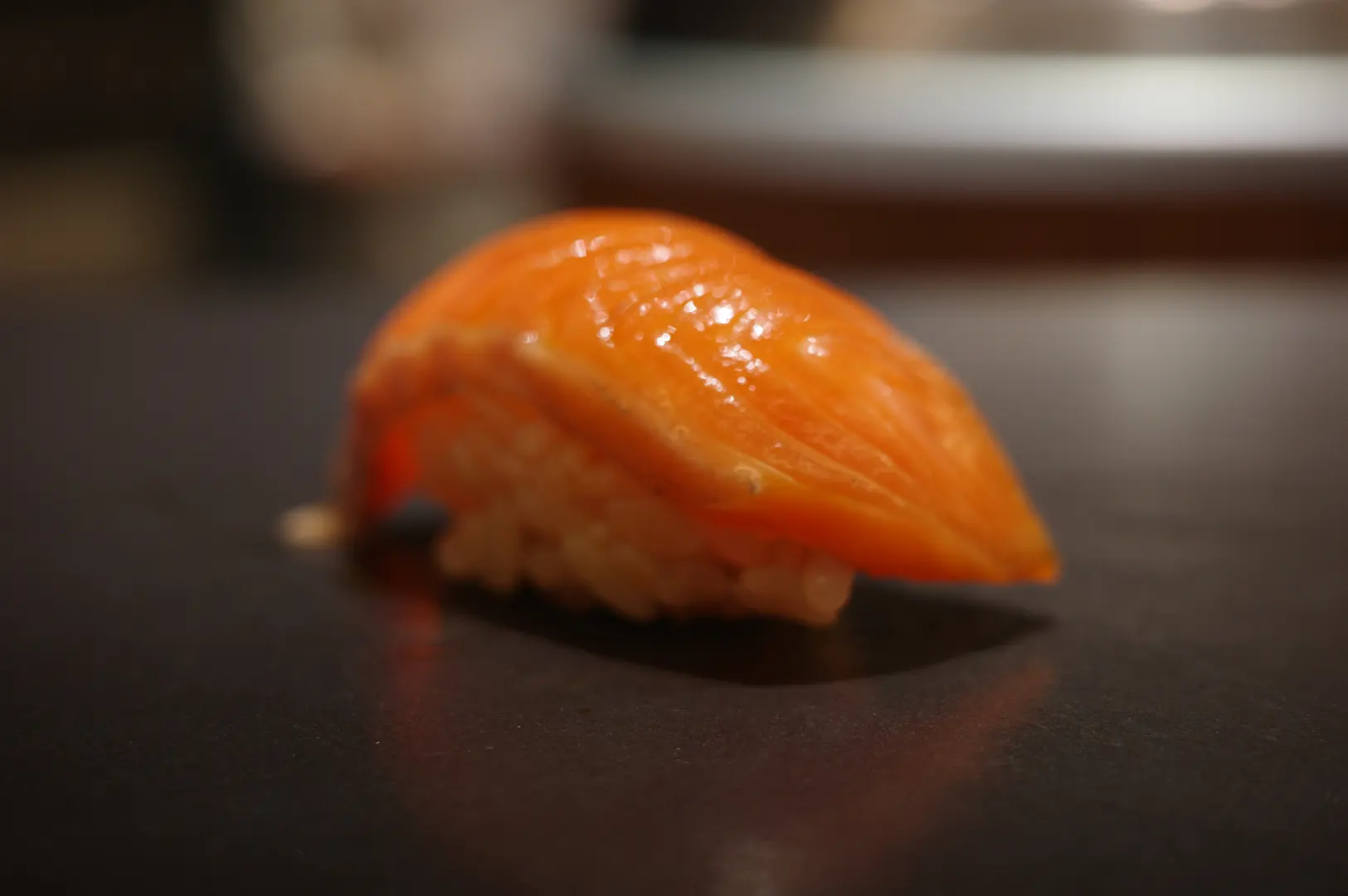
The rest of the sushi course filled in the spaces between them, moving through different textures without making dinner feel like a checklist of fish names.
Then the Grill Changed the Whole Meal
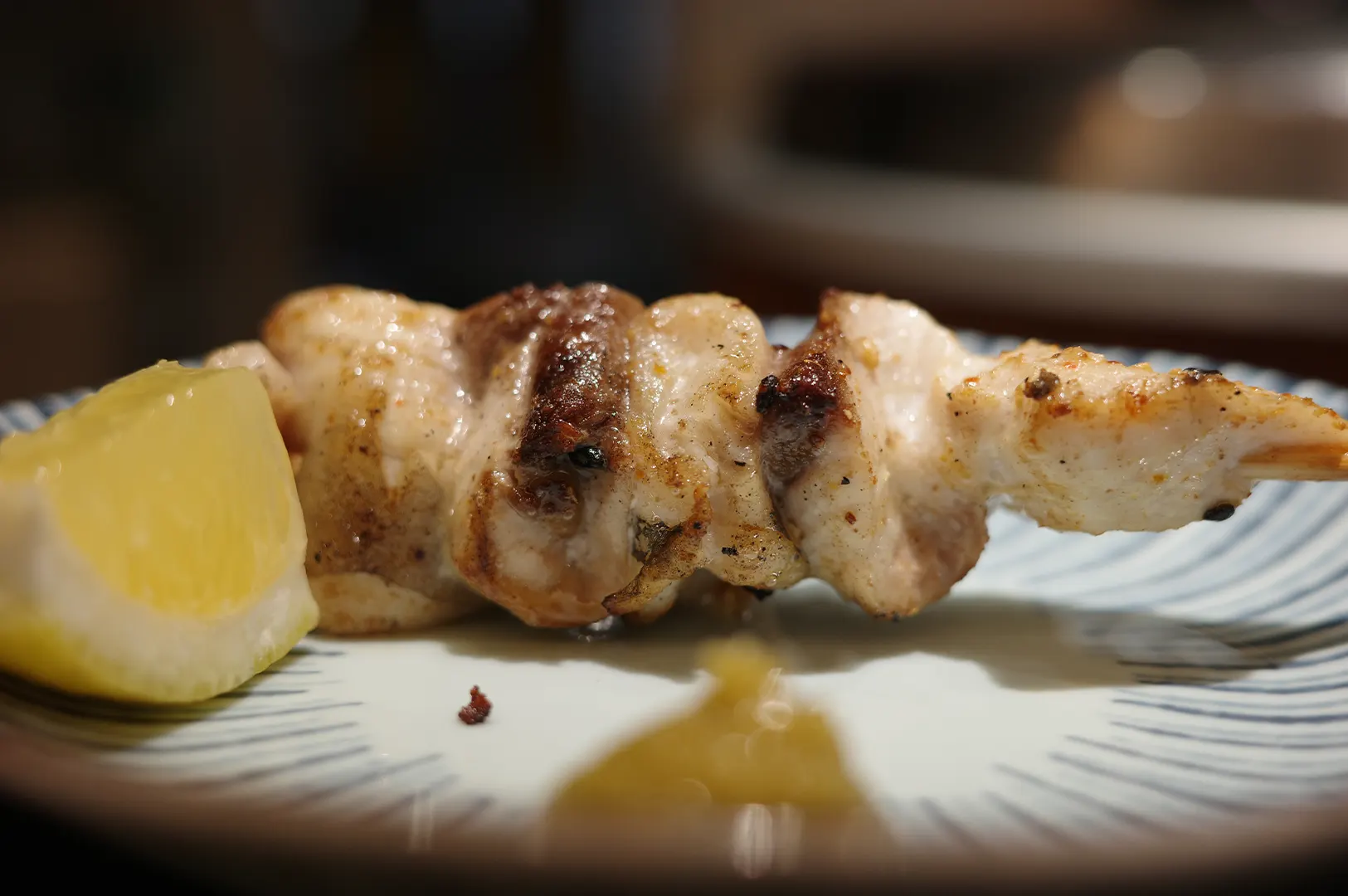
The grilled seafood was probably the moment when I understood Sushi to Sumi best.
After a run of cool fish and vinegared rice, something hot from the grill landed in front of me with browned edges and a wedge of lemon alongside it.
That temperature change mattered more than I expected.
The outside carried char from the heat, while the seafood inside stayed moist. A squeeze of lemon sharpened everything and cut through some of the richness.
This is where the “Sumi” in Sushi to Sumi comes in. Sumi refers to charcoal, and the restaurant uses Japanese binchotan for ingredients that benefit from fire rather than automatically serving every good piece of seafood raw.
Raw fish showed me freshness. The grill showed me another kind of flavour entirely.
I have eaten enough multi-course meals to know how tiring repetition can become, even when every individual dish is technically good. Moving from steamed egg to sushi and then to charcoal gave this relatively small set a much wider range than I expected.
Why the Fish Quality Makes Sense
There is a sourcing story behind that confidence with seafood.
Sushi to Sumi is connected to Araya Shouten, the Japanese fishmonger founded by Araya-san, who comes from a Hokkaido fishing family. His grandfather was a commercial fisherman in Kushiro, and that background developed into years of seafood sourcing and handling knowledge.
Araya Shouten has supplied serious restaurant kitchens in Singapore, including Michelin-starred ones.
That does not mean every fish at Sushi to Sumi necessarily comes directly through Araya Shouten. The chef also works with his own supply channels. What connects the two is the standard applied to the fish: seasonality, condition, handling and knowing when an ingredient is good enough to serve.
That matters because a chef can only do so much to rescue seafood that was poorly handled before it reached the kitchen.
Here, the ingredient feels like the starting point rather than something that needs disguising.
The Miso Soup Was the Right Ending
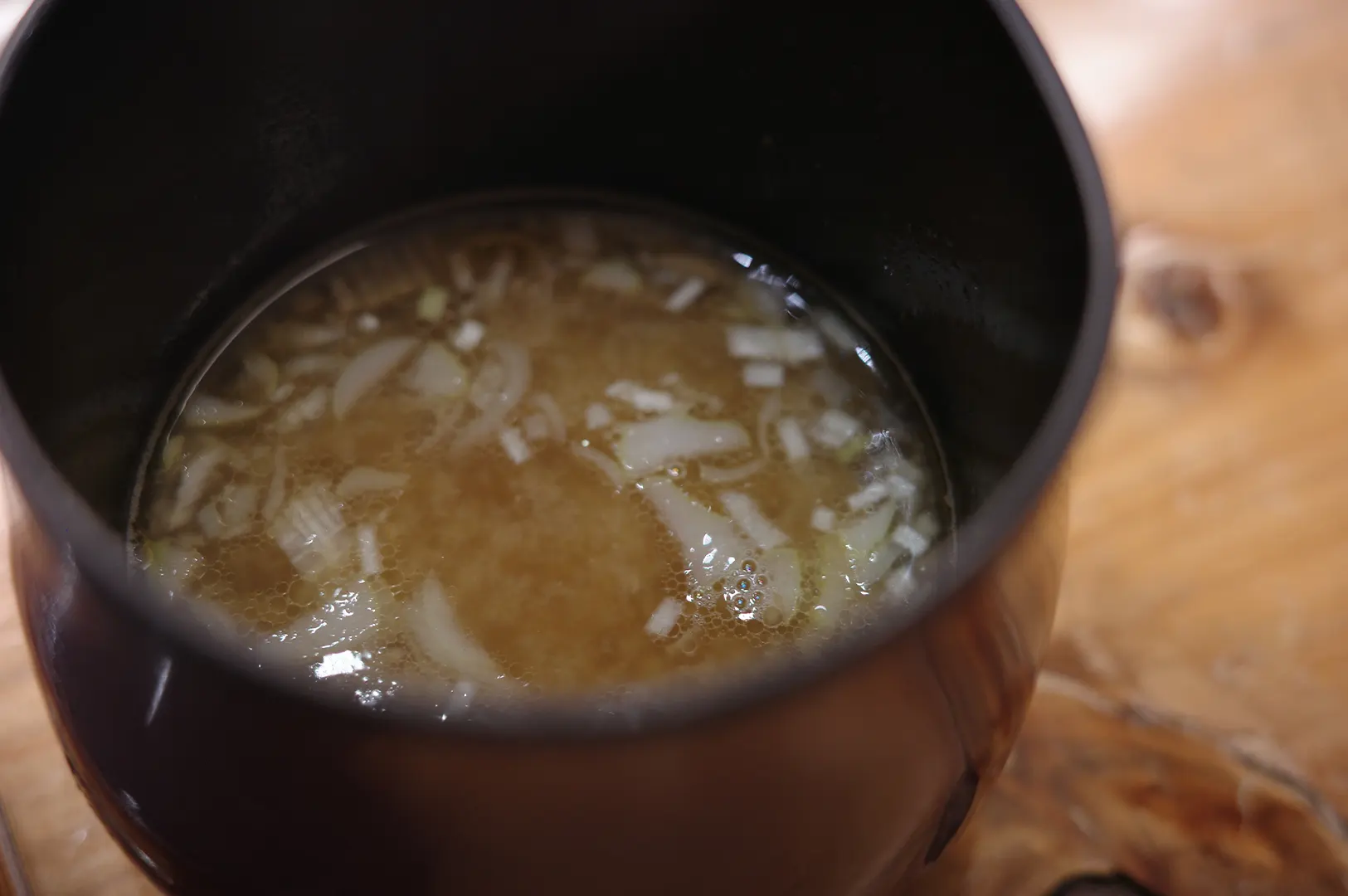
The final bowl of miso soup looked simple after everything that came before it.
That was exactly what I wanted.
It was warm, savoury and calming after the sushi and charcoal. Sushi to Sumi also makes use of fish bones in its soup rather than treating them automatically as waste, which gives the final course a nice connection to the restaurant’s wider whole-fish approach.
By then, I realised the set had taken me through seafood in several forms: steamed alongside the opening course, raw over rice, grilled over charcoal and finally carried into broth.
That is a lot of variation for S$50.
Is the Ume Set a Healthy Dinner?
I would not call sushi automatically healthy. That is too easy.
There is still seasoned rice. Miso and soy sauce contribute sodium. Some fish are naturally fattier than others.
What I liked from a Healthy Food Guide perspective was the structure.
Eight sushi pieces gave the meal a natural portion. The chawanmushi added something warm and protein-rich before them. Grilling introduced flavour without needing a heavy creamy sauce, and soup gave dinner a defined ending instead of leaving me looking for another plate.
I finished satisfied, not stuffed.
For diners who enjoy seafood and want variety without an enormous tasting menu, Sushi to Sumi is an excellent destination for a quality sushi experience.
Missing the free-flow window turned out to be useful.
Sometimes the better dinner is not the one that lets you eat more. It is the one that gives you enough different things to leave feeling completely done.